Lumbar Disc Replacement: Treatment for Lower Back Pain
Comprehensive guide to lumbar disc replacement surgery, procedure details, recovery, and outcomes.
Understanding Lumbar Disc Replacement
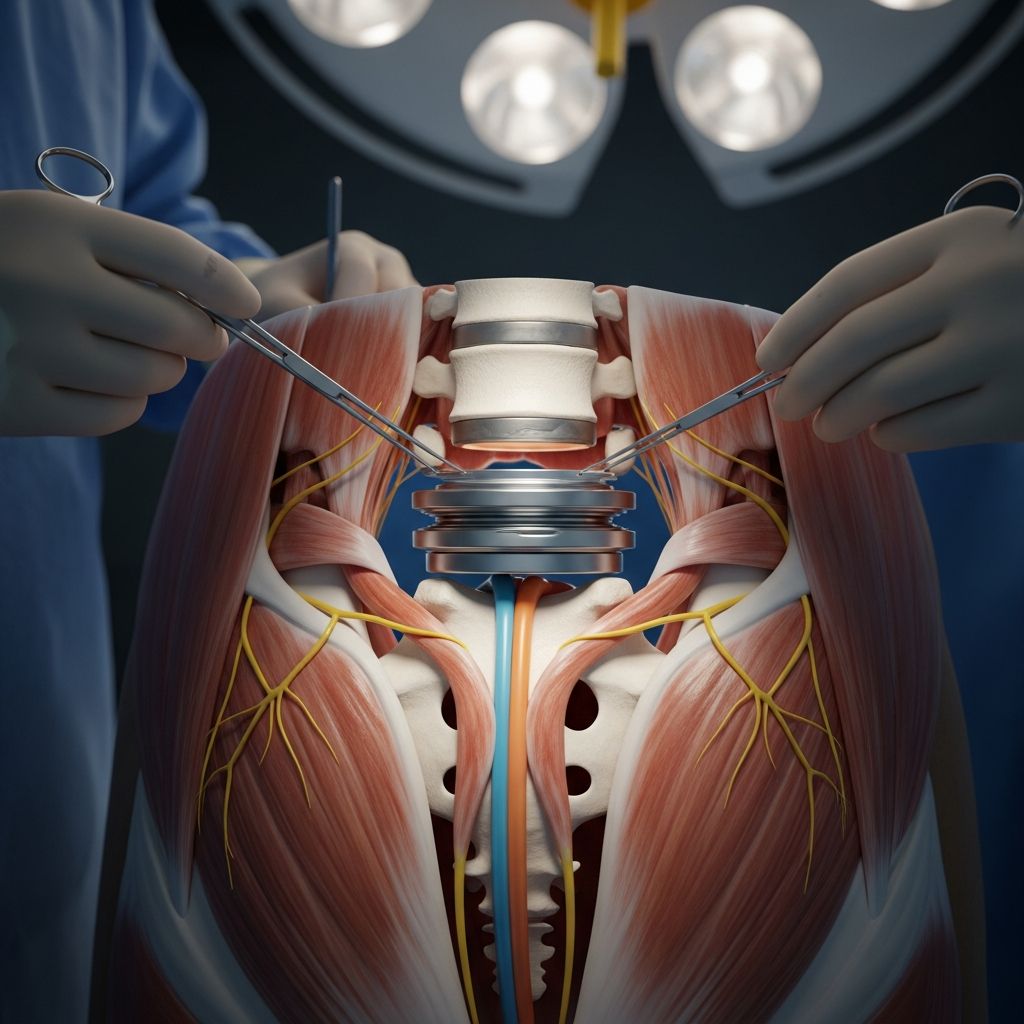
Lumbar disc replacement, also known as artificial disc replacement or total disc arthroplasty, is a surgical procedure designed to treat degenerative disc disease and chronic lower back pain by replacing a damaged or worn intervertebral disc with an artificial prosthetic device. Unlike spinal fusion surgery, which permanently joins vertebrae together, lumbar disc replacement aims to preserve the natural motion of the spine while relieving pain and restoring function. This innovative approach offers patients the opportunity to maintain greater flexibility and mobility compared to traditional fusion procedures.
Spinal Anatomy: Understanding Your Backbone
To fully comprehend lumbar disc replacement, it is essential to understand the structure of the lumbar spine. The lumbar region refers to the lower portion of the spine, consisting of five vertebrae labeled L1 through L5. Each lumbar vertebra is composed of a round block of bone called the vertebral body and a bony arch attached to the back of each vertebral body.
The bony arch contains two key components: the pedicle bones and the lamina bones. When the vertebrae are stacked on top of one another, they create a hollow tube that surrounds and protects the spinal cord and nerve roots. The laminae provide a protective roof over these vital neural structures. Between each pair of vertebrae sits an intervertebral disc, which acts as a shock absorber and allows for spinal flexibility and movement.
Indications for Lumbar Disc Replacement
Lumbar disc replacement is considered for patients who meet specific criteria and suffer from particular spinal conditions. Common indications for this procedure include:
- Discogenic back pain caused by a single or two-level degenerative disc disease
- Lumbar radiculopathy with corresponding disc pathology
- Lumbar spondylolisthesis or other degenerative conditions
- Chronic lower back pain unresponsive to conservative treatment methods
- Symptomatic degenerative disc disease affecting mobility and quality of life
Patients must undergo thorough evaluation and imaging studies to confirm their candidacy for the procedure. Not all patients with back pain are suitable candidates for disc replacement; a comprehensive assessment is necessary to determine whether this treatment is appropriate.
Benefits of Artificial Disc Replacement
Artificial disc replacement offers several significant advantages over alternative surgical treatments, particularly spinal fusion. The primary benefits include:
- Preservation of Motion: Unlike fusion surgery, which eliminates movement at the treated level, artificial disc replacement maintains natural spinal mobility and flexibility. This preservation of motion allows patients to engage in activities with greater ease and comfort.
- Pain Relief: By replacing the damaged disc with a prosthetic device, the procedure effectively eliminates pain caused by disc degeneration and nerve compression.
- Prevention of Adjacent Segment Disease: Artificial disc replacement may help prevent premature breakdown and degeneration of adjacent lumbar discs that can occur following fusion surgery.
- Protection During Activity: The artificial disc provides protective support during strenuous activities such as jumping, running, and lifting, which typically place strong compressive forces on the spine.
- Expanded Neural Space: The procedure opens up the space around the spinal nerve roots where they pass through the neural foramina, relieving nerve compression and associated symptoms.
Related Stories



Pre-Surgery Preparation
Preparing properly for lumbar disc replacement surgery is crucial for optimal outcomes and successful recovery. Before your operation, several important steps must be taken:
Pre-Operative Consultation and Evaluation
Your surgical team will conduct a comprehensive consultation to review your medical history, discuss your symptoms in detail, and perform a thorough physical examination. During this evaluation, your surgeon will assess your current health status, review any medications you are taking, and discuss potential risks and benefits specific to your situation. Diagnostic imaging tests such as MRI or CT scans will be ordered to assess the extent of your lumbar disc disease and confirm your suitability for the procedure.
Pre-Operative Instructions
You will receive detailed written and verbal instructions on how to prepare for surgery. A critical component of preparation involves fasting for a minimum of eight hours prior to your operation. This requirement helps prevent complications related to anesthesia. You may also be instructed to stop taking certain medications, particularly blood thinners, several days before surgery. Your surgical team will provide specific guidance regarding which medications to continue and which to temporarily discontinue.
The Surgical Procedure
Lumbar disc replacement surgery typically takes between two to three hours to complete. Understanding the steps involved in this procedure can help alleviate anxiety and prepare you mentally for the experience.
Surgical Approach
The surgical team approaches the lumbar spine from the front of your body through an incision in your lower abdomen. This anterior approach is preferred because it allows direct access to the intervertebral discs while minimizing disruption to the muscles and ligaments of the posterior spine. During the approach, vital organs, blood vessels, and neural structures must be carefully protected and moved aside to safely access the spine. A vascular surgeon often assists the orthopedic surgeon during this portion of the procedure to ensure proper management of blood vessels.
Disc Removal and Space Preparation
Once your surgeon has accessed the affected disc, the problematic disc material is carefully removed from between the vertebrae. The surgeon will then scrape tissue off the vertebrae above and below the treated level to expose the bone and prepare it to receive the artificial implant. Any bone spurs (osteophytes) that may have developed are also removed during this stage. This preparation is critical for ensuring proper fit and alignment of the artificial disc device.
Artificial Disc Insertion
After preparing the disc space, the surgeon inserts the artificial disc implant into the empty space between the vertebrae. The artificial disc is designed with specific components to replicate the function of a natural disc. Most artificial discs comprise metal endplates combined with a polyethylene core, similar to prosthetic devices used in knee and hip replacements. The materials used are medical-grade and include cobalt chromium or titanium alloy for the metal components.
The artificial disc is secured to the vertebrae using a keel that holds it firmly in place during the healing process. Fluoroscopic imaging (real-time X-ray guidance) is used throughout insertion to verify accurate placement and alignment of the prosthesis. This imaging technology allows the surgeon to see exactly where the implant is positioned as it is inserted, making the procedure significantly safer and more accurate than procedures performed without such guidance.
Closure and Recovery Room Transfer
Once the artificial disc is properly positioned and secured, the surgical incision is closed using sutures or surgical glue, and a sterile dressing is applied. You will then be transferred to the recovery room for close monitoring as you awaken from anesthesia.
Artificial Disc Design and Materials
Several different artificial disc designs are available, and each design is unique in its specific construction while maintaining the similar goal of reproducing the size and function of a normal intervertebral disc. Your surgeon will discuss which disc design is best suited for your particular condition and spinal anatomy.
Some disc replacement devices comprise only the nucleus (center) of the intervertebral disc while leaving the annulus (outer ring) in place, although this technology remains investigative. In most cases, total artificial disc replacements substitute both the annulus and nucleus with a mechanical device that simulates spinal function. The design variations ensure that surgeons can select the most appropriate implant for each patient’s specific needs and anatomical considerations.
Post-Operative Recovery and Rehabilitation
Recovery following lumbar disc replacement is a gradual process that typically progresses well when patients adhere to their surgeon’s recommendations.
Hospital Stay
Most patients remain in the hospital overnight following their lumbar disc replacement procedure, though some may be discharged within 23 hours depending on their individual circumstances and recovery progress. During your hospital stay, your vital signs will be closely monitored, and pain management will be provided through prescribed medications.
Early Recovery Phase
In the immediate post-operative period, you can expect to experience some pain and discomfort at the surgical site, which is normal and expected. This pain is managed with prescribed medications. During this early phase, it is important to follow activity restrictions provided by your surgical team and avoid heavy lifting, strenuous activities, and prolonged sitting or standing positions.
Physical Therapy and Rehabilitation
Early physical therapy is crucial for optimal recovery and functional outcomes. You will work with a trained physical therapist who will guide you through exercises designed to regain strength, restore flexibility, and gradually return to normal activities. These rehabilitation sessions typically begin within days of surgery and continue for several weeks. Physical therapy helps prevent stiffness, promotes healing, and ensures that you regain full functional capacity.
Return to Activities
Most patients can gradually return to normal activities within several weeks, though the timeline varies based on individual healing and the nature of activities. Your surgeon will provide specific guidance regarding when you can resume work, exercise, and other daily activities. Generally, you should expect to avoid heavy lifting and strenuous activities for several months following surgery.
Risks and Complications
Like any surgical procedure, lumbar disc replacement carries certain risks and potential complications. These may include infection, bleeding, blood vessel or nerve injury, implant migration or failure, and persistent pain. However, serious complications are relatively uncommon when the procedure is performed by experienced surgeons. Your surgical team will discuss these risks in detail during your pre-operative consultation.
Lumbar Disc Replacement vs. Spinal Fusion
Understanding the differences between lumbar disc replacement and spinal fusion can help you appreciate the unique advantages of disc replacement. Spinal fusion is essentially a welding process in which the affected vertebrae are fused together so they heal into a single, solid bone, eliminating painful motion at that level. While many patients benefit from lumbar fusion, success rates vary, with reported success ranging from 50 to 90% for treating low back pain due to degenerative disc disease.
In contrast, lumbar disc replacement maintains normal motion between vertebrae, potentially leading to better long-term outcomes and reduced risk of adjacent segment degeneration. This motion-preserving approach represents a fundamental difference in treatment philosophy and often results in better functional outcomes for appropriate candidates.
Success Rates and Outcomes
Lumbar disc replacement has demonstrated positive outcomes in carefully selected patient populations. The procedure effectively relieves back pain and restores mobility in the majority of patients who meet appropriate selection criteria. Long-term studies show that the motion-preserving nature of artificial disc replacement may reduce the development of degenerative changes in adjacent spinal segments compared to fusion surgery.
Frequently Asked Questions
Q: How long does lumbar disc replacement surgery take?
A: Most lumbar disc replacement surgeries take between two to three hours to complete, depending on the complexity of your case and the specific approach used by your surgical team.
Q: Will I need to stay in the hospital after surgery?
A: Most patients remain in the hospital overnight following lumbar disc replacement, though some may be discharged within 23 hours depending on individual circumstances and recovery progress.
Q: When can I return to normal activities after lumbar disc replacement?
A: Most patients gradually return to normal activities within several weeks, though heavy lifting and strenuous activities should be avoided for several months following surgery. Your surgeon will provide specific guidance tailored to your individual recovery.
Q: Is lumbar disc replacement better than spinal fusion?
A: Lumbar disc replacement and spinal fusion are different approaches suited to different patients. Disc replacement preserves motion and may reduce adjacent segment degeneration, while fusion eliminates motion at the treated level. Your surgeon will determine which approach is most appropriate for your specific condition.
Q: What materials are used in artificial discs?
A: Artificial discs typically comprise metal endplates made of medical-grade materials such as cobalt chromium or titanium alloy, combined with a medical-grade polyethylene core that simulates the function of a natural disc nucleus.
Q: Are there restrictions on physical activity after disc replacement?
A: Yes, you will need to follow activity restrictions during your recovery period. Heavy lifting, strenuous exercise, and high-impact activities should be avoided initially, but can gradually be reintroduced under your surgeon’s guidance as healing progresses.
Q: How is the artificial disc held in place?
A: The artificial disc is secured to the vertebrae using a keel that holds it firmly in place during the healing process, allowing the bone to integrate with the implant over time.
References
- Lumbar Disc Replacement Surgery — SingHealth. 2025. https://www.singhealth.com.sg/tests-procedures/lumbar-disc-replacement-surgery
- Artificial Disk Replacement in the Lumbar Spine — American Academy of Orthopaedic Surgeons (AAOS). 2024. https://orthoinfo.aaos.org/en/treatment/artificial-disk-replacement-in-the-lumbar-spine/
- Cervical and Lumbar Disc Replacement Surgery — Hospital for Special Surgery (HSS). 2024. https://www.hss.edu/health-library/conditions-and-treatments/list/disc-replacement
- Lumbar Disc Replacement Surgery — Penn Medicine, University of Pennsylvania. 2024. https://www.pennmedicine.org/treatments/disc-replacement
- Lumbar Artificial Disc Replacement: A Patient-Centered Approach — SWAN Brain and Spine. 2024. https://swanbrainandspine.com/services/lumbar-disc-replacement/
Similar Articles








Read full bio of medha deb