Lumbar Puncture: Purpose, Procedure, and Patient Guide
Complete guide to lumbar puncture: understanding the procedure, preparation, risks, and recovery.
Understanding Lumbar Puncture
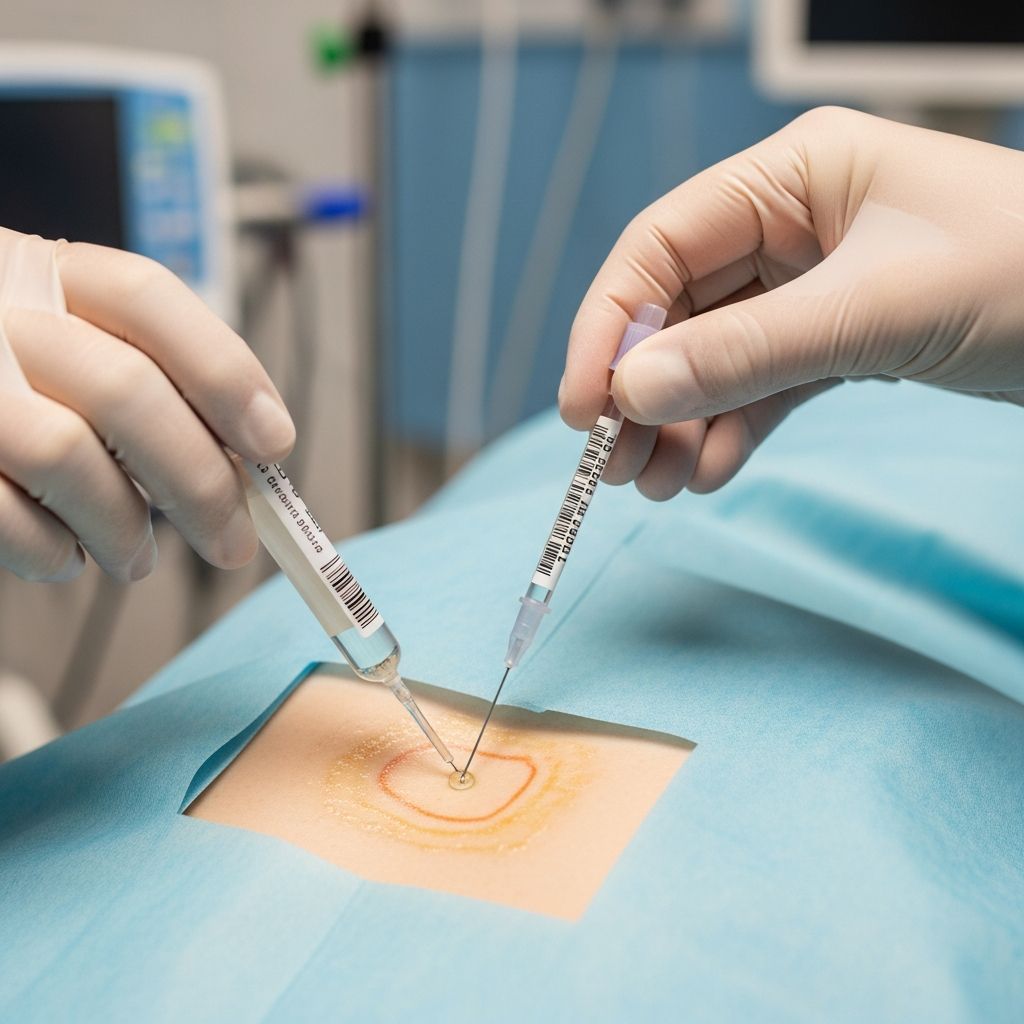
A lumbar puncture, also known as a spinal tap, is a medical procedure in which a needle is inserted into the spinal canal to collect cerebrospinal fluid (CSF) for diagnostic testing and therapeutic purposes. This minimally invasive procedure has been a cornerstone of neurological diagnosis since its introduction in 1891 by German physician Heinrich Quincke. The procedure allows healthcare providers to examine the fluid surrounding the brain and spinal cord, which contains vital information about potential neurological conditions and infections affecting the central nervous system.
The lumbar puncture is typically performed under local anesthesia using a sterile technique, ensuring patient comfort and safety throughout the procedure. A specialized hypodermic needle accesses the subarachnoid space, the area between the arachnoid membrane and the pia mater where cerebrospinal fluid circulates. The collected fluid undergoes various analyses including biochemical, microbiological, and cytological examination to help diagnose diseases affecting the central nervous system.
Why Your Doctor May Recommend a Lumbar Puncture
Lumbar punctures serve both diagnostic and therapeutic purposes in clinical medicine. The primary indication for this procedure is to help diagnose diseases of the central nervous system, including the brain and spine. Healthcare providers use lumbar punctures to evaluate various neurological conditions and infections that affect patients’ health and wellbeing.
Diagnostic Uses
The diagnostic applications of lumbar puncture are extensive and critical for proper patient management:
– Meningitis and Encephalitis: Lumbar puncture is essential for diagnosing bacterial, viral, and fungal infections of the brain and spinal cord membranes. Cerebrospinal fluid analysis reveals the causative organism and guides appropriate antibiotic or antifungal therapy.- Subarachnoid Hemorrhage: When a patient presents with a sudden, severe headache and initial CT imaging is negative, lumbar puncture can detect blood in the cerebrospinal fluid, confirming subarachnoid hemorrhage.- Multiple Sclerosis: CSF analysis helps identify oligoclonal bands and immunoglobulin levels characteristic of MS, supporting diagnosis in patients with suspected demyelinating disease.- Guillain-Barré Syndrome: Lumbar puncture demonstrates the characteristic albumin-cytologic dissociation seen in this autoimmune condition affecting peripheral nerves.- Central Nervous System Malignancies: Cancer cells may be detected in cerebrospinal fluid, helping diagnose primary brain tumors or metastatic disease involving the central nervous system.- Idiopathic Intracranial Hypertension: Elevated cerebrospinal fluid pressure (>25 cm H2O) combined with clinical symptoms helps diagnose this condition affecting vision and neurological function.
Therapeutic Uses
Beyond diagnosis, lumbar puncture serves important therapeutic functions in patient care:
– Medication Administration: Healthcare providers use lumbar puncture to deliver medications directly into the cerebrospinal fluid, including chemotherapy agents for treating central nervous system cancers, antibiotics for serious infections, and analgesics for pain management.- Intracranial Pressure Reduction: In conditions like idiopathic intracranial hypertension, removing cerebrospinal fluid helps reduce intracranial pressure and alleviates symptoms such as headaches and visual disturbances.- Spinal Anesthesia: During certain surgical procedures and labor, lumbar puncture allows administration of regional anesthesia that numbs the lower body while keeping patients conscious.
Preparation for Your Lumbar Puncture
Proper preparation ensures a safe and successful procedure. Your healthcare team will provide specific instructions tailored to your individual circumstances, but generally include the following considerations.
Pre-Procedure Requirements
Before arriving for your lumbar puncture, inform your healthcare provider about any medications you’re taking, particularly blood thinners or antiplatelet agents. You may need to discontinue these medications before the procedure to reduce bleeding risk. Discuss any allergies, especially to local anesthetics, and inform your provider about previous adverse reactions to medical procedures.
Arrange for someone to drive you home after the procedure, as you should not operate vehicles on the day of the lumbar puncture. Wear comfortable, loose-fitting clothing that allows easy access to your lower back. Eat a light meal before the procedure unless otherwise instructed, and stay well-hydrated by drinking water as directed by your healthcare provider.
Related Stories



Medical Screening
Your healthcare provider will review your medical history and perform a physical examination to assess your suitability for the procedure. Imaging studies such as MRI or CT may be ordered if your provider suspects increased intracranial pressure or other contraindications. Blood tests may be performed to assess your clotting ability and rule out bleeding disorders that could increase procedural complications.
The Lumbar Puncture Procedure: Step-by-Step
Understanding what happens during your lumbar puncture can help reduce anxiety and ensure cooperation throughout the procedure.
Positioning
You’ll be positioned to maximize the space between the vertebrae in your lower back, facilitating needle insertion. The typical positioning involves either lying on your side or sitting on a stool. If lying down, you’ll curl into a fetal position with your knees drawn toward your chest and your chin tucked close to your chest, arching your back forward. This positioning increases the space between the lumbar vertebrae, making needle insertion easier and more likely to succeed. If sitting, you’ll bend your head and shoulders forward onto a table or pillow, creating a similar spinal curvature.
Anesthesia and Site Preparation
Your lower back will be cleaned thoroughly with antiseptic solution using sterile technique to prevent infection. Once the appropriate insertion location is identified through careful palpation of landmarks, local anesthetic (typically 1% or 2% lidocaine) is infiltrated under the skin and along the intended path of the spinal needle. This numbs the area so you remain awake but experience no pain during the procedure, though you may feel pressure and mild discomfort.
Needle Insertion
Your healthcare provider will insert the spinal needle between the lumbar vertebrae, most commonly at the L3-L4, L4-L5, or L5-S1 interspace. These lower levels are selected to avoid spinal cord injury, as the spinal cord typically ends around the L1-L2 level in adults. The needle is advanced slowly and at a slight angle until your provider feels a distinctive ”pop” as the needle passes through the ligamentum flavum, a tough ligament surrounding the spinal canal. A second ”pop” indicates penetration of the dura mater, the outermost membrane surrounding the cerebrospinal fluid.
Once the needle reaches the subarachnoid space, your provider removes the needle’s stylet (inner guide), and cerebrospinal fluid should begin to flow from the needle. If no fluid appears initially, your provider may advance the needle slightly or rotate it to facilitate fluid flow.
Fluid Collection and Pressure Measurement
Cerebrospinal fluid is collected into sterile tubes for laboratory analysis. Your healthcare provider may also measure the opening pressure of the cerebrospinal fluid using a manometer, a simple device that measures fluid pressure within the spinal canal. Opening pressure provides important diagnostic information, particularly in conditions like idiopathic intracranial hypertension where elevated pressure is a key diagnostic criterion. The amount of fluid collected and tests performed depend on your clinical situation and the indications for the procedure.
Procedure Completion
Once adequate cerebrospinal fluid has been collected, your healthcare provider removes the needle while applying gentle pressure to the puncture site. A sterile bandage or dressing is applied to protect the wound and maintain sterility. The entire procedure typically takes 30 minutes or less, though this varies based on individual factors and procedural complexity.
Potential Risks and Complications
While lumbar puncture is generally safe when performed by experienced healthcare providers, like all medical procedures, it carries certain risks that you should understand.
Common Side Effects
Most patients experience minimal side effects that resolve quickly. Common temporary effects include:
– Post-dural Puncture Headache: The most frequent complication, occurring in up to 10-20% of patients. This headache typically develops within 24-48 hours and worsens when standing, improving when lying down. The headache results from cerebrospinal fluid leakage through the puncture site, reducing pressure around the brain and nerves.- Back Pain: Mild discomfort or soreness at the needle insertion site lasting a few days.- Pressure Sensation: Temporary feelings of pressure, numbness, or tingling in the legs during or immediately after the procedure.- Minor Bleeding: Small amounts of blood may appear at the puncture site.
Serious Complications
Serious complications are rare but can occur:
– Infection: Meningitis or local infection at the puncture site, though this is uncommon with proper sterile technique.- Spinal Cord Injury: Extremely rare when the procedure is performed at appropriate levels below the spinal cord.- Severe Headache: Post-dural puncture headache may be severe in some cases and require specialized treatment.- Nerve Damage: Temporary or, rarely, permanent nerve damage causing weakness or altered sensation.- Bleeding: Significant bleeding may occur in patients taking anticoagulants or with bleeding disorders.
Recovery and Aftercare
Understanding proper aftercare maximizes your recovery and minimizes complications.
Immediate Post-Procedure
After your lumbar puncture, you’ll rest in the recovery area for observation, typically one to two hours. Your vital signs will be monitored, and your healthcare provider will assess for any immediate complications. You should not operate vehicles or heavy machinery for 24 hours after the procedure, so arrange for someone to drive you home.
At-Home Care
Follow these guidelines during your recovery at home:
– Rest for the remainder of the day of your procedure- Drink plenty of fluids, particularly caffeine-containing beverages, which may help prevent post-dural puncture headache- Take over-the-counter pain relievers as needed for minor discomfort- Avoid strenuous activity, heavy lifting, and bending for 24 hours- Keep your puncture site clean and dry- Apply ice packs to reduce inflammation at the insertion site- Resume normal activities gradually, typically within 24-48 hours
When to Contact Your Healthcare Provider
Seek immediate medical attention if you experience:
– Severe headache not relieved by rest or medication- Fever or chills suggesting infection- Stiff neck or sensitivity to light- Weakness or numbness that worsens or doesn’t resolve- Inability to control bowel or bladder function- Severe back pain- Persistent bleeding from the puncture site- Signs of allergic reaction
Understanding Your Test Results
Your cerebrospinal fluid will be analyzed for various components that provide diagnostic information. Normal values and interpretation depend on the specific tests ordered. Your healthcare provider will explain your results and what they mean for your diagnosis and treatment plan. Results typically become available within 24-72 hours, though some specialized tests may take longer.
Frequently Asked Questions
Q: Is a lumbar puncture painful?
A: The procedure itself is not painful due to local anesthesia numbing the area. You may feel pressure, mild discomfort, or temporary tingling sensations, but significant pain suggests inadequate anesthesia and should be reported to your healthcare provider immediately.
Q: How long does a lumbar puncture take?
A: The actual procedure typically takes 15-30 minutes. Including preparation and recovery, plan for 1-2 hours total at the medical facility.
Q: Can I eat before my lumbar puncture?
A: Generally, yes. You can usually eat a light meal before the procedure. Your healthcare provider will provide specific fasting instructions if general anesthesia is planned.
Q: What is the success rate of lumbar puncture?
A: Lumbar puncture is successful in obtaining cerebrospinal fluid in over 90% of cases when performed by experienced providers. Ultrasound guidance may increase success rates in patients with difficult-to-palpate landmarks.
Q: Can I drive home after my lumbar puncture?
A: No, you should not drive for at least 24 hours after the procedure. Arrange for someone to drive you home to ensure your safety and comfort.
Q: How soon will I get my test results?
A: Most routine results are available within 24-72 hours. Some specialized cultures or tests may take longer. Your healthcare provider will inform you when to expect results.
Q: Are there alternatives to lumbar puncture?
A: In some cases, alternatives such as advanced imaging (MRI), blood tests, or other diagnostic procedures may be considered. However, lumbar puncture remains the gold standard for diagnosing many serious neurological conditions. Your healthcare provider will discuss whether alternatives are appropriate for your situation.
References
- Lumbar Puncture — National Center for Biotechnology Information, U.S. National Library of Medicine. 2024. https://www.ncbi.nlm.nih.gov/books/NBK557553/
- Lumbar Puncture — Society for Academic Emergency Medicine. 2024. https://www.saem.org/about-saem/academies-interest-groups-affiliates2/cdem/for-students/online-education/m3-curriculum/group-emergency-department-procedures/lumbar-puncture
- Lumbar Puncture (LP) – OSCE Guide — Geeky Medics. 2024. https://geekymedics.com/lumbar-puncture-osce-guide/
- Lumbar Puncture (Spinal Tap) — Cleveland Clinic. 2024. https://my.clevelandclinic.org/health/diagnostics/12544-lumbar-puncture-spinal-tap
- Lumbar Puncture — National Health Service (NHS). 2024. https://www.nhs.uk/tests-and-treatments/lumbar-puncture/
- How to Do Lumbar Puncture — Merck Manual Professional Edition. 2024. https://www.merckmanuals.com/professional/neurologic-disorders/how-to-do-lumbar-puncture/how-to-do-lumbar-puncture
Similar Articles








Read full bio of medha deb