Lump In Breast: Causes, Signs, And When To See A Doctor
Discover the common causes of breast lumps, from benign conditions like cysts to potential cancer signs, and when to seek medical help.
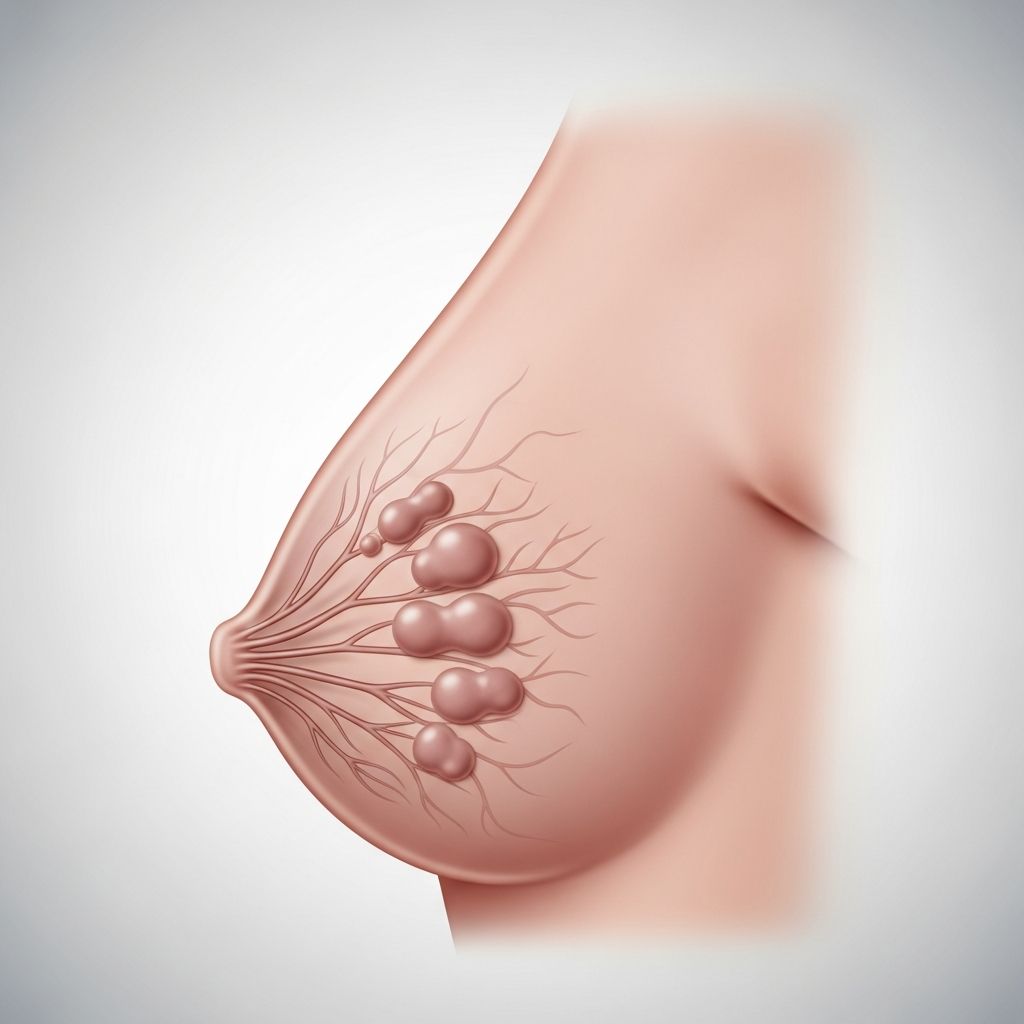
A lump in the breast is a common concern that prompts many people to seek medical advice. While most breast lumps—around 80% of those biopsied—are benign (non-cancerous), any new lump warrants prompt evaluation by a healthcare provider to rule out serious conditions like breast cancer. Understanding the potential causes can help alleviate anxiety while emphasizing the importance of professional assessment.
What Does a Breast Lump Feel Like?
Breast lumps vary widely in texture, size, and mobility. Benign lumps are often soft, round, movable, and may change with the menstrual cycle, becoming tender before periods. Cancerous lumps tend to feel hard, irregular, fixed in place, and painless, though not always. Lumps can appear anywhere in the breast tissue, including under the armpit, and may be accompanied by skin changes, nipple discharge, or swelling.
During a breast self-exam, gently palpate the breast in a circular motion from the outer edges inward, checking for any distinct masses different from surrounding tissue. Note changes in size, shape, or tenderness.
Benign Breast Lumps
The majority of breast lumps are non-cancerous. These conditions often resolve on their own or with minimal intervention.
Fibrocystic Changes
Fibrocystic changes, affecting 50-60% of women, involve an exaggerated response of breast tissue to hormonal fluctuations during ovulation. This leads to fibrous lumps and small cysts—fluid-filled sacs—that feel lumpy or tender, especially pre-menstrually. Common in women aged 20-50, these changes typically diminish after menopause unless hormone therapy is used. Avoiding methylxanthines in caffeine sources like coffee, tea, and chocolate may reduce symptoms for some.
Fibroadenomas
Fibroadenomas are solid, benign tumors of fibrous and glandular tissue, most frequent in women 18-35 and nearly all tumors in those under 25. They are usually smooth, firm, movable, and painless, though slight tenderness may occur before menstruation. These do not increase cancer risk and often require no treatment unless growing or causing discomfort.
Breast Cysts
Simple cysts are fluid-filled sacs that feel soft and movable. They are common in premenopausal women and may fluctuate with hormones. Aspiration (draining fluid) can relieve them if symptomatic. Complex cysts need further evaluation via ultrasound.
Breast Infections (Mastitis or Abscess)
Infections cause rapid onset of painful, red, swollen lumps, common in lactating individuals but possible otherwise. Mastitis involves inflammation; untreated, it can form an abscess requiring drainage and antibiotics.
Intraductal Papilloma
These small, wart-like growths in milk ducts near the nipple often cause bloody or clear discharge alongside a palpable lump. Benign but may need excision to prevent complications.
Fat Necrosis and Breast Injury
Trauma, surgery, or radiation can lead to fat necrosis, forming firm lumps that mimic cancer. They may cause skin dimpling or bruising but resolve over time.
Other Benign Causes
- Sebaceous cysts: Blocked oil glands forming small, movable lumps on the skin surface.
- Lipomas: Soft, fatty tumors under the skin, harmless and slow-growing.
- Granular cell tumors: Rare, benign growths feeling firm.
Cancerous Breast Lumps
Though less common, malignant lumps demand immediate attention. They often present as single, hard, irregular masses, frequently painless, in the upper outer quadrant extending to the armpit. Early detection via screening improves outcomes significantly.
Related Stories



Signs of Cancerous Lumps
Red flags include:
- Hard, immovable lump different from surrounding tissue.
- Skin changes: dimpling, puckering, redness, or orange-peel texture.
- Nipple inversion, scaling, or discharge (especially bloody).
- Breast size/shape changes or persistent swelling.
- Lymph node enlargement under the arm.
Types of Breast Cancer Presenting as Lumps
Most start in milk ducts (invasive ductal carcinoma) or lobules (invasive lobular carcinoma). Risk factors include age, dense breasts, BRCA mutations, family history, and hormonal influences.
Other Causes of Breast Lumps
Beyond benign and malignant, lumps may stem from:
- Hormonal changes: Pregnancy, puberty, menopause, or hormone therapy causing temporary swelling.
- Medications: Hormone therapies or certain drugs inducing cysts.
- Male breast lumps: Gynecomastia from hormonal imbalance or rarely cancer.
When to See a Doctor
Consult a provider for any new lump, change in existing lump, or concerning symptoms, regardless of pain. Early evaluation via clinical exam, mammogram, ultrasound, or biopsy is crucial. Do not delay—treatment success is highest when cancer is localized.
Diagnosis of Breast Lumps
Evaluation includes:
| Method | Purpose |
|---|---|
| Clinical breast exam | Assess lump characteristics |
| Mammogram | Imaging for density and calcifications |
| Ultrasound | Differentiate solid vs. cystic |
| Biopsy | Definitive tissue analysis |
| MRI | For high-risk or dense breasts |
Most biopsies confirm benign findings.
Breast Self-Exam and Screening
Monthly self-exams post-menstruation aid awareness. Annual mammograms start at age 40 (or earlier for high-risk), per guidelines. Dense breasts may need supplemental ultrasound.
Treatment for Breast Lumps
Benign lumps often need no treatment; observation or drainage suffices. Cancer treatment involves surgery, radiation, chemotherapy, hormone therapy, or targeted drugs based on stage.
Frequently Asked Questions (FAQs)
Are most breast lumps cancerous?
No, 80-90% are benign.
Do breast lumps always hurt?
No, cancerous ones are often painless; benign may be tender.
Can men get breast lumps?
Yes, though rare; evaluation is essential.
Do fibrocystic changes increase cancer risk?
Generally no, but monitoring is advised.
What if a lump appears during breastfeeding?
Could be engorgement or infection; see a doctor if persistent.
This comprehensive guide underscores that while breast lumps are frequently harmless, vigilance and timely medical consultation are key to health. Regular screenings save lives.
References
- Different Kinds of Breast Lumps — Stony Brook Cancer Center. Accessed 2026. https://cancer.stonybrookmedicine.edu/breast-cancer-team/patients/bse/breastlumps
- Breast Lumps: Types, Benign, Moveable, Causes & Diagnosis — Cleveland Clinic. Accessed 2026. https://my.clevelandclinic.org/health/symptoms/6906-breast-lumps
- Breast cancer – Symptoms and causes — Mayo Clinic. Accessed 2026. https://www.mayoclinic.org/diseases-conditions/breast-cancer/symptoms-causes/syc-20352470
- Warning Signs of Breast Cancer — Susan G. Komen. Accessed 2026. https://www.komen.org/breast-cancer/signs-symptoms/warning-signs/
Similar Articles








Read full bio of Sneha Tete