Lung Biopsy: What to Expect and Why It’s Done
Learn about lung biopsy procedures, risks, recovery, and what to expect before, during, and after.
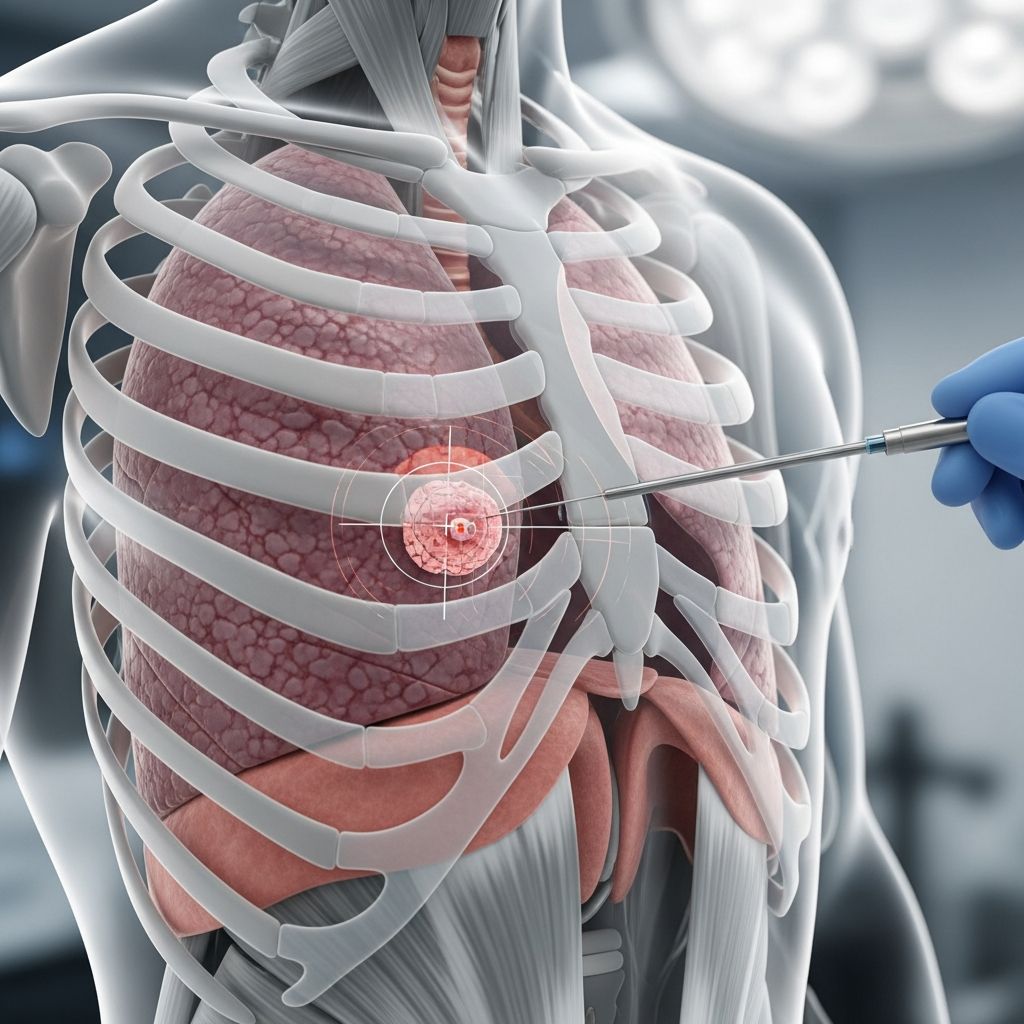
What Is a Lung Biopsy?
A lung biopsy is a medical procedure in which a small sample of lung tissue is removed and examined under a microscope. This procedure is essential for diagnosing lung diseases, including lung cancer, infections, and other conditions that affect the lungs. By analyzing the tissue sample, doctors can determine the exact nature of the disease and recommend the most appropriate treatment plan.
Why Is a Lung Biopsy Done?
Lung biopsies are performed for several reasons:
- To diagnose lung cancer or other lung diseases.
- To determine the type and stage of lung cancer.
- To identify infections or inflammatory conditions in the lungs.
- To evaluate the effectiveness of previous treatments.
- To guide further treatment decisions.
Types of Lung Biopsies
There are several types of lung biopsies, each suited for different situations:
Needle Biopsy (Transthoracic or Percutaneous)
A needle biopsy is a minimally invasive procedure where a thin needle is inserted through the skin on the chest to reach the lung. The procedure is guided by imaging techniques such as CT scans to ensure accuracy. This type of biopsy is often used when the suspicious area is accessible from the outside of the chest.
Thoracoscopic Biopsy (Video-Assisted Thoracic Surgery)
A thoracoscopic biopsy is a more invasive procedure performed under general anesthesia. A surgeon inserts a thin tube with a tiny camera (endoscope) through the chest wall to view the lungs and take tissue samples. This method is used when the tumor is difficult to access or when a larger tissue sample is needed.
Open Lung Biopsy
An open lung biopsy is a surgical procedure where the surgeon makes incisions along the chest to directly examine the lungs and remove a piece of tissue. This is typically done when other biopsy methods are not feasible or when a larger tissue sample is required. Patients usually need to stay in the hospital for recovery.
Mediastinoscopy
Mediastinoscopy involves sampling lymph nodes in the chest, specifically those behind the breastbone (mediastinum). This procedure is usually done under general anesthesia and may require a hospital stay. It is used to determine if cancer has spread to the lymph nodes.
Flexible Bronchoscopy with Biopsy
Flexible bronchoscopy is a procedure where a thin, flexible tube with a camera is inserted through the nose or mouth into the airways. Biopsy tools can be passed through the tube to collect tissue samples. This method is often used for lesions in the central airways.
Preparation for a Lung Biopsy
Preparation for a lung biopsy depends on the type of procedure:
Related Stories



- Follow your doctor’s instructions regarding fasting or avoiding specific medications before the procedure.
- Inform your doctor if you are pregnant, have any allergies, or are taking any medications.
- Undergo a history and physical exam to ensure you are in good health before the biopsy.
- Sign a consent form after the procedure is explained to you.
What Happens During a Lung Biopsy?
The details of the procedure depend on the type of biopsy:
- Needle Biopsy: The area is numbed with local anesthesia. The doctor uses imaging guidance to insert the needle and collect the tissue sample. The procedure is usually quick and can be done on an outpatient basis.
- Thoracoscopic Biopsy: You will receive general anesthesia. The surgeon makes small incisions and inserts the endoscope to view and sample the lung tissue. The procedure may require a short hospital stay.
- Open Lung Biopsy: General anesthesia is used. The surgeon makes larger incisions to access the lungs and remove a tissue sample. This is a more involved procedure with a longer recovery time.
- Mediastinoscopy: General anesthesia is used. The surgeon makes a small incision at the base of the neck and inserts a scope to sample lymph nodes. A hospital stay may be required.
- Flexible Bronchoscopy: Conscious sedation is usually given. The bronchoscope is inserted through the nose or mouth, and biopsy tools are used to collect tissue samples. The procedure is typically done on an outpatient basis.
Risks and Complications
Like any medical procedure, lung biopsies carry some risks:
- Bleeding
- Infection
- Pneumothorax (collapsed lung)
- Pain or discomfort at the biopsy site
- Reaction to anesthesia
- Complications from sedation
Most complications are mild and resolve on their own, but severe complications can occur and may require hospitalization.
Recovery After a Lung Biopsy
Recovery time depends on the type of biopsy:
- Outpatient procedures like needle biopsy and flexible bronchoscopy usually have a shorter recovery time. Most people can return home the same day.
- More invasive procedures like thoracoscopic biopsy, open lung biopsy, and mediastinoscopy may require a hospital stay and a longer recovery period.
- Follow your doctor’s instructions for care at home, including wound care, activity restrictions, and medication use.
- Watch for signs of complications such as fever, severe pain, or difficulty breathing, and contact your doctor if they occur.
What to Expect After the Procedure
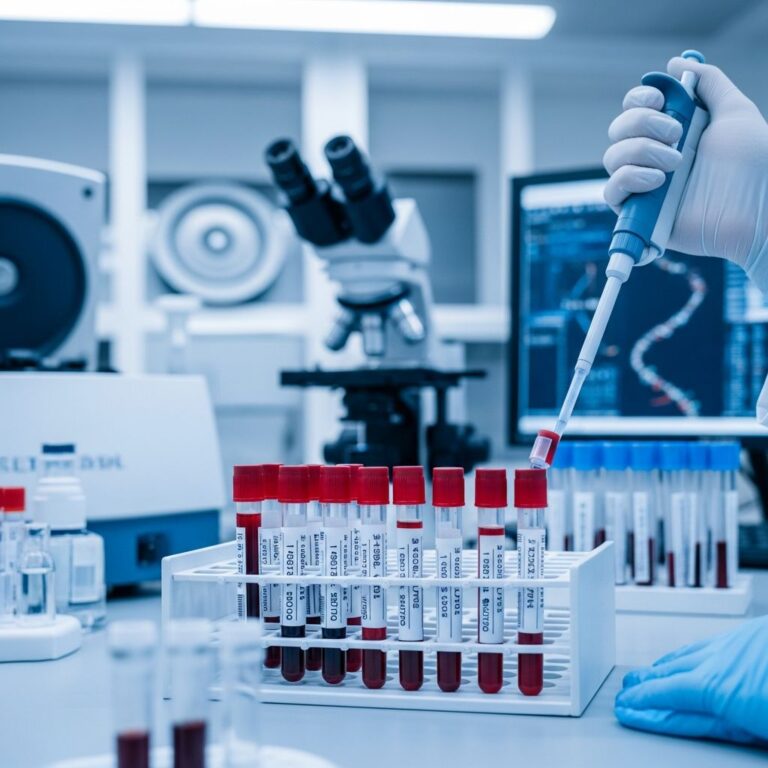
After the biopsy, the tissue sample is sent to a laboratory for analysis. The results can take several days to a week. Your doctor will discuss the results with you and recommend the next steps in your treatment plan.
Frequently Asked Questions (FAQs)
Will a lung biopsy hurt?
Most lung biopsies are performed with local anesthesia or sedation, so you should not feel pain during the procedure. Some discomfort or soreness may occur afterward, but this is usually mild and can be managed with pain medication.
How long does it take to recover from a lung biopsy?
Recovery time varies depending on the type of biopsy. Outpatient procedures may have a recovery time of a few days, while more invasive procedures may require several weeks.
What are the risks of a lung biopsy?
The main risks include bleeding, infection, pneumothorax, and complications from anesthesia. Most complications are mild, but severe complications can occur.
Can a lung biopsy diagnose lung cancer?
Yes, a lung biopsy is one of the most reliable ways to diagnose lung cancer. The tissue sample is examined under a microscope to look for cancer cells.
What happens if the biopsy results are negative?
If the biopsy results are negative, it means no cancer or other disease was found. Your doctor may recommend further tests or monitoring depending on your symptoms and medical history.
References
References
- Lung Biopsy for Lung Cancer: What To Expect — MyLungCancerTeam. 2023. https://www.mylungcancerteam.com/resources/lung-biopsy-for-lung-cancer-what-to-expect
- Practice and complications of flexible bronchoscopy with biopsy — Journal of Bronchology. 2005. https://pure.johnshopkins.edu/en/publications/practice-and-complications-of-flexible-bronchoscopy-with-biopsy-p-3/
- The Latest on Lung Cancer Screening & Survivorship — Johns Hopkins Medicine. 2023. https://www.youtube.com/watch?v=nkJuYpvluLs
Similar Articles








Read full bio of Sneha Tete