Lung Cancer: Essential Guide to Symptoms, Causes, and Treatment
Comprehensive guide to lung cancer: symptoms, causes, diagnosis, treatment options, and prevention strategies for better outcomes.
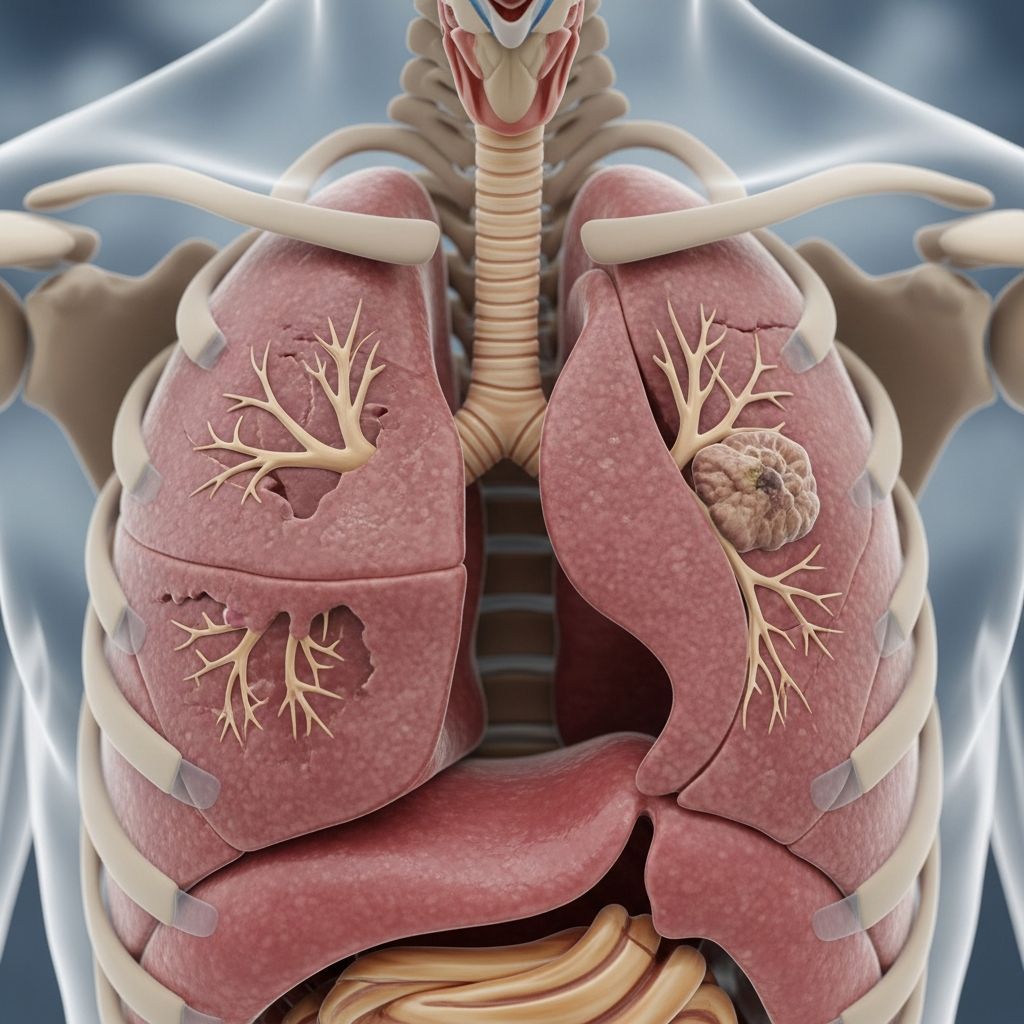
Lung cancer remains one of the most common and deadliest cancers worldwide, claiming more lives than breast, prostate, and colorectal cancers combined. According to the American Cancer Society, it is the second most diagnosed cancer in both men and women in the United States, with over 238,000 new cases expected in 2023 alone. Despite advances in treatment, early detection is crucial because lung cancer often develops silently until it reaches advanced stages. This comprehensive overview explores the types, symptoms, risk factors, diagnosis, treatment options, and prevention strategies for lung cancer.
What Is Lung Cancer?
Lung cancer originates in the lungs, specifically in the cells lining the bronchi or alveoli. It occurs when cells grow uncontrollably, forming tumors that can invade nearby tissues and metastasize to other parts of the body. There are two primary types: non-small cell lung cancer (NSCLC), which accounts for about 80-85% of cases, and small cell lung cancer (SCLC), which is more aggressive and comprises 10-15% of cases. NSCLC includes subtypes like adenocarcinoma, squamous cell carcinoma, and large cell carcinoma, each with distinct characteristics and treatments.
The lungs are vital organs responsible for oxygen exchange. Cancer disrupts this process, leading to respiratory issues and systemic effects. While smoking is the leading cause, non-smokers can also develop lung cancer, particularly adenocarcinoma, which is more common in never-smokers.
Symptoms of Lung Cancer
Lung cancer symptoms often appear late, which complicates early diagnosis. Common signs include:
- Persistent cough that worsens over time
- Coughing up blood or rust-colored sputum
- Chest pain that intensifies with deep breathing, coughing, or laughing
- Shortness of breath or wheezing
- Unexplained weight loss and fatigue
- Recurring infections like bronchitis or pneumonia
Advanced stages may cause hoarseness, bone pain, headaches, or swelling in the face/neck due to superior vena cava syndrome. Symptoms in non-smokers might be subtler, like fatigue or shoulder pain. If you experience any persistent respiratory symptoms, especially with risk factors, consult a healthcare provider immediately.
Risk Factors and Causes
The primary cause of lung cancer is tobacco smoke, responsible for 80-90% of cases. Smoking cigarettes, cigars, or pipes introduces carcinogens like tar and benzene that damage lung cell DNA. Even secondhand smoke increases risk by 20-30%. Radon gas, a naturally occurring radioactive element, is the second leading cause, linked to 21,000 U.S. deaths annually per the EPA.
Other risk factors include:
- Occupational exposures: Asbestos, arsenic, chromium, and diesel exhaust in industries like mining and construction.
- Air pollution: Fine particulate matter associated with 250,000 global deaths yearly (WHO).
- Genetics: Family history or inherited mutations like EGFR or ALK genes.
- Previous radiation therapy: To the chest for other cancers.
- Chronic lung diseases: COPD or pulmonary fibrosis.
Recent studies highlight rising cases among never-smokers, possibly due to genetic predispositions and environmental factors.
How Is Lung Cancer Diagnosed?
Diagnosis begins with a thorough medical history and physical exam. Imaging tests like low-dose CT scans are gold standard for screening high-risk individuals (ages 50-80 with 20-pack-year smoking history). Chest X-rays, MRIs, or PET scans detect tumors and spread.
Related Stories



Confirmatory biopsy via bronchoscopy, needle biopsy, or surgery examines tissue under a microscope. Molecular testing identifies actionable mutations (e.g., EGFR, KRAS) guiding targeted therapies. Sputum cytology analyzes coughed-up cells for cancer.
| Test | Purpose | Accuracy |
|---|---|---|
| Low-dose CT | Screening | Reduces mortality by 20% (NLST trial) |
| Biopsy | Confirmation | Definitive diagnosis |
| PET-CT | Staging | High sensitivity for metastasis |
Lung Cancer Stages
Staging determines treatment and prognosis using the TNM system (Tumor size, Node involvement, Metastasis):
- Stage 0: Carcinoma in situ, confined to top lung layer.
- Stage I: Small tumor, no lymph node spread.
- Stage II: Larger tumor or limited node involvement.
- Stage III: Extensive local spread to lymph nodes or nearby structures.
- Stage IV: Distant metastasis (e.g., brain, bones, liver).
Early-stage (I-II) NSCLC has 60-90% 5-year survival; stage IV drops to 6%.
Lung Cancer Treatment Options
Treatment depends on type, stage, and patient health. Options include:
Surgery
Lobectomy (removing a lobe), pneumonectomy (entire lung), or segmentectomy for early-stage NSCLC. Robotic-assisted surgery improves recovery.
Radiation Therapy
Stereotactic body radiotherapy (SBRT) for inoperable tumors delivers precise high doses, achieving 90% local control.
Chemotherapy
Drugs like cisplatin target fast-growing cells; used neoadjuvant, adjuvant, or palliative.
Targeted Therapy
Drugs like osimertinib for EGFR mutations or alectinib for ALK fusions offer better outcomes with fewer side effects.
Immunotherapy
Checkpoint inhibitors (pembrolizumab) boost immune response; FDA-approved for advanced NSCLC, doubling response rates in PD-L1 positive cases.
Palliative Care
Manages symptoms like pain and breathlessness, improving quality of life.
Multidisciplinary teams at cancer centers coordinate care for optimal results.
Lung Cancer Prognosis and Survival Rates
Overall 5-year survival is 25%, but varies by stage and type. NSCLC stage I: 92%; SCLC limited stage: 30%. Advances in immunotherapy and targeted therapy have improved stage IV survival from 6% to 15-20% since 2015. Quitting smoking post-diagnosis boosts survival by 30-50%.
Prevention and Screening
Prevention focuses on tobacco cessation (cuts risk by 50% after 10 years). Test homes for radon and avoid carcinogens. USPSTF recommends annual low-dose CT screening for high-risk adults, reducing mortality by 20% per the National Lung Screening Trial.
Lifestyle measures: healthy diet rich in fruits/vegetables, exercise, and limiting alcohol support lung health.
Living with Lung Cancer
Support groups, counseling, and palliative care address emotional and physical challenges. Clinical trials offer access to cutting-edge treatments via NCI’s database.
Frequently Asked Questions (FAQs)
Can lung cancer be cured?
Yes, early-stage lung cancer is often curable with surgery. Advanced stages focus on control and extended survival.
Is lung cancer hereditary?
Not directly, but 8% of cases have genetic links. Family history warrants screening.
How effective is lung cancer screening?
Low-dose CT reduces mortality by 20% in high-risk groups.
Does vaping cause lung cancer?
Evidence is emerging; it contains carcinogens and is not safe, per CDC.
What are the latest lung cancer treatments?
Immunotherapies and targeted drugs like Keytruda and Tagrisso show promising results.
References
- Cancer Facts & Figures 2023 — American Cancer Society. 2023-01-25. https://www.cancer.org/research/cancer-facts-statistics/all-cancers.html
- Lung Cancer Screening Guidelines — U.S. Preventive Services Task Force. 2021-03-09. https://www.uspreventiveservicestaskforce.org/uspstf/recommendation/lung-cancer-screening
- Radon Health Risks — U.S. Environmental Protection Agency. 2024-02-14. https://www.epa.gov/radon/health-risk-radon
- WHO Fact Sheet on Lung Cancer — World Health Organization. 2024-10-01. https://www.who.int/news-room/fact-sheets/detail/lung-cancer
- National Lung Screening Trial Research — National Cancer Institute. 2022-07-12. https://www.cancer.gov/types/lung/research/nlst-results
- PDQ Lung Cancer Treatment — National Cancer Institute. 2025-12-20. https://www.cancer.gov/types/lung/hp/non-small-cell-lung-treatment-pdq
Similar Articles








Read full bio of medha deb