Lung Cancer Treatment Options: Comprehensive Guide
Explore comprehensive lung cancer treatments from surgery and chemotherapy to innovative immunotherapies and targeted therapies for better outcomes.
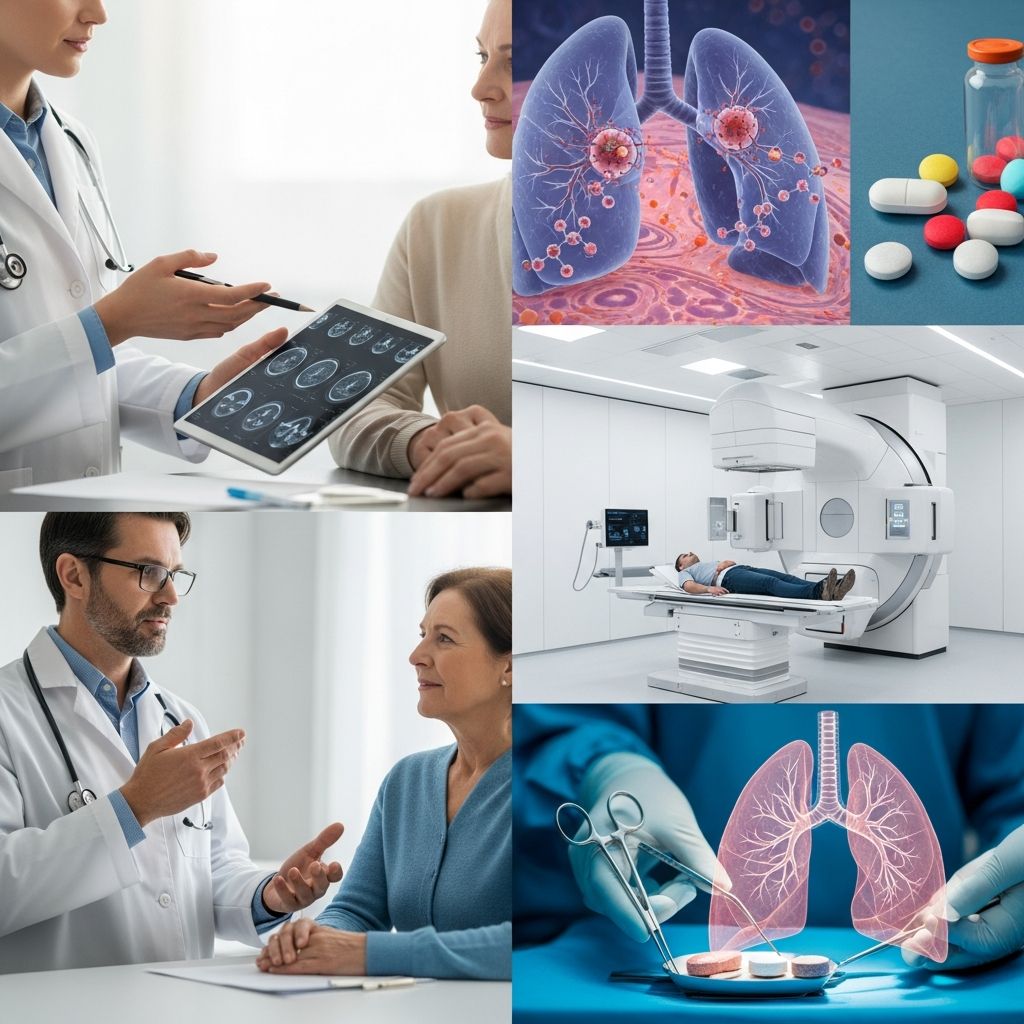
Lung cancer treatment has advanced significantly, offering hope through a range of options tailored to the cancer type, stage, and patient health. Standard protocols include surgery, chemotherapy, radiation, and targeted therapies, while innovative methods like immunotherapy and dendritic cell therapy improve outcomes for advanced cases.
What Is Lung Cancer?
Lung cancer originates in the lungs and is the leading cause of cancer deaths worldwide. It is broadly classified into two main types: non-small cell lung cancer (NSCLC), which accounts for about 85% of cases and includes subtypes like adenocarcinoma, squamous cell carcinoma, and large cell carcinoma, and small cell lung cancer (SCLC), a more aggressive form that spreads quickly.
NSCLC grows and spreads more slowly than SCLC, allowing for potentially curative treatments in early stages. Risk factors include smoking, secondhand smoke, radon exposure, and genetic predispositions. Early detection through low-dose CT screening for high-risk individuals aged 50-80 with heavy smoking history can triple survival chances with high quality of life.
Lung Cancer Symptoms
Symptoms often appear vaguely, delaying diagnosis. Common signs include:
- Persistent cough or coughing up blood
- Chest pain that worsens with breathing or laughing
- Shortness of breath or wheezing
- Unexplained weight loss and fatigue
- Hoarseness or recurrent infections like bronchitis
These symptoms warrant immediate medical attention, as early intervention dramatically improves prognosis.
How Is Lung Cancer Diagnosed?
Diagnosis begins with a physical exam and health history review. Imaging tests follow:
- Chest X-ray: Initial screen for abnormal growths.
- CT scan: Detailed cross-sectional images to detect small tumors.
- PET scan: Assesses spread beyond lungs using radioactive tracers.
- MRI or bone scan: Checks for metastasis to brain or bones.
Sputum cytology examines coughed-up mucus for cancer cells. A biopsy, via bronchoscopy or needle, confirms cancer and identifies type, stage, and biomarkers for personalized treatment. Genetic testing for mutations like EGFR, ALK, or ROS1 guides targeted therapies.
Lung Cancer Stages
Staging determines treatment and prognosis. NSCLC uses TNM system (Tumor size, Node involvement, Metastasis):
- Stage 0: Cancer in situ, highly curable.
- Stage I: Small tumor, no lymph node spread.
- Stage II: Larger tumor or limited node involvement.
- Stage III: Regional spread to lymph nodes or nearby structures.
- Stage IV: Distant metastasis.
SCLC is staged as limited (one lung/nearby nodes) or extensive (widespread). Staging influences whether curative surgery is possible or if systemic therapies are needed.
Lung Cancer Treatment by Stage
Treatments are stage-specific for optimal results.
Early-Stage Lung Cancer (Stages I-II)
For
Stage I NSCLC
, video-assisted thoracoscopic surgery (VATS) lobectomy is preferred, removing the tumor lobe with minimal invasion. Radiation may follow if surgery isn’t feasible.Stage II
often combines surgery with adjuvant chemotherapy to reduce recurrence.Locally Advanced Lung Cancer (Stage III)
Aggressive multimodal therapy includes concurrent chemotherapy and radiation, sometimes with immunotherapy. Surgery may be considered post-treatment shrinkage.
Advanced/Metastatic Lung Cancer (Stage IV)
Focus shifts to control, symptom relief, and survival extension using systemic therapies like targeted drugs, immunotherapy, or chemotherapy. Innovative options like dendritic cell therapy and TACE are common.
Related Stories



Standard Lung Cancer Treatments
Core treatments form the foundation:
- Surgery: Lobectomy, pneumonectomy, or segmentectomy for resectable tumors. VATS and robotic techniques reduce recovery time.
- Chemotherapy: Drugs like cisplatin kill rapidly dividing cells; used neo-adjuvant, adjuvant, or palliative.
- Radiation Therapy: External beam or stereotactic body radiotherapy (SBRT) targets tumors precisely, sparing healthy tissue.
Targeted Therapy and Immunotherapy
Targeted therapy blocks specific mutations (EGFR, ALK, ROS1), offering fewer side effects and prolonged progression-free survival in advanced cases.
Immunotherapy, like PD-1/PD-L1 inhibitors (pembrolizumab), boosts the immune system against cancer. It’s transformative for NSCLC, especially with high PD-L1 expression.
Innovative and Alternative Treatments
Emerging options address limitations of standards:
- Dendritic Cell Therapy: Extracts patient dendritic cells, loads with cancer antigens, and reinfuses to activate immunity. Minimal side effects (flu-like); effective for advanced NSCLC.
- Cryoablation: Freezes tumors, achieving 82-97% progression-free survival at 1-6 months.
- Electrochemotherapy (ECT): Electrical pulses enhance drug delivery; >70% local control, stimulates immunity.
- Transarterial Chemoembolization (TACE): Delivers chemo directly to tumors via arteries; improves survival in non-surgical candidates.
Side Effects of Lung Cancer Treatments
| Treatment | Common Side Effects |
|---|---|
| Chemotherapy | Fatigue, nausea, hair loss, immunosuppression |
| Radiation | Fatigue, skin irritation, cough |
| Immunotherapy | Fatigue, flu-like symptoms |
| Targeted Therapy | Rash, diarrhea (mutation-specific) |
| Dendritic Cell/TACE | Mild flu-like, localized discomfort |
Supportive care manages these effectively.
Palliative and Supportive Care
Aims to relieve symptoms and improve quality of life. Includes pain management, nutritional support, oxygen therapy, and counseling. Integrated early, especially in advanced stages.
Clinical Trials and New Treatments
Trials at centers like Florida Cancer Specialists test targeted therapies and immunotherapies, offering access to cutting-edge options. Participation can improve outcomes.
Prevention and Risk Reduction
Avoid smoking (primary cause), test for radon, use workplace protections, maintain healthy lifestyle. Quitting at any age reduces risk significantly.
Frequently Asked Questions
What is the best treatment for lung cancer?
The optimal treatment depends on stage, type, and health. Early stages favor surgery/radiation; advanced benefit from immunotherapy, targeted therapy, or dendritic cell therapy.
Is lung cancer genetic?
Some inherit mutations increasing susceptibility, especially in nonsmokers. Family history slightly elevates risk; genetic testing advised.
Is lung cancer curable?
Yes, particularly early-stage NSCLC with surgery. Advanced cases focus on management, but new therapies extend survival.
What if lung cancer returns?
Options: second-line chemo, radiation, immunotherapy, trials. Depends on prior treatments.
Side effects of treatments?
Vary: chemo causes nausea/hair loss; immunotherapy mild flu symptoms; managed with supportive care.
References
- Comprehensive Guide to Lung Cancer: Treatment Options — Booking Health. 2024. https://bookinghealth.com/blog/oncology/lung-cancer/732382-comprehensive-guide-to-lung-cancer-treatment-options.html
- Lung Cancer – Summary, Symptoms, Treatments — Florida Cancer Specialists. 2024. https://flcancer.com/articles/lung-cancer-summary-symptoms-treatments/
- Recent advancements in lung cancer research: a narrative review — PMC (PubMed Central). 2024. https://pmc.ncbi.nlm.nih.gov/articles/PMC12000946/
Similar Articles








Read full bio of Sneha Tete