Lung Disease: Types, Causes, Symptoms & Treatments
Comprehensive guide to understanding lung diseases, their causes, symptoms, and modern treatment options.
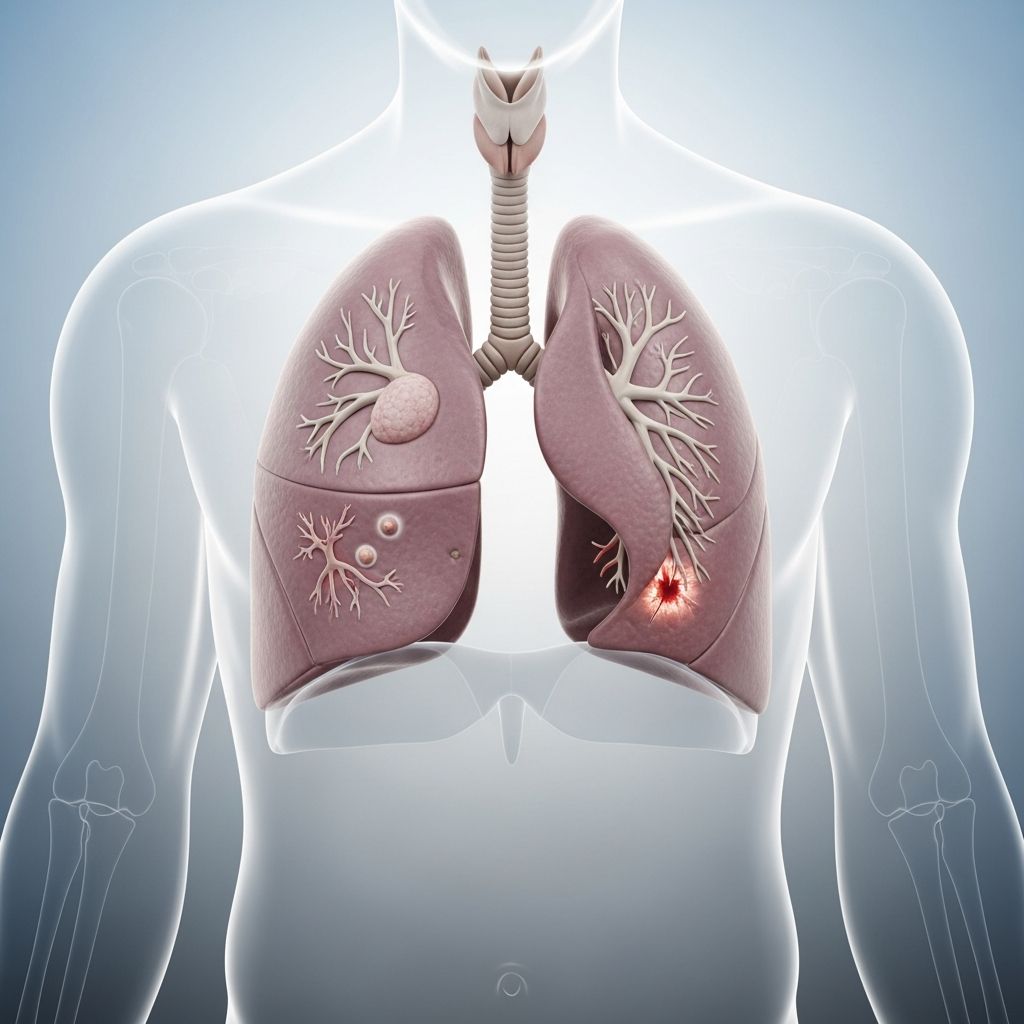
Lung disease represents a broad category of health conditions that affect your airways—the tubes leading into your lungs—or the tissue that comprises your lungs themselves. These conditions range from acute infections that can be treated and resolved to chronic long-term diseases that require ongoing management. Understanding lung disease is crucial for early detection, appropriate treatment, and improved quality of life. Whether you experience occasional shortness of breath or chronic respiratory symptoms, learning about lung diseases can help you make informed decisions about your health.
What Is Lung Disease?
Lung disease is a general term for health conditions that impact your respiratory system’s ability to function properly. Your lungs are responsible for oxygen exchange—taking oxygen from the air you breathe and transferring it to your bloodstream while removing carbon dioxide waste. When disease affects this process, it can result in reduced oxygen levels, difficulty breathing, and other complications affecting your overall health and quality of life.
The respiratory system includes your airways (trachea, bronchi, and bronchioles), lung tissue (alveoli), and supporting structures. Disease can affect any of these components, leading to various symptoms and requiring different treatment approaches.
Common Types of Lung Disease
Numerous conditions fall under the umbrella of lung disease. Some of the most prevalent include:
Asthma
Asthma is a chronic inflammatory condition of the airways characterized by airway narrowing, inflammation, and increased mucus production. People with asthma experience symptoms including wheezing, shortness of breath, chest tightness, and coughing, particularly at night or during physical activity. Asthma can be triggered by allergens, exercise, cold air, or respiratory infections.
Chronic Obstructive Pulmonary Disease (COPD)
COPD encompasses progressive lung diseases, primarily emphysema and chronic bronchitis, characterized by persistent airflow obstruction. Smoking is the leading cause, though environmental exposures and genetic factors can contribute. COPD causes progressive shortness of breath, chronic cough, and increased mucus production, significantly impacting daily activities and quality of life.
Pulmonary Fibrosis
Pulmonary fibrosis involves scarring of lung tissue that makes breathing progressively more difficult. Idiopathic pulmonary fibrosis (IPF) occurs without a known cause, while other types result from specific exposures or connective tissue diseases. This condition leads to stiffened lungs, reduced oxygen transfer, and progressive respiratory decline.
Pneumonia
Pneumonia is an infection causing inflammation in the air sacs (alveoli) of the lungs, which fill with fluid or pus. While some cases resolve with treatment, severe pneumonia can be life-threatening. Symptoms include cough, fever, and difficulty breathing, with varying severity depending on the causative organism and patient factors.
Lung Cancer
Lung cancer develops when malignant cells grow in lung tissue. It represents one of the most serious lung diseases and can originate in the lungs or spread from other organs. Symptoms may include persistent cough, chest pain, hemoptysis (coughing blood), and shortness of breath.
Other Important Lung Diseases
Related Stories



Additional conditions include cystic fibrosis (a genetic disorder affecting mucus production), pulmonary hypertension (elevated blood pressure in lung blood vessels), pulmonary embolism (blood clot in lung vessels), interstitial lung diseases, sarcoidosis, and various occupational lung diseases from environmental exposures.
Causes and Risk Factors
Lung disease develops through multiple pathways and risk factors:
Smoking
Tobacco smoke is the leading preventable cause of lung disease, contributing to COPD, lung cancer, and accelerating other conditions. Both active smoking and secondhand smoke exposure increase disease risk.
Environmental and Occupational Exposures
Prolonged exposure to asbestos, silica dust, beryllium, air pollution, and other environmental toxins can cause occupational and environmental lung diseases. Workers in construction, mining, manufacturing, and agricultural sectors face elevated exposure risks.
Genetic Factors
Some lung diseases are inherited, such as cystic fibrosis and alpha-1 antitrypsin deficiency. Genetic predisposition increases susceptibility to other conditions like asthma and COPD.
Infections
Respiratory infections, particularly recurring or severe infections, can cause long-term lung damage and increase disease risk.
Autoimmune and Systemic Diseases
Conditions like rheumatoid arthritis, scleroderma, and systemic lupus erythematosus can affect the lungs, causing interstitial lung disease and other pulmonary manifestations.
Recognizing Symptoms
While symptoms vary by disease type and severity, common indicators of lung disease include:
– Shortness of breath, especially during physical activity or at rest- Persistent or chronic cough lasting more than three weeks- Coughing up blood or bloody sputum- Chest pain, particularly when breathing or coughing- Wheezing or abnormal breathing sounds- Fatigue and weakness- Recurrent respiratory infections- Difficulty exercising or reduced exercise tolerance
If you experience any of these symptoms, particularly if they persist or worsen over time, consult your healthcare provider for evaluation. Early detection and treatment significantly improve outcomes and quality of life.
Diagnosis of Lung Disease
Your healthcare provider uses several diagnostic approaches to identify lung disease:
Medical History and Physical Examination
Your provider will ask about symptoms, their duration, family history of lung disease, occupational and environmental exposures, and smoking history. Physical examination may reveal abnormal breath sounds or other clinical indicators.
Pulmonary Function Tests (PFTs)
Spirometry measures how much air your lungs can hold and how quickly you can exhale. These tests assess airflow obstruction, restriction, and overall lung function, providing objective data about respiratory capacity.
Imaging Studies
Chest X-rays provide initial imaging to detect abnormalities like infiltrates, masses, or structural changes. High-resolution computed tomography (HRCT) offers detailed images useful for diagnosing interstitial lung diseases, fibrosis, and other conditions.
Blood Tests
Laboratory tests may assess oxygen and carbon dioxide levels, check for autoimmune markers, genetic mutations, or alpha-1 antitrypsin deficiency, depending on clinical suspicion.
Diffusing Capacity Testing
The diffusing capacity of the lungs for carbon monoxide (DLCO) measures how effectively your lungs transfer oxygen into the bloodstream, particularly useful for detecting interstitial lung disease and early pulmonary fibrosis.
Bronchoscopy
This procedure allows direct visualization of airways and enables tissue sampling for biopsy when necessary, particularly useful for suspected infections, tumors, or difficult-to-diagnose interstitial diseases.
Treatment Options for Lung Disease
Treatment approaches depend on the specific lung disease type, severity, and individual patient factors. Options may include:
Medications
Various medications can manage lung disease symptoms and progression. Bronchodilators relax airway muscles to improve airflow. Inhaled corticosteroids reduce inflammation. Antibiotics treat infections. Long-acting medications provide sustained symptom control, while rescue inhalers address acute symptoms. Specialized medications exist for specific conditions like pulmonary hypertension or idiopathic pulmonary fibrosis.
Oxygen Therapy
When lungs cannot maintain adequate blood oxygen levels, supplemental oxygen improves oxygen saturation. Therapy may be continuous or used during activity and sleep. Healthcare providers assess oxygen requirements through testing and adjust delivery methods accordingly.
Pulmonary Rehabilitation
Comprehensive rehabilitation programs combine exercise training, breathing techniques, nutritional counseling, and patient education. These programs improve exercise capacity, reduce breathlessness, enhance quality of life, and provide psychological support for managing chronic lung disease.
Lifestyle Modifications
Smoking cessation is critical for all smokers with lung disease. Avoiding respiratory irritants and environmental triggers, maintaining good nutrition, staying physically active within limitations, and managing stress all support treatment goals. Vaccination against influenza and pneumococcal disease prevents infections.
Surgical Interventions
For advanced disease, surgical options may include lung volume reduction surgery (removing damaged tissue to improve remaining lung function), lung transplantation (replacing diseased lungs), or other specialized procedures depending on the condition.
Clinical Trials
Access to clinical trials provides opportunities for innovative treatments not yet widely available, particularly for rare or severe lung diseases.
Chronic vs. Acute Lung Diseases
Most lung diseases are chronic (long-term) conditions requiring ongoing management. You may be born with certain conditions like cystic fibrosis or develop them later in life like COPD. However, some lung diseases, particularly infections, are acute and short-term, potentially cured with appropriate treatment. Understanding whether your condition is chronic or acute helps guide treatment expectations and management strategies.
When to Seek Emergency Care
While many lung disease symptoms warrant a provider visit, certain symptoms require immediate emergency care:
– Severe difficulty breathing or inability to catch your breath- Chest pain or pressure- Coughing up large amounts of blood- Severe wheezing unresponsive to rescue medications- Loss of consciousness or confusion- Blue lips or fingernails (cyanosis)
If you experience these symptoms, call emergency services or go to the nearest emergency room immediately.
Prevention Strategies
While you cannot prevent all lung diseases, certain measures reduce risk:
– Avoid smoking and secondhand smoke exposure- Limit air pollution exposure; use air quality monitoring- Wear protective equipment when exposed to occupational hazards- Maintain vaccinations against influenza and pneumococcal disease- Practice good hand hygiene to prevent infections- Exercise regularly to maintain lung function- Maintain healthy weight and nutrition- Seek prompt treatment for respiratory infections
Living with Lung Disease
Managing chronic lung disease requires ongoing medical care, medication adherence, lifestyle adjustments, and emotional support. Working closely with your healthcare team, including pulmonologists, respiratory therapists, and other specialists, optimizes treatment outcomes. Many people with lung disease maintain active, fulfilling lives through appropriate management and support.
Frequently Asked Questions
Q: What is the difference between acute and chronic lung disease?
A: Acute lung diseases develop suddenly and may resolve with treatment, such as infections like pneumonia. Chronic lung diseases develop gradually and persist long-term, requiring ongoing management like asthma or COPD.
Q: Can lung disease be cured?
A: Some lung diseases can be cured, particularly infections. Most chronic lung diseases like COPD and pulmonary fibrosis cannot be cured but can be managed to slow progression and control symptoms.
Q: How is lung disease diagnosed?
A: Diagnosis involves medical history, physical examination, pulmonary function tests, imaging studies (X-rays or CT scans), blood tests, and sometimes bronchoscopy with tissue biopsy.
Q: Is lung disease hereditary?
A: Some lung diseases like cystic fibrosis are inherited. Others have genetic predisposition (increased susceptibility) but require environmental triggers. Most result from a combination of genetic and environmental factors.
Q: Can non-smokers develop lung disease?
A: Yes. Non-smokers can develop lung disease from genetic factors, occupational exposures, air pollution, infections, autoimmune diseases, or environmental exposures like secondhand smoke and radon.
Q: What should I do if I have symptoms of lung disease?
A: Contact your healthcare provider promptly, especially for persistent cough, shortness of breath, or chest pain. Seek emergency care for severe difficulty breathing, chest pain, or coughing blood.
References
- Lung Disease: Types, Causes, Symptoms & Treatments — Cleveland Clinic. 2024. https://my.clevelandclinic.org/health/diseases/lung-disease
- Interstitial Lung Disease Program Overview — Cleveland Clinic Respiratory Institute. 2024. https://my.clevelandclinic.org/departments/respiratory/depts/interstitial-lung-disease
- Treatment Options for Stable Chronic Obstructive Pulmonary Disease — Cleveland Clinical Journal of Medicine. 2016. https://www.ccjm.org/content/85/2_suppl_1/s28
- Rare Lung Diseases: Types, Causes & Treatment — Cleveland Clinic. 2024. https://my.clevelandclinic.org/health/diseases/21684-rare-lung-diseases
- Respiratory Institute — Cleveland Clinic. 2024. https://my.clevelandclinic.org/departments/respiratory
- Interstitial Lung Disease Treatment — Cleveland Clinic. 2024. https://my.clevelandclinic.org/services/interstitial-lung-disease-treatment
Similar Articles








Read full bio of Sneha Tete