Lung Scan: Purpose, Procedure, and Diagnosis
Comprehensive guide to lung scans: understand CT imaging for detecting lung disease and cancer screening.
Understanding Lung Scans: A Complete Guide to CT Imaging
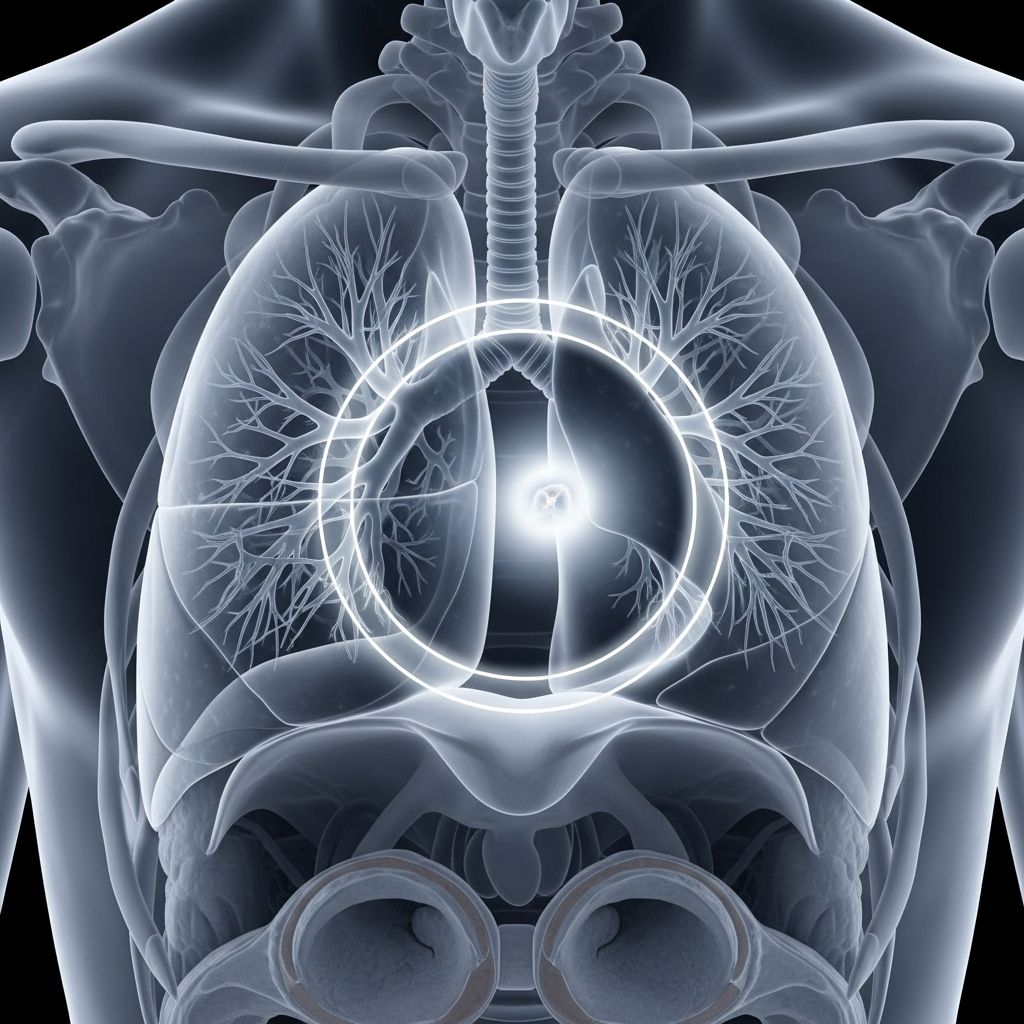
A lung scan is a diagnostic imaging procedure that uses advanced technology to create detailed images of your lungs and chest cavity. This non-invasive test plays a crucial role in detecting various lung conditions, from infections and inflammation to serious diseases like lung cancer. Lung scans are among the most important diagnostic tools in modern medicine, providing physicians with essential information to make accurate diagnoses and treatment decisions.
What is a Lung Scan?
A lung scan typically refers to computed tomography (CT) imaging of the chest, though the term can also include other imaging modalities. The most common type is a low-dose CT scan, which uses X-rays and computer technology to generate cross-sectional images of the lungs. This imaging technique allows radiologists to visualize lung tissue in extraordinary detail, revealing abnormalities that might not be visible on a standard chest X-ray. The procedure is quick, painless, and performs an essential function in modern diagnostic medicine.
Types of Lung Imaging
Several imaging modalities are used to evaluate lung health, each serving specific diagnostic purposes:
Computed Tomography (CT) Scan
CT scans are the gold standard for lung imaging, particularly in cancer screening. High-resolution CT scans provide exceptionally detailed images of lung tissue, making them ideal for detecting small nodules and abnormalities. Low-dose CT scans reduce radiation exposure while maintaining diagnostic accuracy, making them suitable for screening programs.
Chest X-rays
Traditional chest X-rays remain valuable for initial evaluation of lung conditions and detecting larger abnormalities. While less sensitive than CT scans for small lesions, X-rays are quick, cost-effective, and involve minimal radiation exposure.
Magnetic Resonance Imaging (MRI)
MR imaging serves as a problem-solving tool in specific clinical situations, particularly when evaluating chest wall involvement or mediastinal structures. MRI is useful when additional soft tissue characterization is needed beyond what CT can provide.
Purpose and Indications for Lung Scans
Lung scans serve multiple important diagnostic and screening purposes in clinical practice:
Lung Cancer Screening
The National Lung Cancer Screening Trial demonstrated that annual low-dose chest CT scans led to a 20% reduction in lung cancer mortality for heavy smokers compared to annual chest X-rays. Following this pivotal research, the United States Preventive Services Task Force (USPSTF) issued recommendations for annual low-dose CT screening in adults aged 55 to 80 with a 30 pack-year smoking history who currently smoke or have quit within the past 15 years. This screening program represents one of the most significant advances in cancer detection and prevention.
Detection of Nodules and Masses
Lung scans can identify pulmonary nodules, which are small rounded abnormalities in lung tissue. These nodules vary in significance, ranging from benign findings to potentially cancerous lesions. Detection of nodules often triggers surveillance protocols with repeat imaging to monitor changes over time.
Evaluation of Respiratory Symptoms
Patients presenting with persistent cough, dyspnea (shortness of breath), or chest pain may undergo lung scans to identify underlying causes. Imaging can reveal infections, inflammation, or structural abnormalities responsible for symptoms.
Assessment of Known Lung Disease
Lung scans help evaluate and monitor chronic conditions such as chronic obstructive pulmonary disease (COPD), asthma, pulmonary fibrosis, and other interstitial lung diseases.
Related Stories



Staging and Follow-up
For patients with diagnosed lung cancer, imaging determines disease stage and extent of spread, critical information for treatment planning and prognosis assessment.
Preparation for a Lung Scan
Proper preparation ensures the best quality images and smooth procedure experience:
Pre-Procedure Instructions
Patients should inform their healthcare provider about any allergies, particularly to contrast materials if used. Pregnancy or possible pregnancy should be disclosed, as CT imaging involves radiation exposure. Most medications can be continued normally, though specific instructions may apply depending on the type of scan and individual circumstances.
Clothing and Jewelry
Patients typically wear comfortable, loose-fitting clothing and remove all metal objects, including jewelry, eyeglasses, and hair clips, as metal interferes with image quality. Hospital gowns are usually provided for the procedure.
Contrast Material Considerations
Some lung scans require intravenous contrast material to enhance image visibility. Patients with kidney disease or contrast allergies need special precautions and alternative protocols. Fasting is sometimes required before contrast administration.
The Lung Scan Procedure
What to Expect During the Scan
The CT scanner resembles a large doughnut-shaped machine. Patients lie on a motorized table that slides into the center of the scanner. The procedure is entirely painless and non-invasive. During the scan, patients must remain still and follow breathing instructions given by the technologist. Typically, patients are asked to take a deep breath and hold it during image acquisition, which lasts only a few seconds. The entire procedure usually takes 10 to 30 minutes, including preparation time.
Radiation Exposure
Low-dose CT scans used for lung cancer screening deliver minimal radiation—approximately equivalent to three months of natural background radiation. The benefits of early cancer detection generally outweigh the small radiation risks in appropriate screening populations.
Comfort and Support
The scanning environment may feel slightly claustrophobic for some patients. However, the procedure involves no physical pain or discomfort. Patients can communicate with technologists via intercom system throughout the examination. Some facilities offer anxiety management techniques or mild sedation if needed.
Interpreting Lung Scan Results
Reporting Systems
Imaging findings are classified and reported using standardized systems such as the Lung CT Screening Reporting and Data System (LU-RADS) developed by the American College of Radiology. This systematic approach ensures consistent interpretation and communication of findings between radiologists and referring physicians.
Normal Results
Normal lung scans show clear lung tissue without nodules, masses, or other abnormalities. Normal results provide reassurance and typically require only routine follow-up according to screening guidelines.
Abnormal Findings
Detected abnormalities range from benign to concerning findings requiring further investigation. Common findings include pulmonary nodules, ground glass opacities (hazy spots representing areas of increased density), mediastinal lymphadenopathy (enlarged lymph nodes), and other structural variations.
Follow-up Protocols
When concerning findings are identified, structured follow-up protocols guide management decisions. Small nodules typically warrant surveillance imaging at intervals determined by nodule size and characteristics. Larger or suspicious findings may require additional imaging, bronchoscopy with biopsy, or other interventional procedures. Shared decision-making between patients and physicians ensures informed choices about further investigation.
Multi-Disciplinary Approach to Lung Imaging
Modern lung cancer care involves coordinated efforts among multiple specialists. Radiologists interpret imaging, pulmonary physicians manage screening and respiratory concerns, interventional pulmonologists perform diagnostic procedures when needed, thoracic surgeons evaluate surgical options, medical oncologists oversee chemotherapy, and pathologists analyze tissue samples. This collaborative team approach ensures comprehensive evaluation and optimal treatment planning for detected abnormalities.
Risks and Considerations
Radiation Exposure
All CT scans involve ionizing radiation exposure. While low-dose protocols minimize this risk, it remains a consideration, particularly for younger patients who may face decades of cancer risk from radiation exposure.
False Positives
Lung screening can identify benign nodules that may trigger anxiety and require extensive follow-up imaging. The National Lung Screening Trial found that approximately 25% of patients undergoing CT screening had positive findings, though 96.4% of these were benign.
Incidental Findings
Lung scans occasionally reveal unexpected findings unrelated to screening indication, such as thyroid abnormalities or adrenal lesions, which may require further evaluation.
Contrast Reactions
When contrast material is used, allergic reactions rarely occur but can range from mild (itching, mild rash) to severe. Patients with prior contrast reactions should inform their provider before the procedure.
Accessibility and Equity in Lung Cancer Screening
Dedicated tobacco treatment clinics have successfully improved lung cancer screening enrollment and outcomes. These clinics provide evidence-based smoking cessation support while facilitating convenient access to lung imaging on the same day as clinical appointments. By removing barriers such as scheduling challenges and ensuring multidisciplinary coordination, these programs increase screening participation among eligible high-risk populations. Same-day screening services, parking accommodations, and integrated care pathways demonstrate how healthcare systems can promote equitable access to potentially life-saving preventive services.
Advanced Detection Methods
Emerging technologies complement traditional imaging in lung cancer detection. Artificial intelligence algorithms can identify patterns of DNA fragments in blood samples, enabling identification of individuals more likely to have lung cancer. These liquid biopsies represent a simple, inexpensive screening tool potentially performed in office settings, promising to make lung cancer screening more accessible and increase early detection rates. Such innovations aim to democratize cancer screening and enable earlier intervention when treatment is most effective.
Living with Lung Scan Results
For lung cancer survivors and patients with detected abnormalities, follow-up care requires ongoing imaging surveillance. Thoracic surgeons, radiation oncologists, pulmonary physicians, and medical oncologists collaborate to develop personalized treatment plans and monitoring strategies. Patients must understand that lung screening typically involves annual scans as long as they remain in high-risk categories, emphasizing the importance of sustained engagement with healthcare providers and adherence to recommended surveillance protocols.
Frequently Asked Questions
Q: How often should I get lung cancer screening?
A: Current recommendations suggest annual low-dose CT screening for adults aged 55 to 80 with appropriate smoking histories. Individual circumstances may vary, so discuss frequency with your healthcare provider based on your specific risk factors and prior results.
Q: What does a ground glass opacity on my lung scan mean?
A: A ground glass opacity appears as a hazy spot on CT imaging, representing an area of increased lung density. This finding can indicate various conditions from benign inflammation to early cancer. The clinical significance depends on size, characteristics, and changes on follow-up imaging. Your physician will determine appropriate management.
Q: Are lung scans painful?
A: No, lung CT scans are completely painless and non-invasive. You lie still on a table that moves through the scanner while taking breathing instructions. The only discomfort some patients experience is mild anxiety related to the scanner environment.
Q: What happens if my lung scan shows a nodule?
A: Nodule management depends on size and characteristics. Small benign-appearing nodules typically require surveillance imaging at specific intervals to monitor for changes. Larger or suspicious nodules may warrant additional imaging, bronchoscopy, or other interventional procedures. Your physician will discuss options in shared decision-making.
Q: Is radiation from a lung CT scan dangerous?
A: Low-dose CT scans used in screening deliver minimal radiation—approximately equivalent to three months of background radiation exposure. For appropriate screening populations, the cancer detection benefits substantially outweigh the small radiation risks.
Q: Can I use contrast material if I have kidney disease?
A: Patients with kidney disease require special precautions before contrast administration. Inform your healthcare provider about kidney function so appropriate protocols and potentially contrast-free imaging alternatives can be arranged.
References
- An equitable strategy through a tobacco treatment clinic — Johns Hopkins University School of Medicine. 2022. https://pmc.ncbi.nlm.nih.gov/articles/PMC8683889/
- National Lung Screening Trial Research Team. Reduced lung-cancer mortality with low-dose computed tomographic screening — New England Journal of Medicine. 2011. https://pubmed.ncbi.nlm.nih.gov/21714641/
- Artificial Intelligence Blood Test Provides a Reliable Way to Identify Lung Cancer — Johns Hopkins Kimmel Cancer Center. 2023. https://ventures.jhu.edu/news/artificial-intelligence-blood-test-provides-a-reliable-way-to-identify-lung-cancer/
- Current uses of CT and MR imaging in the staging of lung cancer — Johns Hopkins University. https://pure.johnshopkins.edu/en/publications/current-uses-of-ct-and-mr-imaging-in-the-staging-of-lung-cancer/
- Lung Cancer Screening with Low-Dose Computed Tomography — U.S. Preventive Services Task Force. 2021. https://www.uspreventiveservicestaskforce.org/uspsft/recommendation/lung-cancer-screening
- Lung Cancer Statistics — National Cancer Institute. https://www.cancer.gov/types/lung/statistics
Similar Articles








Read full bio of medha deb