Lung Transplant: Process, Eligibility & Recovery
Complete guide to lung transplantation: evaluation, surgery, and post-operative care.
Understanding Lung Transplantation
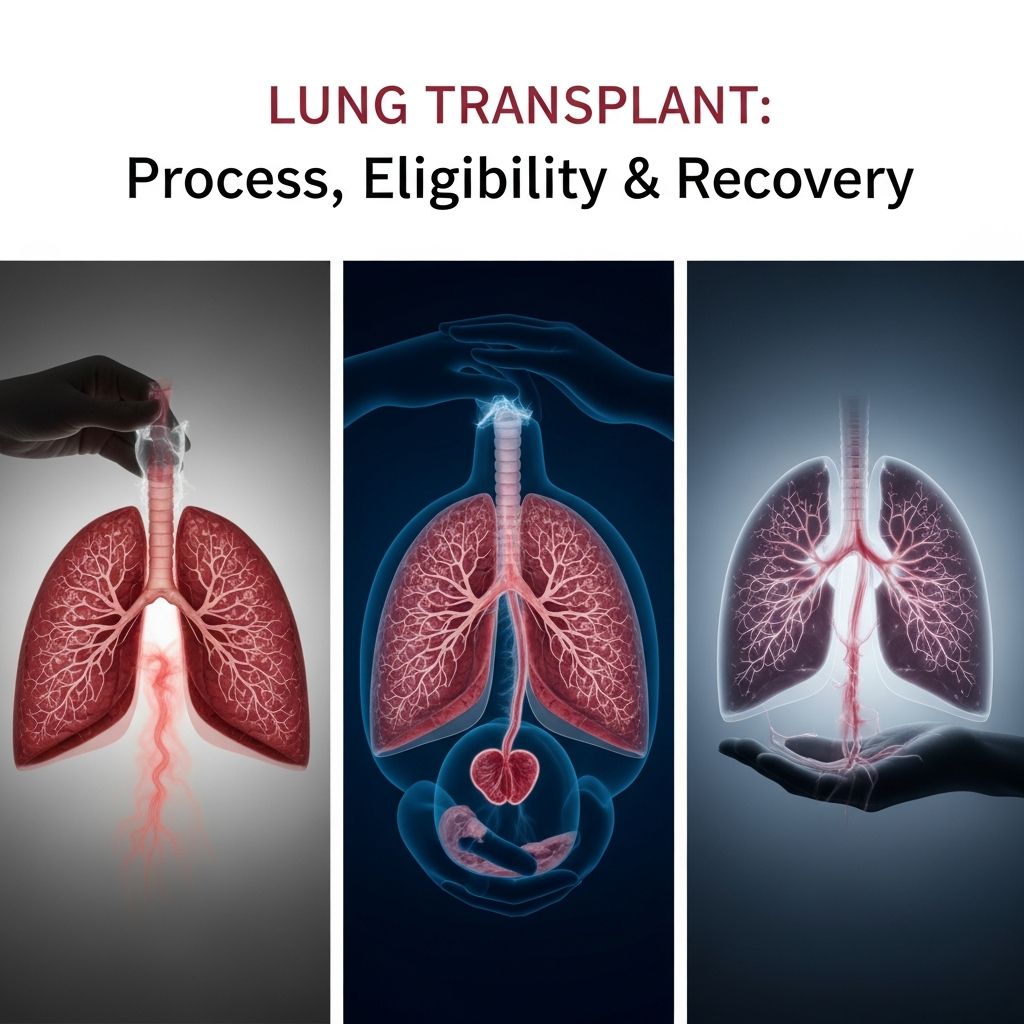
Lung transplantation represents a life-saving treatment option for patients with end-stage lung diseases who have exhausted conventional medical therapies. This surgical procedure involves replacing one or both diseased lungs with healthy lungs from a donor, offering patients with severe respiratory conditions a second chance at improved quality of life and extended survival. Institutions like Johns Hopkins Medicine have established comprehensive lung transplant programs that guide patients through every step of this complex medical journey, from initial evaluation to long-term follow-up care.
The decision to pursue a lung transplant is not made lightly. Patients typically reach this point after years of managing progressive lung disease with medications, pulmonary rehabilitation, and oxygen therapy. When these conventional treatments no longer provide adequate relief or improve lung function, transplantation becomes a viable option worth exploring. Understanding the complete transplant process, including eligibility requirements, evaluation procedures, and what to expect after surgery, helps patients and their families make informed decisions about their healthcare.
Who Is a Candidate for Lung Transplantation?
Determining lung transplant candidacy requires a comprehensive evaluation of multiple factors beyond the severity of lung disease. Candidates must have end-stage lung disease that has not responded adequately to maximal medical therapy. This means patients have typically undergone extensive treatment with medications, oxygen therapy, and pulmonary rehabilitation, yet their condition continues to deteriorate.
The transplant team evaluates candidates using both medical and non-medical factors. Medical considerations include the specific type of lung disease, overall organ function, cardiovascular health, and the ability to tolerate major surgery. Non-medical factors are equally important and include:
- Psychological and emotional readiness for transplantation
- Social support system and family involvement
- Adherence to medical regimens and treatment plans
- Lifestyle factors including smoking history and substance use
- Financial resources and insurance coverage
- Ability to commit to lifelong immunosuppression and follow-up care
Patients must demonstrate the motivation and capacity to comply with the demanding post-transplant lifestyle. This includes taking immunosuppressive medications precisely as prescribed, attending frequent medical appointments, undergoing regular monitoring, and making lifestyle modifications to protect the transplanted lungs.
The Comprehensive Evaluation Process
The lung transplant evaluation at Johns Hopkins follows a structured nine-step process designed to thoroughly assess whether transplantation is the right treatment option. This extensive evaluation ensures that only appropriate candidates proceed to surgery, maximizing the likelihood of successful outcomes.
Step 1: Initial Lab Tests and Screenings
The evaluation begins with comprehensive laboratory testing and medical screenings. Your lung specialist will coordinate initial tests at your local medical facility, which typically include:
- Blood work and urinalysis to assess kidney and liver function
- Heart, lung, and bone imaging studies
- Swallowing tests to ensure adequate nutritional intake post-transplant
- Cardiac and pulmonary function tests to measure current organ capacity
- Blood type and tissue typing for compatibility assessment
- Infectious disease screening
- Cancer screening appropriate to age and history
These initial tests provide baseline health information and identify any conditions that might affect transplant candidacy.
Step 2: Specialized Evaluation at Johns Hopkins
Related Stories



Following initial screening, candidates travel to Johns Hopkins Hospital in Baltimore for two days of comprehensive evaluation by transplant specialists. During this visit, you will undergo additional specialized tests and meet with multiple members of the transplant team, including:
- Transplant pulmonologists specializing in advanced lung disease
- Cardiothoracic surgeons experienced in transplant procedures
- Social workers who assess psychosocial factors
- Nutritionists to optimize dietary status
- Financial advocates to review insurance and coverage
- Psychiatrists when indicated
This multidisciplinary approach ensures a complete assessment from medical, psychological, social, and practical perspectives.
Step 3: Transplant Team Meeting
After completing all initial tests and consultations, the transplant team convenes to review your complete evaluation and make one of three determinations:
- Approved for listing: You are deemed an appropriate candidate for one or two lung transplants and are placed on the waiting list
- Conditional listing: You require additional time, testing, or treatment before the team can make a final decision
- Not approved: The team determines that transplantation is not the right treatment option, and alternative treatments are discussed
If approved, your team will verify insurance coverage and coordinate the logistics for your surgery and follow-up care at Johns Hopkins.
The Waiting List and Receiving the Call
Once approved as a transplant candidate, patients are placed on the United Network for Organ Sharing (UNOS) waiting list maintained by Johns Hopkins Hospital. The average waiting time for a lung transplant at Johns Hopkins is approximately two months, though this can vary based on blood type, tissue type, and geographic factors.
Being on the waiting list requires ongoing commitment to health maintenance. Patients must keep all follow-up appointments, continue current medical treatments, maintain communication with their transplant coordinator, and stay in optimal physical condition. It is crucial to inform your coordinator immediately about any health changes, hospitalizations, or new diagnoses.
When a suitable donor becomes available, your transplant coordinator will contact you and your caregiver with specific instructions about travel to Baltimore and preparation for surgery. This call typically comes with short notice, sometimes requiring travel within hours. The coordinator will ask about your current health status and provide detailed instructions about medications, fasting, and what to bring to the hospital.
The Transplant Surgery
On the day of surgery, you will undergo the transplant procedure in a fully equipped operating room with a highly trained and experienced surgical team. The surgery typically lasts four to eight hours, depending on whether one or both lungs are being transplanted and whether prior chest surgeries complicate the procedure.
During the operation, your surgical team will carefully remove your diseased lungs and implant the donor lungs, connecting them to your pulmonary arteries, bronchi, and veins. Once the new lungs are in place and blood circulation is restored, they should begin functioning immediately. The surgical team will verify that the transplanted lungs are properly positioned and functioning well before closing your chest.
Recovery and Hospitalization
Step 7: Intensive Care Unit Recovery
After surgery, you will spend several days in the Cardiovascular Surgery Intensive Care Unit (CVSICU) for close monitoring and care. For the first 24 to 48 hours post-operatively, you will be connected to a mechanical ventilator (breathing machine) to support your respiratory function while your new lungs begin their critical adaptation period. During this time, nurses and physicians provide around-the-clock monitoring of vital signs, oxygen levels, and organ function.
Step 8: Step-Down Care Unit
Once your condition stabilizes and you are ready to be weaned from mechanical ventilation, you will be transferred to the step-down care unit, also called the Cardiovascular-Pulmonary Care Unit. Here, your medical team will gradually reduce respiratory support while you begin physical therapy and rehabilitation under close supervision. Physical therapists will work with you to regain strength and mobility, which is essential for successful long-term recovery.
Step 9: Discharge to Temporary Housing
When you have recovered sufficiently, typically after 8 to 12 weeks of hospitalization and recovery, you will be discharged to temporary housing arranged with your Johns Hopkins coordinator. Most patients will return home within 10 days of surgery, though some may require an extended hospital stay depending on complications or individual factors. However, many patients choose to remain in the Baltimore area for several additional weeks to be close to Johns Hopkins for frequent follow-up appointments and monitoring.
During this temporary housing period, you will continue intensive outpatient care, including frequent clinic visits, imaging studies, pulmonary function tests, and blood work. Your transplant team will closely monitor your new lungs for signs of rejection or infection, adjust immunosuppressive medications as needed, and provide education about long-term transplant care.
Long-Term Post-Transplant Care
Successful long-term outcomes after lung transplantation require lifelong commitment to medical management. Patients must take immunosuppressive medications exactly as prescribed to prevent rejection of the new lungs. These medications suppress the immune system, allowing the body to accept the donor lungs, but they also increase susceptibility to infections.
Regular follow-up care includes frequent clinic visits in the first months after transplant, gradually decreasing in frequency as time progresses. Ongoing monitoring typically involves:
- Pulmonary function tests to assess lung capacity
- Chest imaging studies to monitor for complications
- Blood tests to assess organ function and medication levels
- Screening for infections and malignancies
- Medication adjustments based on response and side effects
Patients must also maintain vigilance about signs of rejection, infection, or other complications and report them immediately to their transplant team.
Why Choose Johns Hopkins for Lung Transplantation?
Johns Hopkins Medicine maintains one of the nation’s premier lung transplant programs with exceptional outcomes compared to other transplant centers. The program is distinguished by superior patient outcomes, shorter waiting times averaging less than three months, and a shorter average hospitalization stay after transplant. Most Johns Hopkins lung transplant patients return home within 10 days following surgery, reflecting the program’s expertise and efficiency.
The institution’s multidisciplinary team approach ensures comprehensive evaluation and individualized care. Transplant pulmonologists work alongside surgeons, social workers, nutritionists, and other specialists to provide holistic patient support throughout the transplant journey.
Frequently Asked Questions About Lung Transplantation
Q: Am I a lung transplant candidate?
A: Candidacy requires end-stage lung disease unresponsive to maximal medical therapy, adequate overall health to tolerate surgery, psychological readiness, social support, and commitment to lifelong medical management. A comprehensive evaluation by a transplant team determines your specific eligibility.
Q: What are the waiting times for a lung transplant at Johns Hopkins?
A: The average wait time at Johns Hopkins is approximately two months from listing to transplantation, which is shorter than many other transplant centers. However, individual wait times vary based on blood type, tissue compatibility, and organ availability.
Q: How long does the transplant evaluation process take?
A: The complete evaluation process typically takes several weeks to a few months, depending on the need for additional testing or treatments. The process includes local screening, a two-day evaluation in Baltimore, team review, and transplant committee decision-making.
Q: What is the recovery timeline after lung transplantation?
A: Most patients spend 8 to 12 weeks in the immediate post-transplant recovery period. Many return home within 10 days after surgery, with the remainder of recovery occurring at temporary housing near Johns Hopkins or at home with intensive outpatient monitoring.
Q: Will I need to take medications for life after a lung transplant?
A: Yes. Immunosuppressive medications must be taken lifelong to prevent rejection of the transplanted lungs. Additionally, patients typically take medications for blood pressure, infection prevention, and management of other conditions.
Q: What happens if I am not approved for lung transplantation?
A: If the transplant team determines that transplantation is not the right option, they will discuss alternative treatment approaches with you. Your team may recommend continued medical management, participation in clinical trials, or other therapeutic options appropriate to your condition.
Q: Can I be placed back on the waiting list if circumstances improve?
A: Yes. If you are initially deemed not ready or placed on hold for additional treatment or testing, you may be reconsidered and listed when conditions improve and the team believes transplantation is appropriate.
References
- Answers about Lung Transplants — Allegheny Health Network and Johns Hopkins Medicine. 2024. https://www.ahn.org/content/dam/ahn/en/dmxahn/documents/services/ahn-johnshopkins-lung-transplant-answers.pdf
- Lung Transplant Evaluation Process — Johns Hopkins Medicine. October 23, 2024. Official educational video documenting comprehensive transplant evaluation procedures and team composition.
- FAQs: Lung Transplant — Errol L. Bush, M.D., F.A.C.S., Surgical Director, Johns Hopkins Lung Transplant Program. February 26, 2018. https://www.hopkinsmedicine.org/transplant/programs/lung/
- General Overview of Lung Transplantation and Review of Organ Distribution — American Journal of Transplantation, American Thoracic Society. https://www.atsjournals.org/doi/abs/10.1513/pats.200807-072GO
Similar Articles








Read full bio of medha deb