Lupus Butterfly Rash: Causes, Symptoms, And Treatment Guide
Understand the butterfly rash in lupus: causes, symptoms, diagnosis, treatment, and prevention strategies for better management.
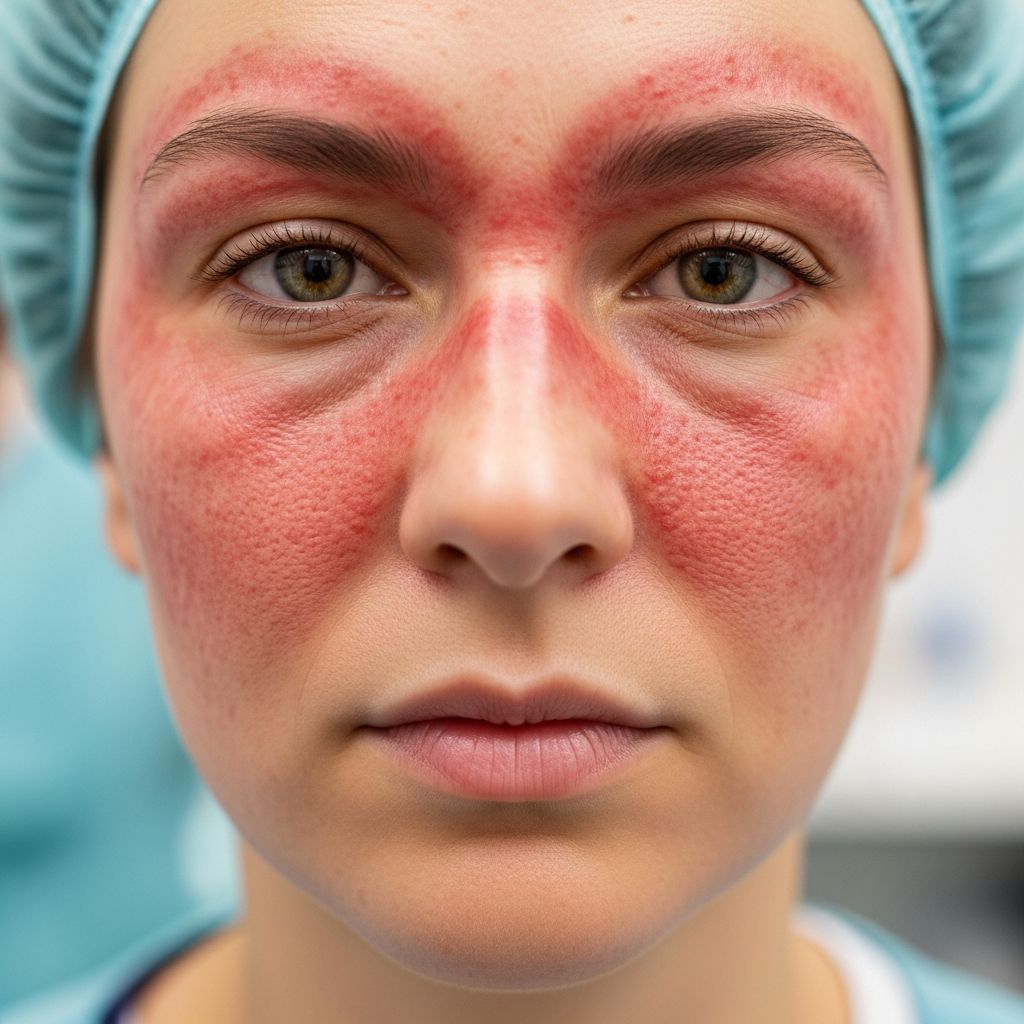
The
lupus butterfly rash
, also known as themalar rash
, is a hallmark skin symptom of systemic lupus erythematosus (SLE), affecting about half of patients. It appears as a red or pink rash across the cheeks and bridge of the nose, resembling butterfly wings, and often spares the nasal folds.What Is the Lupus Butterfly Rash?
The butterfly rash is a key feature of
acute cutaneous lupus erythematosus (ACLE)
, a subtype of cutaneous lupus linked to systemic lupus. This rash spans the face in a distinctive butterfly shape, typically red, raised, or scaly on lighter skin tones, and may appear purple, brown, or black on darker tones. It develops due to autoimmune inflammation where the immune system attacks healthy skin cells, often triggered by sun exposure.Unlike other facial rashes, the malar rash avoids the nasolabial folds (spaces beside the nose). It can signal an impending lupus flare, appearing spontaneously or after UV light exposure, and may itch, burn, or feel tender.
Symptoms of the Butterfly Rash
Symptoms vary by skin tone and lupus activity:
- Appearance: Red, pink, purple, brown, or black discoloration across cheeks and nose bridge; flat, raised, or scaly texture.
- Sensation: Itching, burning, or pain; rarely bullae (blisters) or urticaria (hives).
- Duration: Comes and goes with flares, lasting days to weeks; may leave hyperpigmentation or scarring if chronic.
- Associated signs: Fever, fatigue, joint pain, mouth sores, or hair loss during systemic flares.
On darker skin, the rash may mimic rosacea or appear less vivid, complicating self-diagnosis.
Causes and Triggers of Lupus Butterfly Rash
Lupus is an autoimmune disease where immune cells mistakenly target skin and organs, causing inflammation. In ACLE, UV light from sun or fluorescents triggers immune cells to release inflammatory chemicals, leading to the rash.
Common triggers include:
- Sunlight or artificial UV exposure (photosensitivity affects 60-80% of lupus patients).
- Stress, infections, or hormonal changes.
- Cold temperatures exacerbating vascular patterns like livedo reticularis alongside the rash.
Genetics, environmental factors, and antiphospholipid antibodies may contribute.
Butterfly Rash vs. Other Lupus Rashes
| Rash Type | Description | Location | Triggers |
|---|---|---|---|
| Malar (Butterfly) | Red, raised, butterfly-shaped; spares nasal folds. | Cheeks, nose bridge. | Sun exposure. |
| Discoid (DLE) | Coin-shaped, scaly plaques; scarring, hair loss. | Face, scalp, ears. | Sun; chronic form. |
| Subacute Cutaneous (SCLE) | Annular or papulosquamous lesions; non-scarring. | Trunk, arms (not face). | Sun; ring-like or scaly. |
| Livedo Reticularis | Lacy, violet/red net-like pattern. | Extremities, trunk. | Cold exposure. |
Is It Lupus? Other Causes of Butterfly Rash
Not all butterfly rashes indicate lupus. Differential diagnoses include:
- Rosacea: Persistent redness, pustules; triggered by heat/spice.
- Dermatomyositis: Similar rash with muscle weakness; different immunofluorescence.
- Cellulitis/Erysipelas: Bacterial infections with fever, swelling.
- Pellagra: Niacin deficiency; scaly, photosensitive.
Lupus rash histopathology shows basement membrane deposits of IgG/IgM/C3, distinguishing it from mimics.
Diagnosis of Lupus Butterfly Rash
Diagnosis combines clinical exam, history, and tests:
- Physical exam: Butterfly pattern confirms suspicion.
- ANA test: Positive in 95% of SLE; anti-dsDNA, anti-Smith specific.
- Skin biopsy: Interface dermatitis, immune deposits.
- ACR/EULAR criteria: Rash scores points toward SLE diagnosis.
Dermatologists or rheumatologists evaluate for systemic involvement (joints, kidneys).
Related Stories



Treatments for Lupus Butterfly Rash
Treatment targets inflammation and prevents flares:
- Topicals: Corticosteroid creams (e.g., hydrocortisone) for mild cases; calcineurin inhibitors like tacrolimus.
- Antimalarials: Hydroxychloroquine (first-line, reduces flares by 50%).
- Systemics: Methotrexate, mycophenolate, or biologics (belimumab) for severe/refractory.
- Supportive: Cool compresses, emollients; avoid triggers.
Rashes often improve with systemic lupus control.
Prevention and Lupus Rash Management
Prevent flares with:
- Sun protection: Broad-spectrum SPF 50+, UPF clothing, hats; avoid 10 AM-4 PM sun.
- Lifestyle: Stress reduction, smoking cessation, regular rheumatology follow-up.
- Monitoring: Track rashes as flare signals; notify provider promptly.
Vaccinations and infection avoidance help, as illness triggers rashes.
When to See a Doctor for Butterfly Rash
Seek care if:
- Rash persists >1 week, worsens, or spreads.
- Accompanied by fever, joint pain, fatigue, or organ symptoms.
- First-time rash or changes in known lupus.
Early intervention prevents scarring and systemic damage.
Frequently Asked Questions (FAQs)
Does everyone with lupus get a butterfly rash?
No, only about 40-50% of SLE patients develop it; it’s more common in acute cutaneous lupus.
Can sun exposure cause the butterfly rash?
Yes, UV light is a major trigger due to photosensitivity in lupus skin.
Is the butterfly rash permanent?
No, it typically resolves with treatment but may recur with flares; chronic forms can scar.
How is lupus butterfly rash treated?
Topical steroids, antimalarials like hydroxychloroquine, sun protection, and systemic immunosuppressants as needed.
Can a butterfly rash mean something other than lupus?
Yes, rosacea, dermatomyositis, infections, or deficiencies can mimic it; biopsy confirms.
Does the rash indicate a lupus flare?
Often yes; monitor for other symptoms like fatigue or joint pain.
This comprehensive guide empowers lupus patients to recognize, manage, and prevent the butterfly rash. Consult healthcare providers for personalized advice.
References
- Lupus-Specific Skin Disease and Skin Problems — Johns Hopkins Lupus Center. Accessed 2026. https://www.hopkinslupus.org/lupus-info/lupus-affects-body/skin-lupus/
- Lupus Rash: Types, Causes, Treatment & Prevention — Cleveland Clinic. Accessed 2026. https://my.clevelandclinic.org/health/symptoms/23163-lupus-rash
- What Is a Butterfly Rash (Malar Rash)? — Cleveland Clinic. Accessed 2026. https://my.clevelandclinic.org/health/symptoms/butterfly-rash
- Types of Cutaneous Lupus — NYU Langone Health. Accessed 2026. https://nyulangone.org/conditions/cutaneous-lupus/types
- Cutaneous Lupus – Symptoms and Causes — Penn Medicine. Accessed 2026. https://www.pennmedicine.org/conditions/cutaneous-lupus
- Lupus Symptoms | SLE — MedlinePlus (NIH). Accessed 2026. https://medlineplus.gov/lupus.html
- Malar Rash – StatPearls — NCBI Bookshelf (NIH). 2023. https://www.ncbi.nlm.nih.gov/books/NBK555981/
Similar Articles








Read full bio of Sneha Tete