Lupus: 10 Common Symptoms, Causes, And Treatment
Understanding lupus: symptoms, causes, diagnosis, and management strategies for better health.
What Is Lupus?
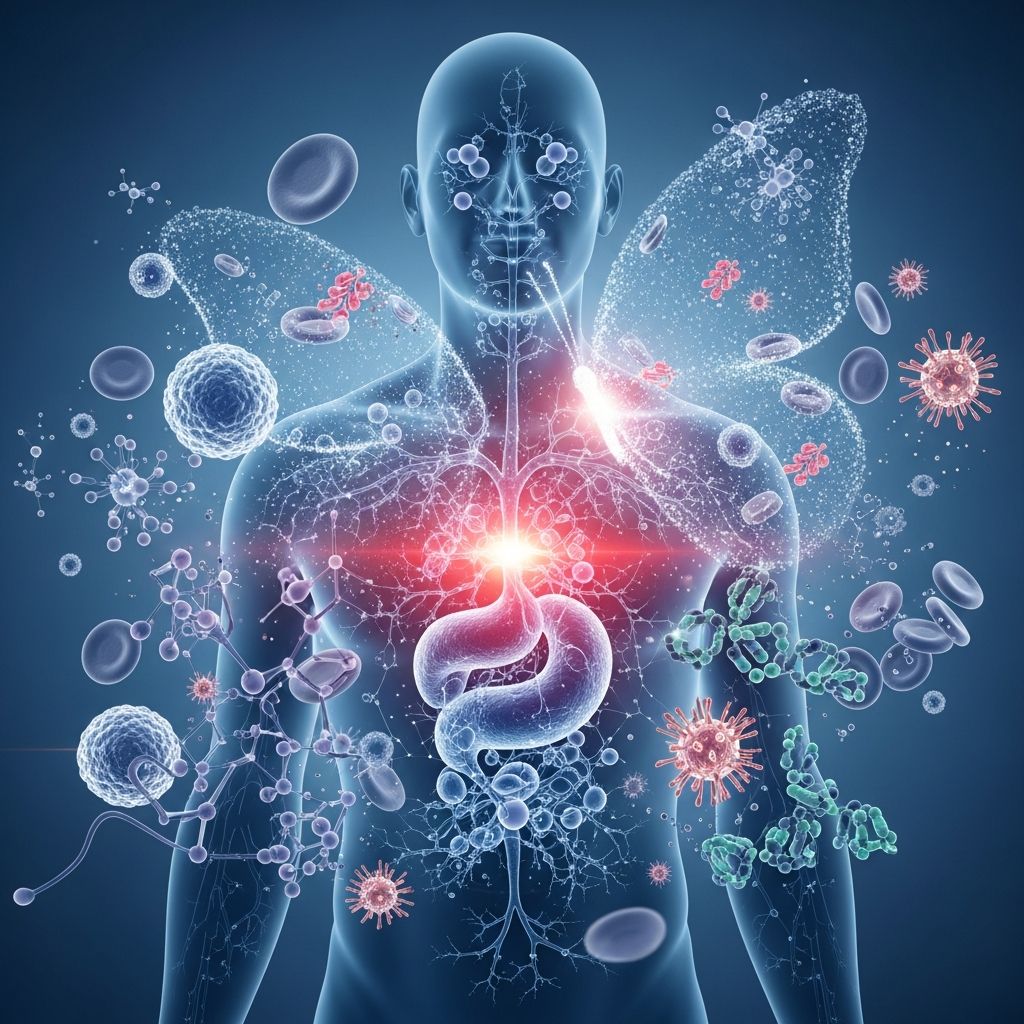
Lupus is a chronic autoimmune disease that causes inflammation throughout the body. In people with lupus, the immune system mistakenly attacks healthy tissues and organs instead of protecting them. This can lead to a wide range of symptoms and complications, affecting the skin, joints, kidneys, heart, lungs, brain, and other organs.
Types of Lupus
- Systemic Lupus Erythematosus (SLE): The most common form, SLE can affect multiple organs and systems throughout the body.
- Cutaneous Lupus: This form primarily affects the skin, causing rashes and lesions.
- Drug-Induced Lupus: Certain medications can trigger lupus-like symptoms, which usually resolve after stopping the medication.
- Neonatal Lupus: A rare condition that affects newborns, usually resolving within a few months.
Causes of Lupus
The exact cause of lupus is not fully understood, but it is believed to result from a combination of genetic, environmental, and hormonal factors. Some key points include:
- Genetics: Having a family history of lupus increases the risk.
- Environmental Triggers: Exposure to sunlight, infections, and certain medications can trigger lupus in susceptible individuals.
- Hormonal Factors: Lupus is more common in women, suggesting a role for hormones.
Symptoms of Lupus
Lupus symptoms can vary widely and may come and go over time. Common symptoms include:
- Fatigue
- Joint pain and swelling
- Skin rashes, especially a butterfly-shaped rash across the cheeks and nose
- Fever
- Photosensitivity (sensitivity to sunlight)
- Oral ulcers
- Raynaud’s phenomenon (fingers and toes turning white or blue in cold or stress)
- Swelling in the legs or around the eyes
- Chest pain when breathing deeply
- Headaches, confusion, or memory loss
Diagnosis of Lupus
Diagnosing lupus can be challenging because its symptoms overlap with those of many other conditions. Doctors typically use a combination of clinical evaluation, laboratory tests, and imaging studies. Key diagnostic tools include:
- Medical History and Physical Exam: A thorough review of symptoms and a physical examination.
- Blood Tests: Tests for antinuclear antibodies (ANA), anti-double-stranded DNA antibodies, and other markers of inflammation.
- Urine Tests: To check for kidney involvement.
- Imaging Studies: X-rays, ultrasounds, or MRIs to assess organ damage.
Treatment of Lupus
There is no cure for lupus, but various treatments can help manage symptoms and prevent complications. Treatment plans are tailored to the individual and may include:
- Medications:
- Nonsteroidal anti-inflammatory drugs (NSAIDs) for pain and inflammation.
- Antimalarial drugs like hydroxychloroquine (Plaquenil) to reduce disease activity and prevent organ damage.
- Corticosteroids to control severe inflammation.
- Immunosuppressive drugs for more severe cases.
- Lifestyle Changes:
- Regular exercise to maintain joint flexibility and muscle strength.
- Healthy diet to support overall health.
- Avoiding triggers like sunlight and stress.
- Regular Monitoring: Regular check-ups to monitor disease activity and adjust treatment as needed.
Living with Lupus
Related Stories



Living with lupus requires ongoing management and support. Here are some tips for coping with the condition:
- Stay Informed: Educate yourself about lupus and stay up-to-date on the latest research and treatment options.
- Seek Support: Join support groups or connect with others who have lupus.
- Manage Stress: Practice stress-reduction techniques like meditation, yoga, or deep breathing.
- Follow Your Treatment Plan: Take medications as prescribed and attend regular medical appointments.
- Communicate with Your Healthcare Team: Keep your doctors informed about any changes in your symptoms or overall health.
Complications of Lupus
Lupus can lead to various complications, including:
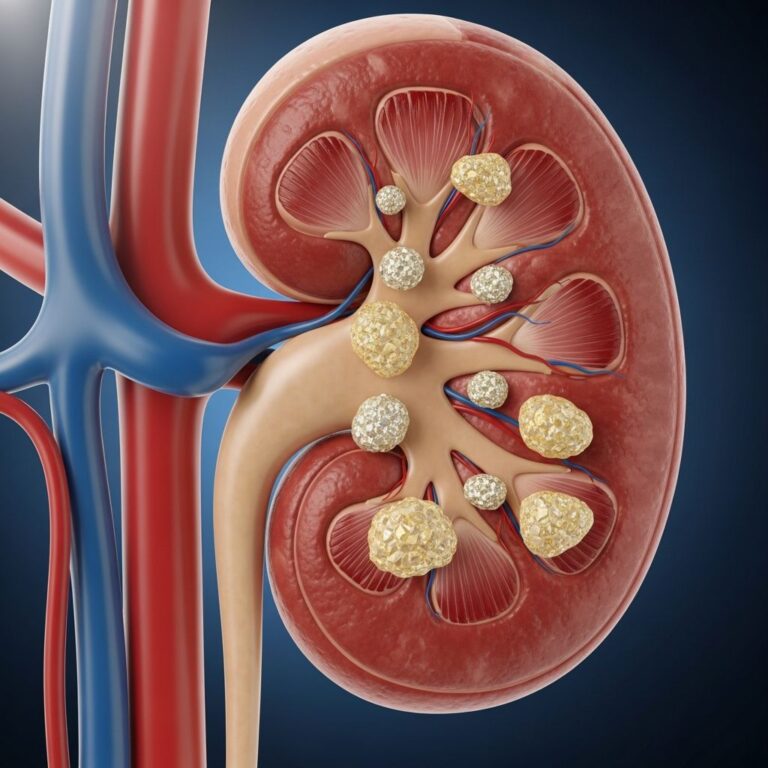
- Kidney damage (lupus nephritis)
- Cardiovascular disease
- Lung problems
- Neurological issues
- Increased risk of infections
- Increased risk of certain cancers
When to See a Doctor
If you experience persistent symptoms such as fatigue, joint pain, skin rashes, or unexplained fever, it is important to see a healthcare provider. Early diagnosis and treatment can help prevent complications and improve quality of life.
Frequently Asked Questions (FAQs)
Q: Can lupus be cured?
A: There is no cure for lupus, but with proper treatment, many people can manage their symptoms and lead fulfilling lives.
Q: Is lupus hereditary?
A: Having a family history of lupus increases the risk, but it is not directly inherited. Environmental and hormonal factors also play a role.
Q: What are the most common symptoms of lupus?
A: Common symptoms include fatigue, joint pain, skin rashes, fever, and photosensitivity.
Q: How is lupus diagnosed?
A: Diagnosis involves a combination of medical history, physical exam, blood tests, urine tests, and imaging studies.
Q: What are the treatment options for lupus?
A: Treatment options include medications, lifestyle changes, and regular monitoring. The specific plan depends on the severity and type of lupus.
Q: Can lifestyle changes help manage lupus?
A: Yes, regular exercise, a healthy diet, and stress management can help manage symptoms and improve quality of life.
Q: What are the potential complications of lupus?
A: Complications can include kidney damage, cardiovascular disease, lung problems, neurological issues, increased risk of infections, and increased risk of certain cancers.
Q: When should I see a doctor if I suspect lupus?
A: If you experience persistent symptoms such as fatigue, joint pain, skin rashes, or unexplained fever, it is important to see a healthcare provider for evaluation.
References
- Lupus: What It Is, Symptoms, Causes & Treatment — Cleveland Clinic. 2023-09-15. https://my.clevelandclinic.org/health/diseases/4875-lupus
- Managing Your Lupus with Dr. Emily Littlejohn — Cleveland Clinic. 2023-08-10. https://my.clevelandclinic.org/podcasts/health-essentials/managing-your-lupus-with-dr-emily-littlejohn
- 9 Tips for Living With Lupus — Health Cleveland Clinic. 2023-07-20. https://health.clevelandclinic.org/tips-for-living-with-lupus
Similar Articles








Read full bio of Sneha Tete