What Causes Lupus: 4 Major Factors Behind SLE
Unraveling the complex causes of lupus: genetics, environment, hormones, and immune dysfunction explained.
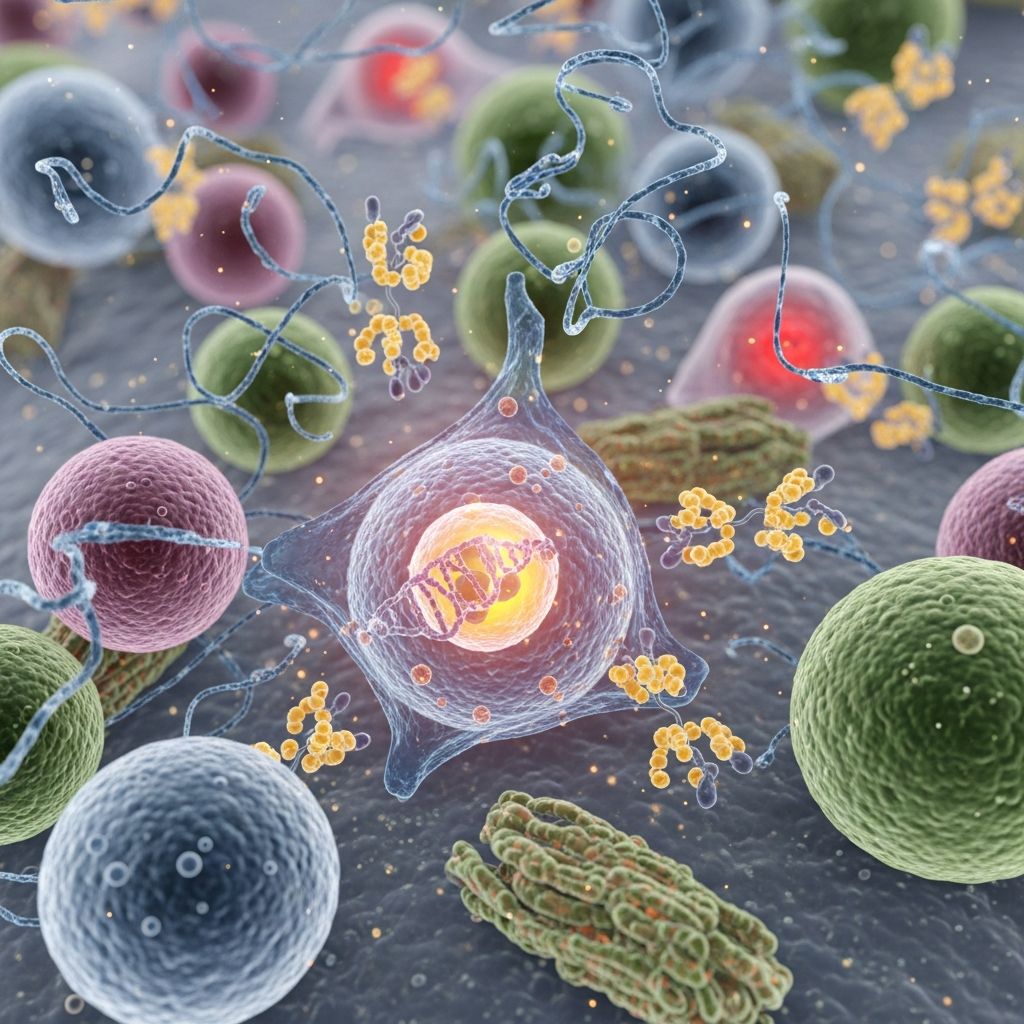
Lupus, particularly systemic lupus erythematosus (SLE), is a chronic autoimmune disease where the immune system mistakenly attacks healthy tissues, leading to inflammation and damage across multiple organs. The exact cause remains unknown, but it arises from a combination of genetic predisposition, environmental triggers, hormonal factors, and immune system dysregulation.
Types of Lupus
Lupus manifests in several forms, each with distinct causes and characteristics:
- Systemic Lupus Erythematosus (SLE): The most common type, affecting multiple organs like skin, joints, kidneys, heart, lungs, brain, and blood cells. It results from widespread autoimmune activity.
- Cutaneous Lupus Erythematosus: Primarily affects the skin, causing rashes often triggered by sunlight. It may or may not progress to systemic involvement.
- Drug-Induced Lupus: Triggered by medications such as blood pressure drugs (e.g., hydralazine), anti-seizure medications, and certain antibiotics. Symptoms typically resolve after discontinuing the drug, though rare cases persist.
- Neonatal Lupus: A rare condition in newborns caused by maternal autoantibodies crossing the placenta, affecting skin, heart, liver, or blood. Most symptoms resolve within months, but cardiac issues can be serious.
Genetics and Lupus
Genetic factors play a crucial role in lupus susceptibility. Individuals with certain gene variants are more prone to the disease, particularly those affecting immune regulation. First-degree relatives of SLE patients have a significantly higher risk, with studies showing 27% of children of mothers with SLE testing positive for antinuclear antibodies (ANAs).
Key genetic associations include deficiencies in complement components like C1q and C4, which impair the clearance of apoptotic cells and self-reactive B cells. Multiple gene variants often combine to increase risk, highlighting a polygenic inheritance pattern. Twin studies further support heritability, with concordance rates higher in identical twins.
Environmental Triggers
Environmental factors can activate lupus in genetically susceptible individuals. Common triggers include:
- Sunlight (UV Exposure): Ultraviolet light stimulates keratinocytes, promoting autoantibody production and flares, especially skin rashes.
- Infections: Viruses like Epstein-Barr virus (EBV) are linked, with SLE patients showing higher anti-EBV antibodies. Infections can initiate or exacerbate flares.
- Smoking and Silica: Cigarette smoke and occupational silica exposure (e.g., sandblasting) heighten risk by promoting inflammation.
- Chemicals: Hair dyes and other silica-containing products may contribute.
These triggers lead to immune complex formation and tissue damage.
Hormonal Influences
Hormones significantly influence lupus, explaining its 9:1 female predominance. Estrogen promotes B-cell hyperactivity and autoantibody production, while flares often occur during puberty, pregnancy, or menopause. Prolactin and other hormones may also exacerbate immune dysregulation in susceptible individuals.
Immune System Dysfunction
At its core, lupus involves loss of immune tolerance. Hyperactive B cells, driven by T-cell stimulation, produce autoantibodies like anti-nuclear antibodies (ANAs), anti-dsDNA, and anti-phospholipid antibodies. These form immune complexes that deposit in tissues, causing inflammation.
Impaired clearance of apoptotic cells leads to autoantigen exposure, further stimulating autoreactive lymphocytes. This results in widespread organ involvement, from lupus nephritis (affecting 40% of patients) to cardiovascular and neurological issues.
Risk Factors for Developing Lupus
Several demographic and health factors elevate lupus risk:
| Risk Factor | Description | Prevalence Impact |
|---|---|---|
| Sex | 90% of cases in females | 9:1 female-to-male ratio |
| Age | Peak diagnosis 15-45 years | 65% diagnosed before 50 |
| Race/Ethnicity | Higher in Black, Hispanic, Asian American, Native American | Severer forms in African American/Hispanic women |
| Family History | First-degree relatives at higher risk | Genetic clustering |
Related Stories



Lupus affects about 3.4 million worldwide, with increased complications like heart disease, stroke, infections, and pregnancy loss.
Pathophysiology of Lupus
SLE pathophysiology centers on immune complex-mediated damage. T-cells interact with antigen-presenting cells via MHC, releasing cytokines that activate B-cells. This produces IgG autoantibodies targeting nuclear components, phospholipids, and more, leading to vasculitis, nephritis, and other manifestations.
Defective apoptosis clearance exacerbates this cycle, with complexes depositing in microvasculature and inciting inflammation.
Drug-Induced Lupus in Detail
This form mimics SLE but is reversible. High-risk drugs include procainamide (20-30% risk) and hydralazine. Symptoms appear 3-6 months after starting therapy, dominated by arthralgias and serositis rather than severe organ involvement. Anti-histone antibodies are characteristic.
Neonatal Lupus Specifics
Occurring in 1% of infants of anti-Ro/SSA or anti-La/SSB-positive mothers, it presents with cutaneous rash, congenital heart block (most serious), thrombocytopenia, or hepatitis. Heart block may require pacemakers; skin lesions resolve by 6-12 months.
Frequently Asked Questions (FAQs)
What is the main cause of lupus?
No single cause; it’s multifactorial involving genetics, environment, hormones, and immune issues.
Can lupus be cured?
No cure exists, but treatments control symptoms and prevent flares.
Does sunlight cause lupus flares?
Yes, UV exposure is a common trigger for skin rashes and systemic symptoms.
Who is most at risk for lupus?
Women aged 15-45, especially Black, Hispanic, or Asian individuals with family history.
Is drug-induced lupus permanent?
Usually resolves after stopping the drug, but monitoring is needed.
Preventing Lupus Flares
While causes can’t be fully prevented, avoiding triggers helps: use sunscreen, quit smoking, manage infections promptly, and review medications with doctors.
References
- Lupus – Symptoms & causes — Mayo Clinic. 2023-10-15. https://www.mayoclinic.org/diseases-conditions/lupus/symptoms-causes/syc-20365789
- Lupus: An Overview of the Disease And Management Options — PMC (NCBI). 2012-04-24. https://pmc.ncbi.nlm.nih.gov/articles/PMC3351863/
- Lupus — MedlinePlus (NIH). 2024-01-10. https://medlineplus.gov/lupus.html
- What Is Lupus? — JAMA Network. 2024-05-14. https://jamanetwork.com/journals/jama/fullarticle/2823868
- Lupus — Cleveland Clinic. 2023-11-20. https://my.clevelandclinic.org/health/diseases/4875-lupus
Similar Articles








Read full bio of Sneha Tete