Lupus Complications and Prognosis: Understanding Long-Term Outcomes
Comprehensive guide to lupus complications, long-term outcomes, and improved survival rates with modern treatment.
Lupus Complications and Prognosis: A Comprehensive Overview
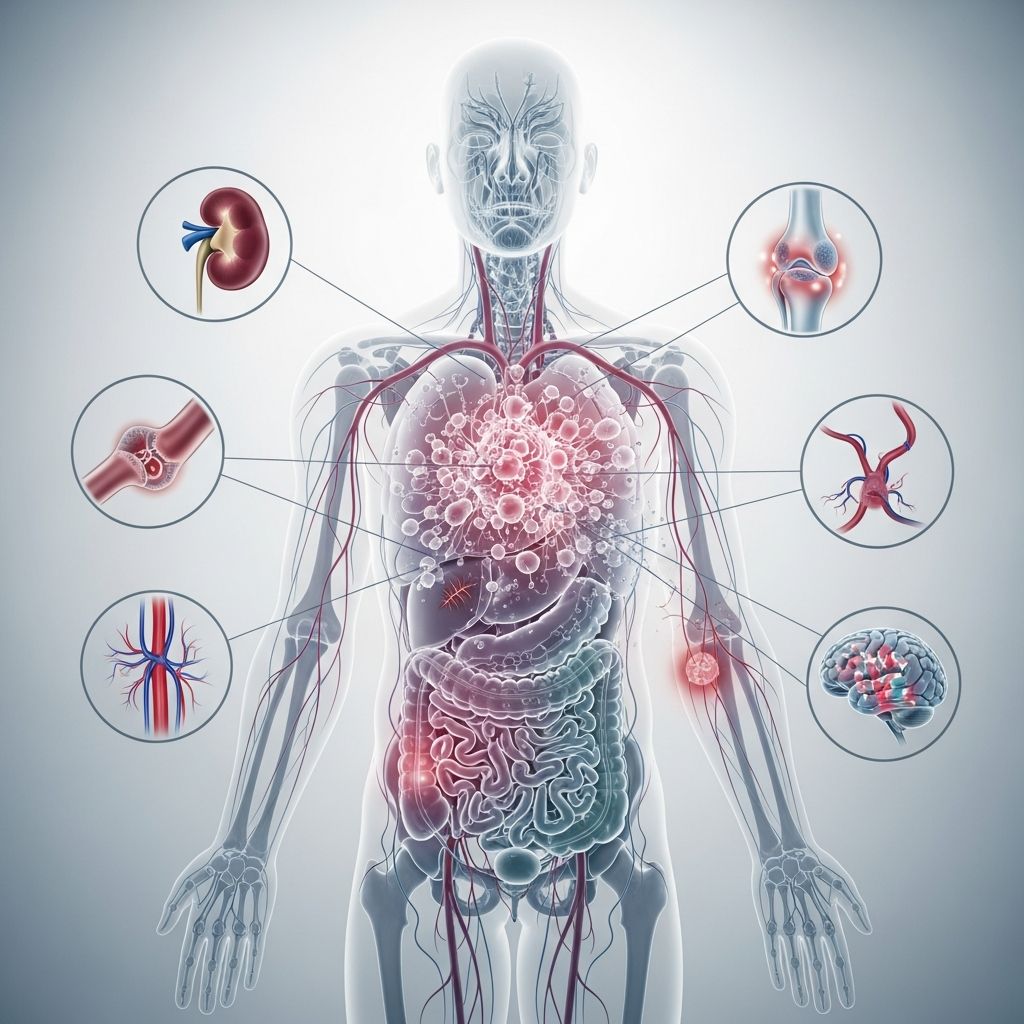
Systemic lupus erythematosus (SLE), commonly known as lupus, is a chronic autoimmune disease that can affect virtually every organ system in the body. While significant advances in medical treatment have dramatically improved outcomes over the past decades, lupus remains a serious condition that requires careful management and monitoring. Understanding the potential complications and prognosis of lupus is essential for patients, families, and healthcare providers involved in managing this complex disease.
The prognosis for people with lupus has improved substantially due to advances in early diagnosis and treatment options. Research indicates that approximately 85-90% of people with lupus can live a typical lifespan when they receive early diagnosis, careful treatment, and constant monitoring. However, it is estimated that 10-15% of people with lupus may experience premature death due to complications. The outcome for individuals with lupus depends significantly on disease severity, organ involvement, adherence to treatment, and access to quality healthcare.
Major Lupus Complications
Kidney Complications
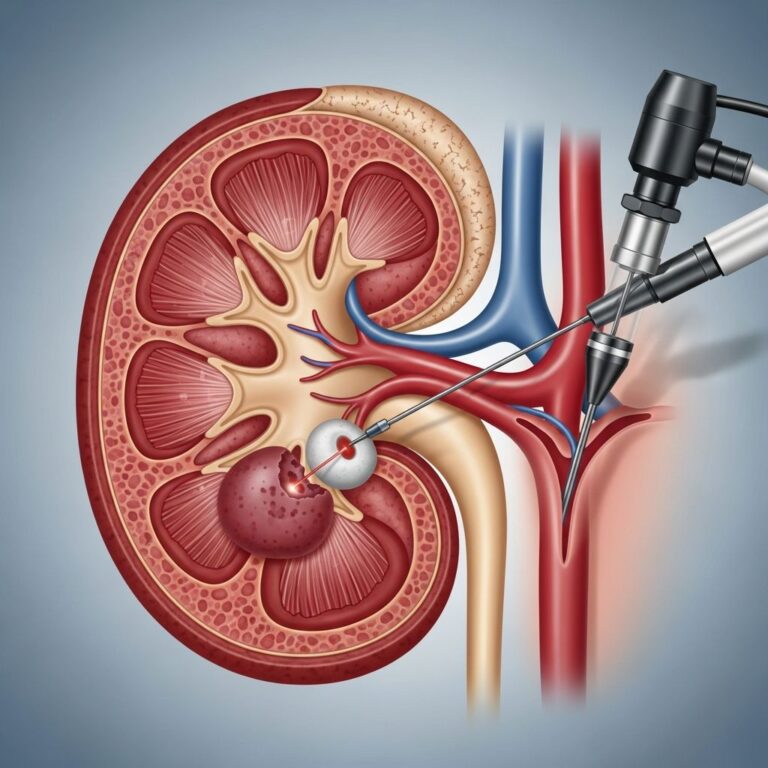
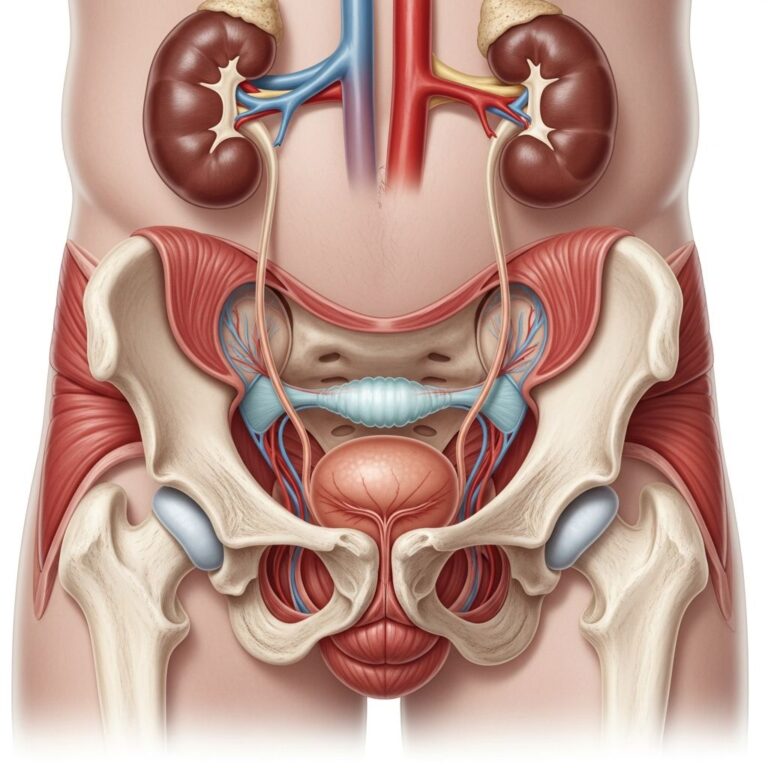
The kidneys are among the organs most commonly affected by lupus, with approximately 40-50% of lupus patients developing some degree of kidney involvement, a condition known as lupus nephritis. Long-term kidney inflammation can cause significant damage or even kidney failure. When lupus damages the kidneys, they lose their ability to filter waste and excess fluid from the body effectively.
Lupus nephritis is associated with an increased risk of end-stage renal disease (ESRD) and carries a 5- to 8-fold increased risk of death compared with the general population. Patients who lose 85-90% of their kidney function may experience kidney failure, which could be life-threatening if not properly managed. Several baseline characteristics have been associated with poor long-term kidney prognosis in lupus patients, including male gender, certain ethnic backgrounds, high blood pressure, renal insufficiency at presentation, and high activity and chronicity index scores at initial assessment.
Early detection and aggressive treatment of lupus nephritis are crucial for preventing progression to end-stage renal disease. Regular kidney function monitoring through blood and urine tests is recommended for all lupus patients.
Cardiovascular Complications
Cardiovascular complications represent one of the most significant threats to long-term survival in lupus patients. Research demonstrates that cardiovascular disease and infections have the highest impact on long-term outcomes in SLE, including damage accrual and mortality. Lupus can affect the heart and blood vessels in several ways, including inflammation of the heart muscle (myocarditis), inflammation of the membrane surrounding the heart (pericarditis), and accelerated atherosclerosis.
People with lupus who also have antiphospholipid antibody syndrome (APS)—a condition characterized by the presence of antiphospholipid antibodies—face even greater cardiovascular risk. These individuals are more likely to develop blood clots in arteries and veins, which can lead to strokes, heart attacks, and other serious vascular events. Long-term follow-up studies show that patients with coexisting APS have more severe damage and significantly lower cumulative survival at 15 years compared to lupus patients without APS (65% vs. 90%).
Appropriate management and risk stratification can help prevent APS-related complications affecting the brain, heart, lungs, and kidneys.
Neuropsychiatric Manifestations
Lupus can affect the brain and nervous system, causing a range of neuropsychiatric complications. Inflammation in the brain can lead to various conditions, including severe headaches and migraines, memory loss and cognitive difficulties, poor concentration and mental fog, seizures, meningitis, and in severe cases, strokes or coma.
Beyond neurological symptoms, lupus may also cause mood and psychiatric changes such as depression, anxiety, and irritability. Research on neuropsychiatric lupus (NPSLE) reveals important prognostic information: patients without NPSLE events at initial assessment had a 74% probability of remaining NPSLE event-free after 10 years. While the majority of neuropsychiatric events resolved over the 10-year period, the mortality rate was higher in patients with NPSLE (16%) compared with those without NPSLE events (6%) or those with non-lupus neuropsychiatric events (7%).
Related Stories



Pulmonary Complications
The lungs are frequently affected by lupus, leading to several potential complications. Pleurisy, which involves inflammation or fluid in the lungs, can cause sharp chest pain that worsens with deep breathing. If left untreated, lung inflammation may lead to scarring (pulmonary fibrosis), which can significantly decrease the amount of oxygen your bloodstream absorbs.
Additional lung complications from lupus include pulmonary hypertension (elevated blood pressure in lung blood vessels), shrinking lung syndrome (progressive reduction in lung volume), bleeding in the lungs (pulmonary hemorrhage), and interstitial lung disease (scarring and thickening of lung tissue). These complications can severely impact respiratory function and quality of life.
Joint and Musculoskeletal Complications
Arthritis is one of the most common manifestations of lupus. Experts estimate that 80-90% of people with lupus experience arthritis, typically affecting the small joints of the hands, wrists, and knees. While lupus-related arthritis may not cause permanent joint damage as often as rheumatoid arthritis, it can significantly affect quality of life and functional ability.
In some cases, chronic inflammation can lead to joint deformity or cartilage damage, necessitating joint repair or replacement surgery. Bone tissue death (avascular necrosis) is another serious complication that occurs when the blood supply to bone declines, often leading to tiny fractures and eventually to bone collapse. This condition is sometimes associated with glucocorticoid treatment.
Gastrointestinal Complications
Lupus inflammation can extend to the digestive system, affecting organs such as the pancreas and liver. The disease may cause protein-losing enteropathy (PLE), a condition in which the gastrointestinal tract leaks protein into the digestive tract. This leads to reduced nutrient absorption and can result in malnutrition, weight loss, and various nutritional deficiencies if not properly managed.
Cancer Risk
People with lupus have an increased risk of developing several types of cancer. These include blood cancers such as lymphoma and leukemia, digestive cancers including liver and pancreatic cancer, lung cancer, cervical cancer, and skin cancer. The increased cancer risk may be related to both the lupus disease process and to certain lupus medications used in treatment.
Research suggests that cancers may be responsible for 13-33% of deaths among people with lupus, making cancer prevention and early detection particularly important for this population.
Infections
People with lupus are more vulnerable to infections because both the disease itself and its treatments can weaken the immune system. This increased infection risk represents a significant source of morbidity and mortality in lupus patients. Serious infections including bacterial sepsis, opportunistic infections, and severe viral illnesses occur more frequently in lupus patients compared to the general population.
Pregnancy Complications
Women with lupus face increased risks during pregnancy. Lupus significantly increases the risk of miscarriage, with some studies indicating rates as high as 20-50% in untreated lupus pregnancies. Additionally, lupus increases the risk of developing high blood pressure (hypertension) during pregnancy, a complication that can be dangerous for both mother and baby.
Women with lupus who also have antiphospholipid antibodies face even higher risks of miscarriage and other pregnancy complications due to placental blood clots and inflammation.
Other Important Complications
Additional complications associated with lupus include Raynaud’s syndrome (finger and toe discoloration in response to cold), dry eye syndrome, light sensitivity, osteoporosis (weakened bones), and anemia (low red blood cell count). Depression and other mental health conditions are common in lupus patients, both due to the disease itself and to the psychological impact of managing a chronic illness.
Factors Affecting Prognosis
Disease Severity and Activity
The severity of lupus manifestations at diagnosis and during the disease course significantly affects prognosis. Patients with mild lupus symptoms generally have better long-term outcomes than those with severe, multi-organ involvement. The frequency and severity of disease flares also impact prognosis: more frequent flares are associated with more frequent hospitalizations, greater tissue and organ damage, lower quality of life, and reduced survival rates.
Treatment Response and Adherence
Response to treatment and adherence to prescribed medications strongly influence long-term outcomes. Nearly all lupus patients require hydroxychloroquine indefinitely as part of their treatment regimen. Many patients require long-term use of glucocorticoids (corticosteroids), which can improve short-term disease control but carry significant risks with prolonged use, including infections, cardiovascular disease, diabetes, muscle weakness, cataracts, osteoporosis, and bone necrosis.
Treatment adherence remains a challenge in lupus management, and poor adherence to prescribed medications is associated with worse outcomes, increased flare rates, and greater organ damage.
Socioeconomic and Access Factors
Access to high-quality healthcare, regular specialist care, and necessary medications substantially affects prognosis. Health and healthcare disparities contribute to poorer outcomes in certain populations. Additionally, socioeconomic factors including education level, income, and access to transportation to medical appointments influence disease outcomes. Smoking exposure has also been identified as a factor that negatively impacts lupus prognosis.
Comorbidities
Patients with lupus have an increased risk of multiple comorbidities that can complicate disease management and worsen prognosis. These include traditional cardiovascular risk factors, chronic kidney disease, and malignancy. The presence of antiphospholipid syndrome in lupus patients significantly worsens long-term prognosis and increases mortality risk.
End-Stage Lupus and Mortality
In end-stage lupus, the specific symptoms experienced depend on which organs or systems are most severely affected. Complications that most commonly lead to death include cardiovascular disease, kidney failure, serious infections, and cancer. It is important to note that most deaths from lupus result from complications rather than from lupus itself.
However, lupus remains one of the top 20 leading causes of death in females between the ages of 5 and 64 in the United States, highlighting the importance of appropriate disease management and early intervention.
Improved Prognosis with Modern Treatment
Survival rates for lupus have improved dramatically compared to past decades. This improvement is due to several factors: earlier diagnosis through better awareness and diagnostic tools, more effective medications including biologic therapies, better understanding of disease mechanisms, improved management of complications, and more aggressive treatment approaches when needed.
Newer medications are continually being developed and studied to further improve outcomes in lupus patients. A treat-to-target strategy, where treatment is intensified until disease remission is achieved, shows promise in improving long-term outcomes and preventing organ damage.
Quality of Life Considerations
While survival has improved, many lupus patients experience reduced health-related quality of life due to persistent fatigue, chronic pain, depression, and the burden of frequent medical appointments and medication regimens. Addressing these quality-of-life issues through comprehensive care that includes physical therapy, mental health support, and rehabilitation services is an important component of lupus management.
Frequently Asked Questions
Q: What is the life expectancy for someone with lupus?
A: Approximately 85-90% of people with lupus can live a typical lifespan with early diagnosis, careful treatment, and constant monitoring. Modern advances in treatment have significantly improved survival rates compared to past decades.
Q: Which organs are most commonly affected by lupus?
A: The kidneys and heart are most commonly and severely affected by lupus. However, lupus can affect virtually any organ system, including the lungs, brain, joints, and digestive system.
Q: Can lupus be cured?
A: Lupus cannot be cured, but it can be managed with appropriate medications and monitoring. Most people with lupus require long-term hydroxychloroquine therapy and often glucocorticoids or other immunosuppressive medications.
Q: How often should lupus patients have medical check-ups?
A: Lupus patients should have regular monitoring that may include frequent blood tests, urine tests, and specialist appointments. The frequency depends on disease activity and severity, but regular monitoring is essential for early detection of complications.
Q: What is the most common cause of death in lupus patients?
A: Cardiovascular disease, kidney failure, and infections are among the most common causes of death in lupus patients, rather than lupus itself. Cancer is also responsible for a significant proportion of lupus-related deaths.
Q: Can women with lupus have healthy pregnancies?
A: Women with lupus can have successful pregnancies, but they face higher risks including miscarriage and high blood pressure. Specialized prenatal care and rheumatology consultation during pregnancy is essential for optimizing outcomes.
References
- Long-term outcomes in systemic lupus erythematosus: trends over time — National Center for Biotechnology Information (NCBI), U.S. National Library of Medicine. 2020. https://pmc.ncbi.nlm.nih.gov/articles/PMC7719040/
- Systemic lupus erythematosus — MedlinePlus Medical Encyclopedia, National Library of Medicine. 2024. https://medlineplus.gov/ency/article/000435.htm
- Lupus – Symptoms & causes — Mayo Clinic. 2024. https://www.mayoclinic.org/diseases-conditions/lupus/symptoms-causes/syc-20365789
- How Does a Lupus Diagnosis Affect My Life Expectancy? — Healthline. 2021. https://www.healthline.com/health/lupus/prognosis-life-expectancy
- Lupus: What It Is, Symptoms, Causes & Treatment — Cleveland Clinic. 2024. https://my.clevelandclinic.org/health/diseases/4875-lupus
Similar Articles








Read full bio of Sneha Tete