Lupus Symptoms: Signs, Diagnosis, And When To See A Doctor
Recognizing the diverse signs of lupus, from the classic butterfly rash to fatigue and organ involvement, for early diagnosis and management.
Systemic lupus erythematosus (SLE), commonly known as lupus, is a chronic autoimmune disease where the immune system attacks healthy tissues, causing widespread inflammation. Symptoms vary widely, often mimicking other conditions, and can flare up unpredictably. Early recognition is crucial as about 1.5 million Americans live with lupus, disproportionately affecting women, especially those of childbearing age and certain ethnic groups.
What Is Lupus?
Lupus is an autoimmune disorder that can impact the skin, joints, kidneys, blood cells, brain, heart, and lungs. Instead of protecting the body, the immune system produces autoantibodies that trigger inflammation and damage. There are several types, but SLE is the most common, affecting multiple systems (‘systemic’).
Typical symptoms include fever, hair loss, skin rashes, mouth sores, joint pain, fatigue, headaches, chest pain, and shortness of breath. Complications like lupus nephritis affect 40% of patients, increasing risks for heart disease, stroke, infections, osteoporosis, and pregnancy issues such as preeclampsia.
Common Lupus Symptoms
Lupus symptoms often develop gradually and fluctuate in severity during flare-ups and periods of remission. They depend on affected organs but commonly include:
- Fatigue: Profound exhaustion not relieved by rest, affecting up to 80% of patients and impacting daily life.
- Joint pain and swelling (arthralgia/arthritis): Symmetric pain in hands, wrists, and knees, often the first sign, resembling rheumatoid arthritis.
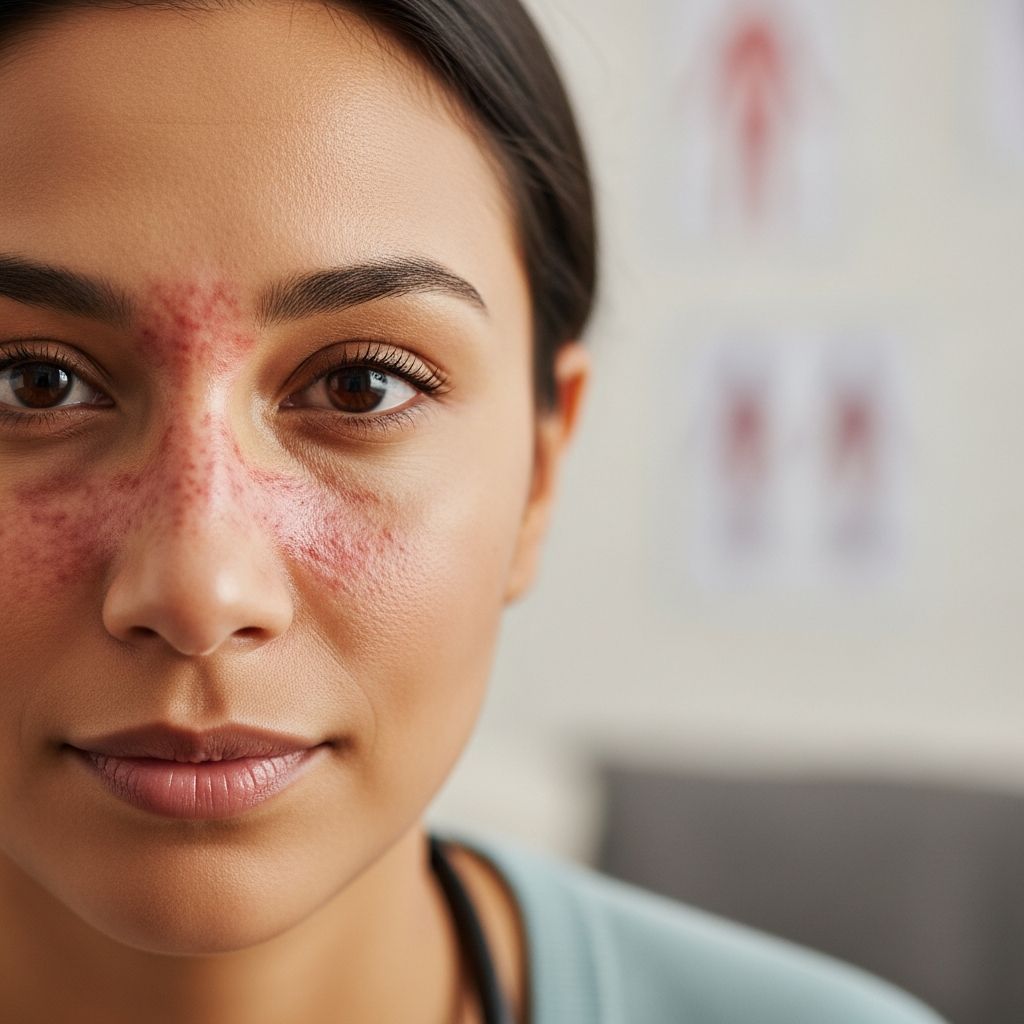
- Skin rashes: Especially the malar ‘butterfly’ rash across cheeks and nose, photosensitive and non-scarring.
- Fever: Low-grade, unexplained fevers during flares.
- Hair loss (alopecia): Thinning or patchy loss, often reversible with treatment.
These nonspecific symptoms like malaise, myalgias, and weight changes are common in new or recurrent flares.
Skin Symptoms of Lupus
Cutaneous manifestations are a hallmark, present in over 70% of cases and among diagnostic criteria. The classic acute cutaneous lupus includes:
- Malar rash: Erythematous, butterfly-shaped over cheeks and nasal bridge, sparing nasolabial folds, worsened by sun exposure.
- Discoid rash: Thick, scaly plaques with scarring and pigmentation changes, often on scalp, ears, or face.
- Subacute cutaneous lupus: Non-scarring, psoriasiform or annular rashes on sun-exposed areas like arms and trunk.
- Photosensitivity: Rashes triggered by UV light, advising sunscreen use.
Oral ulcers, painless and on the palate or buccal mucosa, are another key sign.
Musculoskeletal Symptoms
Joint involvement occurs in 90% of lupus patients, typically non-erosive arthritis with morning stiffness lasting over 30 minutes. Myalgias (muscle pain) and weakness are frequent, sometimes due to myositis. Avascular necrosis of the hip from steroids is a complication.
Constitutional Symptoms
General symptoms like fatigue, fever, malaise, anorexia, and weight loss signal active disease. Fatigue is debilitating, often described as overwhelming, and linked to anemia, depression, or sleep disturbances.
Cardiopulmonary Symptoms
Lupus affects the heart and lungs in 50% of cases:
- Pleuritis: Inflammation of lung lining causing chest pain and shortness of breath.
- Pericarditis: Heart sac inflammation with sharp chest pain worsening when lying down.
- Interstitial lung disease: Rare but progressive breathlessness.
Related Stories



Long-term, accelerated atherosclerosis raises cardiovascular risks.
Neuropsychiatric Lupus (NPSLE)
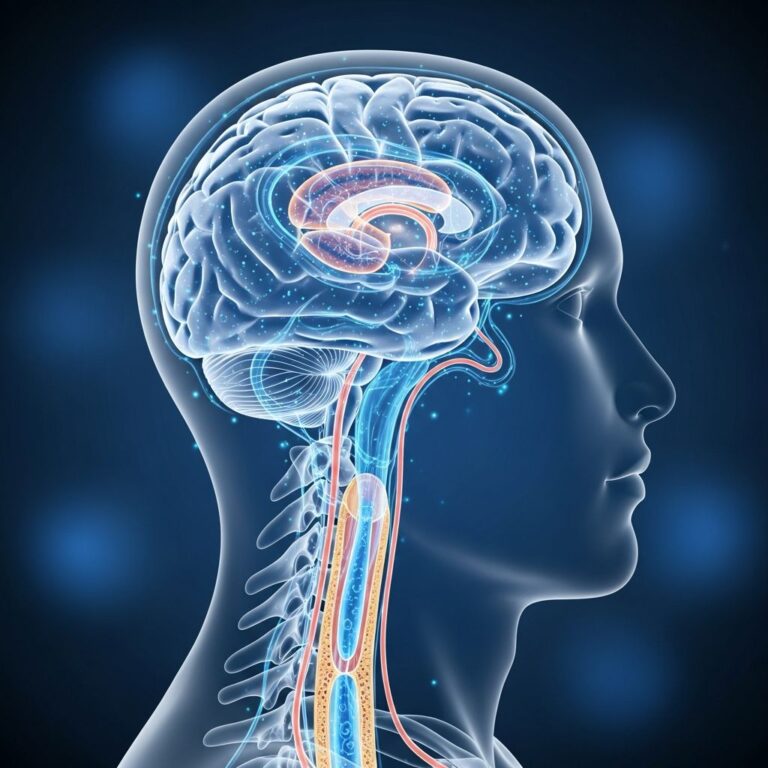
Affecting 25-75% of patients, symptoms range from mild (headaches, cognitive fog) to severe (seizures, psychosis). Common issues include depression, anxiety, mood disorders, and antiphospholipid antibodies increasing stroke risk. Diagnosis involves ruling out infections or medications.
Renal Symptoms (Lupus Nephritis)
Striking 40-60% of patients, often silently progressing to kidney failure. Signs include edema, hypertension, hematuria, proteinuria, or foamy urine. Classes range from mesangial to proliferative; biopsy confirms. Early treatment prevents end-stage renal disease.
Hematologic Symptoms
Autoantibodies cause:
- Anemia: Chronic disease or hemolytic.
- Leukopenia/thrombocytopenia: Low white cells or platelets, raising infection/bleeding risks.
- Lymphadenopathy: Enlarged lymph nodes.
Gastrointestinal Symptoms
Common but nonspecific: abdominal pain, nausea, vomiting from serositis, vasculitis, or pancreatitis. Oral ulcers and dysphagia occur; liver involvement (lupus hepatitis) shows mild enzyme elevation.
Other Symptoms
- Raynaud’s phenomenon: Color changes in fingers/toes from cold/stress, in one-third of patients.
- Ocular: Dry eyes (keratoconjunctivitis sicca) in 25%, retinopathy, or optic neuritis.
- Vascular: Thrombosis from antiphospholipid syndrome.
Lupus Flares
Flares are periods of increased disease activity with intensified symptoms. Triggers include infections, stress, sun exposure, and medication nonadherence. Symptoms can severely disrupt life; remission brings mild or no issues. Monitoring via blood tests (e.g., complement levels, anti-dsDNA) helps predict flares.
When to See a Doctor
Seek immediate care for new/worsening symptoms like persistent fever, chest pain, seizures, severe headache, swelling, blood in urine, or unexplained weight changes. Early intervention prevents organ damage. Routine check-ups track disease activity.
How Lupus Is Diagnosed
No single test; diagnosis uses clinical criteria (e.g., ACR/EULAR: entry ANA ≥1:80 plus ≥10 points from symptoms). Tests include ANA (positive in 99%), anti-dsDNA/Sm (specific), CBC, urinalysis, complements, biopsy if needed. Differential includes other rheumatologic diseases.
| Domain | Weight | Example |
|---|---|---|
| Constitutional | 2-10 | Fever |
| Mucocutaneous | 2-6 | Non-scarring alopecia, oral ulcers |
| Musculoskeletal | 6 | Joints/synovitis |
| Renal | 4-10 | Proteinuria >0.5g/day |
| Neurologic | 2-5 | Delirium, psychosis |
| Hematologic | 3-4 | Thrombocytopenia |
Lupus Treatment
Aims to control symptoms, prevent flares, minimize organ damage. Includes NSAIDs, antimalarials (hydroxychloroquine), corticosteroids, immunosuppressants (methotrexate, belimumab), and biologics. Lifestyle: sun protection, smoking cessation, balanced diet, exercise.
Frequently Asked Questions (FAQs)
What does a lupus rash look like?
The classic butterfly rash is red or purplish across the cheeks and nose, often sun-induced. Discoid rashes are scaly and scarring.
Is lupus curable?
No, but manageable with medications to achieve remission and prevent flares.
Who gets lupus?
Mostly women (9:1 ratio), ages 15-44, higher in African American, Hispanic, Asian populations.
Can lupus affect pregnancy?
Yes, increasing risks of miscarriage, preeclampsia; preconception planning essential.
How do you prevent lupus flares?
Avoid triggers: sun, stress, infections; adhere to meds, maintain healthy lifestyle.
References
- What Is Lupus? — JAMA Network. 2024-10-01. https://jamanetwork.com/journals/jama/fullarticle/2823868
- Lupus: What It Is, Symptoms, Causes & Treatment — Cleveland Clinic. 2023-05-30. https://my.clevelandclinic.org/health/diseases/4875-lupus
- Manifestations of Systemic Lupus Erythematosus — PMC (NIH). 2012-06-30. https://pmc.ncbi.nlm.nih.gov/articles/PMC3391953/
- Common Symptoms of Lupus — Lupus Foundation of America. 2024-01-01. https://www.lupus.org/resources/common-symptoms-of-lupus
Similar Articles








Read full bio of Sneha Tete