Lurasidone (Latuda): Expert Guide To Dosage, Uses & Side Effects
Comprehensive guide to Lurasidone (Latuda): uses, dosage, side effects, and key considerations for schizophrenia and bipolar depression treatment.
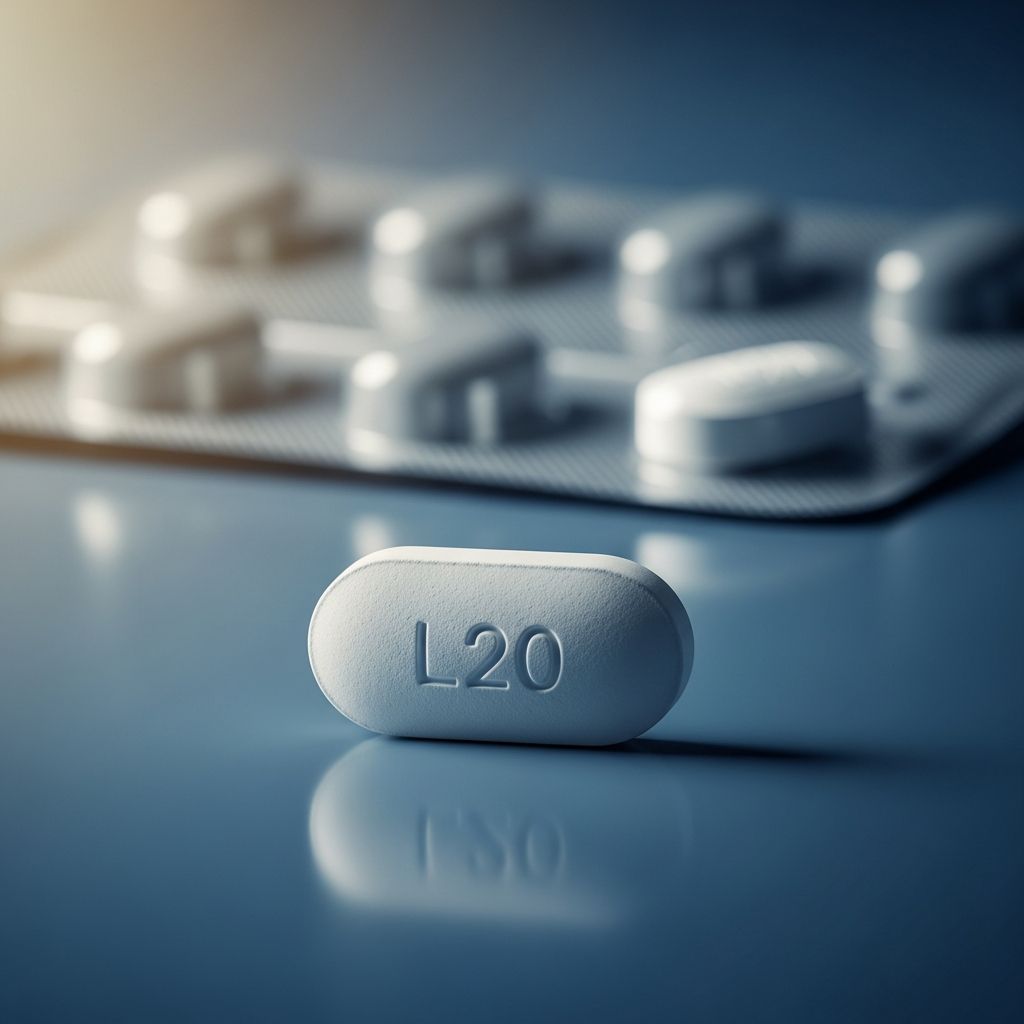
Lurasidone, marketed under the brand name Latuda, is an atypical antipsychotic medication primarily used to manage symptoms of schizophrenia and depressive episodes associated with bipolar I disorder. It works by modulating neurotransmitters like dopamine and serotonin in the brain to help restore normal thought processes and mood regulation.
About Lurasidone Tablets
Lurasidone belongs to the class of second-generation antipsychotics, designed to treat psychotic disorders with a lower risk of certain movement-related side effects compared to older medications. Available only by prescription, it comes in tablet form in strengths ranging from 20 mg to 120 mg. Unlike some antipsychotics, lurasidone has a favorable metabolic profile, with minimal impact on weight gain in clinical studies.
The medication is taken once daily, always with food (at least 350 calories), as this significantly enhances absorption—food can increase bioavailability up to threefold. It is not approved for behavioral problems in elderly patients with dementia, where it may increase mortality risk.
Key Uses of Lurasidone
Lurasidone is indicated for:
- Schizophrenia in adults and adolescents aged 13 years and older. It helps alleviate hallucinations, delusions, disorganized thinking, and suspiciousness.
- Depressive episodes in Bipolar I Disorder, either as monotherapy or adjunctive therapy with lithium or valproate. Efficacy was demonstrated in six-week controlled trials where it reduced depression scores more effectively than placebo.
Clinical trials showed lurasidone reduced Positive and Negative Syndrome Scale (PANSS) scores by up to 16 points more than placebo in schizophrenia patients, though benefits varied by dose. For bipolar depression, it provided significant symptom relief when added to mood stabilizers. Long-term efficacy beyond six weeks requires further monitoring, as data is limited.
How Lurasidone Works
As an atypical antipsychotic, lurasidone acts as an antagonist at dopamine D2, serotonin 5-HT2A, and other receptors, normalizing imbalanced neurotransmitter activity implicated in psychosis and mood disorders. It has a unique receptor profile, including partial agonism at 5-HT1A receptors, which may contribute to its antidepressant effects and lower sedation.
By blocking excessive dopamine in certain brain pathways, it reduces positive symptoms like hallucinations, while serotonin modulation helps with negative symptoms and mood stabilization. Pharmacokinetically, it is metabolized via CYP3A4, necessitating caution with interacting drugs.
Dosage and Administration
Dosing must be individualized based on response and tolerability. Key guidelines include:
| Condition | Starting Dose | Target Dose | Max Dose |
|---|---|---|---|
| Schizophrenia (Adults) | 40 mg/day | 40-160 mg/day | 160 mg/day |
| Schizophrenia (Adolescents 13-17) | 40 mg/day | 40-80 mg/day | 80 mg/day |
| Bipolar Depression (Monotherapy) | 20 mg/day | 20-120 mg/day | 120 mg/day |
| Bipolar Depression (Adjunctive) | 20 mg/day | 20-120 mg/day | 120 mg/day |
Note: Administer with at least 350 calories of food. Reduce doses in renal/hepatic impairment (e.g., max 80 mg in severe renal impairment).
Titrate gradually to minimize side effects like akathisia. No dosage adjustment needed for mild impairment, but monitor closely.
Related Stories



Cautions Before Starting Lurasidone
- Avoid in patients with known hypersensitivity to lurasidone.
- Contraindicated with strong CYP3A4 inhibitors (e.g., ketoconazole) or inducers (e.g., rifampin), as they drastically alter blood levels.
- Use caution in cardiovascular disease, cerebrovascular issues, or seizure history.
- May impair judgment; advise against driving until effects are known.
- Monitor for metabolic changes: weight, glucose, lipids.
Special Populations
Pregnancy/Breastfeeding: Limited data; use only if benefits outweigh risks. Enroll in pregnancy registries. Elderly: Increased mortality risk in dementia-related psychosis. Pediatrics: Approved from age 13 for schizophrenia.
How to Take Lurasidone
Swallow tablets whole with at least 350 calories of food to ensure proper absorption—avoid high-fat meals if possible, though any meal suffices. Take at the same time daily. If a dose is missed, take as soon as remembered unless near next dose; do not double up. Abrupt discontinuation may cause withdrawal symptoms; taper under medical supervision.
Store at room temperature, away from moisture. Do not crush or chew tablets.
Common Side Effects
Most side effects are mild and transient. Frequency:
- Very Common (>1/10): Akathisia (restlessness), somnolence (sleepiness).
- Common (1-10%): Nausea, vomiting, dyspepsia, fatigue, dizziness, parkinsonism, weight gain (minimal vs. other antipsychotics).
- Less Common: Hyperprolactinemia, orthostatic hypotension.
Akathisia often improves with dose reduction or adjunctive beta-blockers.
Serious Side Effects
Seek immediate help for:
- Neuroleptic Malignant Syndrome (NMS): Fever, rigidity, confusion, autonomic instability.
- Tardive Dyskinesia: Involuntary movements; risk increases with duration.
- Suicidality: Monitor especially in youth.
- Metabolic: Hyperglycemia, dyslipidemia, diabetes.
- Cerebrovascular: Stroke risk in elderly.
- QT Prolongation: Rare; monitor ECG if risk factors.
Interactions with Lurasidone
Strong CYP3A4 Inhibitors/Inducers: Contraindicated (e.g., clarithromycin increases levels 3-fold). Moderate Inhibitors: Halve dose (e.g., diltiazem).
Other CNS Depressants: Alcohol, benzodiazepines enhance sedation. Antihypertensives: May potentiate hypotension.
| Drug Class | Examples | Effect |
|---|---|---|
| CYP3A4 Inhibitors | Ketoconazole, ritonavir | Increase lurasidone levels |
| CYP3A4 Inducers | Rifampin, St. John’s Wort | Decrease levels |
| Anticholinergics | Benztropine | Additive effects |
Inform your doctor of all medications, including herbals.
Overdose and Missed Doses
Symptoms: Somnolence, tachycardia, hypotension. No specific antidote; supportive care. Contact poison control immediately. For missed doses, resume schedule without doubling.
Effects on Driving and Operating Machinery
Lurasidone may cause drowsiness, dizziness, or vision changes. Avoid hazardous activities until tolerant. Effects peak 1-3 hours post-dose.
Lurasidone and Lifestyle
- Alcohol: Increases sedation and impairment risk.
- Diet: Take with meals; monitor weight/metabolism.
- Exercise: Beneficial to counter sedentary effects.
Long-Term Use
Requires periodic monitoring of weight, lipids, glucose, prolactin, and movement disorders. Lowest effective dose for shortest duration.
Frequently Asked Questions (FAQs)
Who should not take Latuda?
Avoid if allergic, on strong CYP3A4 modulators, or for dementia in elderly.
Does Latuda cause weight gain?
Minimal compared to others; average 0.5-1 kg in trials.
Can Latuda be taken without food?
No—absorption drops 50-80% without a meal.
Is Latuda safe for children?
Approved for schizophrenia from age 13; safety data limited.
How long until Latuda works?
1-2 weeks for initial effects; full benefit in 4-6 weeks.
Can you stop Latuda abruptly?
No—taper to avoid relapse or withdrawal.
References
- Latuda | European Medicines Agency (EMA) — EMA. 2023. https://www.ema.europa.eu/en/medicines/human/EPAR/latuda
- Lurasidone (Latuda): Uses, Side Effects, Interactions — WebMD. 2024-01-10. https://www.webmd.com/drugs/2/drug-155134/latuda-oral/details
- Latuda (Lurasidone): Uses & Side Effects — Cleveland Clinic. 2023-05-15. https://my.clevelandclinic.org/health/drugs/19890-lurasidone-tablets
- LATUDA (lurasidone hydrochloride) tablets — FDA. 2013-10-28. https://www.accessdata.fda.gov/drugsatfda_docs/label/2013/200603lbls10s11.pdf
- Lurasidone (oral route) – Side effects & dosage — Mayo Clinic. 2024. https://www.mayoclinic.org/drugs-supplements/lurasidone-oral-route/description/drg-20074588
- Lurasidone: MedlinePlus Drug Information — MedlinePlus/NIH. 2023. https://medlineplus.gov/druginfo/meds/a611016.html
- Lurasidone: Uses, Interactions, Mechanism of Action — DrugBank. 2024. https://go.drugbank.com/drugs/DB08815
Similar Articles








Read full bio of medha deb