Luteal Phase: Guide To Symptoms, Length, And Fertility
Understanding the luteal phase: hormones, symptoms, and fertility implications.
Understanding the Luteal Phase of Your Menstrual Cycle
The luteal phase is the second part of your menstrual cycle that begins after ovulation and ends when your period starts. During a typical 28-day cycle, the luteal phase begins around day 15 and continues until menstruation begins. This phase plays a critical role in preparing your body for potential pregnancy by creating an optimal environment within your uterus. Understanding what happens during the luteal phase can help you track your fertility, recognize normal hormonal changes, and identify potential health concerns that may affect your reproductive health.
What Is the Luteal Phase?
The luteal phase represents the second half of your menstrual cycle and is characterized by significant hormonal shifts. This phase begins immediately after ovulation, when a mature egg is released from your ovary. The name “luteal” comes from the corpus luteum, a temporary gland that forms after ovulation and plays a central role in this phase of your cycle. The luteal phase typically lasts between 12 and 14 days, though variations of 11 to 17 days are considered normal. For individuals with a 28-day cycle, this phase spans from approximately day 15 through day 28.
The Four Phases of Your Menstrual Cycle
To fully understand the luteal phase, it helps to know how it fits within your complete menstrual cycle. Your menstrual cycle consists of four distinct phases that work together to prepare your body for potential pregnancy:
Menses Phase
This phase begins on day 1 of your period and involves the shedding of your uterine lining. The menses phase continues until you stop bleeding, typically lasting three to seven days. During this time, hormone levels are relatively low as your body prepares for the follicular phase.
Follicular Phase
The follicular phase begins on the first day of your period and overlaps with menstruation. This phase continues until ovulation occurs, typically lasting around 14 days in a standard 28-day cycle. During this phase, your pituitary gland releases follicle-stimulating hormone (FSH), which stimulates your ovaries to produce follicles containing eggs. As follicles develop, they release estrogen, causing your uterine lining to thicken in preparation for a potential pregnancy.
Ovulation Phase
Ovulation is the shortest phase of your menstrual cycle, typically occurring around day 14 of a 28-day cycle. During this phase, luteinizing hormone (LH) surges, triggering the release of a mature egg from the dominant follicle in your ovary. The egg then travels through your fallopian tube toward your uterus. This phase is your most fertile time, as the egg can be fertilized for approximately 12 to 24 hours after release. The days leading up to ovulation are also highly fertile because sperm can survive in your reproductive tract for up to five days.
Luteal Phase
The luteal phase begins immediately after ovulation and continues until menstruation starts. This phase is characterized by rising progesterone levels and significant changes in your body’s physical and emotional state. The luteal phase prepares your uterus for a potential pregnancy and is where most of the hormonal changes that affect your mood, energy, and physical symptoms occur.
What Happens During the Luteal Phase?
After the egg is released during ovulation, remarkable changes occur within your reproductive system to prepare for pregnancy. Understanding these physiological changes can help you recognize what is normal for your body.
Formation of the Corpus Luteum
Related Stories



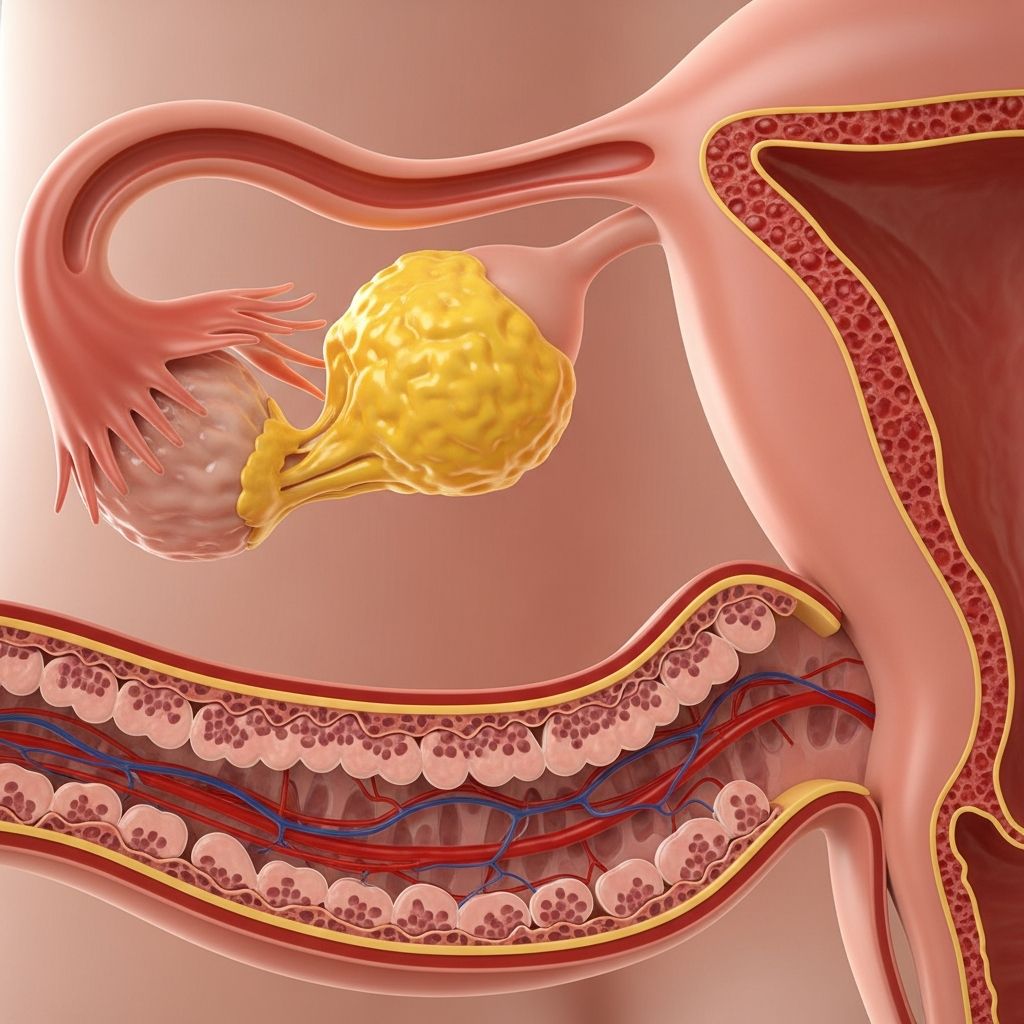
Once the egg leaves the follicle during ovulation, the leftover follicle cells undergo transformation. These cells reorganize to form the corpus luteum, a temporary glandular structure that remains in your ovary for the duration of the luteal phase. The corpus luteum is sometimes called a “temporary cyst” because it is a normal, benign structure that forms after ovulation. The corpus luteum’s primary role is to produce the hormones essential for maintaining pregnancy if fertilization occurs.
Hormonal Changes
The luteal phase is defined by significant hormonal shifts that distinguish it from the follicular phase. Once ovulation occurs, the luteinizing hormone and follicle-stimulating hormone levels decrease. Simultaneously, the corpus luteum begins producing both progesterone and estrogen. Progesterone levels rise gradually throughout the luteal phase, typically reaching their peak approximately 6 to 8 days after ovulation. These elevated progesterone levels are the defining characteristic of the luteal phase and are responsible for many of the physical and emotional symptoms women experience during this time.
Uterine Lining Thickening
One of the most important functions during the luteal phase is the preparation of your uterus for potential pregnancy. Progesterone signals your uterine lining, called the endometrium, to thicken and mature. This thickened, nutrient-rich lining creates an ideal environment for a fertilized egg to implant and begin developing. The uterine lining becomes filled with blood vessels and nutrient-rich fluids that would support an embryo if pregnancy were to occur.
Cervical Mucus Changes
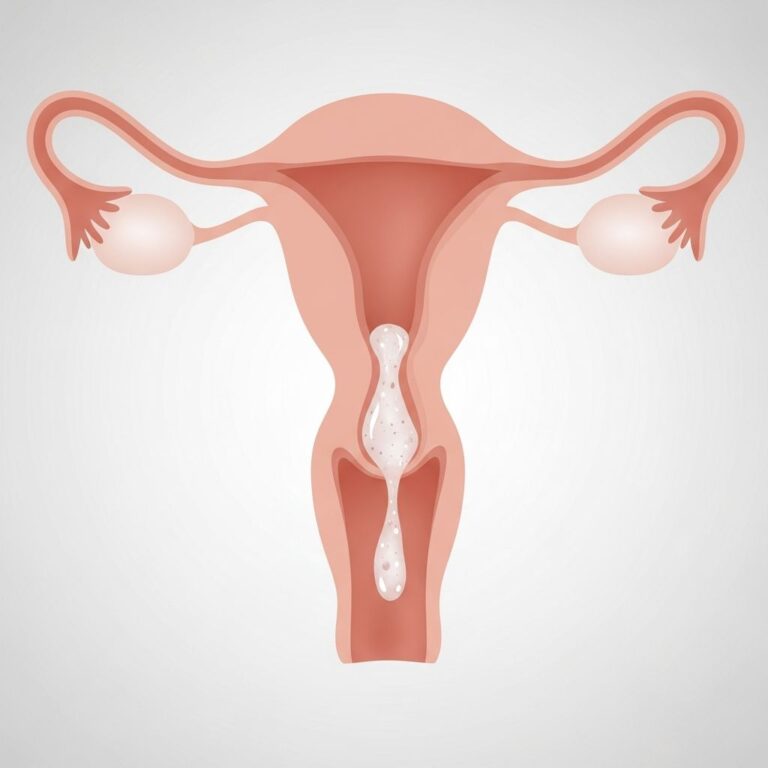
During the luteal phase, the consistency and production of cervical mucus change significantly. The mucus thickens and becomes stickier, creating a barrier that helps prevent sperm or bacteria from entering the uterus. This change in cervical mucus is a natural contraceptive mechanism when pregnancy has not occurred, as it becomes increasingly difficult for sperm to pass through the cervix during this phase.
Physical and Emotional Symptoms During the Luteal Phase
Many women experience noticeable physical and emotional changes during the luteal phase. These symptoms result from fluctuating hormone levels and vary significantly from person to person. Some women experience mild symptoms, while others find the luteal phase significantly impacts their daily life and well-being.
Common Luteal Phase Symptoms
Rising progesterone and estrogen levels trigger various bodily changes:
- Breast swelling and tenderness
- Changes in mood, including increased irritability or anxiety
- Fatigue and changes in energy levels
- Food cravings or changes in appetite
- Bloating and water retention
- Headaches or migraines
- Sleep disturbances
- Joint or muscle pain
- Skin changes such as acne breakouts
Body Temperature Changes
During the luteal phase, your basal body temperature (the temperature of your body at rest) increases slightly and remains elevated until your period begins. This increase, typically ranging from 0.5 to 1 degree Fahrenheit, results from elevated progesterone levels. Tracking your basal body temperature is one method women use to confirm ovulation has occurred, as the temperature rise indicates the luteal phase has begun. However, this rise is subtle and may not be noticeable without careful daily measurement.
The Luteal Phase and Fertility
While the luteal phase begins after ovulation, understanding its role in fertility is essential for those trying to conceive or avoid pregnancy.
Conception During the Luteal Phase
Conception can occur during the early luteal phase if an egg was fertilized during ovulation. When a sperm fertilizes the egg, the resulting embryo travels through the fallopian tube and eventually reaches the uterus for implantation. The thickened, nutrient-rich uterine lining developed during the luteal phase provides the ideal environment for this implantation. If implantation occurs, the cells surrounding the developing embryo produce human chorionic gonadotropin (hCG), a hormone that maintains the corpus luteum and sustains progesterone production. Rising hCG levels are what pregnancy tests detect, making hCG the first indicator of pregnancy.
If Pregnancy Does Not Occur
If the egg is not fertilized or a fertilized egg does not implant, the corpus luteum begins to break down approximately 14 days after ovulation. As the corpus luteum disintegrates, progesterone and estrogen levels decline sharply. This hormonal drop triggers the shedding of your thickened uterine lining, resulting in menstruation. The end of the luteal phase and the beginning of menses mark the start of a new menstrual cycle.
Luteal Phase Defect and Fertility Concerns
While most people have normal luteal phases, some may experience luteal phase defects that can affect fertility. A luteal phase defect occurs when the uterine lining does not thicken or grow sufficiently to support pregnancy. This condition may result from inadequate progesterone production by the corpus luteum or insufficient response of the uterine lining to progesterone. Some factors that may contribute to luteal phase defects include hormonal imbalances, thyroid disorders, or problems with corpus luteum development.
Healthcare providers may recommend progesterone level testing around days 20 to 21 of a 28-day cycle to assess hormone patterns and identify potential defects. If a luteal phase defect is diagnosed, various treatments may be recommended, including progesterone supplementation or other hormone therapies to support pregnancy.
Factors That Can Affect Your Luteal Phase
Several factors and conditions can influence the length and characteristics of your luteal phase:
Hormone Treatments and Medications
Hormone treatments, including progesterone supplements and assisted reproductive technology (ART) procedures, can affect the duration of your luteal phase. These medications may extend the luteal phase beyond its typical 12 to 14-day length by maintaining corpus luteum function or artificially sustaining hormone levels.
Delayed Luteal Regression
Sometimes the corpus luteum breaks down more slowly than normal at the end of the cycle, causing higher progesterone levels to persist longer than usual. This delayed regression can result in a longer luteal phase and may affect menstrual timing.
Health Conditions and Lifestyle Factors
Various health conditions, including polycystic ovary syndrome (PCOS), thyroid disorders, and hormonal imbalances, can affect luteal phase length and hormone production. Additionally, significant stress, extreme weight changes, excessive exercise, and certain lifestyle factors may influence hormonal patterns and cycle regularity.
Tracking Your Luteal Phase
Many women find value in tracking their luteal phase to understand their body’s patterns and predict their period. Several tracking methods are available:
- Calendar tracking: Mark the first day of your period and count approximately 14 days forward to estimate when your luteal phase begins
- Basal body temperature tracking: Measure your temperature daily to detect the slight rise that occurs after ovulation
- Cervical mucus observation: Monitor changes in cervical mucus consistency to identify ovulation and the beginning of the luteal phase
- Ovulation predictor kits: Use LH surge detection kits to identify when ovulation is about to occur
- Symptom tracking: Record physical and emotional symptoms to recognize your personal luteal phase patterns
Frequently Asked Questions About the Luteal Phase
Q: How long does the luteal phase typically last?
A: A normal luteal phase typically lasts 12 to 14 days. However, luteal phases lasting 11 to 17 days are considered within the normal range. Individual variation is common, and some people may have slightly shorter or longer luteal phases depending on their unique hormonal patterns.
Q: Can I get pregnant during the luteal phase?
A: Pregnancy can occur during the early luteal phase if conception happened during ovulation. However, as the luteal phase progresses and moves further from ovulation, the window for pregnancy closes. By the late luteal phase, pregnancy from that cycle is unlikely unless implantation is occurring.
Q: Why do I experience mood changes during the luteal phase?
A: The rising and falling levels of progesterone and estrogen during the luteal phase affect neurotransmitter levels in your brain, which can influence mood, anxiety, and emotional well-being. These hormonal fluctuations are a normal part of your cycle, though the intensity varies among individuals.
Q: What is the corpus luteum and why is it important?
A: The corpus luteum is a temporary glandular structure that forms after ovulation from the cells of the empty follicle. It produces progesterone and estrogen, with progesterone being essential for thickening the uterine lining and preparing your body for pregnancy. The corpus luteum disintegrates after approximately 14 days if pregnancy does not occur.
Q: How does the luteal phase relate to premenstrual syndrome (PMS)?
A: PMS occurs during the luteal phase, typically in the days leading up to your period. The hormonal changes during this phase, particularly the drop in estrogen and progesterone levels, are believed to trigger PMS symptoms such as mood changes, bloating, breast tenderness, and fatigue.
Q: Can luteal phase length vary from cycle to cycle?
A: While the luteal phase is generally more consistent in length than the follicular phase, some variation from cycle to cycle is normal. Stress, illness, hormonal changes, and lifestyle factors can cause minor variations in luteal phase length. However, significant variations may warrant discussion with a healthcare provider.
References
- Luteal Phase Of The Menstrual Cycle — Cleveland Clinic. 2024-11-04. https://my.clevelandclinic.org/health/articles/24417-luteal-phase
- Corpus Luteum: Development, Anatomy & Function — Cleveland Clinic. https://my.clevelandclinic.org/health/body/21849-corpus-luteum
- Luteal Phase Defect: Causes, Symptoms & Treatment — Cleveland Clinic. https://my.clevelandclinic.org/health/diseases/luteal-phase-defect
- What Is Luteal Phase? — Everlywell. https://www.everlywell.com/blog/womens-fertility/what-is-luteal-phase/
- Luteal Phase: Symptoms, Length, and More — WebMD. https://www.webmd.com/women/luteal-phase
- Cervical Mucus: Chart, Stages, Tracking & Fertility — Cleveland Clinic. https://my.clevelandclinic.org/health/body/21957-cervical-mucus
Similar Articles








Read full bio of medha deb