Lyme Disease: Complete Guide To Symptoms, Treatment, Prevention
Comprehensive guide to Lyme disease: symptoms, causes, diagnosis, treatment, prevention, and living with this tick-borne illness.
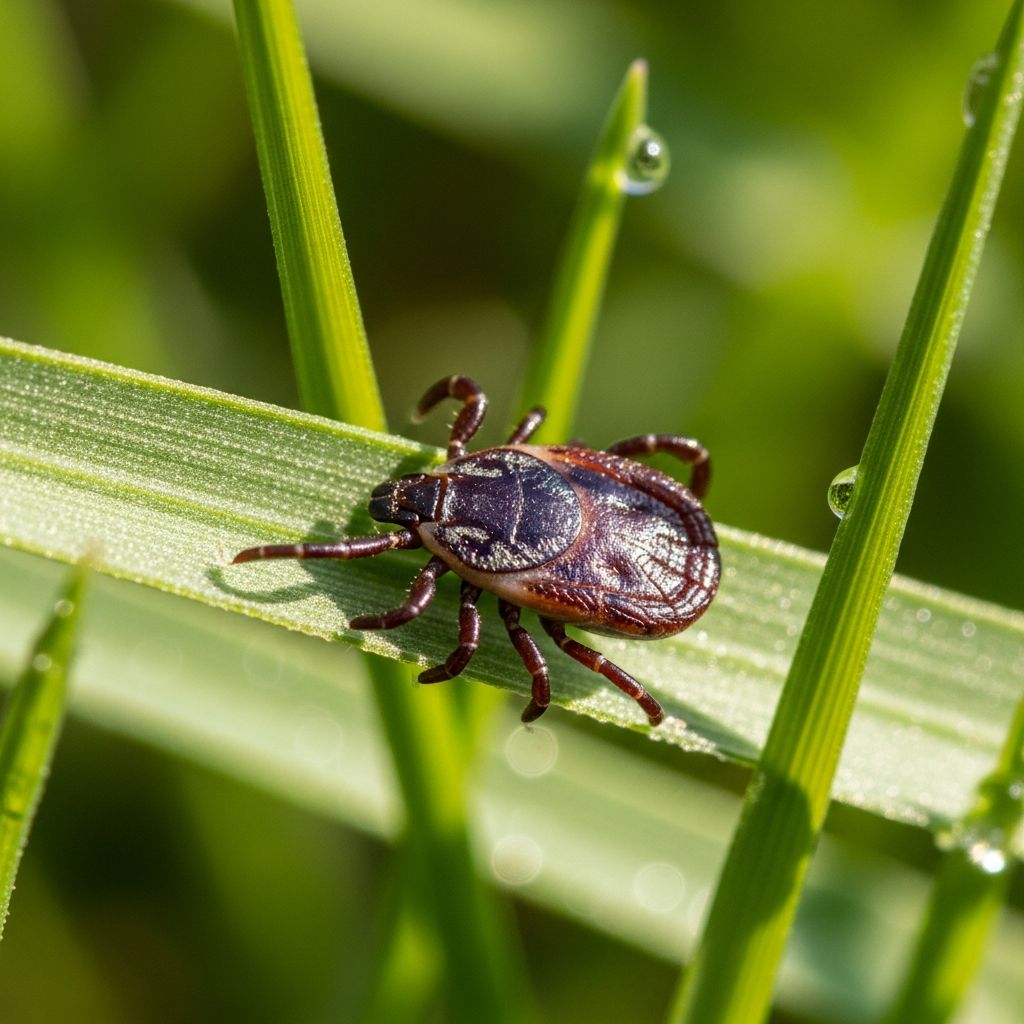
Lyme disease is a bacterial infection transmitted to humans through the bite of infected blacklegged ticks, primarily caused by Borrelia burgdorferi in the United States and related species elsewhere. Typical early symptoms include fever, headache, fatigue, and a distinctive skin rash known as erythema migrans, which appears in about 70-80% of cases; if untreated, it can progress to joint, heart, and nervous system complications. This article covers causes, symptoms by stage, diagnosis, treatment, prevention, and more to help you understand and manage this common tick-borne illness prevalent in the Northeast, mid-Atlantic, and upper Midwest U.S.
What Is Lyme Disease?
Lyme disease, also called Lyme borreliosis, is a multisystem infectious disease caused by spirochete bacteria of the Borrelia burgdorferi sensu lato complex, with B. burgdorferi sensu stricto responsible for most U.S. cases and B. afzelii and B. garinii more common in Europe and Asia. It affects the skin, joints, heart, and nervous system, occurring worldwide but most frequently in temperate regions due to suitable tick habitats. The disease has three stages: early localized, early disseminated, and late disseminated, with symptoms varying by stage and individual immune response. Incidence is rising due to reforestation, increased outdoor activities, and expanding tick ranges influenced by climate and wildlife. In the U.S., over 476,000 people are diagnosed or treated annually, though underreporting is common.
Symptoms of Lyme Disease
Symptoms depend on the infection stage and can mimic other conditions, making early recognition crucial. Not all patients develop the classic rash, and symptoms may overlap stages.
Early Localized Lyme Disease
This stage begins 3-30 days post-bite (average 7-14 days). The hallmark is erythema migrans (EM), a red, expanding rash at the bite site, often 2-12 inches wide, with a bull’s-eye appearance in 50-70% of cases—clear center, red ring, sometimes a second ring. EM is warm but rarely painful or itchy and may appear on trunk, thighs, or limbs. Flu-like symptoms accompany it: fever (>100.4°F), chills, headache, fatigue, muscle/joint aches, swollen lymph nodes. EM alone diagnoses early Lyme without lab tests.
Early Disseminated Lyme Disease
Weeks to months after bite, bacteria spread via blood/lymphatics in 15-50% untreated cases. Multiple EM rashes appear distant from bite site. Neurological issues (10-15%): facial palsy (Bell’s palsy, one or both sides), meningitis (severe headache, neck stiffness), radiculoneuritis (pain/numbness shooting from spine to limbs). Cardiac: Lyme carditis (1-10%), AV block causing irregular heartbeat, dizziness, fainting. Eye: conjunctivitis, keratitis. Musculoskeletal: migratory pain.
Late Disseminated Lyme Disease
Months to years later in untreated cases. Arthritis (60%): recurrent knee swelling/pain (Lyme arthritis), lasting weeks-months, mimicking rheumatoid arthritis. Neurological (late neuroborreliosis): encephalopathy (memory loss, mood changes), polyneuropathy (numbness/tingling). Skin: acrodermatitis chronica atrophicans (ACA, Europe mostly), bluish-red patches on extremities evolving to atrophy/ulcers, affecting elderly. Rarely, chronic symptoms persist post-treatment, termed post-treatment Lyme disease syndrome (PTLDS).
| Stage | Skin | Systemic/Flu-like | Joints/Muscles | Neurologic | Cardiac |
|---|---|---|---|---|---|
| Early Localized | Single EM rash | Fever, fatigue, headache | Aches | None typical | None |
| Early Disseminated | Multiple EM | Persistent fever | Migratory pain | Facial palsy, meningitis | Heart block |
| Late Disseminated | ACA (rare) | Fatigue | Arthritis (knees) | Encephalopathy, neuropathy | Rare |
Causes and Risk Factors
Caused by Borrelia spirochetes in blacklegged ticks (Ixodes scapularis East/Midwest, I. pacificus West). Ticks acquire bacteria from rodent/deer hosts during 2-year lifecycle: larvae/nymphs feed summer/fall, adults winter/spring. Humans infected when nymphs (tiny, grass-active, May-July) or adults bite 36-48 hours. Risk factors: living/hiking in endemic areas (Northeast, Midwest), warm months, no repellents, pets bringing ticks indoors. Not person-to-person; rare via blood/transplants. Climate change expands tick range northward.
Related Stories



Diagnosis
Clinical: EM rash + exposure history diagnoses early Lyme; no tests needed. Later stages: two-step serology—ELISA then Western blot/PCR on joints/skin. CDC recommends FDA-cleared tests; false negatives early (antibodies take 2-6 weeks). Challenges: cross-reactivity with other illnesses, PTLDS debate. Differential: viral illnesses, STIs, autoimmune.
Treatment
Antibiotics cure most: doxycycline (first-line adults/kids >8), amoxicillin (kids <8/pregnant), cefuroxime. Early: 10-21 days oral. Disseminated: IV ceftriaxone 14-28 days for neuro/cardiac. Arthritis: extended doxycycline. PTLDS: symptom management, no prolonged antibiotics (ineffective, risky). Response: EM resolves weeks; arthritis months. Vaccine: none currently; prior LYMErix discontinued.
- Early treatment success: >95% cure rate.
- IV for severe: Hospitalized if heart block/meningitis.
- Follow-up: Monitor symptoms 3-6 months.
Prevention
Avoid bites: EPA repellents (DEET 20-30%, picaridin), permethrin clothes, light clothing, tuck pants socks. Avoid woods/grass; stick paths. Check body/scalp after outdoors (ticks < sesame seed). Shower, dry clothes high heat. Pets: tick collars. Remove ticks: fine tweezers, steady pull, clean site. Prophylaxis: single doxycycline dose if high-risk (blacklegged <36h Northeast/Midwest, <72h California). Landscape: clear leaves, woodchips yard-edge.
Living With Lyme Disease
Most recover fully, but 10-20% experience PTLDS: fatigue, pain, cognitive issues >6 months post-treatment. Manage: rest, exercise, therapy, support groups. Mental health: anxiety/depression common. Long-term: monitor joints/heart. Prevention ongoing in endemic areas. Research: better diagnostics, vaccines (Pfizer/Valneva trial ongoing).
Frequently Asked Questions (FAQs)
What does the Lyme disease rash look like?
The erythema migrans rash is red, expanding (>2 inches), often bull’s-eye (clear center), warm, non-itchy. Appears 3-30 days post-bite.
How long after a tick bite do Lyme symptoms appear?
3-30 days for early symptoms; disseminated weeks-months later.
Can you get Lyme disease from a pet?
No direct transmission, but pets carry ticks indoors.
Is there a Lyme disease vaccine?
No current vaccine; research ongoing. Past vaccine discontinued 2002.
What if I think I have Lyme disease?
See doctor promptly for exam/tests; early antibiotics cure most.
References
- About Lyme Disease — Centers for Disease Control and Prevention (CDC). 2024-10-01. https://www.cdc.gov/lyme/about/index.html
- Lyme Disease: An Overview — Bobe JR, et al. Indian Journal of Dermatology, PMC. 2023-09-15. https://pmc.ncbi.nlm.nih.gov/articles/PMC10506804/
Similar Articles








Read full bio of medha deb