Lyme Disease: 3 Stages, Symptoms, Treatment Guide
Comprehensive guide to Lyme disease: causes, symptoms, diagnosis, treatment, and prevention strategies for this tick-borne illness.
Authoritative facts about Lyme disease from DermNet New Zealand dermatological society-authored textbooks and journals.
What is Lyme disease?
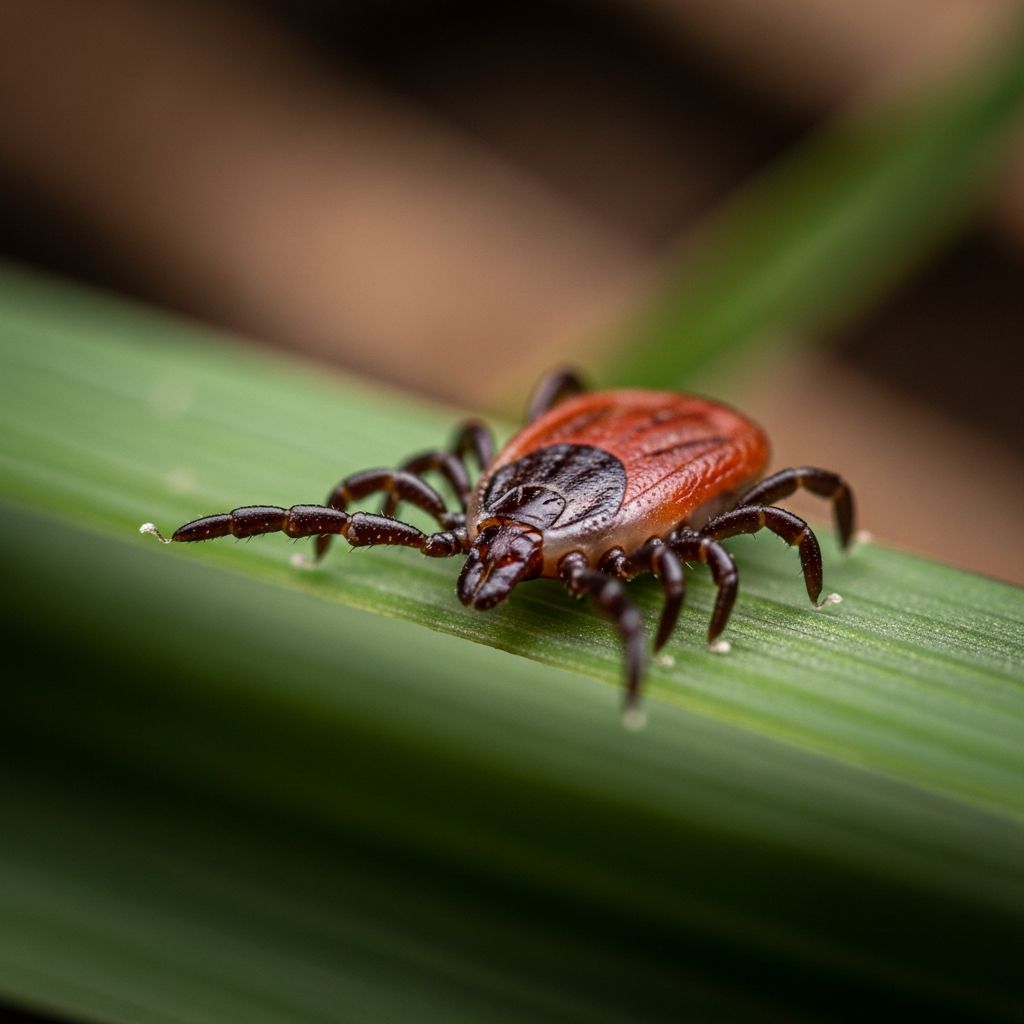
Lyme disease, also known as Lyme borreliosis, is an infectious disease caused by the spirochaete bacterium Borrelia burgdorferi (and related species) transmitted primarily through the bite of infected black-legged ticks (also called deer ticks). It is the most common tick-borne disease in the Northern Hemisphere, affecting skin, joints, heart, and nervous system if untreated. The disease progresses in stages: early localized, early disseminated, and late disseminated. Early recognition is crucial as antibiotics effectively cure most cases when administered promptly.
Named after Lyme, Connecticut, where it was first identified in 1975, Lyme disease has become a global concern in tick-endemic areas. In the United States, the Centers for Disease Control and Prevention (CDC) estimates over 476,000 new cases annually, though many go undiagnosed. Transmission requires the tick to be attached for 36-48 hours, emphasizing the importance of prompt tick removal.
Who gets Lyme disease?
Lyme disease affects individuals of all ages, but children under 15 and adults over 50 are at higher risk due to outdoor activities in endemic areas. It is more common in temperate regions of North America, Europe, and Asia, particularly during warmer months (May-October) when ticks are active. People engaging in hiking, camping, gardening, or working in wooded/grassy areas face greater exposure. Pets can also carry ticks indoors, increasing household risk.
- High-risk groups: Outdoor enthusiasts, landscapers, farmers.
- Geographic hotspots: Northeastern, Mid-Atlantic, and Upper Midwest US; parts of Europe (e.g., Germany, Austria).
What causes Lyme disease?
The causative agent is Borrelia burgdorferi sensu stricto in North America and B. afzelii or B. garinii in Europe/Asia. These spirochetes are maintained in nature via a cycle involving Ixodes ticks (e.g., Ixodes scapularis in the US, I. ricinus in Europe) and reservoir hosts like white-footed mice and deer. Humans are incidental hosts. Coinfections with other tick-borne pathogens (e.g., Anaplasma, Babesia) can occur, complicating symptoms.
Ticks acquire bacteria during blood meals from infected animals as larvae or nymphs, then transmit to humans during subsequent feeds. Nymph-stage ticks (size of a poppy seed) are responsible for most transmissions due to their inconspicuous nature.
What are the clinical features of Lyme disease?
Early localised infection (3–30 days)
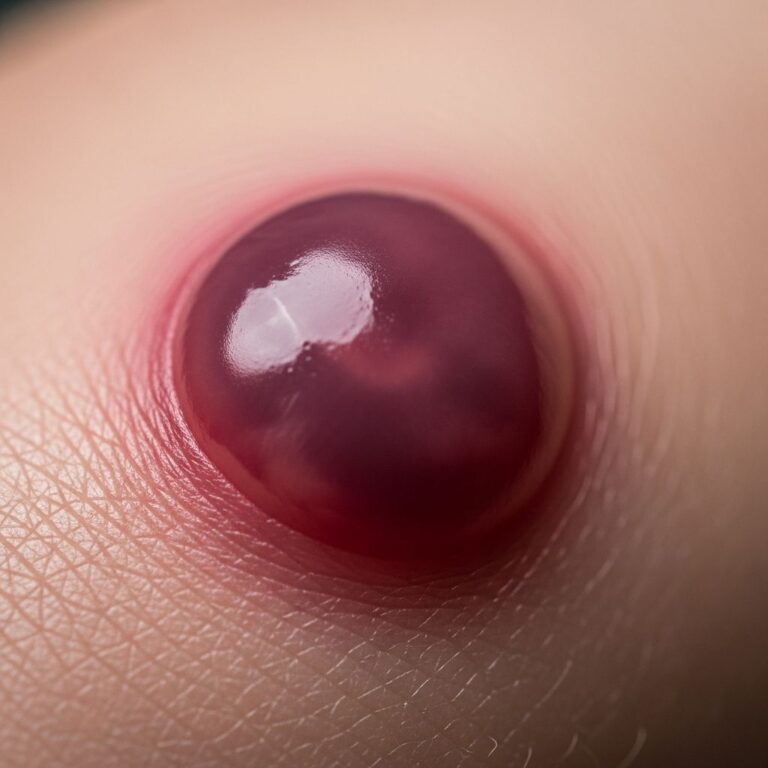
The hallmark is erythema migrans (EM), a slowly expanding rash at the bite site in 70-80% of cases, appearing 3-30 days post-bite. EM starts as a red macule/plaque, expanding to >5 cm with central clearing (‘bullseye’ appearance in 20-30%). It is usually asymptomatic but may itch or burn. Multiple EM lesions indicate dissemination.
Constitutional symptoms include fever, chills, fatigue, headache, myalgias, arthralgias, and regional lymphadenopathy.
Early disseminated infection (days to weeks)
Without treatment, bacteria spread hematogenously, causing secondary EM lesions, facial palsy (Bell’s palsy, often bilateral), meningitis, carditis (AV block), or conjunctivitis. Neurological involvement (Lyme neuroborreliosis) affects 10-15%: headache, neck stiffness, cranial neuritis.
Related Stories



Late disseminated infection (months to years)
Lyme arthritis develops in 30-60% untreated US cases: oligoarticular, large-joint (knees), with swelling and pain. Acrodermatitis chronica atrophicans (ACA) is a late skin manifestation in Europe: bluish-red discoloration on extremities, progressing to atrophy/sclerosis. Neurological late features include encephalomyelitis or peripheral neuropathy.
Diagnosis of Lyme disease
Diagnosis combines clinical findings, exposure history, and serology. EM rash alone warrants treatment without lab confirmation in endemic areas.
Laboratory testing
CDC recommends a two-tiered serologic protocol: sensitive ELISA screening, followed by specific Western immunoblot if positive/equivocal. IgM peaks 3-6 weeks post-infection; IgG later and persists. PCR or culture is research-only, not routine. Early testing (<2 weeks) may be falsely negative due to absent antibodies. CSF analysis for neuroborreliosis shows pleocytosis.
| Stage | Preferred Test | Sensitivity/Specificity |
|---|---|---|
| Early (<4 weeks) | Clinical + history | High clinical suspicion |
| Disseminated/Late | ELISA + Western blot | ~90% sensitivity post-4 weeks |
Differential diagnosis
- EM: Ringworm, cellulitis, tinea versicolor.
- Arthritis: Rheumatoid, septic, gout.
- Neurological: Viral meningitis, Guillain-Barré.
Treatment of Lyme disease
Antibiotics are curative in most cases; choice depends on stage and symptoms.
| Manifestation | Adults | Children | Duration |
|---|---|---|---|
| Early localized (EM) | Doxycycline 100 mg BID | Amoxicillin 50 mg/kg/d (max 500 mg/dose) TID | 10-21 days |
| Neurological | IV Ceftriaxone 2 g daily | 50 mg/kg/d (max 2 g) | 14-28 days |
| Arthritis | Doxycycline or Amoxicillin | Same as above | 28 days |
Doxycycline is first-line for adults (covers coinfections); avoid in pregnancy/children <8 years. Jarisch-Herxheimer reaction (fever worsening 24h post-treatment) occurs in 5-15%, self-limited.
Post-treatment Lyme disease syndrome (PTLDS)
10-20% report persistent fatigue, pain, cognitive issues >6 months post-antibiotics. Not active infection; manage symptomatically. Prolonged antibiotics not recommended.
Complications of Lyme disease
Untreated, risks include chronic arthritis (10%), neuroborreliosis (encephalopathy, polyneuropathy), cardiomyopathy. Coinfections worsen prognosis. Rare fetal effects if untreated in pregnancy.
Prevention of Lyme disease
- Tick checks after outdoor activity; shower within 2 hours.
- Tick removal: Grasp with tweezers, steady pull; avoid crushing.
- Repellents: DEET (20-30%), permethrin on clothing.
- Protective clothing, avoid brushy areas.
- Vaccine: None currently available; prior LYMErix discontinued.
Post-treatment Lyme disease syndrome
PTLDS features ongoing symptoms despite standard therapy. Research identifies subsets via rigorous evaluation. Differentiate from other fatiguing illnesses.
Frequently asked questions (FAQs) on Lyme disease
Q: Is a bullseye rash always present in Lyme disease?
A: No, only 70-80% develop erythema migrans; some miss it or it goes unrecognized.
Q: Can Lyme disease be cured?
A: Yes, antibiotics cure most early cases fully; late treatment still effective but complications may linger.
Q: How soon after a tick bite do symptoms appear?
A: 3-30 days for early signs; prompt removal within 24-36 hours prevents infection.
Q: Is Lyme disease fatal?
A: Rare; untreated cardiac/neurologic issues can be serious but treatable.
Q: Can pets get Lyme disease?
A: Yes, dogs commonly; use preventives and check them too.
References
- Lyme disease – Wikipedia — Wikipedia. 2024. https://en.wikipedia.org/wiki/Lyme_disease
- Lyme Disease – StatPearls — NCBI Bookshelf. 2023-08-08. https://www.ncbi.nlm.nih.gov/books/NBK431066/
- Diagnosis and Management of Lyme Disease — AAFP. 2012-06-01. https://www.aafp.org/pubs/afp/issues/2012/0601/p1086.html
- Lyme Disease Treatment | Prognosis — Johns Hopkins Lyme Disease Research Center. 2023. https://www.hopkinslyme.org/lyme-disease/treatment-and-prognosis-of-lyme-disease/
- Lyme disease: Symptoms and treatment — Government of Canada. 2024. https://www.canada.ca/en/public-health/services/diseases/lyme-disease.html
- Lyme disease – Diagnosis and treatment — Mayo Clinic. 2023-11-20. https://www.mayoclinic.org/diseases-conditions/lyme-disease/diagnosis-treatment/drc-20374655
- Ticks and Lyme Disease — U.S. Food and Drug Administration. 2023. https://www.fda.gov/consumers/consumer-updates/ticks-and-lyme-disease-symptoms-treatment-and-prevention
Similar Articles








Read full bio of medha deb