Lymecycline Capsules (Tetralysal): Acne Treatment Guide
Comprehensive guide to lymecycline capsules for acne treatment: uses, dosage, side effects, and essential precautions.
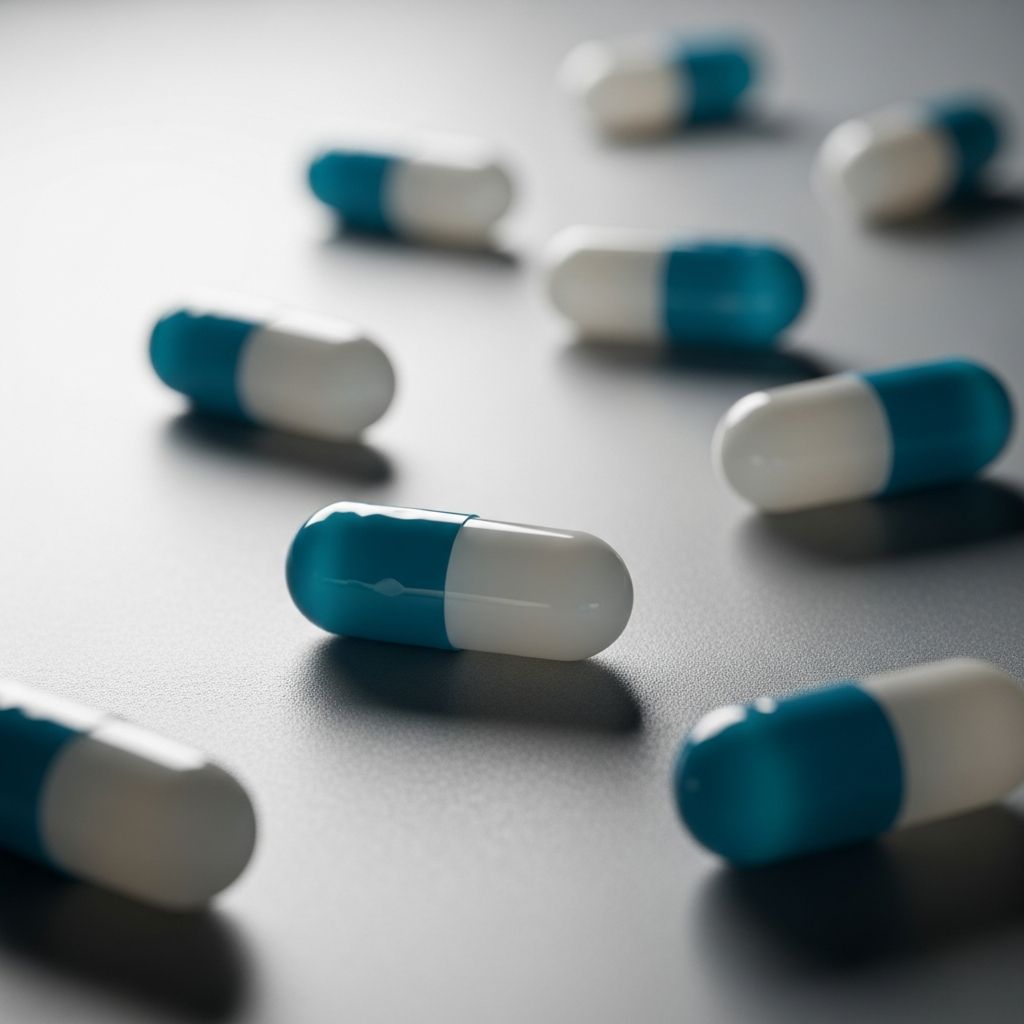
Lymecycline, commonly known by the brand name Tetralysal, is a tetracycline antibiotic primarily prescribed for treating moderate to severe acne. It works by inhibiting bacterial protein synthesis, targeting the acne-causing bacteria Propionibacterium acnes, reducing inflammation and preventing new spots from forming. Unlike some antibiotics, lymecycline is specifically formulated in capsule form to improve absorption and minimize gastrointestinal upset.
Acne affects millions worldwide, often persisting into adulthood, and lymecycline offers a reliable oral treatment option when topical therapies fall short. Treatment typically spans 8-12 weeks, with visible improvements starting after 6-8 weeks of consistent use. Full courses must be completed to prevent resistance and ensure efficacy.
About lymecycline capsules
Lymecycline belongs to the tetracycline class of broad-spectrum antibiotics, effective against a range of susceptible microorganisms. Each capsule contains 408 mg of lymecycline, equivalent to 300 mg of tetracycline base, allowing for once-daily dosing which enhances patient compliance.
The drug is rapidly absorbed after oral administration, reaching peak plasma levels within 3-4 hours. It distributes widely into tissues including skin, lungs, bones, and genitourinary tract, achieving therapeutic concentrations where infections occur. Approximately 65% is excreted via urine within 48 hours, with the remainder through bile. Steady-state plasma levels of 2.3-5.8 µg/mL are maintained with repeated dosing, supporting its use in prolonged acne therapy.
Unlike older tetracyclines, lymecycline’s formulation reduces esophageal irritation risks when taken correctly. It is not suitable for immediate relief; patience is key as skin turnover takes time.
Key facts about lymecycline
- Lymecycline is a tetracycline antibiotic used mainly for acne but also other bacterial infections.
- Capsules are taken once daily, typically in the morning.
- Improvement in acne is seen after 6-8 weeks; full effects by 12 weeks.
- Common side effects include headache, nausea, stomach pain, and diarrhoea.
- Avoid sunlight exposure due to increased photosensitivity risk.
- Not recommended during pregnancy or breastfeeding.
When not to take lymecycline (Tetralysal)
Certain individuals must avoid lymecycline due to potential health risks. It is contraindicated in pregnancy and breastfeeding, as tetracyclines cross the placenta and enter breast milk, risking fetal bone growth inhibition, tooth enamel hypoplasia, and dental discoloration in infants.
Patients with systemic lupus erythematosus (SLE) or myasthenia gravis should not use it, as it can exacerbate these conditions—SLE through autoimmune flares and myasthenia via worsened muscle weakness. History of tetracycline allergy prohibits use. Caution is advised in renal or hepatic impairment, with dose adjustments or monitoring required.
Additionally, avoid if planning oral typhoid vaccination, as lymecycline interferes with its efficacy. Disclose all medications, including over-the-counter and herbals, to prevent interactions.
How and when to take lymecycline
Always follow your doctor’s prescription and read the patient information leaflet. For acne, the standard dose is one 408 mg capsule daily, preferably in the morning. For other infections, it may be 1-2 capsules twice daily.
Related Stories



Swallow capsules whole with a full glass of water while sitting or standing to prevent throat irritation or esophageal ulceration—a known tetracycline risk. Do not chew, crush, or open them. Take with or without food, but avoid lying down immediately after dosing.
If a dose is missed, take it as soon as remembered unless near the next dose. Never double up. Complete the full course, even if symptoms improve, to avoid resistance.
| Condition | Typical Dose | Frequency |
|---|---|---|
| Acne | 1 capsule (408 mg) | Once daily |
| Infections | 1-2 capsules | Twice daily |
Common questions about lymecycline
How long does lymecycline take to work? Most see acne improvement after 6-8 weeks, with optimal results by 12 weeks.
Can I drink alcohol while taking lymecycline? Moderate alcohol is generally fine, but excess may worsen side effects like nausea.
Does lymecycline affect contraception? No significant interaction with hormonal contraceptives, but use barrier methods if concerned.
Side effects of lymecycline
Like all medications, lymecycline can cause side effects, though not everyone experiences them. Most are mild and resolve post-treatment.
Common side effects
These affect more than 1 in 100 people:
- Feeling sick (nausea)
- Stomach pain or abdominal discomfort
- Diarrhoea
- Headache
- Photosensitivity (skin more sensitive to sunlight)
Serious side effects (rare)
Seek immediate medical help for:
- Severe allergic reactions (swelling, breathing difficulty, hives)
- Intracranial hypertension signs (severe headache, vision changes, vomiting)
- Persistent diarrhoea (possible C. difficile infection)
- Thrush (oral or vaginal candidiasis)
- Skin peeling, blistering, or severe rash
Tetracyclines may rarely cause hepatotoxicity, renal issues, or permanent vision loss from benign intracranial hypertension.
How to manage lymecycline side effects
Many side effects can be mitigated with simple strategies:
| Side Effect | Management Tips |
|---|---|
| Feeling sick, stomach pain | Eat simple meals; avoid spicy/fatty foods. Take with food if needed. |
| Diarrhoea | Stay hydrated. Consult doctor if severe or persistent. |
| Headache | Hydrate well; use pharmacist-recommended painkillers. See doctor if ongoing. |
| Photosensitivity | Use high-SPF sunscreen, cover skin, avoid sunbeds. |
| Thrush | Speak to pharmacist for antifungal treatment. |
If side effects persist or worsen, contact your doctor. Regular blood tests may be needed for long-term use to monitor liver/kidney function.
Frequently Asked Questions (FAQs)
Q: Can children take lymecycline?
A: Not typically under 12 years due to dental risks; consult a paediatrician.
Q: What if I forget a dose?
A: Take it as soon as possible, but skip if almost time for next. Do not double dose.
Q: Does lymecycline cause weight gain?
A: No evidence of weight gain; side effects are mainly gastrointestinal.
Q: Can I stop early if acne improves?
A: No—complete the course to prevent recurrence and resistance.
Q: Is lymecycline safe long-term?
A: Short courses preferred; long-term requires monitoring for resistance and organ function.
Interactions and precautions
Lymecycline interacts with antacids, iron supplements, and dairy (take 2-3 hours apart). It may reduce efficacy of oral contraceptives slightly and interfere with lab tests like urine glucose. Avoid methoxyflurane anaesthesia due to renal toxicity risk.
Prolonged use risks superinfection, resistant organisms, or pseudomembranous colitis. Use sunscreen and protective clothing.
In summary, lymecycline is a valuable acne treatment when used appropriately under medical supervision, balancing efficacy with manageable risks.
References
- Lymecycline Capsules (Tetralysal) – Patient.info — Patient.info. 2023. https://patient.info/medicine/lymecycline-capsules-tetralysal
- Tetralysal: Dosages and Ingredients — MIMS Philippines. 2024. https://www.mims.com/philippines/drug/info/tetralysal?type=full
- Tetralysal Patient Information Leaflet — medicines.org.uk. 2023-05-01. https://www.medicines.org.uk/emc/files/pil.926.pdf
- Tetralysal Summary — vivamistorage.blob.core.windows.net. 2023. https://vivamistorage.blob.core.windows.net/pdf/Tetralysal.pdf
- Lymecycline: Uses, Interactions — DrugBank. 2024-01-15. https://go.drugbank.com/drugs/DB00256
- Lymecycline – NHS — NHS.uk. 2024-06-20. https://www.nhs.uk/medicines/lymecycline/
Similar Articles








Read full bio of medha deb