Lymph: Function, Importance & What It’s Made Of
Understanding lymph: the essential fluid that protects your health and maintains bodily balance.
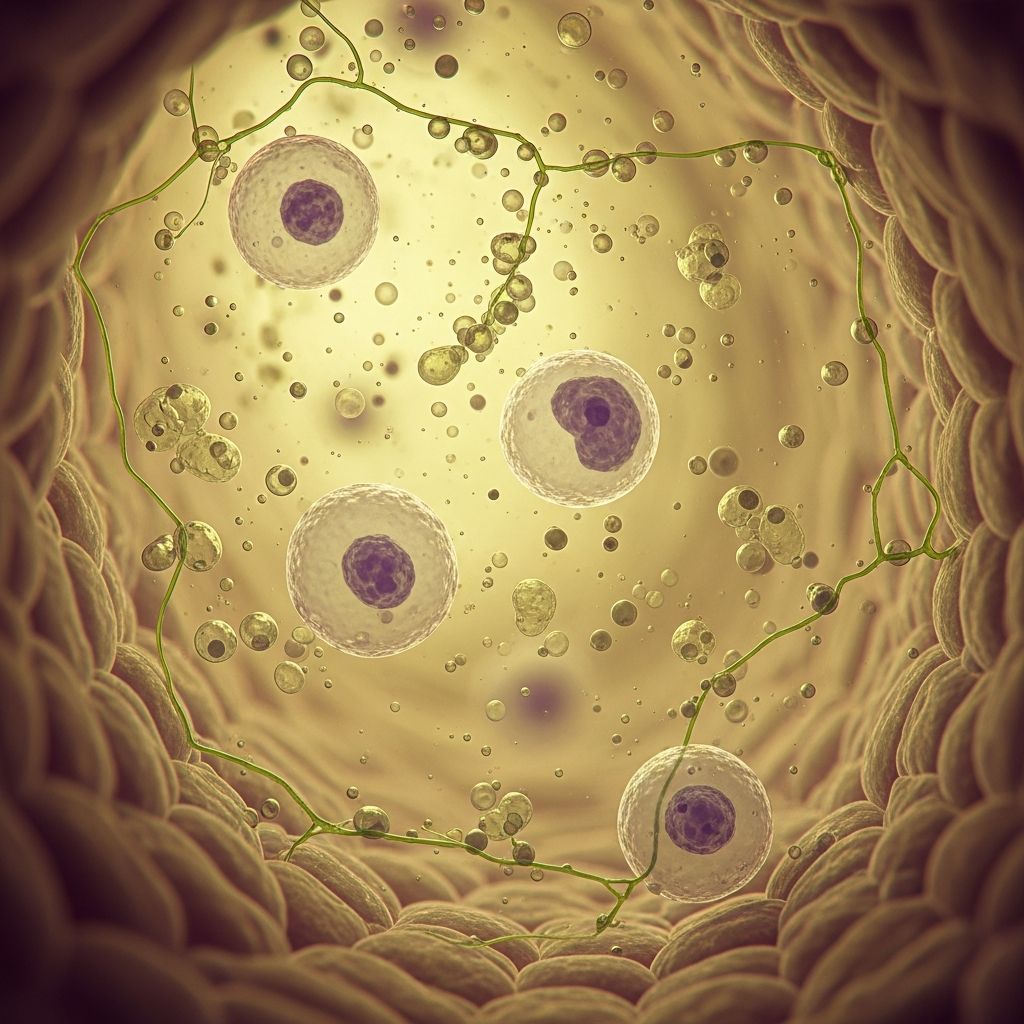
Understanding Lymph: Your Body’s Vital Fluid
Lymph is a colorless, watery fluid that flows continuously through your lymphatic system, serving as one of your body’s most important defense mechanisms. Often overlooked despite its critical role, lymph is essential for maintaining health, supporting immune function, and keeping your body’s fluid balance in equilibrium. To truly understand the significance of lymph, it helps to examine how your body creates this fluid and the remarkable journey it takes through your system.
How Your Body Creates Lymph
The story of lymph begins with your circulatory system, which works in partnership with your lymphatic system. Your circulatory system is an intricate network of arteries, veins, and capillaries that transport blood throughout your body. Blood contains plasma, a yellowish liquid component that carries essential nutrients, proteins, oxygen, and other vital substances.
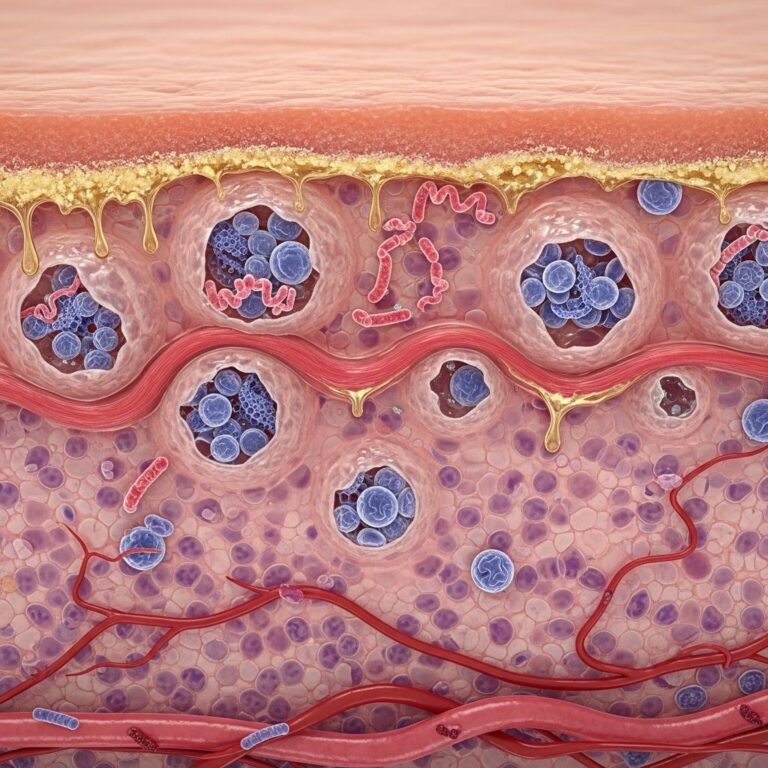
As blood flows through your capillaries—the smallest blood vessels in your body—something remarkable happens. Some plasma oozes through tiny holes in the capillary walls, moving into the tissues and spaces around your cells. This plasma changes its identity at this point: once it enters the tissues, it’s no longer called plasma. It becomes lymph. This transformation marks the beginning of lymph’s critical journey through your body.
When plasma becomes lymph in your tissues, it serves a dual purpose. First, it delivers oxygen, proteins, and other essential nutrients directly to your cells. Your tissues eagerly absorb these nutrients just as a sponge soaks up water. However, cells also generate waste products during their normal metabolic processes, leaving behind cellular debris, damaged cells, and other unwanted materials.
The Composition of Lymph
Lymph is not a uniform fluid. Its composition varies depending on where it is in your body and what functions it’s currently performing. Generally, lymph contains water, proteins, minerals, nutrients, white blood cells (lymphocytes), and various cellular waste products. One particularly interesting type of lymph is called chyle, which is produced primarily by your liver and digestive system—organs responsible for generating approximately 80% of your body’s lymph.
Chyle has a distinctive characteristic: it appears milky rather than clear because it contains a mixture of white blood cells and fats. This composition makes it especially important for fat absorption and distribution throughout your body. The presence of white blood cells in lymph itself demonstrates how your immune system is actively working within this fluid, constantly patrolling for threats.
The Journey of Lymph Through Your Body
After plasma becomes lymph and exchanges nutrients for waste products in your tissues, it cannot simply return to your bloodstream through the same capillary walls that it originally exited. Instead, lymph must take a different route. Tiny lymphatic capillaries—the smallest vessels in your lymphatic system—pick up this excess fluid from your tissues. These capillaries are strategically located throughout your body, present in the tissues of nearly every organ.
Once lymph enters these lymphatic capillaries, it begins its journey back through your body. These capillaries merge into progressively larger tubes called lymphatic vessels, similar to how small streams combine to form rivers. These vessels work tirelessly to keep lymph moving in one direction: toward your heart and back into your bloodstream.
Related Stories



Along this journey, lymph passes through lymph nodes—small, bean-shaped structures that serve as quality control checkpoints. Think of lymph nodes as your body’s security system. As lymph flows through these nodes, immune cells work diligently to search through the lymph cargo, identifying and destroying any harmful organisms including bacteria, viruses, damaged cells, and cancerous cells. White blood cells called lymphocytes perform the heavy lifting, marking, destroying, and removing pathogens and abnormal cells from the lymph.
Lymph Nodes: Quality Control Centers
Your body contains anywhere from 400 to 800 lymph nodes, distributed strategically throughout your body. These nodes are concentrated in areas where major blood vessels come together, including your neck, armpits, abdomen, chest, behind your ears, and groin. Each lymph node is composed of lymphoid tissue containing various types of immune cells including lymphocytes, plasma cells, T cells, B cells, dendritic cells, and macrophages.
The filtering process within lymph nodes is sophisticated and efficient. Lymph enters the node through lymphatic vessels, then flows through the sinuses, cortex, and medulla—regions where immune cells concentrate their efforts. During this passage, immune cells examine every component of the lymph, destroying pathogens and removing damaged or diseased cells. The cleaned lymph then exits the node through lymphatic vessels on the opposite side, continuing its journey through the lymphatic system.
Returning to Your Bloodstream
After passing through lymph nodes and being filtered, the cleaned lymph continues its journey through increasingly larger lymphatic vessels. Eventually, this fluid reaches one of two major ducts in your upper chest: the right lymphatic duct and the thoracic duct. These ducts function like highway on-ramps, merging lymph into large veins called your subclavian veins. From these veins, lymph reenters your bloodstream and can circulate through your body again, ready to deliver fresh nutrients and perform its essential functions once more.
This continuous cycle happens every single day. To understand the scale of this process, consider that approximately 20 liters of plasma flow out of your capillaries daily through tiny pores in their thin walls. Of this amount, about 17 liters return directly to your bloodstream through the capillary walls. However, the remaining 3 liters rely entirely on your lymphatic system to return them to your circulation. Without this lymphatic return mechanism, fluid would accumulate in your tissues, causing painful swelling.
The Critical Functions of Lymph
Lymph serves multiple vital functions that work together to maintain your overall health:
Nutrient and Protein Delivery
Lymph carries essential nutrients, proteins, and fats to your cells and tissues, ensuring they have the resources necessary for optimal functioning. This nutrient delivery is particularly important for maintaining energy levels, supporting cellular repair, and enabling growth.
Immune System Support
By transporting immune cells and filtering out pathogens, lymph plays a fundamental role in protecting your body from infections and disease. White blood cells circulating in lymph actively patrol your tissues, searching for foreign invaders.
Fluid Balance Maintenance
Your lymphatic system maintains healthy fluid levels throughout your body by collecting excess fluid from tissues and returning it to your bloodstream. This balance is crucial for proper organ function, circulation, and cellular communication.
Waste Removal
Lymph acts as your body’s cleanup crew, collecting damaged cells, dead cells, bacteria, viruses, and other cellular debris from your tissues. This waste collection prevents the buildup of harmful substances that could damage healthy tissue.
Fat and Fat-Soluble Vitamin Absorption
The chyle produced by your digestive system helps absorb fats and fat-soluble vitamins (vitamins A, D, E, and K), making them available for your body to use.
When Lymph System Problems Occur
When something disrupts the normal flow of lymph through your body, conditions can develop. Lymphedema is one of the most common lymphatic system disorders, occurring when something blocks lymph flow, causing it to build up in your soft tissues and create swelling. This condition can develop following surgery, injury, infection, or due to congenital abnormalities in the lymphatic system.
Swollen lymph nodes are another common sign that something is amiss. When your body fights an infection or illness, lymph nodes can enlarge as immune cells mobilize to combat the threat. While swollen lymph nodes often indicate common infections like strep throat or the common cold, they can occasionally signal more serious conditions requiring medical attention.
Where Lymph Is Located
Lymph exists anywhere your body has lymphatic capillaries, which means it’s present in tissues throughout your body. Your liver and digestive system are the primary producers of lymph, but lymphatic capillaries extend into virtually every organ system. From your brain to your skin, from your lungs to your muscles, lymph continuously bathes your cells in its vital fluid, delivering nutrients and removing waste.
Frequently Asked Questions
Q: What is the difference between plasma and lymph?
Plasma is the liquid component of blood that circulates through your arteries and veins. Lymph is plasma that has leaked out of capillaries into your tissues. The key difference is location: plasma stays within blood vessels, while lymph moves through tissue spaces and lymphatic vessels.
Q: How much lymph does your body produce daily?
Your body produces approximately 20 liters of plasma daily that becomes lymph. While 17 liters return directly through capillary walls, 3 liters must be returned via your lymphatic system to maintain proper fluid balance.
Q: What causes swollen lymph nodes?
Swollen lymph nodes indicate your immune system is actively fighting an infection or illness. Common causes include viral infections, bacterial infections, and inflammatory conditions. In rare cases, swollen nodes may indicate more serious conditions like lymphoma or cancer.
Q: Can you improve lymph circulation?
Yes, several methods can support lymphatic circulation including regular exercise, manual lymphatic drainage massage, staying hydrated, and maintaining a healthy diet. Movement is particularly important since your lymphatic system relies partly on muscle contractions to move lymph through your body.
Q: Is lymph the same as blood?
No. While both are body fluids, blood contains red blood cells, platelets, and circulates through blood vessels under pressure from your heart. Lymph contains primarily white blood cells and moves through lymphatic vessels via muscle contractions and one-way valves.
Supporting Your Lymphatic Health
Because lymph is essential for your health, supporting your lymphatic system is an important part of wellness. Regular physical activity helps move lymph through your vessels since your muscles act as pumps. Staying properly hydrated ensures your body has sufficient fluid to produce lymph. Maintaining a healthy diet rich in nutrients supports your immune cells that work within lymph. Managing stress and getting adequate sleep allow your immune system to function optimally.
If you experience persistent swollen lymph nodes, unexplained swelling in your limbs, or other symptoms suggesting lymphatic dysfunction, consulting with a healthcare provider is important for proper diagnosis and treatment.
References
- Lymph Node Locations & Function — Cleveland Clinic. 2024. https://my.clevelandclinic.org/health/body/23131-lymph-nodes
- Lymphatic System: Function, Conditions & Disorders — Cleveland Clinic. 2024. https://my.clevelandclinic.org/health/body/21199-lymphatic-system
- Lymph: Function, Importance & What It’s Made Of — Cleveland Clinic. 2024. https://my.clevelandclinic.org/health/body/25209-lymph
- How Does the Lymphatic System Work? — Cleveland Clinic. YouTube. https://www.youtube.com/watch?v=yUjuuDTHC8M
- Lymph Nodes — Cleveland Clinic Abu Dhabi. 2024. https://www.clevelandclinicabudhabi.ae/en/health-hub/health-resource/diseases-and-conditions/lymph-nodes
- Lymphocytes: Function, Definition, Levels & Ranges — Cleveland Clinic. 2024. https://my.clevelandclinic.org/health/body/23342-lymphocytes
Similar Articles








Read full bio of Sneha Tete