Lymph Nodes: Locations, Functions & Health
Understanding lymph nodes: Your body's immune security checkpoints that filter harmful substances.
Lymph nodes are small, bean-shaped structures that play a crucial role in your body’s immune defense system. These tissues filter fluid throughout your body and house immune cells that work tirelessly to protect you from infections and disease. Understanding how lymph nodes function and recognizing when something might be wrong can help you maintain better health and know when to seek medical attention.
What Are Lymph Nodes?
Lymph nodes are areas of tissue that filter fluid in your body (called lymph) for harmful substances or cells. They function as microscopic filters within your lymphatic system, which is part of your immune system. These bean-shaped glands are responsible for removing germs, damaged cells, and cancer cells from the lymph fluid before it returns to your bloodstream.
Your lymph nodes are connected by tubes called lymphatic vessels that collect excess fluid from around your cells. As this lymph moves through your lymph nodes, specialized immune cells work to destroy foreign invaders like viruses and bacteria, and remove damaged, abnormal, and cancerous cells. Once the lymph has been cleaned and filtered, it moves back into your lymphatic system and eventually returns to your bloodstream.
Size and Structure
Lymph nodes vary in size but are generally around the size of a pea. They are composed of lymph tissue and contain many types of cells, including white blood cells (lymphocytes), plasma cells, T cells, B cells, dendritic cells, and macrophages. This diverse collection of immune cells works together to identify and eliminate threats to your health.
How Many Lymph Nodes Do You Have?
You have anywhere from 400 to 800 lymph nodes throughout your body. There is no precise number that everyone has, as the count varies from person to person. Despite their abundance, you’re likely unaware of most of them because they’re distributed throughout your body in strategic locations.
Lymph Node Locations in Your Body
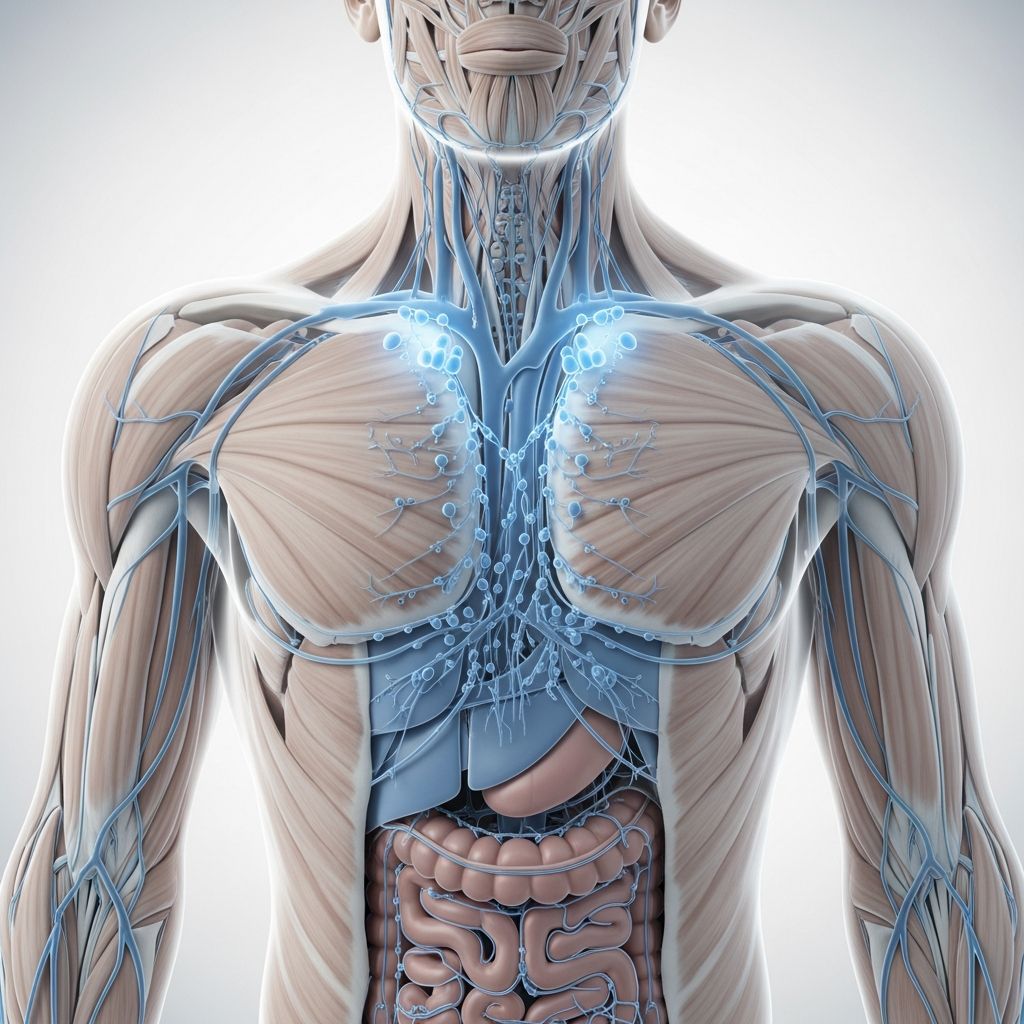
Lymph nodes are normally found where major blood vessels come together throughout your body. They form groups or clusters, with some located just underneath your skin where you might be able to feel them, while others are too deep to feel without medical imaging. Understanding where lymph nodes are located helps you recognize when they might be swollen or enlarged.
Common Lymph Node Locations
Your lymph nodes are strategically positioned throughout your body in areas including:
– Neck- Armpits (underarms)- Abdomen- Chest- Behind the ears- Groin area- Upper inner thighs
The neck, armpits, and groin areas tend to be the most commonly felt lymph node locations because they’re closer to the skin’s surface. In your upper inner thighs specifically, you have about 10 superficial inguinal lymph nodes located close to the surface of your skin. These drain into your deep inguinal lymph nodes, which are situated deeper within the connective tissue of your upper thighs, and the lymph fluid eventually drains into other lymph nodes in your pelvic region.
Related Stories



Functions of Lymph Nodes
Lymph nodes serve as your body’s security checkpoints, performing several critical functions to maintain your health and protect you from disease. These functions work together to create an effective immune defense system.
Key Functions Include:
–
Filtering lymph fluid:
Lymph nodes filter out harmful substances, pathogens, and damaged cells from the lymph fluid circulating through your body-Identifying foreign invaders:
Immune cells within the nodes identify and mark bacteria, viruses, and other pathogens for destruction-Destroying germs:
White blood cells and other immune components actively destroy identified pathogens-Removing damaged cells:
Lymph nodes eliminate damaged, abnormal, and cancerous cells before they can cause harm-Recycling useful components:
The nodes recycle fluid and components that the body needs while discarding waste-Supporting immune response:
Lymph nodes house immune cells that work together to mount an effective immune response when threats are detectedYour immune cells work by filtering lymph — fluid that leaks from your blood vessels and contains proteins, minerals, nutrients, damaged or diseased cells, and foreign substances. As lymph moves through a node, immune cells mark, destroy, and remove pathogens and damaged cells. The cleaned lymph then moves out of the node and continues through the lymphatic system until it makes its way back to your bloodstream.
When Lymph Nodes Swell
If your lymph nodes swell or become enlarged, it can be a sign that your body is fighting an illness or infection. This swelling, known as lymphadenopathy, occurs when immune cells congregate in your lymph nodes. Essentially, immune cells “pile in” to your lymph nodes in response to a threat, causing pressure and swelling in the area.
Common Causes of Swollen Lymph Nodes
Upper respiratory infections are the leading cause of swollen lymph nodes. However, swollen lymph nodes can also occur with:
– Strep throat- Ear infections- Sinus infections- Colds and flu- Mononucleosis- Skin infections- Tuberculosis- HIV- Autoimmune diseases- Allergic reactions- Certain medications
Less commonly, swollen lymph nodes can indicate more serious conditions such as lymphoma, leukemia, or other cancers. Painless swelling of one or more lymph nodes in your neck, armpits, or groin that doesn’t go away within a few weeks may warrant medical evaluation.
Symptoms Associated with Lymph Node Problems
Symptoms of lymph node conditions will vary depending on the underlying cause, but the most common symptoms are associated with swelling of the lymph nodes. These may include:
– Enlarged or swollen lymph nodes that are visible or palpable- Tenderness or pain in the affected area- Redness or warmth over the swollen lymph node- Hard or fixed lymph nodes that don’t move easily- Fever- Night sweats- Fatigue- Loss of appetite- Unexplained weight loss
When examining swollen lymph nodes, healthcare providers look for specific characteristics that help determine the cause of swelling, including the size, texture, location, and whether the nodes are moveable or fixed in place.
Diagnosing Lymph Node Problems
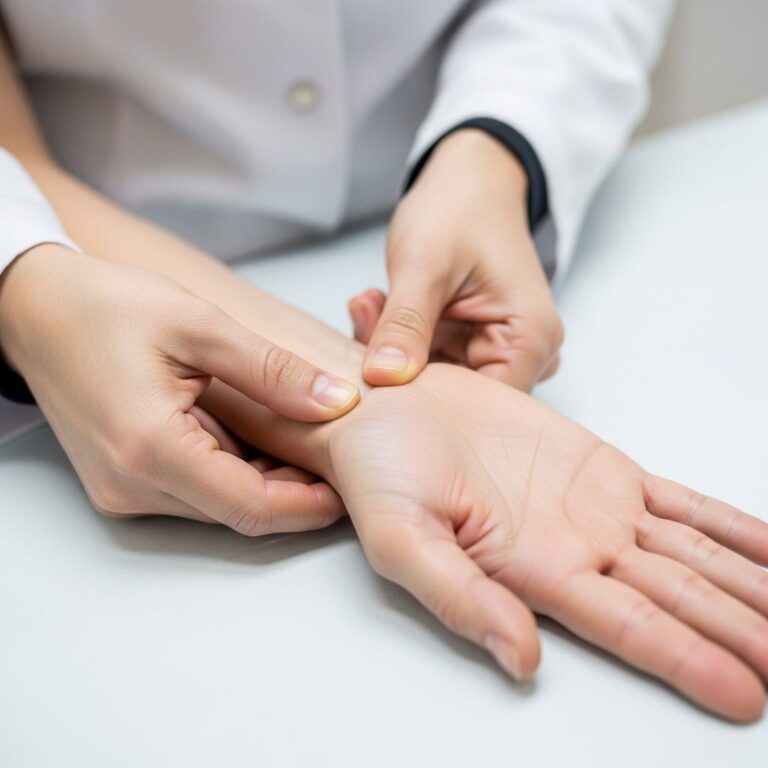
When you have concerns about your lymph nodes, a healthcare provider usually starts with a physical exam to look at or feel your lymph nodes and assess whether they’re swollen or hard. This examination helps providers understand the characteristics of your lymph nodes and determine whether further testing is needed.
Diagnostic Tests and Imaging
Several types of tests may be used to evaluate the size and health of your lymph nodes, including:
–
Ultrasound:
Uses sound waves to create images of your lymph nodes-CT scan:
Provides detailed cross-sectional images of lymph nodes and surrounding tissues-MRI scan:
Creates detailed images using magnetic fields and radio waves-PET scan:
Shows how actively your lymph nodes are functioning-Blood tests:
Check for signs of illness or cancers that may affect cells within the lymph nodes-Lymph node biopsy:
A tissue sample is examined for abnormalities to identify specific conditionsA blood test may be taken to check for signs of illness or cancers that may affect cells within the lymph nodes. Sometimes, a biopsy of the lymph nodes is performed so a tissue sample can be examined for abnormalities. During an inguinal lymph node dissection, a surgeon may cut into the groin and remove lymph nodes that may contain cancer, sending them to a lab for pathological examination.
Treatment Options for Lymph Node Conditions
Generally, lymph nodes themselves aren’t treated, especially if your healthcare provider determines that the lymph node has no concerning features and if it goes away on its own. Most swollen lymph nodes aren’t a cause for concern and will disappear naturally as your body fights off the infection or illness.
When Treatment Is Necessary
However, conditions that affect your lymph nodes sometimes need treatment. Depending on what’s causing issues with your lymph nodes, your provider might recommend:
– Antibiotics (if bacterial infection is present)- Antiviral medications (for viral infections)- Chemotherapy or radiation (for cancer)- Surgical removal (in certain cases)- Immunotherapy (for immune-related conditions)
Your provider may also suggest applying a warm compress or taking over-the-counter medications if your lymph nodes are painful. Lymphatic drainage massage can help if your lymphatic system isn’t working as it should, using light pressure and strategic massage techniques to stimulate lymph node areas and move excess lymph fluid toward your lymph nodes for reabsorption.
When to See a Healthcare Provider
Your lymph nodes are like your body’s security checkpoints, screening your lymph to make sure nothing gets back into your bloodstream that could make you sick. When they swell up or are painful, it could be a sign that you’re fighting off germs or that there’s an issue with your immune system. You should consider contacting a healthcare provider if:
– Your lymph nodes remain swollen for more than a few weeks- Your swollen lymph nodes are accompanied by fever, night sweats, or unexplained weight loss- The swelling is severe or causing difficulty swallowing or breathing- Your lymph nodes are hard, fixed in place, or painless- You have lymph node swelling without a clear cause- You develop additional concerning symptoms
Frequently Asked Questions
Q: What is the difference between lymph nodes and lymph glands?
A: While people often use the terms interchangeably, lymph nodes are technically not glands. Lymph nodes are specialized tissues that filter lymph fluid, while glands typically produce and secrete substances. However, the terms are commonly used to refer to the same structures.
Q: How long do swollen lymph nodes typically last?
A: Most swollen lymph nodes caused by common infections resolve within one to two weeks as your body recovers from the illness. However, if swelling persists beyond three weeks or is accompanied by other symptoms, medical evaluation is recommended.
Q: Can you feel all your lymph nodes?
A: No, you cannot feel all your lymph nodes. While some groups are located just underneath your skin in areas like your neck and armpits, others are too deep within your body to feel without medical imaging.
Q: Does lymph node swelling always mean something serious?
A: No, most lymph node swelling is caused by common, benign conditions like upper respiratory infections and resolves on its own. However, persistent or unexplained swelling should be evaluated by a healthcare provider to rule out serious conditions.
Q: What is the role of lymph nodes in cancer?
A: Lymph nodes can become affected by cancer in two ways: cancer can originate within lymph nodes (such as lymphoma) or cancer cells can spread to lymph nodes from other parts of the body. Regular monitoring helps detect these changes early.
Your lymph nodes play an essential role in keeping you healthy by filtering harmful substances and mounting immune responses to infections and diseases. Don’t hesitate to talk to a healthcare provider if you have any concerns about your lymph nodes or if you notice persistent swelling, pain, or other unusual symptoms.
References
- Lymph Nodes — Cleveland Clinic Abu Dhabi. 2024. https://www.clevelandclinicabudhabi.ae/en/health-hub/health-resource/diseases-and-conditions/lymph-nodes
- Lymph Node Locations & Function — Cleveland Clinic. 2024. https://my.clevelandclinic.org/health/body/23131-lymph-nodes
- Inguinal Lymph Node: Location & Function — Cleveland Clinic. 2024. https://my.clevelandclinic.org/health/body/23218-inguinal-lymph-node
- Swollen Lymph Nodes — Cleveland Clinic. 2024. https://my.clevelandclinic.org/health/symptoms/15219-swollen-lymph-nodes
- Lymphatic Drainage Massage: What It Is & Benefits — Cleveland Clinic. 2024. https://my.clevelandclinic.org/health/treatments/21768-lymphatic-drainage-massage
Similar Articles








Read full bio of Sneha Tete