Lymphadenitis: Causes, Symptoms, and Treatment
Understanding lymph node infection: symptoms, diagnosis, and effective treatment options.
Understanding Lymphadenitis
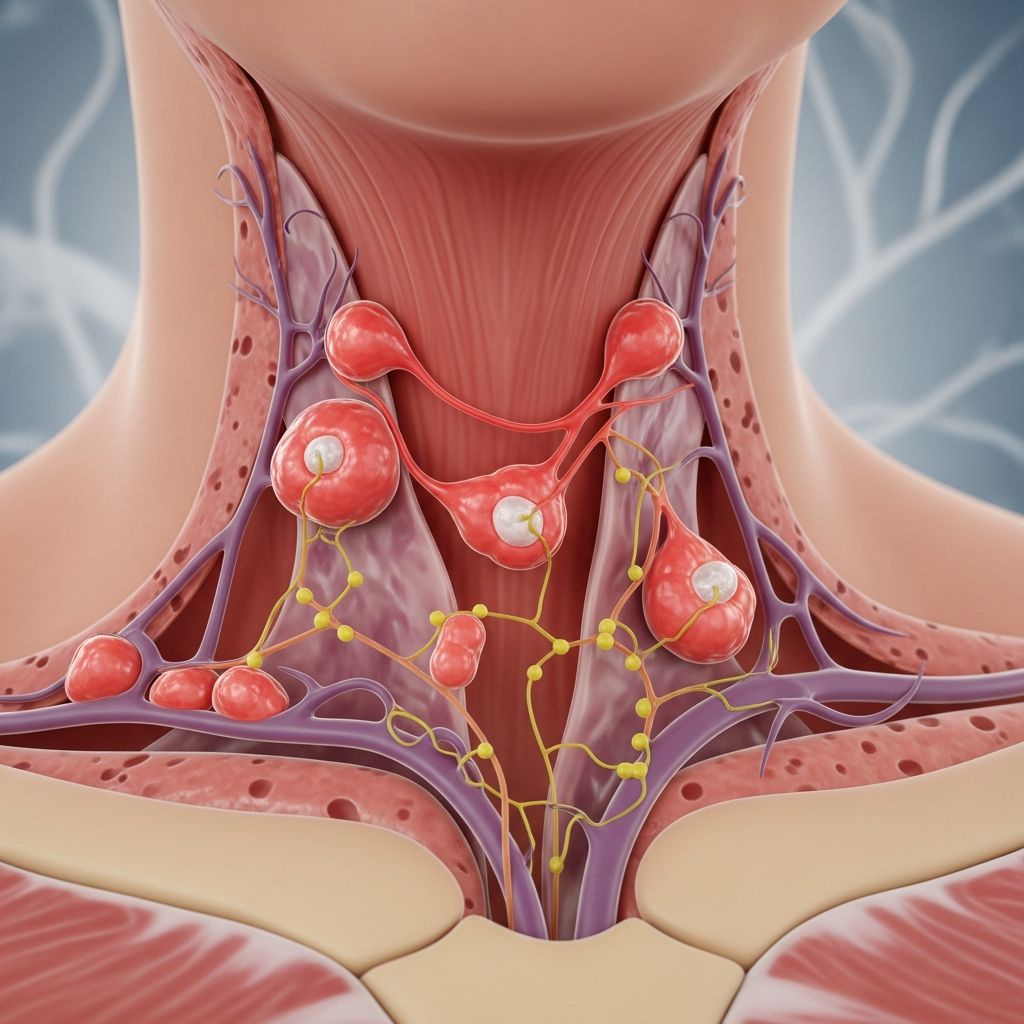
Lymphadenitis is an infection that occurs in one or more lymph nodes, causing them to become enlarged and painful. The lymph nodes may become very tender, and symptoms frequently include chills and fever. This condition represents an important health concern because if left untreated, it can lead to serious complications including abscess formation and the spread of infection to other areas of the body. Understanding this condition is essential for recognizing when medical attention is needed and ensuring prompt treatment.
What Are Lymph Nodes?
Lymph nodes are small, bean-shaped structures that are part of your body’s immune system. These nodes contain white blood cells that help fight infections and filter harmful substances from lymph fluid. Lymph nodes are distributed throughout the body, with clusters in the neck, armpits, groin, and abdomen. When lymph nodes become infected, they swell as part of the body’s immune response to combat the infection.
Causes of Lymphadenitis
Lymphadenitis typically develops when an infection occurs in a nearby area and spreads to the lymph nodes. The condition can result from various infectious sources. Common causes include:
– Ear infections- Strep throat and other throat infections- Dental infections and tooth problems- Skin infections such as cellulitis- Colds and other viral illnesses- Wound infections- Rare infections such as tuberculosis or cat-scratch disease (caused by Bartonella bacteria)
In some cases, the infection can spread through the bloodstream and affect lymph nodes distant from the original infection site. A person with an ear infection or strep throat, for example, may develop lymphadenitis in the cervical lymph nodes located in the neck area.
Types of Lymphadenitis
Lymphadenitis can be classified into different types based on the extent of involvement and location of infected nodes.
Localized Lymphadenitis
Localized lymphadenitis is the most common type of this condition. It involves one or just a few lymph nodes that are close to the area where the original infection began. For example, nodes that become enlarged due to a tonsil infection are typically found in the neck area near the site of the tonsil infection. This type is generally easier to treat because the infection is confined to a specific region.
Generalized Lymphadenitis
Generalized lymphadenitis occurs when multiple lymph node groups throughout the body become infected. This typically happens when an infection enters the bloodstream and spreads systemically throughout the body. Generalized lymphadenitis may indicate a more serious infection requiring prompt medical intervention.
Symptoms of Lymphadenitis
The symptoms of lymphadenitis can vary depending on the severity of the infection and the number of affected nodes. Common symptoms include:
– Swollen lymph nodes that are noticeably enlarged- Redness and warmth over the affected lymph nodes- Significant tenderness and pain when touching the affected areas- Fever and chills- General malaise or feeling unwell- Fatigue and weakness- Loss of appetite- In severe cases, the skin over the lymph nodes may become inflamed
The lymph nodes with lymphadenitis typically feel more tender and painful compared to lymph nodes that are simply enlarged from other causes. If you notice these symptoms, especially if they are accompanied by fever or if the swelling persists, it is important to seek medical attention promptly.
Related Stories



Differentiating Lymphadenitis from Lymphadenopathy
It is important to distinguish between lymphadenitis and lymphadenopathy, as these terms describe different conditions. Lymphadenopathy refers to the enlargement of lymph nodes, which can occur for many reasons, including the body fighting an infection, inflammation, or other medical conditions. Lymphadenitis, by contrast, specifically refers to infection within the lymph nodes themselves.
Several distinguishing features can help differentiate these conditions. With lymphadenitis, the skin over the lymph nodes often becomes inflamed or reddened, pointing toward an active infection. Additionally, lymph nodes affected by lymphadenitis feel notably more tender and painful than those experiencing simple enlargement from lymphadenopathy. Understanding this distinction is crucial for determining the appropriate treatment approach.
Diagnosis of Lymphadenitis
Diagnosing lymphadenitis typically involves a thorough physical examination and medical history. A healthcare provider will examine the affected lymph nodes, noting their size, tenderness, and any redness or warmth in the overlying skin. The provider will also inquire about recent infections, including ear infections, throat infections, or skin infections that may have preceded the lymph node swelling.
In some cases, additional diagnostic tests may be ordered to confirm the diagnosis and identify the causative organism. These tests may include blood cultures to identify the specific bacteria causing the infection, complete blood count (CBC) to assess infection severity, or imaging studies such as ultrasound or CT scan to evaluate the extent of lymph node involvement. For suspected atypical infections such as tuberculosis, additional specialized testing may be necessary.
Treatment of Lymphadenitis
Treatment for lymphadenitis is typically directed at the underlying cause and usually involves a combination of medications and supportive care measures.
Antibiotic Therapy
Antibiotics form the cornerstone of lymphadenitis treatment, particularly when bacterial infection is suspected. In children with acute unilateral anterior cervical lymphadenitis and systemic symptoms, empiric antibiotics targeting Staphylococcus aureus and group A streptococci are commonly prescribed. First-line antibiotic options include:
– Broad-spectrum antibiotics such as Augmentin (amoxicillin/clavulanate)- Oral cephalosporins- Clindamycin, particularly for suspected MRSA (methicillin-resistant Staphylococcus aureus) infections
Many patients with lymphadenitis respond well to outpatient therapy with oral antibiotics. However, some patients may require intravenous (IV) antibiotic therapy, particularly if the infection is severe or if the patient is hospitalized. In children, IV antibiotics are commonly needed. The choice of antibiotic and route of administration depends on the severity of infection, the causative organism, and individual patient factors.
Supportive Care Measures
In addition to antibiotics, supportive care measures help manage symptoms and promote healing:
– Analgesics (pain medications) to control pain and discomfort- Antipyretics (fever-reducing medications) to manage fever- Anti-inflammatory medicines to reduce swelling and inflammation- Cool compresses applied to the affected area to reduce inflammation and pain- Adequate rest to support the body’s immune response
Surgical Intervention
In cases where lymphadenitis leads to abscess formation (collection of pus), surgical drainage may become necessary. An abscess represents a localized collection of infected material that may not respond adequately to antibiotics alone. Surgery to drain the abscess is often accompanied by IV antibiotics to address the underlying infection and prevent recurrence.
Preventing Lymphadenitis
While lymphadenitis cannot always be prevented, several measures can reduce the risk of developing this condition:
– Treat infections promptly, especially infections in areas near lymph node clusters- Practice good hygiene to prevent skin infections- Maintain good oral hygiene and address dental problems promptly- Seek medical attention for ear infections and throat infections early- Avoid scratches and wounds that could become infected- Keep wounds clean and properly covered
Early treatment of infections is particularly important, as it can prevent the development of lymphadenitis and other serious complications.
When to Seek Medical Attention
It is important to contact a healthcare provider if you experience symptoms of lymphadenitis. Seek immediate medical attention if you have:
– Rapidly enlarging lymph nodes- Fever accompanying lymph node swelling- Severe pain in the affected area- Red or warm skin over the lymph nodes- Symptoms that worsen despite home treatment- Difficulty swallowing or breathing (if cervical lymph nodes are involved)- Signs of abscess formation
Prompt medical evaluation and treatment are essential, as lymphadenitis may spread within hours if left untreated. Early intervention can prevent serious complications and promote faster recovery.
Complications of Untreated Lymphadenitis
If lymphadenitis is not treated promptly, serious complications can develop. These complications include abscess formation, which is a collection of pus within infected lymph nodes that may require surgical drainage. Additionally, the infection can spread to other areas of the body, leading to bacteremia (bacteria in the bloodstream) or sepsis, which are life-threatening conditions. Recognizing symptoms early and seeking prompt treatment significantly reduces the risk of these serious complications.
Frequently Asked Questions
Q: What is the difference between lymphadenitis and swollen lymph nodes?
A: Lymphadenitis is a specific infection of lymph nodes, while swollen lymph nodes (lymphadenopathy) refers to any enlargement of lymph nodes from various causes, including infections, inflammation, or malignancy. Lymphadenitis involves actual infection within the nodes and typically presents with more severe pain and tenderness along with skin inflammation.
Q: How long does lymphadenitis take to resolve?
A: The duration depends on the severity of infection and promptness of treatment. With appropriate antibiotic therapy, most cases of lymphadenitis begin to improve within a few days, though complete resolution may take one to two weeks or longer depending on the underlying cause.
Q: Can lymphadenitis occur without fever?
A: While fever is a common symptom of lymphadenitis, some cases may present without significant fever, particularly in immunocompromised individuals or with certain types of infections. However, fever is an important indicator of systemic infection and warrants medical evaluation.
Q: Is lymphadenitis contagious?
A: Lymphadenitis itself is not contagious, but the underlying infection causing it may be. For example, if lymphadenitis results from strep throat, the strep throat infection is contagious, though the lymphadenitis is not.
Q: Can lymphadenitis recur?
A: Lymphadenitis can recur if the underlying infection is not fully treated or if a new infection develops in the same area. Ensuring complete antibiotic courses and prompt treatment of new infections helps reduce recurrence risk.
References
- Lymphadenitis: Symptoms, types, and more — Medical News Today. 2024. https://www.medicalnewstoday.com/articles/lymphadenitis
- Unexplained Lymphadenopathy: Evaluation and Differential Diagnosis — American Academy of Family Physicians. 2016-12-01. https://www.aafp.org/pubs/afp/issues/2016/1201/p896.html
- Lymphadenitis – Dermatologic Disorders — Merck Manuals Professional Edition. 2024. https://www.merckmanuals.com/professional/dermatologic-disorders/bacterial-skin-infections/lymphadenitis
- Lymphadenitis — UF Health, University of Florida. 2024. https://ufhealth.org/conditions-and-treatments/lymphadenitis
- Swollen lymph nodes – Diagnosis & treatment — Mayo Clinic. 2024. https://www.mayoclinic.org/diseases-conditions/swollen-lymph-nodes/diagnosis-treatment/drc-20353906
- Lymphadenitis: MedlinePlus Medical Encyclopedia — U.S. National Library of Medicine. 2024. https://medlineplus.gov/ency/article/001301.htm
- Lymphadenitis — University of Rochester Medical Center. 2024. https://www.urmc.rochester.edu/encyclopedia/content?contenttypeid=134&contentid=80
Similar Articles








Read full bio of medha deb