Lymphangioma: Understanding Causes, Symptoms & Treatment
Complete guide to lymphangioma (lymphatic malformations): causes, diagnosis, and treatment options for infants and children.
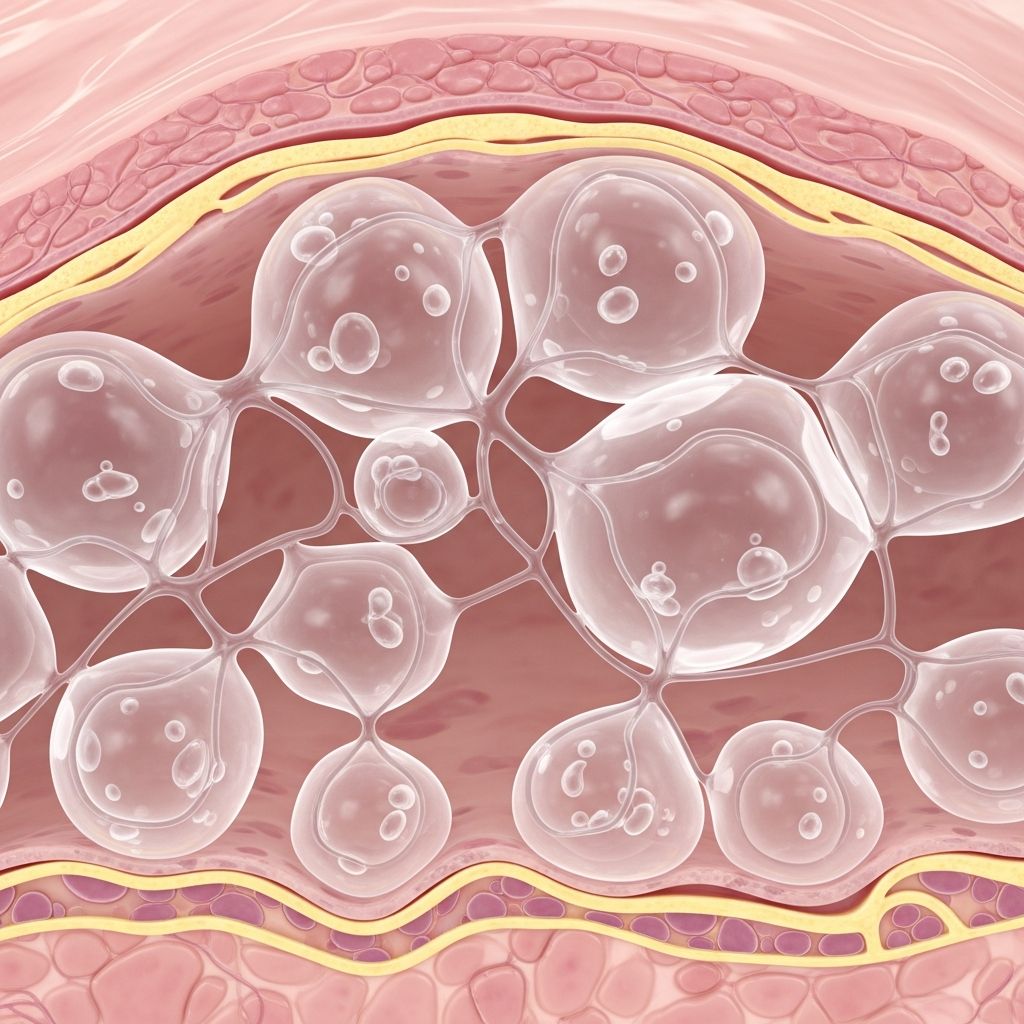
What Is a Lymphangioma?
A lymphangioma, also known as a lymphatic malformation, is a noncancerous, fluid-filled cyst that develops under your newborn’s skin. These benign growths typically appear during fetal development and are present at birth, though they may not become noticeable until later in childhood. Lymphangiomas most commonly form on the head, neck, or underarm areas, though they can develop virtually anywhere on the body.
These cysts arise from dilated lymphatic channels that have become enlarged and filled with lymphatic fluid. Unlike cancerous tumors, lymphangiomas pose no malignant threat and are simply abnormal developments in the lymphatic system. Most importantly, rest assured that if your child has been diagnosed with a lymphangioma, this condition is generally harmless and often resolves without intervention.
Understanding the Lymphatic System
To comprehend lymphangiomas, it helps to understand how the lymphatic system functions. The lymphatic system is a network of vessels and nodes that:
– Drains excess fluid from tissues throughout the body- Transports immune cells to fight infection- Maintains fluid balance in the body- Filters harmful substances from lymphatic fluid
When lymphatic vessels develop abnormally during fetal growth, they can become dilated and accumulate fluid, creating the cystic structures characteristic of lymphangiomas.
Causes of Lymphangiomas
Lymphangiomas are congenital conditions, meaning they develop before birth during fetal development. The exact cause of lymphangioma formation remains not completely understood by medical professionals. However, researchers believe these malformations result from abnormal development of lymphatic channels during pregnancy.
In some cases, lymphangiomas may be associated with genetic conditions or chromosomal abnormalities. While the condition is present at birth, the cyst may not become visible or palpable until an infection or other triggering event causes swelling. Interestingly, many lymphangiomas remain undetected throughout childhood and may never cause any problems.
It’s important to understand that there is nothing parents could have done to prevent the development of a lymphangioma. These conditions occur randomly during fetal development and are not caused by maternal actions, diet, or environmental factors during pregnancy.
Symptoms and Signs of Lymphangioma
Many lymphangiomas produce no symptoms at all and may never be detected unless specifically looked for during imaging or physical examination. However, when symptoms do occur, they may include:
– A soft, painless lump or swelling under the skin- Swelling that increases in size over time- Visible bump or protrusion on the head, neck, or other affected area- Difficulty breathing or swallowing if the lymphangioma is located in the neck or throat region- Recurring infections in the affected area- Swelling that worsens after upper respiratory infections
The symptoms experienced depend largely on the size and location of the lymphangioma. Smaller cysts may cause no noticeable effects, while larger malformations affecting vital structures could potentially interfere with normal body functions.
Related Stories



Diagnosis of Lymphangioma
Prenatal Diagnosis
Many lymphangiomas are first identified before birth through routine prenatal ultrasound imaging. If your healthcare provider discovers a lymphangioma during pregnancy, they will discuss what this finding means and outline potential management approaches. Prenatal diagnosis allows your care team to prepare for any necessary interventions after birth and monitor your baby’s condition from the earliest stages.
Postnatal Diagnosis
After your baby is born, your healthcare provider will perform a thorough physical examination. They will carefully inspect the cyst and look for any signs of associated genetic conditions. Your provider will also inquire about your family medical history to determine if genetic factors may be involved.
Diagnostic Tests
Your healthcare provider may use several tests to confirm a lymphangioma diagnosis and gather more information about the growth:
– Ultrasound: Uses sound waves to create images of the cyst and surrounding tissue- Magnetic Resonance Imaging (MRI): Provides detailed images to assess the size, depth, and relationship to surrounding structures- Computed Tomography (CT) Scan: Creates cross-sectional images useful for surgical planning- Genetic Testing: If signs of an associated genetic disorder are present, genetic testing may identify gene variants that help determine the best treatment approach
These imaging studies help your healthcare team understand the exact dimensions of the lymphangioma, its location relative to vital organs and structures, and whether it’s blocking any important anatomical passages.
Treatment Options for Lymphangioma
Watch and Wait Approach
Most lymphangiomas do not require treatment because they are noncancerous growths that may naturally resolve over time. In these cases, your child’s healthcare provider will take a “watch and wait” approach, monitoring the lymphangioma periodically for any changes in size or symptoms. Many children experience spontaneous regression of their lymphangiomas without any intervention.
When Treatment Becomes Necessary
Treatment may be necessary if the lymphangioma is large and blocking a vital organ, causing breathing difficulties, interfering with swallowing, or causing recurrent infections. The type of treatment recommended will depend on several factors:
– Size of the cyst- Location of the lymphangioma- Whether it’s affecting vital structures- Your child’s age and overall health- Associated genetic conditions
Treatment Options
Surgical Removal: Surgical excision is one treatment option for lymphangiomas. However, surgical removal often proves challenging and is frequently unsuccessful. Lymphangiomas tend to recur because they originate deep beneath the surface of the skin, making complete removal of all affected lymphatic cells extremely difficult. Studies have reported that more than 30% of lymphangiomas recur after surgical removal. Cysts located closer to the skin surface have lower recurrence rates because most cells are easier to remove completely.
Additionally, there is a high risk of infection following lymphangioma surgery, which could complicate the healing process. Proper wound care and infection prevention measures are essential for optimal outcomes.
Sclerotherapy: This minimally invasive procedure involves injecting a sclerosing agent directly into the lymphangioma to shrink or eliminate the cyst. Sclerotherapy may offer an alternative to surgery with potentially lower complication rates.
Genetic Therapy: Newer treatments targeting underlying genetic mutations associated with lymphangiomas are showing increasing promise as frontline therapy options.
Observation: For asymptomatic lymphangiomas that are not interfering with vital functions, continued observation remains the most appropriate management strategy.
Recurrence Rates and Complications
Understanding recurrence risk is important when considering treatment options. Research shows that when lymphangiomas are completely resected, recurrence rates are approximately 12%, while partial resection carries recurrence rates up to 53%. This high recurrence rate reflects the difficulty in removing all abnormal lymphatic tissue.
Surgical complications may include:
– Infection at the surgical site- Lymphatic leaks- Fistula formation- Chronic wounds- Damage to surrounding structures
Taking proactive steps to prevent infection by carefully cleaning and maintaining the surgical site will contribute to the best possible outcome.
When to Seek Medical Attention
Your child should see their healthcare provider if their lymphangioma:
– Suddenly increases in size- Becomes red, warm, or painful- Shows signs of infection- Begins affecting breathing or swallowing- Interferes with normal activities or development- Causes recurrent infections- Ruptures or drains fluid
Prompt medical evaluation of any concerning changes ensures appropriate management and prevents potential complications.
Living with Lymphangioma
Most children with lymphangioma live completely normal, healthy lives. The condition does not affect intelligence, development, or life expectancy in the vast majority of cases. Many lymphangiomas resolve spontaneously without any treatment, while others remain stable and asymptomatic throughout life.
Your healthcare provider will establish an appropriate monitoring schedule based on your child’s specific situation. Regular check-ups allow your team to track any changes and intervene promptly if treatment becomes necessary.
Frequently Asked Questions
Q: Can lymphangioma be detected before birth?
A: Yes, many lymphangiomas are identified during routine prenatal ultrasound screening. Prenatal detection allows your healthcare team to prepare and establish an appropriate care plan for after delivery.
Q: Will my child’s lymphangioma go away on its own?
A: Many lymphangiomas do resolve spontaneously over time, particularly when they’re managed with a watch-and-wait approach. Your healthcare provider will monitor the cyst and discuss whether intervention is necessary.
Q: Is lymphangioma cancer?
A: No, lymphangioma is a benign, noncancerous condition. These are simply abnormal fluid-filled cysts that pose no malignant threat to your child’s health.
Q: What causes lymphangioma?
A: Lymphangiomas result from abnormal development of lymphatic channels during fetal development. The exact cause is not fully understood, but these are congenital conditions present from birth. There is nothing parents can do to prevent their development.
Q: How is lymphangioma treated?
A: Treatment depends on the size, location, and whether the lymphangioma causes symptoms. Many are managed with observation alone, while symptomatic or large cysts may require surgery, sclerotherapy, or emerging genetic therapies.
Q: What is the recurrence rate for lymphangioma surgery?
A: Complete surgical resection has approximately 12% recurrence rate, while partial resection has up to 53% recurrence rate. This reflects the difficulty in removing all abnormal lymphatic tissue.
Q: Are there complications from lymphangioma surgery?
A: Potential complications include infection, lymphatic leaks, fistula formation, and chronic wounds. Proper wound care minimizes these risks and promotes optimal healing.
Q: Will my child need lifelong treatment?
A: Most children do not require lifelong treatment. Your healthcare provider will establish an appropriate monitoring schedule, and many lymphangiomas remain stable or resolve without intervention.
Conclusion
A diagnosis of lymphangioma can initially cause concern for parents, but understanding this condition helps alleviate worry. Lymphangiomas are noncancerous, benign fluid-filled cysts that rarely cause serious problems. Most children with lymphangioma live completely normal, healthy lives.
Your healthcare provider will carefully evaluate your child’s specific situation and recommend the most appropriate management approach, whether that involves simple observation or active treatment. Some cysts require intervention, and others are associated with genetic conditions requiring specialized care. Rest assured that your healthcare team will guide you through every step of the process, providing support and expertise to ensure the best possible outcome for your child.
Remember that lymphangioma is simply what makes your child unique—it does not define them or limit their potential for a full, healthy life.
References
- Lymphangioma, Lymphatic Malformations: Causes & Treatment — Cleveland Clinic. 2024. https://my.clevelandclinic.org/health/diseases/23141-lymphangioma
- Intestinal Lymphangioma Presenting With Small Bowel Bleeding — National Institutes of Health, PubMed Central. 2024. https://pmc.ncbi.nlm.nih.gov/articles/PMC12200224/
- Complex Lymphatic Anomalies: Types, Prognosis & Treatment — Cleveland Clinic. 2024. https://my.clevelandclinic.org/health/diseases/24216-lymphangiomatosis
- Lymphatic System: Function, Conditions & Disorders — Cleveland Clinic. 2024. https://my.clevelandclinic.org/health/body/21199-lymphatic-system
- Retroperitoneal Cystic Lymphangioma — Cleveland Clinic Journal of Medicine. 2024. https://www.ccjm.org/content/39/3/125
Similar Articles








Read full bio of Sneha Tete