Lymphangitis: Causes, Symptoms & Treatment
Learn about lymphangitis, its symptoms, causes, diagnosis, and effective treatment options.

What Is Lymphangitis?
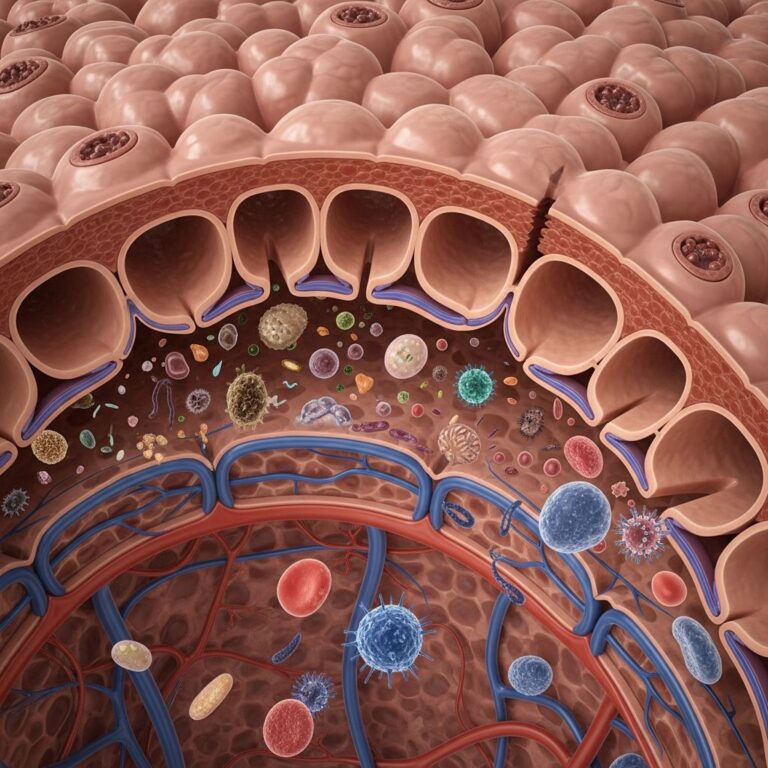
Lymphangitis is an inflammation of the lymphatic vessels, which are essential components of the immune system. These vessels help transport lymph—a fluid containing white blood cells—throughout the body to fight infection and maintain fluid balance. When lymphatic vessels become inflamed, it is often due to a bacterial infection, but other causes can also be involved. Lymphangitis is a serious condition that requires prompt medical attention to prevent complications such as sepsis or widespread infection.
Symptoms of Lymphangitis
The symptoms of lymphangitis can develop rapidly and are often unmistakable. Recognizing these signs early is crucial for timely treatment. Common symptoms include:
- Red streaks: One of the most distinctive signs of lymphangitis is the appearance of red, warm, and tender streaks on the skin. These streaks typically extend from the site of infection toward nearby lymph nodes, such as those in the armpit or groin.
- Swelling: The affected area may become swollen and tender, often accompanied by warmth and redness.
- Fever and chills: Systemic symptoms like fever, chills, and malaise are common, especially as the infection spreads.
- Enlarged lymph nodes: Lymph nodes near the affected area may become enlarged and tender.
- Headache and rapid heart rate: In more severe cases, individuals may experience headache, rapid heart rate, and general feelings of illness.
Causes of Lymphangitis
Lymphangitis is most commonly caused by bacterial infections, particularly those caused by Streptococcus and Staphylococcus species. These bacteria can enter the body through a break in the skin, such as a cut, wound, or insect bite. Other causes include:
- Parasitic infections: In rare cases, lymphangitis can be caused by parasitic infections like filariasis.
- Mycobacterial infections: Certain mycobacteria, such as those causing tuberculosis, can also lead to lymphangitis.
- Malignancy: In some cases, cancer can cause lymphangitis, known as neoplastic lymphangitis.
- Impaired immune function: Individuals with weakened immune systems are at higher risk for developing lymphangitis.
Risk Factors
Certain factors increase the risk of developing lymphangitis:
- Skin injuries: Cuts, wounds, or insect bites can provide an entry point for bacteria.
- Chronic skin conditions: Conditions like eczema or athlete’s foot can increase the risk.
- Immunodeficiency: People with weakened immune systems, such as those with HIV/AIDS or undergoing chemotherapy, are more susceptible.
- Recent surgery: Surgical wounds can become infected and lead to lymphangitis.
- Animal bites: Bites from animals can introduce bacteria that cause lymphangitis.
Diagnosis of Lymphangitis
Diagnosing lymphangitis typically involves a combination of clinical evaluation and laboratory tests:
- Physical examination: A healthcare provider will look for the characteristic red streaks, swelling, and tender lymph nodes.
- Medical history: Information about recent injuries, infections, or underlying health conditions is important.
- Lab tests: Blood tests may show an elevated white blood cell count, indicating infection. In some cases, blood cultures or wound cultures may be performed to identify the specific bacteria causing the infection.
- Imaging: Imaging studies like ultrasound may be used to assess the extent of lymphatic involvement.
Treatment of Lymphangitis
Treatment for lymphangitis focuses on eliminating the infection and relieving symptoms. The mainstay of treatment is antibiotics, but other measures may also be necessary:
- Antibiotics: Oral or intravenous antibiotics are prescribed to combat the bacterial infection. The choice of antibiotic depends on the suspected or identified bacteria.
- Wound care: Proper cleaning and dressing of any wounds or infected areas are essential.
- Elevation: Elevating the affected limb can help reduce swelling.
- Pain relief: Over-the-counter pain relievers may be used to manage discomfort.
- Surgical intervention: In severe cases, surgical drainage of abscesses or infected areas may be required.
Complications of Lymphangitis
Related Stories



If left untreated, lymphangitis can lead to serious complications:
- Bacteremia: The infection can spread to the bloodstream, causing bacteremia.
- Sepsis: A life-threatening condition where the body’s response to infection causes widespread inflammation.
- Cellulitis: The infection can spread to the surrounding skin, causing cellulitis.
- Lymphedema: Chronic swelling due to damage to the lymphatic system.
Prevention of Lymphangitis
Preventing lymphangitis involves reducing the risk of infection:
- Wound care: Clean and dress wounds promptly to prevent infection.
- Good hygiene: Practice good hygiene to reduce the risk of skin infections.
- Immune health: Maintain a healthy immune system through a balanced diet, regular exercise, and adequate sleep.
- Vaccination: Stay up to date with vaccinations, especially for conditions that can lead to skin infections.
When to Seek Medical Attention
It is important to seek medical attention if you experience symptoms of lymphangitis, especially if:
- You have red streaks on your skin.
- You develop fever, chills, or malaise.
- Your symptoms worsen or do not improve with home care.
- You have a weakened immune system or underlying health conditions.
FAQs About Lymphangitis
What is the difference between lymphangitis and cellulitis?
Lymphangitis is an inflammation of the lymphatic vessels, while cellulitis is an infection of the skin and underlying tissues. Both can cause redness, swelling, and pain, but lymphangitis is characterized by red streaks extending from the site of infection toward lymph nodes.
Can lymphangitis be contagious?
Lymphangitis itself is not contagious, but the underlying infection that causes it may be contagious, especially if it is caused by bacteria like Streptococcus or Staphylococcus.
How long does lymphangitis last?
With prompt treatment, symptoms of lymphangitis usually improve within a few days. However, it may take several weeks for all symptoms to resolve completely.
Can lymphangitis recur?
Yes, lymphangitis can recur, especially if the underlying cause is not addressed or if there are repeated skin injuries or infections.
Is lymphangitis dangerous?
Lymphangitis can be dangerous if left untreated, as it can lead to serious complications like sepsis or widespread infection. Prompt medical attention is essential.
References
References
- Lymphangitis — Cleveland Clinic. 2023. https://my.clevelandclinic.org/health/diseases/25234-lymphangitis
- Acute lymphangitis — Cleveland Clinic Journal of Medicine. 2020. https://www.ccjm.org/content/87/3/129
- Lymphangitis – Skin Disorders — Merck Manual Consumer Version. 2023. https://www.merckmanuals.com/home/skin-disorders/bacterial-skin-infections/lymphangitis
Similar Articles








Read full bio of Sneha Tete