Lymphatic Drainage Massage: Benefits & Treatment
Discover how lymphatic drainage massage relieves swelling and supports your body's natural healing process.
Understanding Lymphatic Drainage Massage
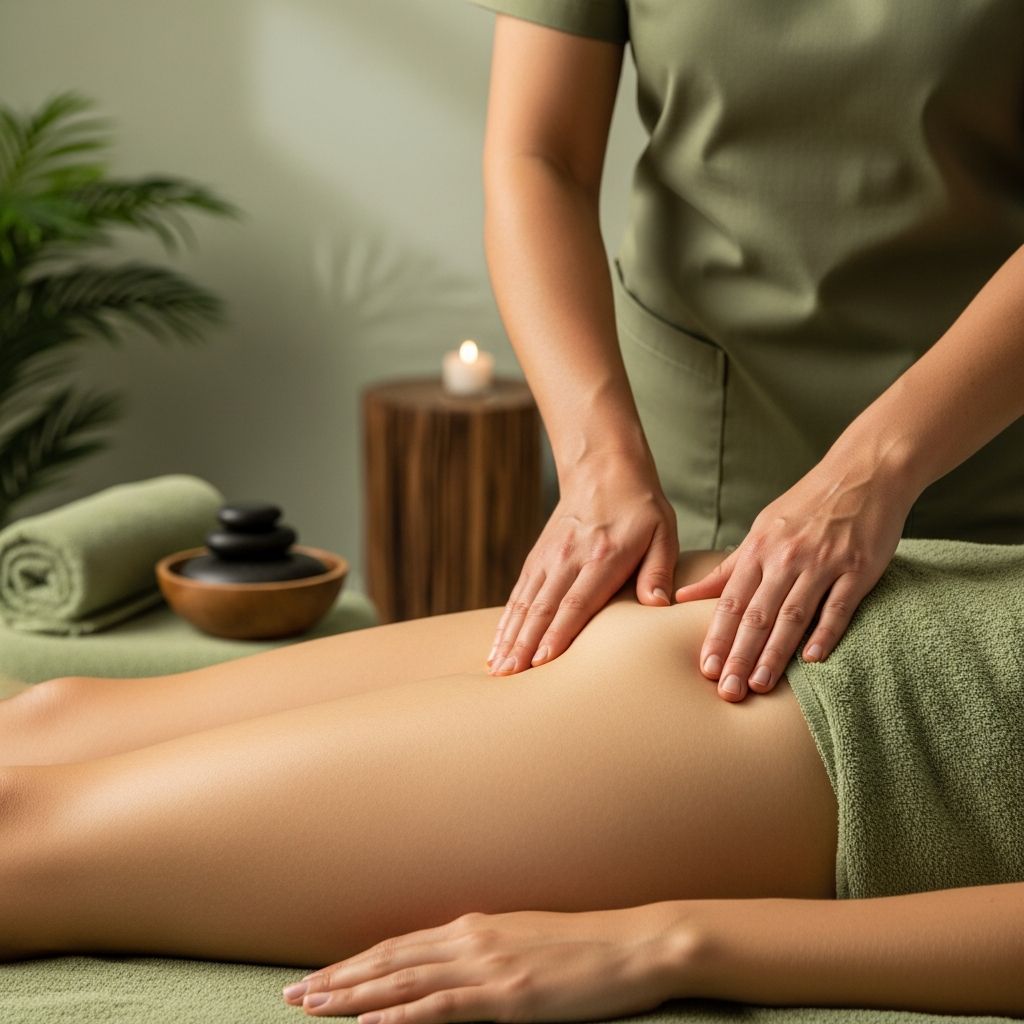
Lymphatic drainage massage is a specialized therapeutic technique designed to relieve inflammation and swelling associated with lymphedema. This gentle form of massage works by moving excess fluid buildup away from your tissues and directing it toward functioning lymph vessels and lymph nodes, allowing your body to eliminate toxins more effectively. Unlike deep tissue massage or other vigorous massage techniques, lymphatic drainage relies on light pressure and strategic manipulation to support your lymphatic system’s natural function.
The lymphatic system plays a crucial role in maintaining fluid balance throughout your body and supporting immune function. When this system becomes congested or compromised, fluid accumulates in tissues, leading to uncomfortable swelling. Lymphatic drainage massage addresses this issue by stimulating specific areas where lymph nodes are concentrated and guiding excess fluid toward these collection points where it can be properly processed and eliminated.
What Is Lymphedema and Who Needs Lymphatic Drainage Massage?
Lymphedema is a common condition characterized by abnormal fluid buildup in tissues, typically occurring in the arms or legs. This condition frequently develops as a side effect of cancer treatment, particularly breast cancer surgery, where surgeons must remove multiple lymph nodes during the procedure. The removal of these critical nodes compromises the lymphatic system’s ability to drain fluid effectively, resulting in persistent swelling and discomfort.
However, lymphedema isn’t limited to cancer survivors. Healthcare providers treat lymphedema related to various health conditions, including:
- Chronic congestion and sinus issues
- Fibromyalgia
- Persistent headaches
- Lipedema
- Musculoskeletal pain
- Neuropathy
- Rheumatoid arthritis
- Stress-related conditions
You might benefit from lymphatic drainage massage if your lymphatic system isn’t functioning optimally. Signs that your lymphatic system requires attention include persistent puffiness and swelling in your hands, ankles, or other body areas, frequent sinus infections, stubborn headaches, unusual fatigue and brain fog, bloating sensations, dry or sensitive skin with frequent breakouts, and swollen lymph nodes in your neck.
How Lymphatic Drainage Massage Works
During a lymphatic drainage massage session, a trained healthcare provider uses specific techniques to stimulate and support your lymphatic system. The process typically follows a structured approach:
Session Structure and Technique
The massage typically begins by stimulating the areas of your body that house major lymph node clusters, particularly your armpits, neck, and groin area (with your consent). This initial stimulation prepares your lymphatic system to receive and process additional fluid. The therapist uses light pressure rather than deep pressure, as the goal is to manipulate the skin and superficial tissues rather than access deeper muscle tissue.
After activating these primary lymph node areas, the therapist gently coaxes excess lymph fluid from swollen tissues toward your lymph nodes. This is accomplished through slow, strategic, circular motions that encourage fluid movement in specific directions. The entire process emphasizes gentleness and precision, as applying excessive pressure can actually hinder lymph drainage rather than facilitate it.
Related Stories



Pressure and Technique Considerations
The key distinction between lymphatic drainage massage and other massage types lies in the pressure applied. Therapists maintain very light pressure throughout the session, typically using only the weight of their hands and fingers to manipulate the skin. You should only feel the therapist massaging your skin surface; you shouldn’t experience deep pressure into muscle tissue. This light touch is what makes lymphatic drainage effective, as it allows fluid to move along the pathways of your lymphatic vessels rather than being forced deeper into tissues.
Benefits of Lymphatic Drainage Massage
Lymphatic drainage massage offers numerous therapeutic benefits, particularly for those managing lymphedema and related conditions. The primary advantages include:
- Reduced swelling in affected areas, allowing more comfortable movement and increased range of motion
- Decreased inflammation that often accompanies fluid buildup
- Enhanced toxin elimination as your lymph nodes function more effectively
- Improved comfort in daily activities as tightness and heaviness diminish
- Better fitting of clothing and jewelry as swelling decreases
- Reduced pain and tension in affected limbs and joints
Beyond these physical benefits, many patients report feeling lighter, clearer, and more energized following lymphatic drainage massage treatments. For those recovering from cancer treatment, lymphatic drainage massage provides a non-invasive complementary approach to managing one of the most challenging side effects of their care.
Cosmetic and Aesthetic Applications
Lymphatic drainage massage has become increasingly popular as a cosmetic treatment, particularly for facial applications. Facial lymphatic drainage may increase blood circulation to the face and reduce puffiness, giving your skin a more radiant and refreshed appearance. By encouraging fluid movement away from facial tissues, this technique can help minimize under-eye bags, reduce facial bloating, and promote a more sculpted appearance. These cosmetic benefits, combined with the therapeutic effects, make facial lymphatic drainage an attractive option for those seeking both health and aesthetic improvements.
Treatment Duration and Effectiveness
Research indicates that the duration and frequency of lymphatic drainage massage treatment significantly impact effectiveness. A meta-analysis examining treatment outcomes found that although individual sessions provide some benefit, extended treatment courses produce superior results. Specifically, when treatment duration exceeded 20 sessions or extended beyond two weeks, patients experienced significant reduction in extremity volume and swelling. This research suggests that providing manual lymphatic drainage over an extended period proves most beneficial and effective for managing lymphedema symptoms.
For those combining lymphatic drainage massage with other treatments, such as vacuum sealing drainage for acute wound management, the benefits multiply. Studies comparing combined treatment approaches with control groups showed significantly shorter resolution times for symptoms, reduced pain levels at one and three months post-intervention, and improved upper limb functionality and quality of life.
Contraindications: When to Avoid Lymphatic Drainage Massage
While lymphatic drainage massage is safe for most people, certain conditions warrant avoiding this treatment. You should not receive lymphatic drainage massage if you have:
- Active infection or fever
- Uncontrolled high blood pressure
- Active thrombosis (blood clots)
- Cancerous tissue in the area to be treated
- Skin damaged from radiation therapy
Healthcare providers will never perform lymphatic drainage massage directly over cancerous tissue or skin compromised by radiation therapy, as this could complicate treatment and healing. If you have any of these conditions, discuss alternative treatment options with your healthcare provider to find the most appropriate approach for your situation.
Self-Massage Techniques for Home Use
While working with a trained massage therapist remains ideal, you can perform lymphatic drainage massage on yourself at home in some cases. Before attempting self-massage, consult your healthcare provider to ensure the technique is appropriate for your specific situation. They can provide guidance on proper execution and may recommend continuing professional massage therapy depending on your condition’s severity.
Basic Self-Massage Steps
If your healthcare provider approves home lymphatic drainage massage, follow these fundamental steps. Begin by activating the lymph nodes in your chest and armpits through gentle, downward circular motions with your fingers. This preparation readies your lymphatic system to receive additional fluid. Move to your neck, using the same light, circular motions while moving downward. Progress to your forehead and undereye area, where you can help drain facial puffiness through gentle circular motions on your cheekbones and around your eyes.
Throughout the process, maintain light pressure using only your fingertips or the pads of your fingers. Make 5-10 circular motions in each area, allowing time for fluid to drain. Always conclude by returning to your chest area and repeating the initial drainage technique to ensure excess fluid moves into your primary lymph nodes before finishing your session.
Complementary Treatment Considerations
Lymphatic drainage massage works most effectively as part of a comprehensive lymphedema management plan rather than as a standalone treatment. If you wear compression garments such as compression socks or sleeves to reduce fluid retention, continue wearing these garments alongside receiving lymphatic drainage massage. The combination of regular massage and compression therapy provides enhanced support for your lymphatic system’s function.
Your healthcare provider may recommend integrating lymphatic drainage massage with physical therapy, exercise programs, skin care routines, and other therapeutic approaches tailored to your specific needs. This multifaceted approach addresses lymphedema from multiple angles, maximizing your chances of achieving significant symptom improvement and maintaining long-term results.
Realistic Expectations and Outcomes
For individuals with confirmed lymphedema, lymphatic drainage massage can be remarkably helpful in reducing symptoms and improving quality of life. However, it’s important to understand that results vary from person to person. If you don’t have lymphedema, you may not experience meaningful results from lymphatic drainage massage, though it remains safe in most cases.
Persistent swelling in your arms, legs, belly, or other areas can significantly impact your daily life. Your limbs might feel tired and heavy, your skin might feel tight or uncomfortable, and your favorite clothing or jewelry might not fit. Lymphatic drainage massage addresses these quality-of-life issues by reducing the physical burden of fluid accumulation.
When to Seek Professional Help
Contact your healthcare provider any time your lymphedema symptoms worsen or new symptoms develop. This includes increased puffiness in your belly, tightness in your joints, or swelling progression in your arms, legs, or other areas. Your provider can assess whether your current treatment approach remains effective or whether adjustments are needed.
Whether your lymphedema resulted from a health condition or medical treatment, lymphatic drainage massage could prove valuable for your care plan. Your healthcare provider can determine whether this treatment is appropriate for your situation and recommend the best approach for managing your specific condition.
Frequently Asked Questions
Q: Is lymphatic drainage massage painful?
A: No, lymphatic drainage massage should not be painful. The technique uses gentle, light pressure applied only to the skin surface. If you experience pain during treatment, inform your therapist immediately, as this indicates improper technique.
Q: How often should I receive lymphatic drainage massage?
A: Treatment frequency depends on your specific condition and severity of symptoms. Research suggests that treatment courses exceeding 20 sessions or extending beyond two weeks show the most significant benefits. Your healthcare provider can recommend an appropriate schedule for your situation.
Q: Can I do lymphatic drainage massage if I’m recovering from surgery?
A: In many cases, yes. Lymphatic drainage massage is particularly beneficial for post-surgical swelling and lymphedema. However, consult your surgeon before beginning treatment to ensure your incisions have healed sufficiently and there are no contraindications.
Q: Will lymphatic drainage massage completely eliminate my lymphedema?
A: Lymphatic drainage massage can significantly reduce lymphedema symptoms, but it typically works best as part of a comprehensive treatment plan that may include compression garments, exercise, and other therapies. Complete elimination depends on the underlying cause and severity of your condition.
Q: How quickly will I see results from lymphatic drainage massage?
A: Some patients notice improvement after a single session, while others require multiple sessions before experiencing significant benefits. Consistent treatment over several weeks typically produces the most noticeable and lasting results.
References
- Lymphatic Drainage Massage: What It Is & Benefits — Cleveland Clinic. 2024. https://my.clevelandclinic.org/health/treatments/21768-lymphatic-drainage-massage
- Massage Therapy Services — Cleveland Clinic. 2024. https://my.clevelandclinic.org/departments/wellness/integrative/treatments-services/massage-therapy
- How To Perform a Lymphatic Drainage Self-Massage — Cleveland Clinic Health. 2024. https://health.clevelandclinic.org/lymphatic-drainage-self-massage
- Research Updates in Lymphatic Drainage — American Massage Therapy Association, Massage Therapy Journal. 2023. https://www.amtamassage.org/publications/massage-therapy-journal/research-update-lymph-drainage/
Similar Articles








Read full bio of Sneha Tete