Lymphatic Drainage Massage Guide: Benefits, Techniques & More
Discover the benefits, techniques, and science behind lymphatic drainage massage for reducing swelling and boosting wellness.
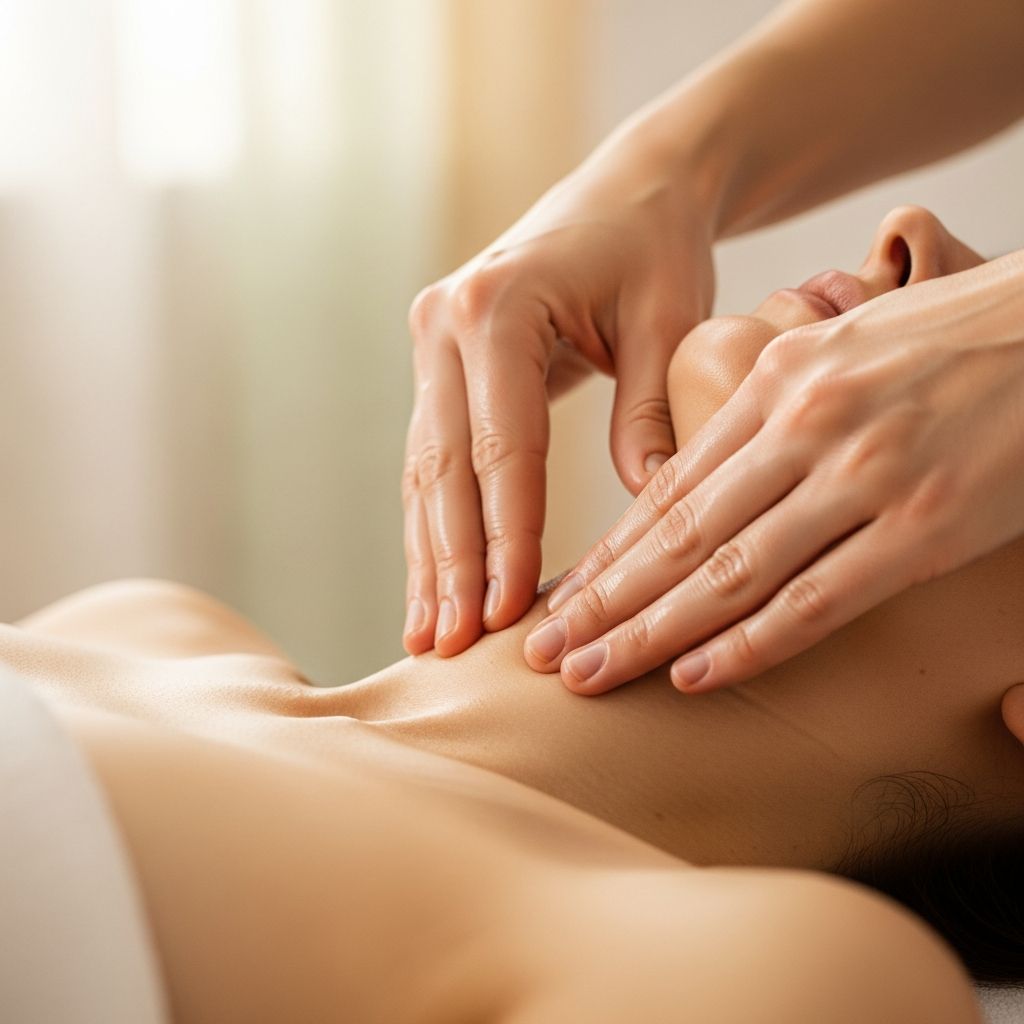
Lymphatic drainage massage, also known as manual lymphatic drainage (MLD), is a specialized, gentle massage technique designed to stimulate the flow of lymph fluid through the body’s lymphatic system. This therapy helps reduce swelling, support detoxification, and alleviate symptoms associated with lymphedema and other conditions.
What Is Lymphatic Drainage Massage?
The lymphatic system is a network of vessels, nodes, and organs that collects excess fluid, proteins, and waste from tissues and returns them to the bloodstream. When this system becomes congested or damaged—often due to surgery, injury, or illness—fluid builds up, causing swelling known as edema or lymphedema. Lymphatic drainage massage uses light, rhythmic strokes to manually encourage lymph flow toward functioning lymph nodes, where toxins can be filtered out.
Unlike traditional deep-tissue massages, MLD applies very light pressure—often described as ‘skin-level’—to avoid overwhelming delicate lymphatic vessels. Sessions typically last 30 to 60 minutes and follow a specific sequence starting from the neck and collarbone area (supraclavicular nodes) and progressing outward to affected limbs.
How Does Lymphatic Drainage Massage Work?
During a session, a certified therapist begins by clearing central lymph nodes in the neck, armpits, and groin using gentle pumping motions. They then use long, feather-light strokes to redirect fluid from swollen tissues back toward these nodes. This process mimics the natural rhythm of lymph flow, which relies on muscle contractions, breathing, and gravity rather than a central pump like the heart.
Research supports that MLD increases lymph circulation, expedites waste removal, enhances fluid dynamics for edema reduction, and may shift the body toward parasympathetic (rest-and-digest) dominance. Recent studies show it effectively moves both water and protein-rich fluid in lymphedema cases, distinguishing it from simpler compression methods.
Benefits of Lymphatic Drainage Massage
Lymphatic drainage massage offers evidence-based benefits, particularly for those with lymphatic issues:
- Reduces Swelling and Lymphedema: Primarily used post-breast cancer surgery, where lymph node removal causes arm swelling. A 2022 meta-analysis of 457 patients found significant volume reduction in upper extremities after more than 20 sessions or two weeks of treatment.
- Detoxification and Immune Support: By flushing toxins, it may boost immunity and reduce inflammation.
- Improves Circulation: Enhances blood and venous flow, potentially easing fatigue and pain.
- Cosmetic Advantages: Facial MLD reduces puffiness, improves skin glow, and minimizes bloating—popular among celebrities for ‘sculpting’ effects.
- Pain Relief and Recovery: Helps with post-surgical symptoms like axillary web syndrome (AWS), shortening recovery time for nodules and tightness when combined with exercises.
Emerging research broadens these benefits beyond lymphedema. A narrative review of 20 studies (1989–2019) confirmed MLD raises pain thresholds, decreases fatigue, and improves range of motion in neck and shoulder rehab post-surgery.
Who Can Benefit from Lymphatic Drainage Massage?
- Individuals with lymphedema from cancer treatments, surgeries, or conditions like filariasis.
- Post-operative patients recovering from procedures causing swelling, such as mastectomy or liposuction.
- Athletes or those with edema from injury, where MLD aids in reducing inflammation.
- People experiencing chronic fatigue, fibromyalgia, or sinus issues.
- Those seeking cosmetic improvements like reduced facial puffiness or bloating after flights/travel.
It’s especially valuable during the maintenance phase of lymphedema management, improving arm function and quality of life.
Related Stories



Lymphatic Drainage Massage Techniques
Certified therapists use Vodder or Foldi methods, involving:
- Pump and Circle Techniques: Gentle circles and pumps on nodes.
- Stationary Circles: Rotations over tissues to scoop fluid.
- Scooping/Stroking: Long, directional strokes toward nodes.
At-home self-massage is possible for mild cases: Start with deep breathing, then massage collarbone/neck (10 reps each), progressing to arms/legs. Always consult a provider first.
| Technique | Description | Target Area |
|---|---|---|
| Neck Pump | Rhythmic pressing | Supraclavicular nodes |
| Arm Scoop | Light strokes upward | Arm from wrist to shoulder |
| Leg Sequence | Groin to ankle flow | Lower limbs |
Risks and Contraindications
MLD is safe for most but contraindicated for:
- Active cancer, untreated infections, blood clots, heart failure, or kidney disease.
- Damaged skin from radiation or open wounds.
- Pregnancy (without doctor approval).
Potential side effects include temporary increased urination (detox), mild fatigue, or flu-like symptoms. Always use a certified therapist (e.g., CLT—Certified Lymphedema Therapist).
How to Prepare for Your First Lymphatic Drainage Massage Session
Hydrate well before and after. Wear loose clothing. Inform your therapist of medical history. Sessions cost $75–$150; insurance may cover for lymphedema.
Frequently Asked Questions (FAQs)
Is lymphatic drainage massage painful?
No, it’s gentle with light pressure—should feel relaxing, not intense.
How often should you get lymphatic drainage massage?
For lymphedema: 2–3 times weekly initially, then maintenance. Cosmetic: Weekly or as needed.
Can you do lymphatic drainage massage at home?
Yes, for mild swelling, but learn from a professional first to avoid improper technique.
Does lymphatic drainage massage help with weight loss?
It reduces bloating/water retention but not fat loss. Combine with diet/exercise.
How long does a lymphatic drainage massage take?
Full body: 60 minutes; face: 30 minutes.
Who should not get lymphatic drainage massage?
Those with acute infections, clots, or certain cancers—consult a doctor.
Lymphatic drainage massage provides a non-invasive way to support lymphatic health, reduce swelling, and enhance well-being. While most effective for medical conditions like lymphedema, its gentle nature makes it accessible for wellness routines. Pair it with compression garments, exercise, and hydration for optimal results. Always seek guidance from healthcare providers to ensure it’s suitable for you.
References
- Lymphatic Drainage Massage: What It Is & Benefits — Cleveland Clinic. 2023-10-12. https://my.clevelandclinic.org/health/treatments/21768-lymphatic-drainage-massage
- Research Updates in Lymphatic Drainage — American Massage Therapy Association (AMTA). 2023-01-15. https://www.amtamassage.org/publications/massage-therapy-journal/research-update-lymph-drainage/
- What Is Lymphatic Drainage Massage? | Ask Cleveland Clinic’s Expert — Cleveland Clinic (YouTube). 2023-11-05. https://www.youtube.com/watch?v=yzWjpQVdyCE
- Systematic Review of Efficacy for Manual Lymphatic Drainage — National Institutes of Health (PMC). 2009-10-01. https://pmc.ncbi.nlm.nih.gov/articles/PMC2755111/
Similar Articles








Read full bio of Sneha Tete