Lymphatic Malformation: Diagnosis And Treatment Guide
Comprehensive guide to lymphatic malformations: causes, diagnosis, types, treatments, and management strategies for this congenital vascular anomaly.
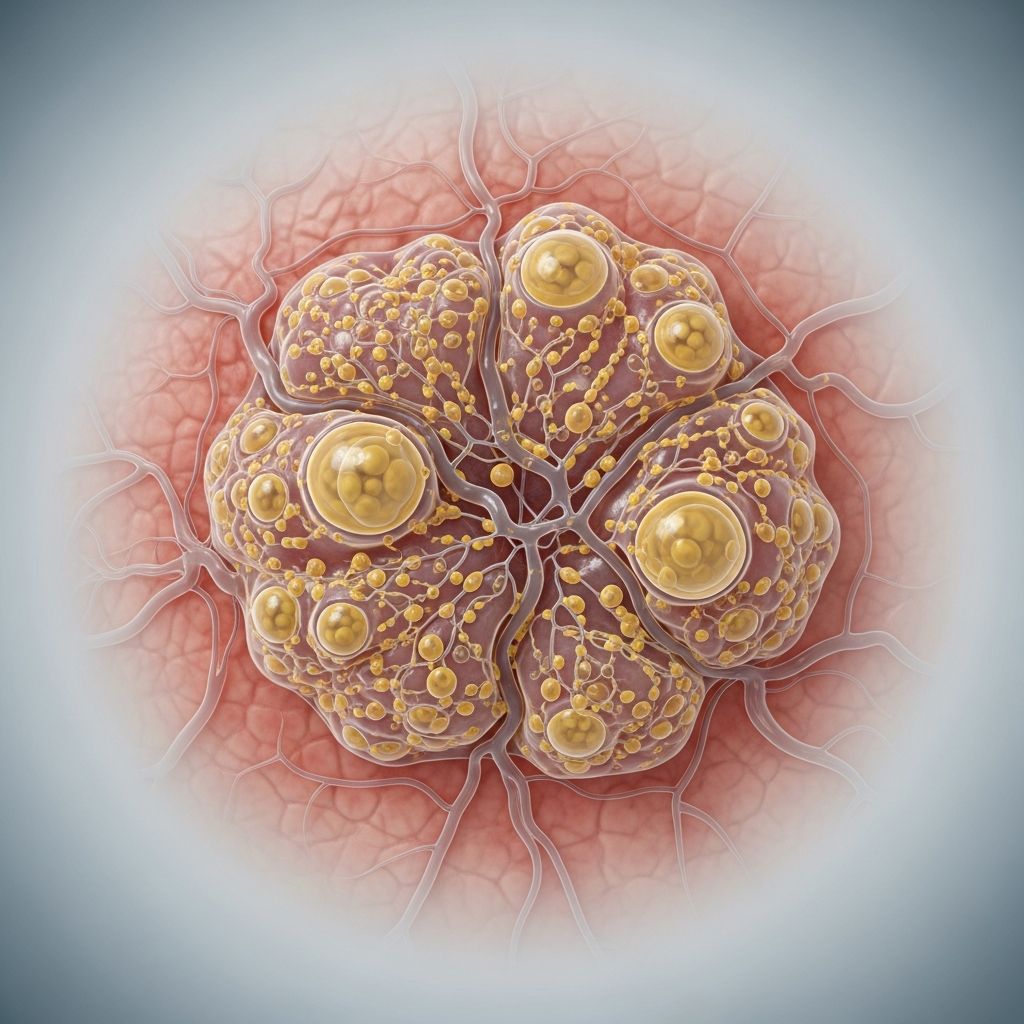
Lymphatic malformation is a congenital benign proliferation of lymphatic vessels that typically affects the
head and neck
(75% of cases) but can occur anywhere on the body. These malformations arise from errors in the development of lymphatic vessels during early embryogenesis, leading to dilated lymphatic channels filled with clear or milky lymph fluid. They present as soft, compressible swellings that may transilluminate and can be associated with vesicles on the skin surface.What is the cause of a lymphatic malformation?
Lymphatic malformations result from developmental abnormalities occurring before birth, specifically during the formation of the lymphatic system around the
5th–8th week of gestation
. The lymphatic system develops from endothelial buds of veins that form primitive sacs and channels connecting to the venous system. Mutations in genes such asPIK3CA
(in the PI3K/AKT/mTOR pathway) have been implicated in some cases, particularly those responding to targeted therapies like sirolimus. These anomalies are not inherited in most instances but occur sporadically. Environmental factors are not well-established, though prenatal diagnosis via ultrasound is common.Who gets lymphatic malformations?
Lymphatic malformations are present at birth or become apparent in early childhood, with no strong predilection for sex or race. They affect approximately
1 in 4,000 live births
. Thehead and neck
region is involved in about 75% of cases, followed by the trunk (15%) and extremities (10%). Superficial lesions may be noticed immediately at birth, while deeper ones may present later with growth or infection.What are the clinical features of lymphatic malformation?
Clinically, lymphatic malformations appear as
soft, skin-coloured or bluish, compressible swellings
that may fluctuate in size. They oftentransilluminate
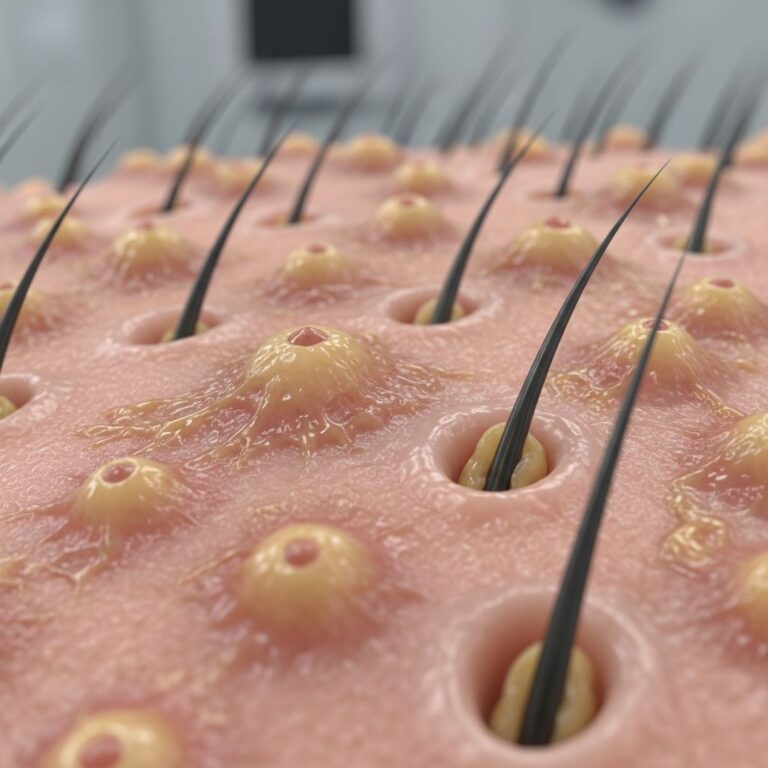
(glow under light) due to cystic fluid content. Skin changes include clusters of clearvesicles
resembling frog spawn or blood-filled blisters if haemorrhage occurs.- Macrocystic type: Large, soft, tense or fluctuant swellings (>1–2 cm cysts).
- Microcystic type: Diffuse, spongy swellings with small cysts (<1–2 cm), often with warty or vesicular skin surface.
- Combined (mixed) type: Features of both.
Lesions grow slowly with the child but can rapidly enlarge due to
haemorrhage
,infection
, ortrauma
. Complications includepain
,swelling
,cellulitis
(infection),sepsis
, airway obstruction (in neck lesions), or cosmetic disfigurement. Deep lesions may cause skeletal overgrowth or organ compression.Diagnosis of lymphatic malformation
Diagnosis is primarily
clinical
based on history and examination, supported by imaging.Prenatal ultrasound
detects many lesions. Postnatally:- Ultrasound: First-line; shows cystic spaces, septa, and Doppler confirms low flow.
- MRI: Gold standard; delineates extent, cyst size (macrocystic vs. microcystic), and tissue involvement. T2-hyperintense cysts with fluid-fluid levels if haemorrhagic.
- CT: For bony involvement.
**Biopsy** is rarely needed but shows dilated lymphatic channels lined by flat endothelium in loose stroma if performed. Staging systems exist for head/neck lesions to guide treatment.
Types of lymphatic malformation
Lymphatic malformations are classified by cyst size and extent:
| Type | Cyst Size | Features | Treatment Response |
|---|---|---|---|
| Macrocystic | >1–2 cm | Large interconnected cysts; soft fluctuant swellings | Excellent to sclerotherapy/surgery; low recurrence |
| Microcystic | <1 cm | Diffuse small cysts; spongy, vesicular skin | Poor; high recurrence, lifelong management |
| Mixed | Both | Combination; challenging | Variable; multimodal therapy |
Other subtypes include channel-type, generalized lymphatic anomaly (GLA), and kaposiform lymphangiomatosis (KLA), which is aggressive with bone/lung involvement.
Treatment of lymphatic malformation
Related Stories



Treatment is individualized based on size, location, symptoms, and type. Options include:
- Observation: For asymptomatic lesions; some spontaneously regress.
- Sclerotherapy: First-line for macrocystic; sclerosants (e.g., doxycycline, bleomycin) injected cause endothelial inflammation and shrinkage. 40–80% effective; multiple sessions may be needed.
- Surgery: Excision for localized macrocystic or debulking microcystic. Reserved for failures of sclerotherapy.
- Medical therapy:
Sirolimus
(mTOR inhibitor) orally for microcystic/diffuse; targets PI3K pathway, reduces size in 70–90%. Sildenafil also used. - Other: Laser/RF ablation for superficial, compression/PT for lymphedema.
Microcystic/mixed types recur more (up to 60%) and may need lifelong therapy.
Complications of lymphatic malformation
- Infection: Cellulitis/sepsis; treat with antibiotics.
- Haemorrhage: Sudden painful enlargement.
- Functional: Airway compromise, feeding issues, skeletal deformity.
- Cosmetic/psychosocial: Disfigurement.
Prognosis and follow-up for lymphatic malformation
Prognosis is excellent for macrocystic (curative potential), guarded for microcystic (chronic). Multidisciplinary care (dermatology, vascular surgery, interventional radiology, paediatrics) optimizes outcomes. Regular MRI monitors growth; lifelong surveillance for complications.
Frequently Asked Questions (FAQs)
What is a lymphatic malformation?
A benign congenital anomaly of dilated lymphatic vessels forming cysts or swellings, most common in head/neck.
Can lymphatic malformations be cured?
Macrocystic often yes with sclerotherapy/surgery; microcystic managed but not cured.
Is sirolimus effective for lymphatic malformations?
Yes, especially microcystic; reduces size by inhibiting mTOR pathway.
What causes sudden enlargement?
Haemorrhage, infection, or trauma; seek urgent care.
How are they diagnosed?
Ultrasound and MRI; prenatal US possible.
References
- Lymphatic Malformations – Symptoms, Causes, Treatment — NORD (rarediseases.org). 2023. https://rarediseases.org/rare-diseases/lymphatic-malformations/
- Lymphatic Malformations (LMs) Treatment — Columbia Doctors. 2024. https://www.columbiadoctors.org/childrens-health/centers-programs/vascular-anomalies-program/conditions-we-treat/lymphatic-malformations-lms
- Lymphatic Malformations Treatment — Mount Sinai. 2023. https://www.mountsinai.org/locations/cerebrovascular-center/conditions/vascular-malformations/lymphatic
- Pediatric Lymphatic Malformations — Children’s National Hospital. 2024. https://www.childrensnational.org/get-care/health-library/lymphatic-malformations
- Diagnostic and Management Pathway for Lymphatic Malformations — VASCERN Webinar (YouTube). 2021-12-15. https://www.youtube.com/watch?v=j8pG1AVuClQ
Similar Articles








Read full bio of medha deb