Lymphatic System: Function, Conditions & Disorders
Understanding your lymphatic system: Key functions, organs, and how it protects your body.
Understanding Your Lymphatic System
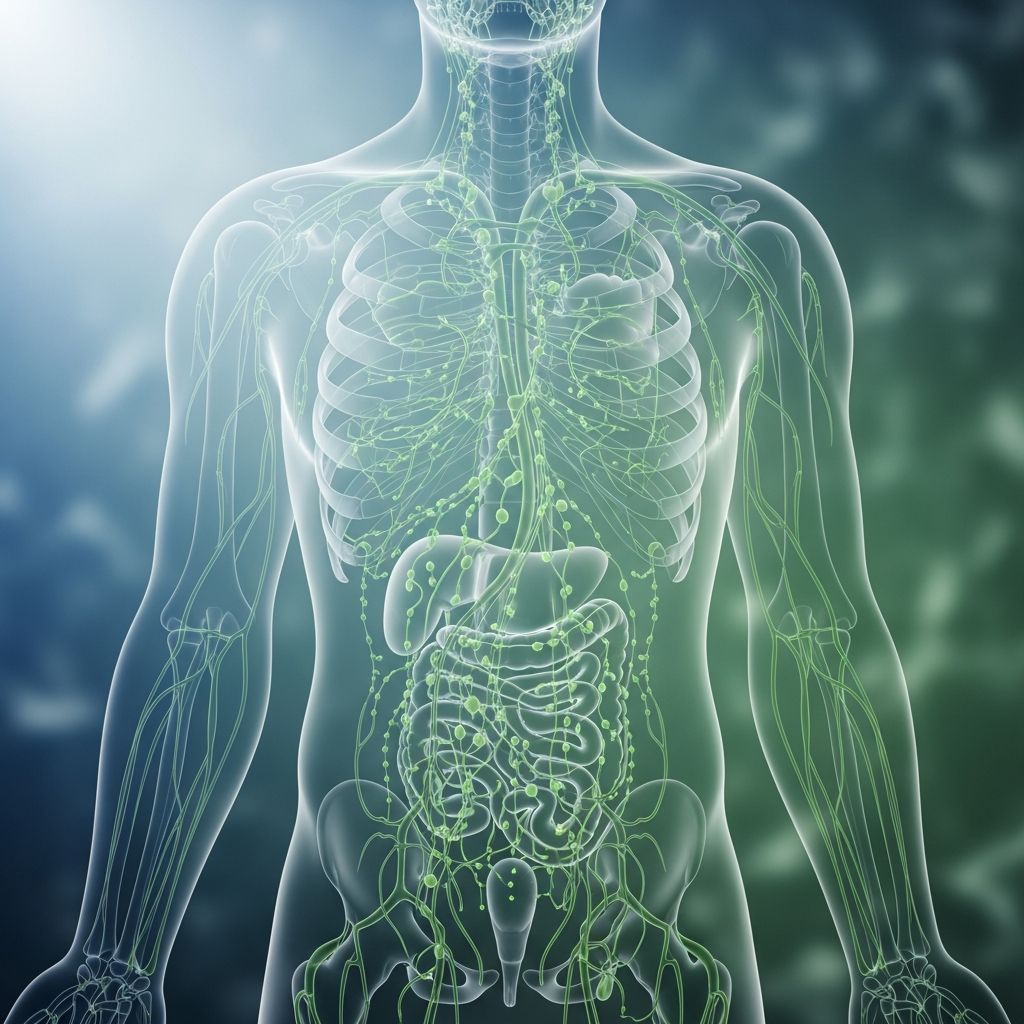
Your lymphatic system is a complex network of organs, vessels, and tissues that plays a crucial role in protecting your body from infection and maintaining optimal fluid balance. As a vital component of your immune system, the lymphatic system works tirelessly to defend you against pathogens, eliminate damaged cells, and support overall health. This intricate network operates silently in the background, performing essential functions that keep your body functioning smoothly and efficiently.
The lymphatic system is often overlooked compared to more well-known body systems, yet it is fundamental to your survival and wellbeing. Without this sophisticated filtration and transport system, your body would struggle to fight infections, manage fluid levels, and eliminate waste products. Understanding how your lymphatic system works can help you appreciate the remarkable complexity of your body and recognize when something might be going wrong.
What Is the Lymphatic System?
The lymphatic system is a network of organs, vessels, and tissues that circulate a colorless fluid called lymph throughout your body. This fluid moves alongside your blood circulation, collecting excess fluid from your tissues and returning it to your bloodstream. Unlike your circulatory system, which uses the heart as a pump, your lymphatic system relies on muscle contractions, breathing, and movement to propel lymph through its vessels.
The primary components of your lymphatic system include specialized organs such as your bone marrow, thymus gland, and hundreds of lymph nodes distributed throughout your body. Additionally, your lymphatic system includes lymphatic vessels, which are thin tubes that collect and transport lymph, and lymphatic tissues found in various organs. Together, these components create an intricate network that serves multiple critical functions for your health and immunity.
Key Functions of Your Lymphatic System
Your lymphatic system performs several essential functions that are vital to maintaining your health and protecting you from disease:
Immune Protection and Infection Defense
One of the primary functions of your lymphatic system is to protect you from infection and disease. Your lymphatic system produces white blood cells and houses immune cells that identify and destroy pathogens such as bacteria, viruses, and fungi. When your body encounters harmful invaders, your lymphatic system mobilizes these immune cells to eliminate the threat before it can cause serious illness.
Fluid Balance and Homeostasis
Your lymphatic system plays a critical role in maintaining healthy fluid levels throughout your body. Every day, approximately 20 liters of plasma flow out of tiny pores in your capillary walls to deliver oxygen and nutrients to tissues. About 17 liters return directly to your bloodstream through the capillary walls, but 3 liters remain in your tissues. Your lymphatic system collects this excess fluid through tiny lymphatic capillaries and returns it to your bloodstream, preventing dangerous fluid accumulation and maintaining proper hydration levels.
Fat and Nutrient Absorption
Your lymphatic system is responsible for absorbing fats and fat-soluble vitamins from your digestive system. Special lymphatic vessels in your small intestine, called lacteals, absorb dietary fats and fat-soluble vitamins like vitamins A, D, E, and K. This absorption process allows these essential nutrients to enter your bloodstream and be distributed throughout your body where they’re needed for various physiological functions.
Waste Removal and Cellular Cleanup
Your lymphatic system continuously removes waste products, dead cells, and damaged tissue from your body. As lymph circulates through your tissues, it picks up cellular debris, pathogens, and other unwanted materials. This cleaning function is essential for preventing the buildup of harmful substances and maintaining a healthy internal environment.
Related Stories



How Lymph Flows Through Your Body
Understanding the journey of lymph through your body helps illustrate why your lymphatic system is so important. The process begins in your capillaries, where blood pressure forces plasma through tiny pores in the capillary walls. This plasma bathes your tissues, delivering essential oxygen and nutrients while tissues absorb what they need and leave behind waste products, similar to a sponge releasing water.
The plasma returns to your bloodstream through the same capillary pores, but about 3 liters daily remain trapped in your tissues. At this point, specialized lymphatic capillaries absorb this excess fluid, and it is renamed lymph. This lymph moves into progressively larger lymphatic vessels that transport it toward your chest. Eventually, lymph reaches one of two major ducts: your right lymphatic duct or your thoracic duct. These ducts function like highway on-ramps, merging lymph into large veins called your subclavian veins. From there, lymph reenters your bloodstream, completing the cycle and allowing the fluid to circulate through your body again.
Primary Organs of the Lymphatic System
Several key organs make up your lymphatic system and work together to maintain immunity and fluid balance:
Lymph Nodes
Lymph nodes are small, bean-shaped structures distributed throughout your body that filter lymph for harmful substances and abnormal cells. You have between 400 to 800 lymph nodes, though no two people have exactly the same number. These nodes are located in clusters throughout your body, including behind your ears, around your neck, in your armpits, groin, abdomen, and along other major blood vessels. As lymph passes through these nodes, immune cells work to identify and eliminate pathogens, damaged cells, and cancer cells before the cleaned lymph returns to your bloodstream.
Bone Marrow
Your bone marrow produces many of the white blood cells that populate your lymph nodes and patrol your body for infection. This spongy tissue inside your bones is the birthplace of immune cells, making it a critical component of your lymphatic and immune systems.
Thymus Gland
The thymus gland, located between your lungs in your upper chest, is responsible for producing and maturing T cells, a specialized type of white blood cell essential for immune function. The thymus is particularly active in children and gradually decreases in size with age, though it continues to produce immune cells throughout your life.
Spleen
Your spleen is an organ just above your stomach that filters blood and produces white blood cells that protect you from infection. This organ plays a crucial role in removing old red blood cells and pathogens from your bloodstream.
Tonsils and Adenoids
These lymphatic tissues in your throat and the back of your nasal passages serve as sentries, protecting against pathogens that enter through your nose and mouth.
Common Lymphatic System Conditions and Disorders
When your lymphatic system is not functioning properly, various conditions can develop. Swollen lymph nodes are often the first sign that something is amiss. While swollen lymph nodes can indicate common, benign infections like strep throat, they can also signal more serious conditions including cancer or other significant illnesses. Other conditions affecting the lymphatic system include lymphedema, a condition where lymph builds up in soft tissues causing swelling, typically in the arms or legs after surgery or injury.
Infections within the lymphatic system can lead to lymphangitis or lymphadenitis, where lymph vessels or nodes become inflamed and infected. Understanding these conditions and seeking appropriate medical attention when symptoms appear is crucial for maintaining lymphatic health and overall wellness.
Signs Your Lymphatic System Needs Attention
Several warning signs may indicate that your lymphatic system is not functioning optimally:
- Swollen or enlarged lymph nodes that persist for more than two weeks
- Unexplained swelling in your arms or legs
- Recurring infections or frequent illness
- Persistent fatigue or low energy levels
- Digestive issues or poor nutrient absorption
- Skin conditions or slow wound healing
If you experience any of these symptoms, consulting with a healthcare provider is important for proper diagnosis and treatment.
Supporting Your Lymphatic System
While your lymphatic system works automatically, certain lifestyle practices can support its optimal functioning. Regular physical activity, including walking, swimming, or yoga, helps move lymph throughout your body since your lymphatic system relies on muscle contractions for circulation. Proper hydration ensures adequate fluid for lymph production and circulation. Maintaining a healthy diet rich in nutrients supports immune cell production and function. Additionally, managing stress and getting adequate sleep help your immune system function optimally.
Frequently Asked Questions
Q: How many lymph nodes does the human body have?
A: You have anywhere from 400 to 800 lymph nodes throughout your body, though there is no precise number that is the same for everyone. These nodes are strategically distributed from your head and neck to your abdomen and knees.
Q: What does swollen lymph nodes mean?
A: Swollen lymph nodes typically indicate that your immune system is actively fighting an infection or illness. While this often signals common infections like strep throat, persistent swelling should be evaluated by a healthcare provider, as it can sometimes indicate more serious conditions.
Q: How does lymph differ from blood?
A: Lymph is a colorless fluid that originates from plasma that leaks from blood vessels into tissues. While blood is pumped by your heart and contains red blood cells, lymph circulates slowly through your body without red blood cells and relies on muscle contractions and movement for circulation.
Q: Can you live without a lymphatic system?
A: No, you cannot live without a functioning lymphatic system. Your lymphatic system is essential for immune function, fluid balance, and nutrient absorption—all functions necessary for survival.
Q: What is lymphatic drainage massage?
A: Lymphatic drainage massage is a gentle therapeutic technique that encourages the movement of lymph from tissues to lymph nodes, helping to relieve swelling, reduce inflammation, and improve lymphatic circulation.
Q: What causes lymphedema?
A: Lymphedema occurs when something blocks lymph flow, causing it to accumulate in soft tissues and create swelling. This can result from surgery, injury, infection, or other conditions that damage lymph vessels or nodes.
References
- Lymphatic System: Function, Conditions & Disorders — Cleveland Clinic. Accessed December 2025. https://my.clevelandclinic.org/health/body/21199-lymphatic-system
- Lymph Nodes Locations & Function — Cleveland Clinic. Accessed December 2025. https://my.clevelandclinic.org/health/body/23131-lymph-nodes
- Lymph: Function, Importance & What It’s Made Of — Cleveland Clinic. Accessed December 2025. https://my.clevelandclinic.org/health/body/25209-lymph
- How Does the Lymphatic System Work? — Cleveland Clinic. Accessed December 2025. https://my.clevelandclinic.org/health/body/21199-lymphatic-system
- Lymphedema: Symptoms, Causes & Treatment — Cleveland Clinic. Accessed December 2025. https://my.clevelandclinic.org/health/diseases/8353-lymphedema
- Inguinal Lymph Node: Location & Function — Cleveland Clinic. Accessed December 2025. https://my.clevelandclinic.org/health/body/23218-inguinal-lymph-node
- Lymphatic Drainage Massage: What It Is & Benefits — Cleveland Clinic. Accessed December 2025. https://my.clevelandclinic.org/health/treatments/21768-lymphatic-drainage-massage
Similar Articles








Read full bio of medha deb