Lymphedema: 4 Essential Stages, Diagnosis And Treatment
Understand lymphedema: causes, symptoms, stages, treatments, and prevention for better management of this chronic swelling condition.
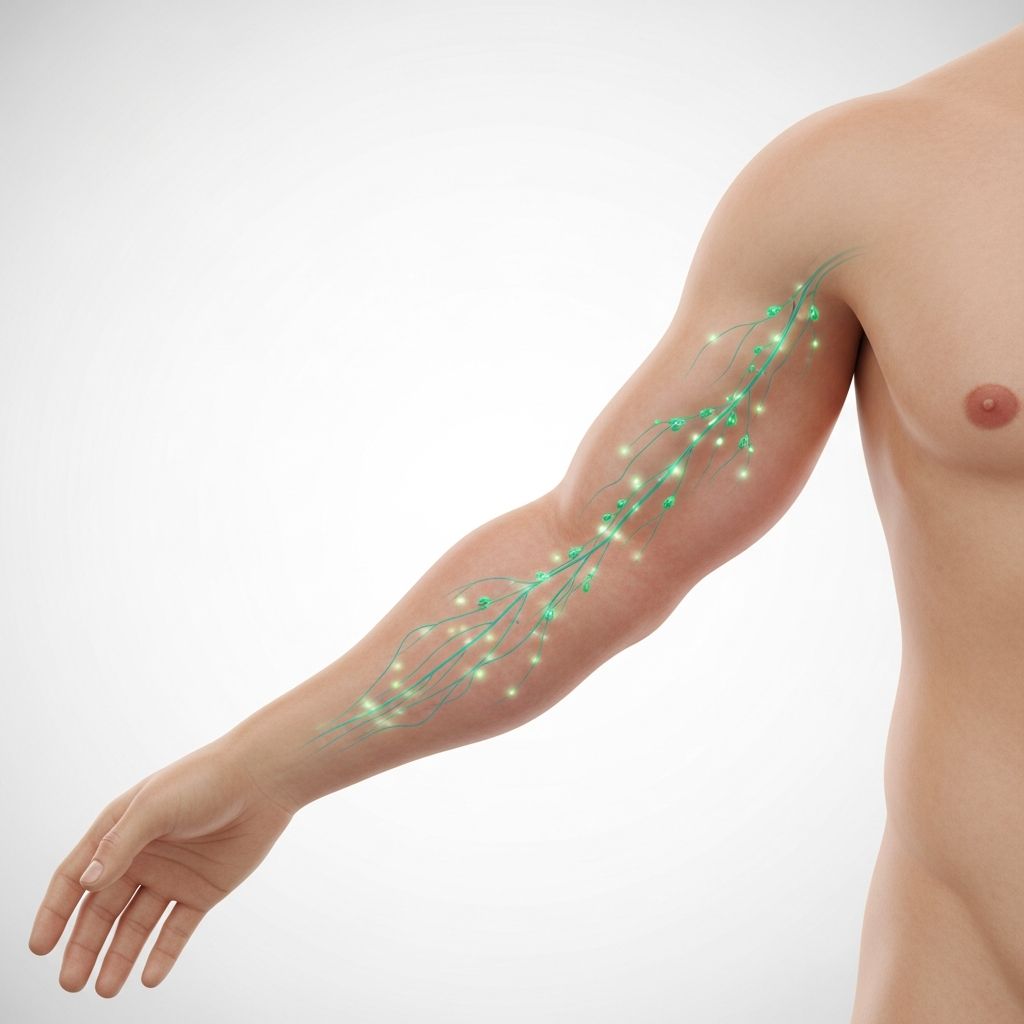
Lymphedema is a persistent medical condition involving abnormal accumulation of protein-rich fluid in tissues, primarily affecting the arms, legs, or other body areas due to lymphatic system impairment.
The Lymphatic System’s Vital Functions
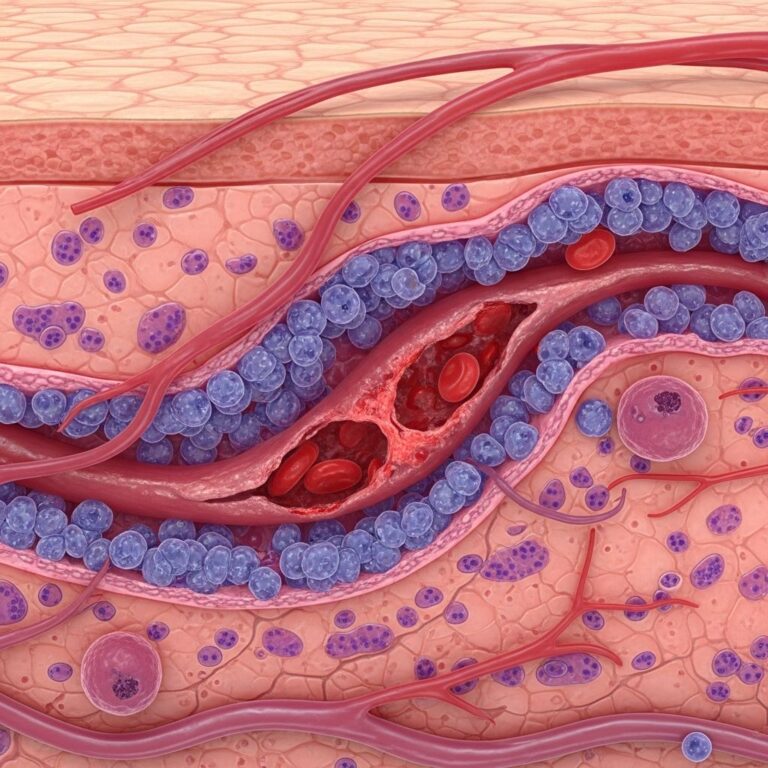
The lymphatic system comprises a network of vessels, nodes, and organs that transport clear lymph fluid—containing proteins, fats, and immune cells—from tissues back to the bloodstream. This process prevents fluid buildup while supporting immunity by filtering pathogens. When lymphatic vessels or nodes are damaged or underdeveloped, fluid stagnates, triggering inflammation, fibrosis, and swelling known as lymphedema.
Types of Lymphedema: Primary vs. Secondary
Lymphedema arises in two main forms. Primary lymphedema stems from genetic or developmental lymphatic anomalies, often appearing at birth, puberty, or later adulthood. Secondary lymphedema results from external factors damaging the system, such as cancer surgeries removing lymph nodes, radiation, infections like filariasis, trauma, or obesity.
- Primary: Rare, linked to faulty genes affecting lymphatic formation.
- Secondary: More common, especially post-cancer treatment in breast or pelvic regions.
Recognizing Early Warning Signs
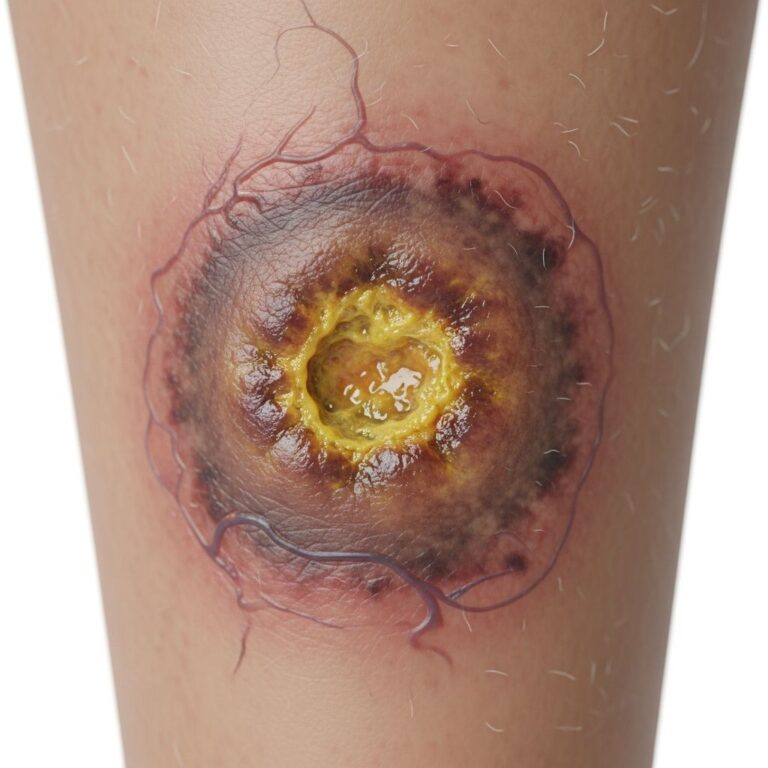
Initial symptoms include subtle swelling that worsens with prolonged standing or heat, alongside a sense of heaviness or tightness in limbs. Affected skin may feel taut, and jewelry or clothing might fit poorly. Advanced signs feature hardened skin, folds, wart-like bumps, and recurrent infections like cellulitis.
| Symptom | Early Stage | Advanced Stage |
|---|---|---|
| Swelling | Pitting, reversible with elevation | Non-pitting, persistent fibrosis |
| Skin Changes | Tight, mild thickening | Thickened, warty, folded |
| Sensation | Heaviness, aching | Pain, reduced mobility |
| Infections | Rare | Frequent cellulitis |
Progression Through Clinical Stages
Lymphedema advances through stages defined by the International Society of Lymphology (ISL). Stage 0 involves subclinical lymphatic slowdown without visible swelling. Stage I features reversible pitting edema that recedes with rest. Stage II introduces irreversible tissue hardening and non-pitting swelling. Stage III, or elephantiasis, brings extreme deformity, deep skin folds, and severe functional loss.
- Stage 0: Latent, fluid transport impaired but no swelling.
- Stage I: Accumulating, pitting edema responsive to elevation.
- Stage II: Spongy induration, fibrosis dominates.
- Stage III: Lymphostatic elephantiasis with trophic changes.
Early detection halts progression, preserving limb function and quality of life.
Diagnostic Approaches and Tools
Diagnosis relies on clinical evaluation: patient history, limb measurements (circumference comparisons), and pitting tests. Imaging confirms lymphatic issues—lymphoscintigraphy visualizes flow, ultrasound rules out clots, MRI assesses tissue changes. Bioimpedance spectroscopy detects subtle fluid shifts early.
- Physical exam for asymmetry and tissue texture.
- Lymphoscintigraphy for lymphatic mapping.
- Doppler ultrasound to exclude venous causes.
Differentiate from heart failure, venous insufficiency, or lipedema via these targeted assessments.
Comprehensive Management Strategies
Treatment emphasizes Complete Decongestive Therapy (CDT), a gold-standard combining techniques for volume reduction and skin health. Phases include intensive therapy followed by self-maintenance.
Core Components of CDT
- Manual Lymph Drainage (MLD): Gentle massage redirects fluid to functional pathways.
- Compression Bandaging: Multi-layer wraps reduce limb size.
- Exercises: Promote muscle pump action for drainage.
- Skin Care: Prevents infections with moisturizing and hygiene.
Related Stories



Custom-fitted compression garments maintain gains post-intensive phase.
Pharmacological and Surgical Options
Medications like diuretics offer limited benefit and risk worsening fibrosis; antibiotics treat infections. Surgery suits advanced cases: lymphovenous anastomosis (LVA) bypasses blockages, vascularized lymph node transfer (VLNT) restores drainage. Liposuction removes excess fat in non-pitting stages.
Lifestyle Modifications for Control
Daily habits significantly influence outcomes. Maintain ideal weight to lessen lymphatic load, elevate limbs when resting, and avoid trauma or cuts. Shun blood pressure cuffs, tight clothing, and extreme temperatures on affected areas. Low-sodium diets and consistent movement aid fluid balance.
- Elevate limbs above heart level daily.
- Wear compression during air travel or heat exposure.
- Monitor for infection signs like redness or fever.
Potential Complications and Risks
Untreated lymphedema invites recurrent cellulitis, erysipelas, and lymphangitis, escalating tissue damage. Rare risks include lymphangiosarcoma (Stewart-Treves syndrome) in chronic cases. Progressive fibrosis impairs mobility, fostering depression and social withdrawal.
Psychosocial Dimensions and Support
Beyond physical toll, lymphedema burdens mental health with body image concerns and activity limitations. Support groups, counseling, and education empower patients. Interdisciplinary teams—therapists, nurses, oncologists—optimize care.
Prevention in At-Risk Populations
Cancer survivors should practice risk reduction: prompt infection treatment, compression post-surgery, and regular self-checks. Prehabilitation before lymph node dissection includes MLD.
Emerging Innovations and Research
Advances feature bioengineered vessels, growth factor therapies, and wearable tech for real-time monitoring. mTOR inhibitors target vascular malformations in complex cases. Precision medicine tailors interventions via advanced imaging.
Frequently Asked Questions (FAQs)
What triggers lymphedema flares?
Infections, injuries, heat, prolonged immobility, or hormonal shifts can exacerbate swelling.
Can lymphedema resolve completely?
Early stages may reverse with CDT, but it’s generally chronic requiring lifelong management.
Is exercise safe with lymphedema?
Yes, tailored exercises enhance drainage; avoid heavy weightlifting without guidance.
How often should compression garments be replaced?
Every 4-6 months or sooner if stretched/loosened.
Does air travel worsen lymphedema?
Yes, due to cabin pressure; use compression and move frequently.
Proactive management transforms lymphedema from debilitating to manageable, emphasizing early intervention and patient education for sustained wellness.
References
- Lymphedema – StatPearls – NCBI Bookshelf — National Center for Biotechnology Information. 2023-10-01. https://www.ncbi.nlm.nih.gov/books/NBK537239/
- Best Practice for the Management of Lymphoedema — Lymphoedema Association of Australia. 2022-01-01. https://www.lympho.org/uploads/files/files/Best_practice.pdf
- Lymphedema (PDQ®) – NCI — National Cancer Institute. 2025-01-15. https://www.cancer.gov/about-cancer/treatment/side-effects/lymphedema/lymphedema-hp-pdq
- Lymphoedema – NHS — National Health Service. 2024-05-20. https://www.nhs.uk/conditions/lymphoedema/
- LYMPHEDEMA – Lymphatic Education & Research Network — LERN. 2023-01-01. https://lymphaticnetwork.org/images/uploads/LERN_MGH_LE_Booklet.pdf
- Lymphedema: Symptoms, Causes & Treatment — Cleveland Clinic. 2024-08-10. https://my.clevelandclinic.org/health/diseases/8353-lymphedema
Similar Articles








Read full bio of medha deb