Lymphocytes: Essential Immune Cells, Functions, and Health Insights
Explore how lymphocytes protect your body, their types, normal ranges, and what abnormal levels indicate.
What Are Lymphocytes?
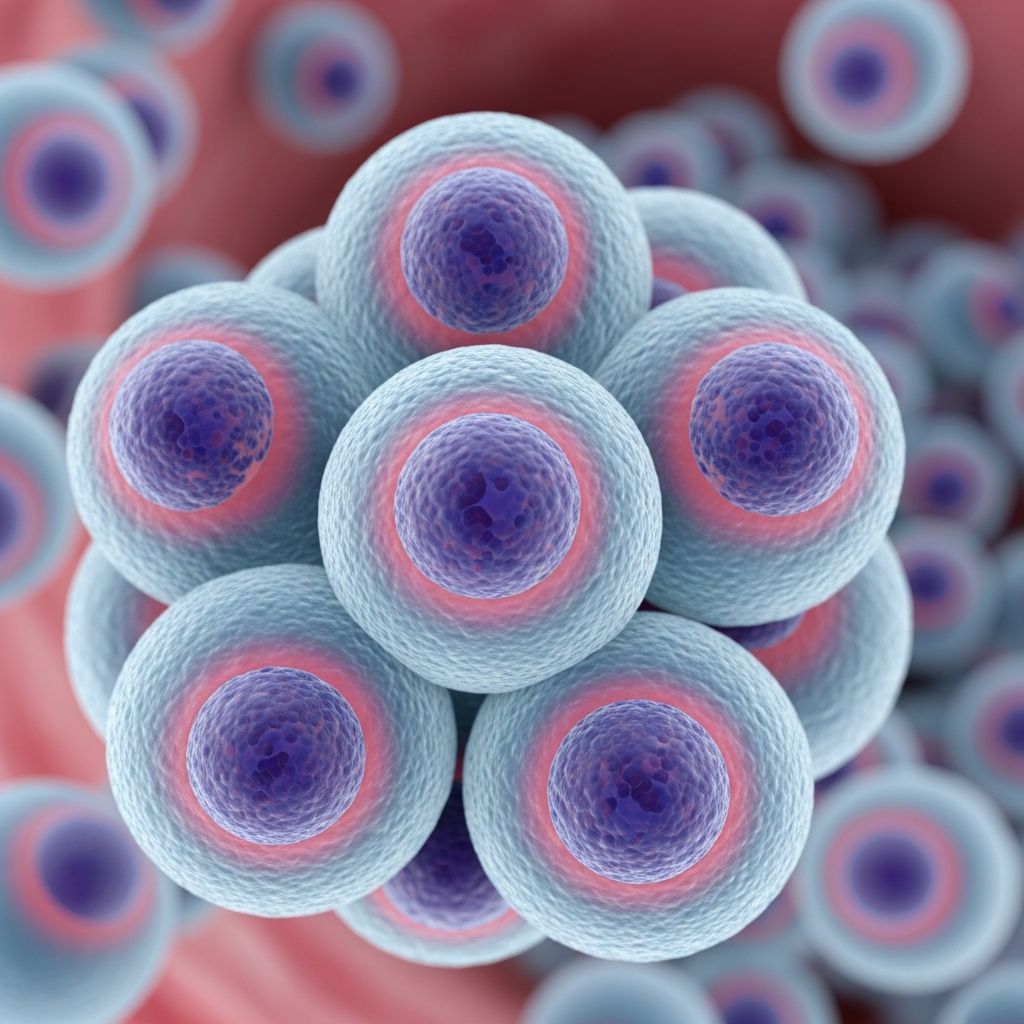
Lymphocytes are a crucial type of white blood cell found in your immune system. They participate actively in defending your body against infections caused by viruses, bacteria, and other pathogens. They also play a role in immune surveillance against tumors and abnormal cells. In adults, lymphocytes typically make up about 20% to 40% of your total white blood cells, reflecting their fundamental role in maintaining health and fighting disease.
Lymphocyte Levels: Normal Ranges
The normal lymphocyte count differs between adults and children and is measured per microliter (µL) of blood. Typical ranges include:
- Adults: 1,000 to 4,800 lymphocytes per microliter of blood
- Children: 3,000 to 9,500 lymphocytes per microliter of blood
The variation between adults and children reflects differences in immune development and physiological needs.
Types of Lymphocytes and Their Functions
T Cells
T lymphocytes, or T cells, mature in the thymus gland after being produced in the bone marrow. They are essential mediators of cellular immunity, acting primarily to:
- Helper T cells (CD4+): Activate and regulate other immune cells by releasing signaling molecules called cytokines.
- Killer T cells (CD8+): Directly destroy virus-infected cells, tumor cells, and cells that are otherwise dysfunctional.
- Regulatory T cells: Suppress immune responses to prevent autoimmune reactions and maintain immune system balance.
B Cells
B lymphocytes develop in the bone marrow and are responsible mainly for humoral immunity. They produce antibodies that specifically recognize foreign antigens such as those found on viruses and bacteria. A major subset of B cells includes the Leu-1+ lymphocytes, which have been linked to the production of certain autoantibodies relevant in autoimmune diseases like rheumatoid arthritis and lupus.
Natural Killer (NK) Cells
NK cells contribute to innate immunity, targeting and destroying infected or cancerous cells without the need for prior sensitization. They provide rapid immune responses, especially important in early defense.
Why Are Lymphocytes Important?
Lymphocytes are central to immune defense and immune memory. Their abilities include:
- Recognizing and responding to pathogens
- Generating long-lasting immunity via memory cells
- Monitoring and eliminating cancerous or abnormal cells
- Coordinating complex immune responses to tailor defense mechanisms
Without sufficient lymphocytes or proper lymphocyte function, the body’s ability to fight infection and malignancies diminishes significantly.
What Causes High Lymphocyte Levels? (Lymphocytosis)
An elevated lymphocyte count, termed lymphocytosis, generally signals the immune system is actively responding to a challenge. Common causes include:
- Infections: Viral infections like mononucleosis, hepatitis, cytomegalovirus, and some bacterial infections can cause lymphocytosis.
- Chronic inflammatory conditions: Such as autoimmune diseases where the immune system is persistently active.
- Blood cancers: Types of leukemia and lymphoma can cause uncontrolled lymphocyte proliferation.
- Other causes: Stress, smoking, and certain medications may also influence lymphocyte counts.
Related Stories



Identifying the underlying cause of lymphocytosis is critical for appropriate management.
What Causes Low Lymphocyte Levels? (Lymphocytopenia)
Lymphocytopenia or lymphopenia refers to abnormally low lymphocyte levels and can result from:
- Infections: Influenza and other viral infections may transiently reduce lymphocyte counts.
- Autoimmune disorders: Conditions where lymphocytes are destroyed or redistributed.
- Medications: Certain drugs such as chemotherapy agents or steroids.
- Immunodeficiency diseases: Including HIV/AIDS which directly target lymphocytes.
- Malnutrition and stress: These can suppress lymphocyte production.
- Radiation and bone marrow diseases: Affect lymphocyte production and survival.
Low lymphocytes mean weakened immunity and heightened risk of infections or poor response to pathogens.
How Are Lymphocytes Measured?
Lymphocyte counts are typically measured as part of a complete blood count (CBC) with differential. This test breaks down the proportions of different white blood cell types, including neutrophils, lymphocytes, monocytes, eosinophils, and basophils.
The Neutrophil-to-Lymphocyte Ratio (NLR) has become a useful clinical marker. This ratio considers the balance between neutrophils (which respond rapidly to infection and inflammation) and lymphocytes (which mediate adaptive immunity). Elevated NLR has been associated with an increased risk of mortality in conditions like advanced heart failure, reflecting systemic inflammation and physiological stress.
Health Implications of Lymphocyte Abnormalities
Abnormal lymphocyte counts can indicate a spectrum of health issues. Key implications include:
| Condition | Associated Lymphocyte Change | Notes |
|---|---|---|
| Viral infections | Lymphocytosis | Heightened immune response to viruses |
| Chronic inflammatory diseases | Lymphocytosis or dysregulated lymphocytes | Immune system hyperactivity |
| Leukemia/Lymphoma | Marked lymphocytosis with abnormal cells | Requires specialized diagnosis and treatment |
| Autoimmune diseases | Variable lymphocyte counts; presence of autoreactive B cells | May produce autoantibodies causing tissue damage |
| Immunodeficiencies (e.g., HIV) | Lymphocytopenia | Compromised immune defense, especially CD4+ T cells |
| Chemotherapy or Radiation | Lymphocytopenia | Suppressed lymphocyte production |
FAQs About Lymphocytes
Q: What does a high lymphocyte count indicate?
A: It often signals an ongoing infection or immune stimulation, but it can also be due to certain blood cancers or chronic inflammatory conditions.
Q: Can lymphocyte counts change daily?
A: Yes, lymphocyte counts can fluctuate based on infections, stress, medications, and physiological changes.
Q: How can I maintain healthy lymphocyte levels?
A: Maintaining overall health with a balanced diet, regular exercise, stress management, and avoiding infections helps support healthy lymphocyte levels.
Q: Are lymphocytes the same as white blood cells?
A: Lymphocytes are a subset of white blood cells, specialized for immune responses.
Q: What role do lymphocytes play in autoimmune diseases?
A: Certain lymphocytes may mistakenly target the body’s own tissues, contributing to autoimmune disease pathology.
Conclusion
Lymphocytes are indispensable cells of the immune system, adapting to various threats to protect the body from infections, abnormal cells, and disease. Understanding their normal ranges, types, and the significance of abnormal counts can provide critical insights into your immune health. When lymphocyte levels shift outside the normal range, it may signal infection, inflammation, immune disorders, or malignancy, underscoring the importance of clinical evaluation and potential monitoring.
References
- Lymphocytes: Function, Definition, Levels & Ranges — Cleveland Clinic. 2022-06-20. https://my.clevelandclinic.org/health/body/23342-lymphocytes
- Human Lymphocytes Making Rheumatoid Factor and Antibody to Single-Stranded DNA — Science. 2005-01. https://www.science.org/doi/10.1126/science.3105056
- Usefulness of Neutrophil-to-Lymphocyte Ratio in Risk Stratification in Heart Failure — PubMed Central, NIH. 2014-12-15. https://pmc.ncbi.nlm.nih.gov/articles/PMC4262659/
- T lymphocytes — EBSCO Research Starters, Health & Medicine. 2023-03. https://www.ebsco.com/research-starters/health-and-medicine/t-lymphocytes
- Lymphatic System: Function, Conditions & Disorders — Cleveland Clinic. 2022-10-30. https://my.clevelandclinic.org/health/body/21199-lymphatic-system
Similar Articles








Read full bio of medha deb