Lymphocytosis: Causes, Symptoms, and Treatment
Understanding lymphocytosis: abnormal lymphocyte increases, underlying causes, and medical management options.
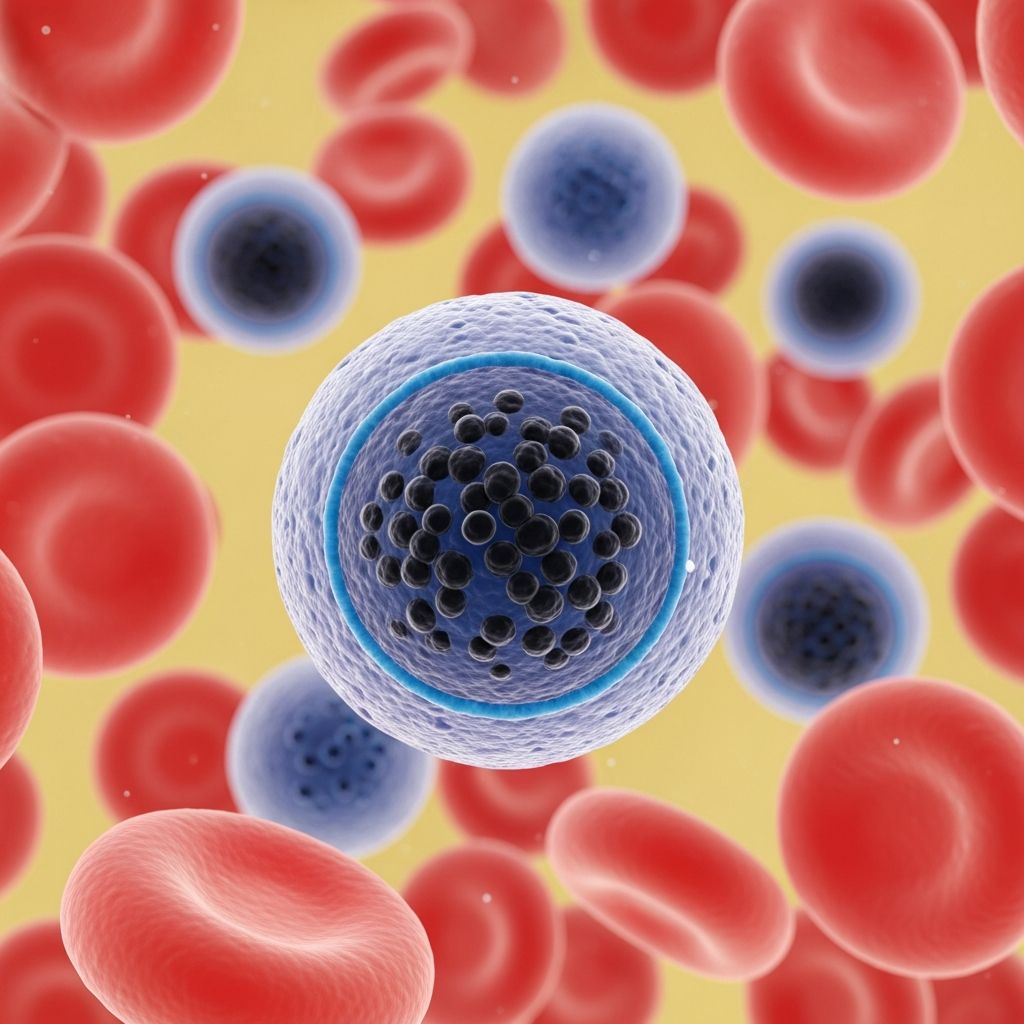
Understanding Lymphocytosis
Lymphocytosis is a medical condition characterized by an abnormal increase in lymphocytes, a vital type of white blood cell that plays a crucial role in your immune system’s ability to fight infections and disease. Unlike many health conditions that cause noticeable symptoms, lymphocytosis often goes undetected until discovered during routine blood work. Understanding this condition, its causes, and potential treatments is essential for recognizing when medical intervention may be necessary.
Lymphocytes are fundamental components of your immune system, responsible for identifying and eliminating pathogens, infected cells, and abnormal growths. When these cells become abnormally elevated in the bloodstream, it typically signals that your body is responding to an underlying health issue. The condition itself is not a disease but rather a symptom indicating that something else requires medical attention.
What Is Lymphocytosis?
Lymphocytosis is defined as an abnormal excess of lymphocytes in the blood. To understand this condition, it helps to know what constitutes a normal lymphocyte count. In healthy adults, an absolute lymphocyte count (ALC) ranges from 1,300 to 4,000 lymphocytes per microliter of blood. When this count exceeds 4,000 per microliter, lymphocytosis is present. However, normal ranges differ for children, particularly those up to six years of age, who can have ALC levels as high as 8,000 lymphocytes per microliter of blood, which is still considered normal for their age.
It is important to note that lymphocytosis itself is not a disease. Rather, it is a clinical sign that points to an underlying medical condition requiring investigation and treatment. The elevation in lymphocyte count serves as an alert that your body is mounting an immune response or experiencing a more serious condition affecting blood cell production.
Causes of Lymphocytosis
Lymphocytosis can result from more than thirty different medical conditions, making accurate diagnosis essential for appropriate treatment. Understanding the potential causes helps healthcare providers identify the underlying problem and develop an effective management plan.
Infectious Causes
Viral and bacterial infections represent the most common causes of lymphocytosis. These infections trigger your immune system to produce additional lymphocytes to combat the pathogens. Common infectious causes include:
- Mononucleosis (glandular fever)
- Influenza
- Pertussis (whooping cough)
- Tuberculosis
- Other viral infections such as chickenpox and measles
When lymphocytosis results from an acute infection, the elevated count typically resolves once the infection is treated or clears naturally.
Hematological Malignancies
Malignant blood diseases represent a more serious category of lymphocytosis causes. These conditions involve abnormal production of blood cells and may include:
- Chronic lymphocytic leukemia (CLL)
- Acute lymphoblastic leukemia
- Hairy cell leukemia
- Follicular lymphoma
- Large granular lymphocytic leukemia
- Non-Hodgkin’s lymphoma
A marked increase in lymphocytes may indicate one of these serious conditions, which is why elevated counts discovered during blood work warrant further investigation.
Related Stories



Other Contributing Factors
Beyond infections and malignancies, other factors can trigger lymphocytosis. Transient stress lymphocytosis may occur following trauma or periods of extensive psychological or physical stress, though this type typically resolves within two days of diagnosis. Additionally, certain medications, autoimmune conditions, and inflammatory disorders can contribute to elevated lymphocyte counts.
Symptoms of Lymphocytosis
One of the most notable characteristics of lymphocytosis is that it frequently causes no symptoms at all. Many patients learn they have elevated lymphocytes only through routine blood testing performed for other reasons or as part of regular health screenings.
When symptoms do occur, they typically reflect the underlying cause rather than the lymphocytosis itself. Common symptoms associated with lymphocytosis include:
- Sore throat
- Fever
- Fatigue and general weakness
- Swollen lymph nodes
- Enlarged spleen or liver
- Night sweats
The presence and severity of these symptoms depend largely on what is causing the elevated lymphocyte count. Patients with infection-related lymphocytosis may experience more pronounced symptoms, while those with certain types of blood cancers might have minimal or no symptoms despite significant lymphocyte elevation.
Diagnosis of Lymphocytosis
Identifying lymphocytosis requires specific laboratory testing and careful analysis of the results.
Complete Blood Count (CBC)
A complete blood count is the standard test used to identify lymphocytosis. This test measures different types of white blood cells, including lymphocytes, and reveals whether the count is elevated. The CBC provides an initial indication that lymphocytosis is present.
Further Lymphocyte Analysis
Once lymphocytosis is identified, additional testing assesses major lymphocyte subsets to determine the specific type of lymphocytes that are elevated. Healthcare providers evaluate:
- T cells, which include CD4 helper cells and CD8 cytotoxic cells
- B cells, which produce antibodies
- Natural killer (NK) cells, which attack infected and abnormal cells
In a healthy person, approximately 75 percent of lymphocytes are T cells, with a ratio of 2:1 between CD4 and CD8 cells. B cells and natural killer cells make up approximately equal proportions of the remaining lymphocytes. Deviations from these normal patterns help identify specific conditions.
Additional Diagnostic Testing
Depending on the initial findings, further testing may include bone marrow biopsy, imaging studies, or other specialized tests to confirm a diagnosis and determine the underlying cause of the elevated lymphocyte count.
Treatment Options
Treatment for lymphocytosis depends entirely on identifying and addressing the underlying cause. Rather than treating the elevated lymphocyte count directly, medical professionals focus on resolving the condition responsible for the increase.
Infection-Related Lymphocytosis
When lymphocytosis results from viral or bacterial infections, treatment may include antiviral medications, antibiotics, or supportive care. In many cases, the lymphocyte count returns to normal as the infection resolves. For some patients, the condition may spontaneously resolve without medical intervention.
Malignancy-Related Lymphocytosis
If lymphocytosis indicates a hematological malignancy such as leukemia or lymphoma, cancer treatment becomes necessary. These treatments may include chemotherapy, immunotherapy, targeted therapy, or stem cell transplantation, depending on the specific diagnosis and disease progression. Newer approaches such as tumor-infiltrating lymphocyte (TIL) therapy show promising results for patients with certain types of cancer who have not responded to standard immunotherapy.
Management of Underlying Conditions
For lymphocytosis caused by autoimmune diseases, inflammatory conditions, or other medical issues, treatment focuses on managing the primary condition. This may involve medications, lifestyle modifications, or other therapeutic approaches tailored to the specific diagnosis.
Prognosis and Outcomes
The prognosis for lymphocytosis depends significantly on its underlying cause. In many cases, particularly those caused by acute infections, lymphocytosis resolves completely once the triggering condition is treated. Transient stress-related lymphocytosis typically resolves within days.
For patients with hematological malignancies, the prognosis varies widely depending on the specific cancer type, stage at diagnosis, patient age, and response to treatment. Some cases of monoclonal B-cell lymphocytosis (MBL) may progress to chronic lymphocytic leukemia, though this transformation is not inevitable. Regular monitoring and follow-up care are essential for tracking disease progression and adjusting treatment as needed.
When to Seek Medical Attention
While lymphocytosis itself may not cause obvious symptoms, certain situations warrant prompt medical evaluation:
- Discovering elevated lymphocytes during routine blood work
- Experiencing persistent fever, sore throat, or fatigue
- Noticing swollen lymph nodes that do not resolve within two weeks
- Experiencing unexplained weight loss or night sweats
- Having a family history of blood cancers
Your healthcare provider can determine whether further investigation is necessary and develop an appropriate management plan based on your specific situation.
Frequently Asked Questions
Q: What is the normal lymphocyte count?
A: In healthy adults, the normal absolute lymphocyte count (ALC) ranges from 1,300 to 4,000 per microliter of blood. Children up to six years old may have normal counts as high as 8,000 per microliter.
Q: Is lymphocytosis always a sign of cancer?
A: No. While lymphocytosis can indicate blood cancers like leukemia or lymphoma, it most commonly results from viral or bacterial infections. Many cases resolve naturally once the infection clears.
Q: Can lymphocytosis be prevented?
A: Since lymphocytosis typically results from infections or other medical conditions, prevention focuses on maintaining overall health through vaccinations, good hygiene, and managing chronic conditions.
Q: How is lymphocytosis different from lymphopenia?
A: Lymphocytosis is an abnormally high lymphocyte count, while lymphopenia is an abnormally low lymphocyte count. Both conditions can indicate underlying health issues and require medical investigation.
Q: What does it mean if lymphocytosis is discovered on my blood test?
A: Elevated lymphocytes typically indicate your immune system is responding to something, most commonly an infection. Your healthcare provider will perform additional tests to determine the cause and recommend appropriate treatment.
Q: Can stress cause lymphocytosis?
A: Yes, transient stress lymphocytosis can occur after trauma or periods of extreme psychological or physical stress. This type typically resolves within two days and is mediated by changes in hormones and cell adhesion molecules.
References
- Patient Case Study: Tumor-Infiltrating Lymphocyte Therapy — Cleveland Clinic. 2024. https://consultqd.clevelandclinic.org/case-study-first-patient-at-cleveland-clinic-treated-with-tumor-infiltrating-lymphocyte-therapy
- Lymphocytosis — EBSCO Health Research Starters. https://www.ebsco.com/research-starters/health-and-medicine/lymphocytosis
- Association of Lymphopenia With Risk of Mortality Among US Adults — JAMA Network Open. 2019. https://jamanetwork.com/journals/jamanetworkopen/fullarticle/2756114
- Lymphocytes: Function, Definition, Levels & Ranges — Cleveland Clinic. https://my.clevelandclinic.org/health/body/23342-lymphocytes
Similar Articles








Read full bio of medha deb