Lymphoedema: Causes, Diagnosis, Treatment, And 3 Stages
Comprehensive guide to lymphoedema: causes, symptoms, diagnosis, management, and prevention strategies for this chronic swelling condition.
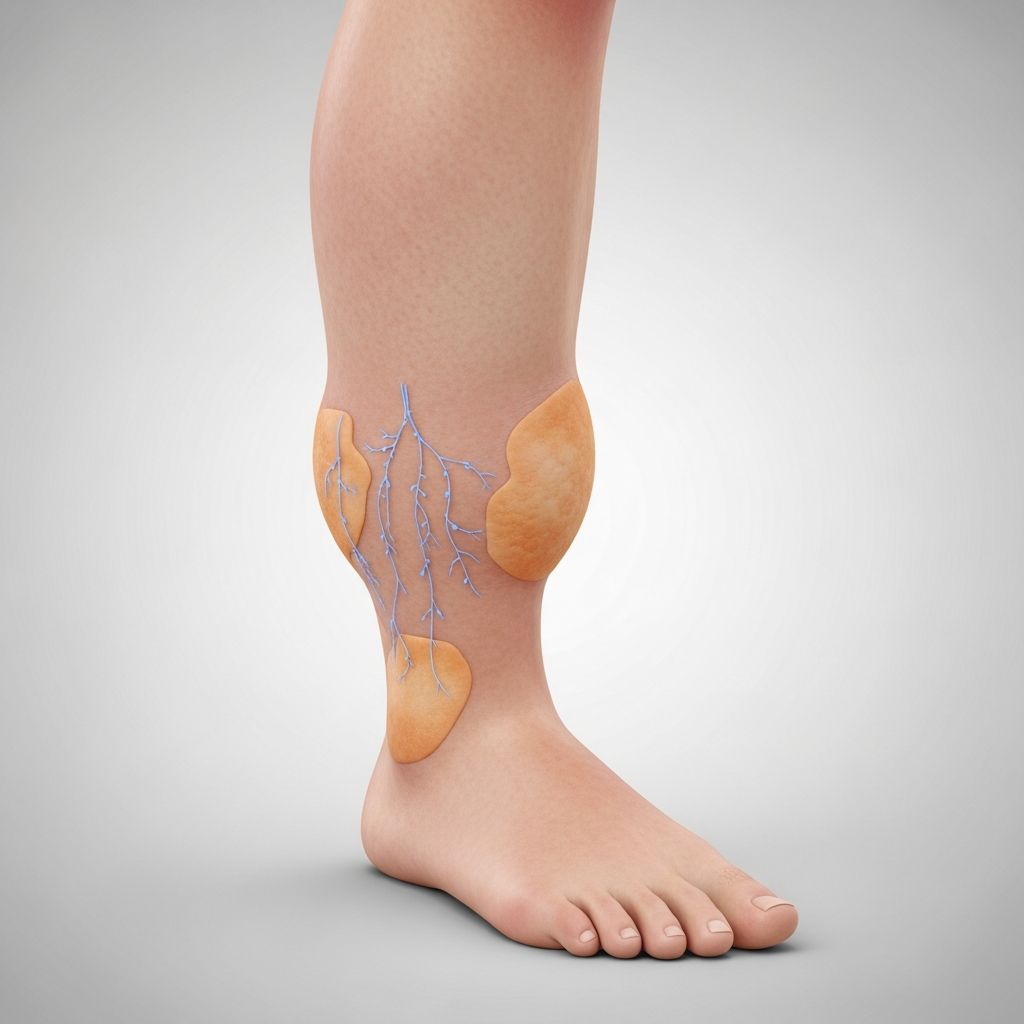
Lymphoedema is a chronic condition characterised by swelling due to accumulation of protein-rich lymph fluid in the tissues, resulting from dysfunction or damage to the lymphatic system. It primarily affects the limbs but can involve other areas, and while incurable, it can be effectively managed to improve quality of life.
What is the lymphatic system?
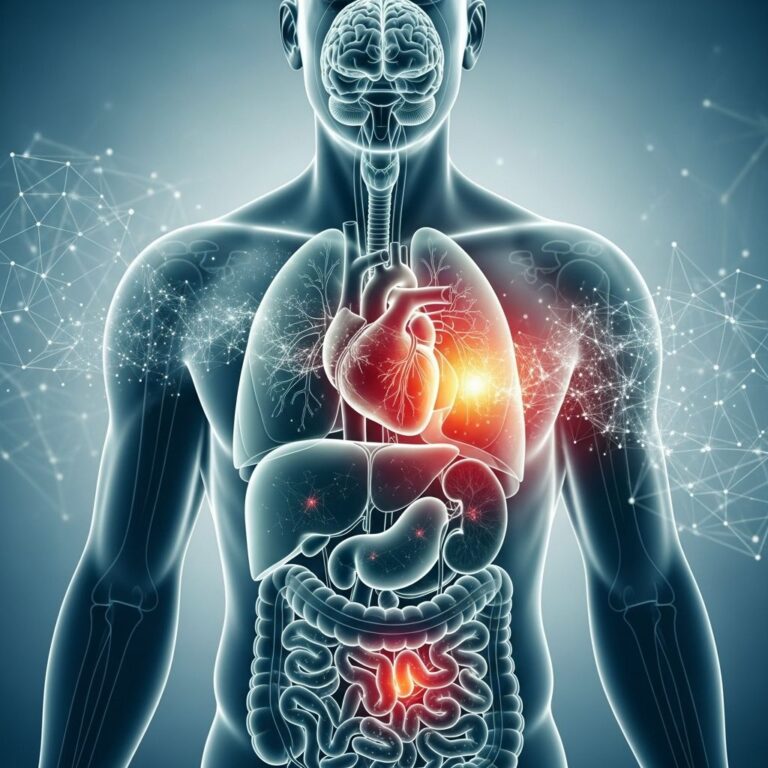
The lymphatic system comprises a network of fine vessels, lymph nodes, and organs that collect excess tissue fluid (lymph), proteins, and waste products from interstitial spaces and return them to the bloodstream. Lymph nodes filter lymph and house immune cells. Unlike blood vessels with a central pump (the heart), lymph flow relies on muscle contractions, respiratory movements, and intrinsic vessel pumps. Impairment leads to lymph stasis, causing oedema.
Who gets lymphoedema?
Lymphoedema affects approximately 1 in 5 cancer survivors post-treatment, with higher risks in breast (20%) and gynaecological cancers. Primary forms are rarer (1:100,000). Risk factors include female sex, obesity, and pelvic/abdominal surgeries.
What causes lymphoedema?
Lymphoedema arises from lymphatic vessel hypoplasia (underdevelopment), hyperplasia (overgrowth with dysfunction), or damage/blockage. It is classified as:
- Primary lymphoedema: Congenital or genetic, due to lymphatic malformations. Milroy disease (congenital), Meige disease (puberty), late-onset (after 35 years).
- Secondary lymphoedema: Acquired from malignancy (direct invasion, nodal obstruction), cancer treatments (surgery removing nodes, radiotherapy fibrosis), infections (filariasis), trauma, or obesity.
What are the clinical features of lymphoedema?
Early lymphoedema presents with reversible pitting oedema, heaviness, tightness, and reduced mobility. Progression leads to irreversible fibrosis, skin thickening (peau d’orange), hyperkeratosis, and lymphangiomas. Stages include:
- Stage 1: Pitting oedema resolving with elevation.
- Stage 2: Non-pitting, firm swelling.
- Stage 3: Elephantiasis with severe fibrosis and warty skin.
Common sites: arms/legs (90%), genitals, face, trunk.
How is lymphoedema diagnosed?
Diagnosis relies on clinical history and examination. Key tests:
- Lymphoscintigraphy: Gold standard, using radioisotope to visualise lymphatic drainage patterns.
- Bioimpedance spectroscopy: Detects early fluid changes.
- Tissue dielectric constant: Measures local water content.
- Lymphangiography: Invasive, rarely used.
- Imaging: Ultrasound, CT/MRI for differentials like DVT or lipoedema.
Severity classified by girth measurements or volumetry.
What is the treatment for lymphoedema?
Management is multidisciplinary via Complete Decongestive Lymphatic Therapy (CDLT), including:
Decongestive lymphatic massage (DLM)
Gentle, directional massage to stimulate lymph flow, performed by trained therapists. Evidence shows volume reduction of 50-70% initially.
Compression bandaging and garments
Multi-layer bandages for intensive phase; custom-fitted stockings/sleeves (20-40 mmHg) for maintenance. Flat-knit preferred for severe cases.
Exercises and skin care
Remedial exercises enhance muscle pump; meticulous skin hygiene prevents cellulitis.
Other therapies
- Pneumatic compression devices: Effective adjunct.
- Liposuction: For lipolymphoedema.
- Surgery: Lymphaticovenular anastomosis or vascularised lymph node transfer for advanced cases.
Patient education on self-management is crucial.
Related Stories



What is the outcome for lymphoedema?
Untreated, lymphoedema progresses to fibrosis and recurrent cellulitis (risk 20-50%). With CDLT, limb volume reduces 40-60%, symptoms improve, and quality of life enhances. Maintenance prevents relapse.
Prevention of lymphoedema
High-risk patients (post-cancer surgery) should follow risk reduction: skin care, compression during air travel, weight control, prompt infection treatment, avoid trauma/venepuncture on affected side.
Cellulitis/erysipelas in lymphoedema
Frequent complication (25% annual risk) due to skin barrier breach. Presents with acute pain, erythema, fever. Treat with antibiotics (e.g., flucloxacillin); prophylaxis for recurrent cases.
Lipoedema
Distinct from lymphoedema: symmetrical fat hypertrophy in legs/buttocks, painful, affects women, bruising tendency. Often coexists with secondary lymphoedema (lipo-lymphoedema).
| Feature | Lymphoedema | Lipoedema | Lipohypertrophy |
|---|---|---|---|
| Onset | Any age | Puberty/pregnancy | Post-puberty |
| Distribution | Unilateral/bilateral, feet spared | Bilateral, spares feet | Bilateral, includes feet |
| Pain | Late | Early, bruising | Absent |
| Stemmer sign | Positive | Negative | Negative |
Frequently asked questions
What is lymphoedema?
A chronic swelling from lymphatic fluid buildup in tissues due to system damage or malformation.
Can lymphoedema be cured?
No, but managed effectively with lifelong therapy to control swelling and prevent complications.
How do I know if I have lymphoedema?
Look for persistent swelling, heaviness, skin changes; consult for lymphoscintigraphy confirmation.
What triggers secondary lymphoedema?
Cancer treatments (surgery, radiation), infections, trauma, obesity.
Does exercise help lymphoedema?
Yes, specific exercises improve lymph flow when combined with compression.
Can I fly with lymphoedema?
Yes, with compression garments and movement to avoid exacerbation.
What is the best compression for lymphoedema?
Custom-fitted class II-III garments (20-40 mmHg) for maintenance.
References
- Lymphoedema – symptoms, treatments and causes — Healthdirect (Australian Government). 2023. https://www.healthdirect.gov.au/lymphoedema
- Lymphedema – Symptoms and causes — Mayo Clinic. 2023-10-06. https://www.mayoclinic.org/diseases-conditions/lymphedema/symptoms-causes/syc-20374682
- Lymphedema: Symptoms & Treatment — University of Utah Health. 2024. https://healthcare.utah.edu/lymphedema
- Lymphedema: Symptoms, Causes & Treatment — Cleveland Clinic. 2023-12-01. https://my.clevelandclinic.org/health/diseases/8353-lymphedema
- Lymphoedema treatment — Macmillan Cancer Support. 2024. https://www.macmillan.org.uk/cancer-information-and-support/impacts-of-cancer/lymphoedema
- Causes & Treatment – Lymphoedema / Oedema of Legs & Feet — Legs Matter. 2023. https://legsmatter.org/information-and-support/health-concerns/oedema-and-lymphoedema/
Similar Articles








Read full bio of Sneha Tete