Lymphogranuloma Venereum (LGV): Symptoms & Treatment
Understanding LGV: A comprehensive guide to symptoms, transmission, diagnosis, and antibiotic treatment options.
Understanding Lymphogranuloma Venereum (LGV)
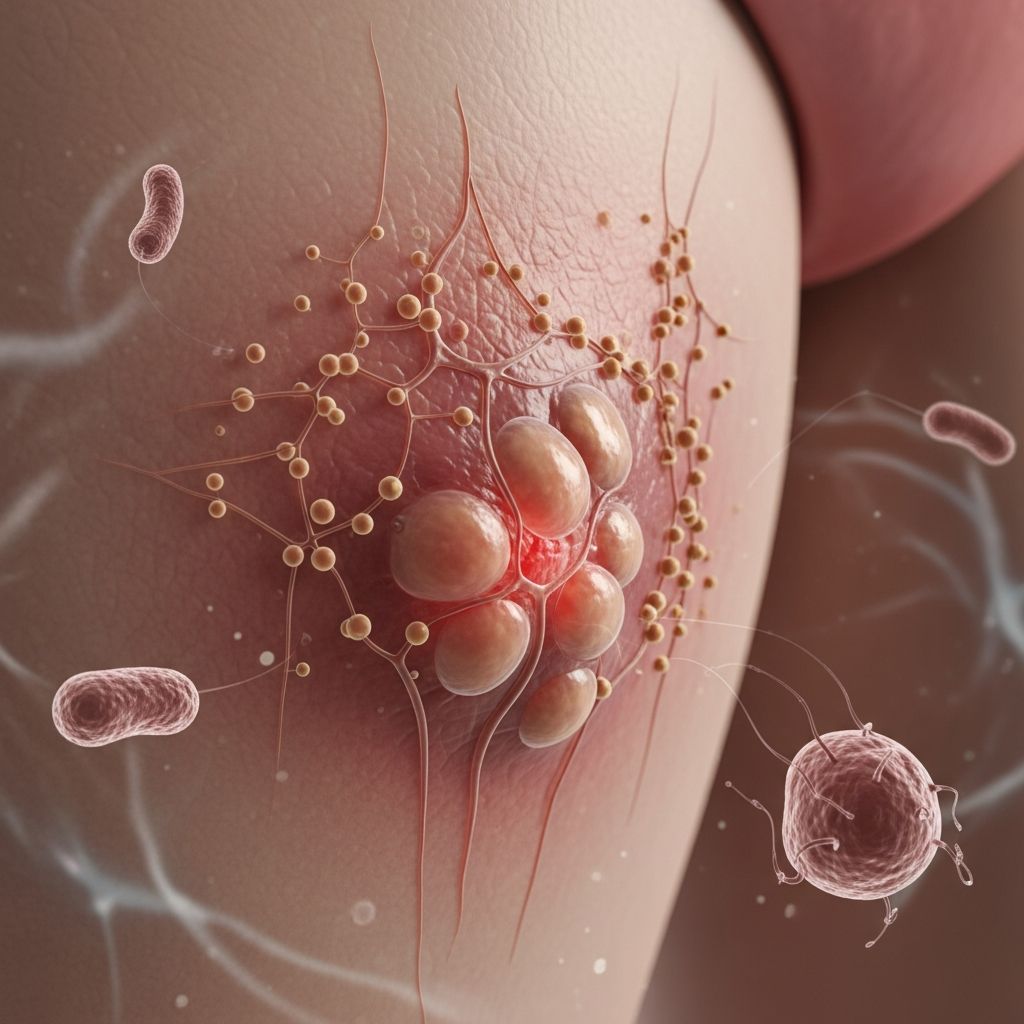
Lymphogranuloma venereum (LGV) is a sexually transmitted disease (STD) caused by infection with specific strains of the bacterium Chlamydia trachomatis. Unlike the more common chlamydia infection caused by serovars D-K, LGV results from infection with serovars L1, L2, and L3 of this pathogenic bacteria. LGV represents a more severe form of chlamydial infection that can invade and reproduce in regional lymph nodes, potentially causing significant tissue damage if left untreated. Understanding this condition is essential for sexually active individuals, as early detection and treatment can prevent serious long-term complications affecting the lymphatic system and reproductive health.
How LGV Is Transmitted
Lymphogranuloma venereum can be transmitted through multiple routes of sexual contact. The infection spreads through anal, vaginal, or oral sexual activity with an infected partner. The bacteria enter the body through small tears or abrasions in the genital tissues during sexual contact. Because LGV can affect different anatomical regions depending on the route of transmission, individuals who engage in anal sex may experience different symptoms compared to those who contract the infection through vaginal contact. Understanding transmission routes is crucial for prevention and recognizing when exposure may have occurred.
Symptoms and Three Stages of LGV
Lymphogranuloma venereum typically develops in three distinct stages, each with characteristic symptoms that may worsen if the infection remains untreated. Symptoms usually begin approximately three to twelve days after infection occurs, though in some cases they may not appear for up to thirty days. The progression through these stages is an important aspect of understanding the disease’s natural history and the urgency of seeking treatment.
First Stage Symptoms
The initial stage of LGV is characterized by the development of small fluid-filled blisters on the genitals. These blisters typically measure between one to six millimeters in size and are usually painless, allowing many individuals to overlook them. The lesions appear on the penis or in the vagina and tend to heal quickly, often without causing significant discomfort. However, blisters may also appear in the mouth or throat if the infection was acquired through oral sexual contact. Because these initial lesions are often asymptomatic and heal rapidly, many people do not recognize them as a sign of infection and may unknowingly transmit the disease to partners during this stage.
Second Stage Symptoms
The second stage typically occurs approximately two to six weeks after the initial stage and is characterized by much more noticeable symptoms. During this phase, individuals may experience swollen, painful lymph nodes in the groin, pelvis, or rectum. Patients commonly report severe pain in these regions, and the skin overlying the lymph nodes may break down, creating a passageway known as a sinus tract that allows blood or pus to drain onto the skin. In women, this stage commonly causes backache or pelvic pain due to enlargement and inflammation of deeper perirectal and pelvic lymph nodes. Additional symptoms during the second stage may include fever, chills, and malaise. In both sexes, multiple draining sinus tracts may develop, producing purulent or bloody discharge that can be both uncomfortable and alarming.
Third Stage Symptoms
The third stage of LGV usually occurs only when the infection has not been properly treated with antibiotics. During this chronic phase, the initial sores heal but often leave scars. Importantly, sinus tracts may persist or recur even after apparent healing. Persistent inflammation from the untreated infection can obstruct lymphatic vessels, causing swelling and skin sores that may become chronic. Strictures in the rectum may develop, causing significant pain and difficulty with bowel movements. The inflammation of pelvic lymph nodes can continue to cause discomfort and may resemble inflammatory bowel disease, including Crohn disease, on examination. Without treatment, the tissue damage becomes increasingly difficult to reverse, making early intervention critical.
Related Stories



Diagnosis of Lymphogranuloma Venereum
Diagnosing LGV involves both clinical assessment and laboratory confirmation. Healthcare providers will typically begin by asking detailed questions about symptoms and sexual history, followed by a thorough physical examination. Because LGV can present differently depending on the patient’s sex and the route of transmission, providers often diagnose men in the earlier stages while women may present in later stages of the condition.
Laboratory confirmation with serologic or immunofluorescent testing is usually possible and recommended. The most definitive diagnosis requires LGV-specific molecular testing, such as PCR-based genotyping, which can differentiate LGV from non-LGV chlamydial infections. This distinction is important because treatment protocols differ based on the specific chlamydia serovar involved. Providers may suggest additional tests to rule out other sexually transmitted infections that present with similar symptoms, such as chancroid or other causes of genital ulceration.
Treatment Options for LGV
Lymphogranuloma venereum responds well to antibiotic therapy when treatment is initiated promptly. Several antibiotic regimens have been established as effective, with doxycycline being the preferred first-line treatment. The goal of treatment is to cure the infection and prevent ongoing tissue damage, although tissue reaction to infection can result in scarring that may persist even after successful bacterial eradication.
Primary Treatment Regimen
The preferred treatment for LGV is oral doxycycline at 100 milligrams taken twice daily for 21 days. This regimen is based on long-standing clinical practice and demonstrates a cure rate exceeding 98.5%, making it highly reliable for eliminating the infection. Studies show that taking doxycycline for 21 days cures more than 98.5% of LGV cases. Patients must complete the full 21-day course even if symptoms resolve earlier, as incomplete treatment can allow the infection to persist and progress to later stages.
Alternative Antibiotic Options
For patients who cannot tolerate doxycycline or who have contraindications to its use, alternative antibiotic regimens are available. Erythromycin base can be prescribed at 500 milligrams taken orally four times daily for 21 days. Azithromycin offers another alternative, typically given as 1 gram orally once weekly for three weeks. A small non-randomized study from Spain involving patients with rectal LGV demonstrated cure rates of 97% with the azithromycin regimen, though this approach has not been formally validated in large clinical trials. Fluoroquinolone-based treatments may also be effective; however, optimal treatment duration for these agents has not been thoroughly evaluated.
Treatment for Sexual Partners
Sexual partners of individuals diagnosed with LGV should be treated presumptively with doxycycline regardless of whether evidence suggests they have LGV. Partners typically receive doxycycline 100 milligrams orally twice daily for 7 days, with alternatives including a single dose of azithromycin 1 gram orally or levofloxacin. This approach prevents transmission and ensures that asymptomatic infections are treated before they progress to symptomatic disease.
Prognosis and Recovery
When LGV is treated at an early stage, patients can achieve full recovery. The antibiotic therapy effectively eliminates the bacterial infection and prevents progression to later disease stages. However, if LGV has already damaged the lymphatic vessels that carry lymph away from body tissues, some swelling may persist even after successful treatment. The chronic inflammation associated with untreated LGV can cause permanent damage that cannot be fully reversed, emphasizing the importance of early diagnosis and treatment.
Complications of Untreated LGV
Without prompt treatment, lymphogranuloma venereum can cause serious complications affecting multiple body systems. Untreated LGV can damage the lymphatic system, causing obstruction of lymph flow and chronic swelling of genital tissues. Additionally, LGV can increase the risk of acquiring HIV and other sexually transmitted diseases. Potential complications include infertility and enlarged genitals if the infection is not treated quickly. Chronic tissue damage from persistent infection can result in strictures, fistulas, and permanent scarring that may require surgical intervention.
Prevention Strategies
Practicing safe sex is the most effective way to reduce the risk of acquiring LGV and other sexually transmitted infections. Using condoms consistently during all sexual activity—vaginal, anal, and oral—significantly reduces transmission risk. Regular STD screening for sexually active individuals, particularly those with multiple partners or whose partners have unknown STD status, allows for early detection and treatment. Open communication with sexual partners about sexual health history and testing status is essential for preventing transmission chains. Limiting the number of sexual partners and ensuring that all partners are tested and treated for STDs further reduces infection risk.
Frequently Asked Questions About LGV
Q: How long does it take for LGV symptoms to appear after infection?
A: Symptoms of LGV typically appear between three to twelve days after infection occurs, though they may not develop for up to thirty days in some cases. The initial fluid-filled blisters may be so small and painless that they go unnoticed.
Q: Can LGV be cured?
A: Yes, LGV can be effectively cured with appropriate antibiotic treatment. A 21-day course of doxycycline cures more than 98.5% of cases when treatment is initiated promptly. Early treatment prevents progression to later disease stages and reduces the risk of complications.
Q: What happens if LGV is not treated?
A: Untreated LGV can progress through three stages, potentially causing permanent damage to the lymphatic system, chronic swelling, strictures, fistulas, and scarring. It can also increase susceptibility to HIV and other sexually transmitted infections.
Q: Can women transmit LGV to their partners?
A: Yes, both men and women with LGV can transmit the infection to sexual partners through vaginal, anal, or oral sex. Women are often diagnosed in later disease stages, which means they may have unknowingly transmitted the infection for an extended period.
Q: Are there any drug interactions with doxycycline treatment for LGV?
A: Doxycycline can interact with certain medications and supplements. Patients should inform their healthcare provider of all medications, supplements, and medical conditions before beginning treatment. Some interactions may reduce effectiveness or increase side effects.
Q: How soon can sexual activity resume after LGV treatment?
A: Patients should wait until they have completed their full course of antibiotics and have been confirmed to be infection-free before resuming sexual activity. Healthcare providers can advise on appropriate timing based on individual circumstances.
Living with and After LGV Treatment
Following successful treatment for LGV, most individuals experience complete resolution of symptoms and full recovery of normal function. However, individuals who received treatment in later disease stages may experience residual effects from tissue scarring or lymphatic damage. Regular follow-up with healthcare providers ensures that complications are managed appropriately. Ongoing safe sex practices remain essential to prevent reinfection or acquisition of other sexually transmitted infections. Open communication with sexual partners about STD status and testing supports community health and prevents transmission chains.
References
- Lymphogranuloma Venereum (LGV) – Infectious Diseases — MSD Manuals. 2024. https://www.msdmanuals.com/professional/infectious-diseases/sexually-transmitted-infections-stis/lymphogranuloma-venereum-lgv
- Lymphogranuloma Venereum (LGV): Symptoms & Treatment — Cleveland Clinic. 2022. https://my.clevelandclinic.org/health/diseases/22465-lymphogranuloma-venereum-lgv
- Lymphogranuloma Venereum (LGV) – STI Treatment Guidelines — Centers for Disease Control and Prevention (CDC). 2021. https://www.cdc.gov/std/treatment-guidelines/lgv.htm
Similar Articles








Read full bio of Sneha Tete