Lymphogranuloma Venereum: 3 Stages, Symptoms, Treatment
Comprehensive guide to LGV: causes, stages, symptoms, diagnosis, treatment, and prevention of this invasive chlamydial STI.
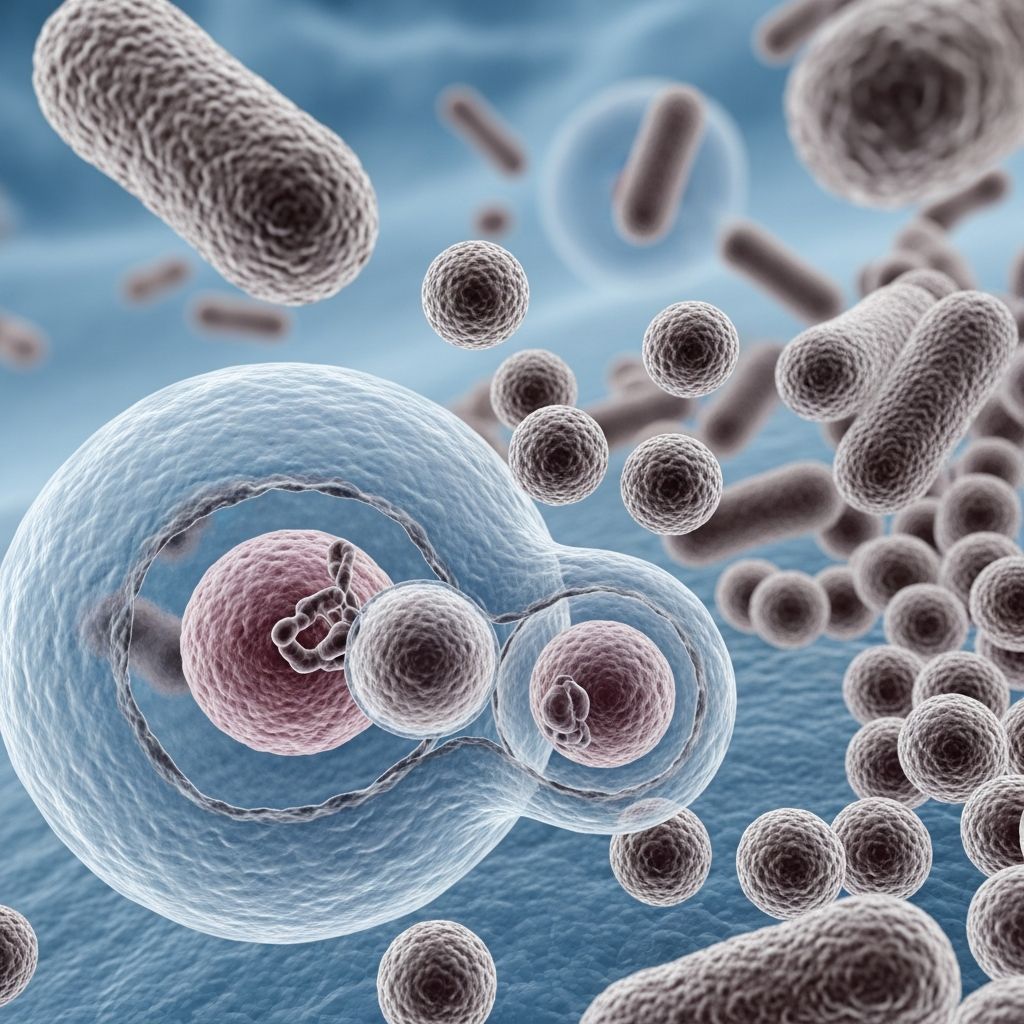
What is lymphogranuloma venereum?
Lymphogranuloma venereum (LGV) is an invasive, sexually transmitted infection (STI) caused by specific serovars of the bacterium Chlamydia trachomatis (L1, L2, L2b, and L3). Unlike the more common serovars A–K of C. trachomatis that typically cause mild or asymptomatic urogenital infections, LGV serovars are highly invasive, capable of replicating in macrophages and spreading to regional lymph nodes, leading to severe inflammation and tissue damage.
LGV primarily affects the lymphatic system following inoculation through genital, anal, or oral mucosa during unprotected sexual contact. It progresses through three distinct clinical stages if untreated: primary (transient lesion), secondary (lymphadenopathy), and tertiary (chronic complications). The disease is endemic in tropical regions of Africa, Asia, South America, and the Caribbean but has seen resurgence in industrialized nations, particularly among men who have sex with men (MSM), often linked to HIV coinfection and proctitis presentations.
Without prompt treatment, LGV can result in lymphatic obstruction, genital disfigurement, rectal strictures, and fistulae, mimicking conditions like inflammatory bowel disease or Crohn disease. Early recognition and extended antibiotic therapy are crucial to prevent irreversible sequelae.
Who gets lymphogranuloma venereum?
LGV affects individuals engaging in unprotected sexual activity, particularly receptive anal intercourse, which is the predominant transmission route in recent outbreaks among MSM in Europe and North America. High-risk groups include:
- Men who have sex with men (MSM), especially those with multiple partners or HIV.
- Individuals in tropical endemic areas with limited healthcare access.
- People practicing unprotected vaginal or oral sex, though less common.
- Sex workers and their partners.
Incubation period ranges from 3–30 days, averaging 3–12 days for primary lesions. The infection spreads via direct contact with infectious lesions, ulcers, or mucosal secretions during sex; non-sexual transmission is rare.
What causes lymphogranuloma venereum?
LGV results from infection with Chlamydia trachomatis serovars L1, L2, L2b, or L3, which are distinguished by their ability to invade lymphatic tissue. These serovars form elementary bodies that enter epithelial cells or macrophages at the inoculation site (genital, rectal, or pharyngeal), multiply as reticulate bodies, and disseminate via lymphatics.
The L2b variant has emerged as particularly virulent in recent MSM outbreaks. Unlike genital chlamydia (serovars D–K), LGV strains cause destructive granulomatous inflammation, leading to buboes, proctocolitis, and systemic symptoms.
What are the clinical features of lymphogranuloma venereum?
LGV manifests in three stages, often with overlapping or missed early signs.
Primary stage
Occurs 3–12 days post-exposure with a small, painless papule, vesicle, or ulcer at the inoculation site (penis, vulva, vagina, cervix, anus, or pharynx). The lesion is often unnoticed, heals spontaneously within days, and may go undetected in 50–96% of cases, especially rectal or cervical sites.
Secondary stage
Develops 2–6 weeks later with regional lymphadenopathy. In men, unilateral or bilateral inguinal buboes form: tender, enlarged nodes that become fluctuant, adhere to skin, and rupture with pus/blood discharge via sinus tracts. Women and rectal cases show pelvic or perirectal nodes, presenting as low back/pelvic pain, severe proctitis (bloody discharge, tenesmus, ulceration), fever, and malaise.
Related Stories



Tertiary (late) stage3>
Months to years later, scarring causes lymphatic obstruction, genital elephantiasis, lymphedema, rectal strictures, fistulae, and chronic ulcers. Rectal involvement mimics IBD with polyps, masses, and mucopurulent exudate on proctoscopy.
Symptoms summary:
| Stage | Symptoms | Common Sites |
|---|---|---|
| Primary | Painless ulcer/papule | Genital, anal, oral |
| Secondary | Buboes, proctitis, fever | Inguinal/pelvic nodes |
| Tertiary | Scarring, elephantiasis, strictures | Genitalia, rectum |
How is lymphogranuloma venereum diagnosed?
Diagnosis combines clinical suspicion, history (unprotected anal sex, travel to endemic areas), and lab confirmation, as primary lesions are often missed.
- NAAT: Nucleic acid amplification test on rectal swabs, genital ulcers, or bubo aspirates; genotype to confirm L1–L3 serovars.
- Serology: Chlamydia complement fixation or micro-immunofluorescence titers ≥1:64.
- Culture: Rarely available from pus or tissue.
- Proctitis with >10 WBCs on Gram stain supports LGV.
Differential includes syphilis, herpes, chancroid, IBD.
What is the treatment for lymphogranuloma venereum?
Empiric therapy for suspected cases; 21-day course due to invasive nature.
- First-line: Doxycycline 100 mg orally twice daily for 21 days (>98.5% cure).
- Alternatives: Erythromycin base 500 mg four times daily for 21 days; Azithromycin 1 g weekly for 3 weeks (test of cure advised).
- Aspirate buboes; abstain from sex until cured.
Partners from past 60 days need evaluation/treatment.
What is the outcome for lymphogranuloma venereum?
Antibiotics cure infection but scarring may persist. Test of cure NAAT 3–4 weeks post-treatment for rectal cases. Untreated: chronic disability.
How can lymphogranuloma venereum be prevented?
- Consistent condom use.
- Regular STI screening for MSM/HIV+.
- Partner notification and treatment.
- Avoid sex until resolved.
Related topics
- Chlamydia
- Syphilis
- Genital ulceration
- Proctitis
Frequently Asked Questions
Is LGV curable?
Yes, with 21 days of doxycycline; test of cure recommended.
Can LGV be asymptomatic?
Often, primary lesion unnoticed; proctitis common in MSM.
Does LGV cause infertility?
Possible via scarring; early treatment prevents.
How long is LGV contagious?
Until 7 days post-antibiotics; abstain during treatment.
References
- Management of Lymphogranuloma Venereum — Texas DSHS. 2023. https://www.dshs.texas.gov/sites/default/files/hivstd/info/edmat/LGVManagement.pdf
- Lymphogranuloma Venereum (LGV) — Merck Manual Professional Edition. 2025-01-15. https://www.merckmanuals.com/professional/infectious-diseases/sexually-transmitted-infections-stis/lymphogranuloma-venereum-lgv
- STI Treatment Guidelines: Lymphogranuloma Venereum — CDC. 2021-07-22. https://www.cdc.gov/std/treatment-guidelines/lgv.htm
- Lymphogranuloma Venereum (LGV) — ASHM Contact Tracing. 2024. https://contacttracing.ashm.org.au/lymphogranuloma-venereum-lgv/
- Lymphogranuloma venereum — PMC / NIH. 2021-12-01. https://pmc.ncbi.nlm.nih.gov/articles/PMC8677583/
- Lymphogranuloma Venereum — Unbound Medicine 5-Minute Clinical Consult. 2025. https://www.unboundmedicine.com/5minute/view/5-Minute-Clinical-Consult/816025/0/Lymphogranuloma_Venereum
- Lymphogranuloma venereum (LGV) — NC DPH Epidemiology. 2024. https://epi.dph.ncdhhs.gov/cd/diseases/lgv.html
Similar Articles








Read full bio of Sneha Tete