Lymphopenia: Symptoms, Causes & Treatment
Understanding lymphopenia: causes, symptoms, diagnosis, and effective treatment options.
Lymphopenia: Understanding Low Lymphocyte Counts
Lymphopenia is a medical condition characterized by having fewer lymphocytes than normal in your bloodstream. Lymphocytes are a critical type of white blood cell that play a vital role in protecting your body from infection and disease. When lymphocyte levels drop below normal ranges, your immune system becomes compromised, making you more susceptible to infections and other health complications. Understanding this condition is essential for early detection and appropriate management.
Also known as lymphocytopenia or lymphocytic leukopenia, lymphopenia occurs when your body fails to maintain adequate lymphocyte levels. The term “leukopenia” refers to a general low white blood cell count, while “lymphocytic” leukopenia specifically indicates a deficiency in lymphocytes. This distinction is important for diagnosis and determining the underlying cause of the condition.
What Are Lymphocytes?
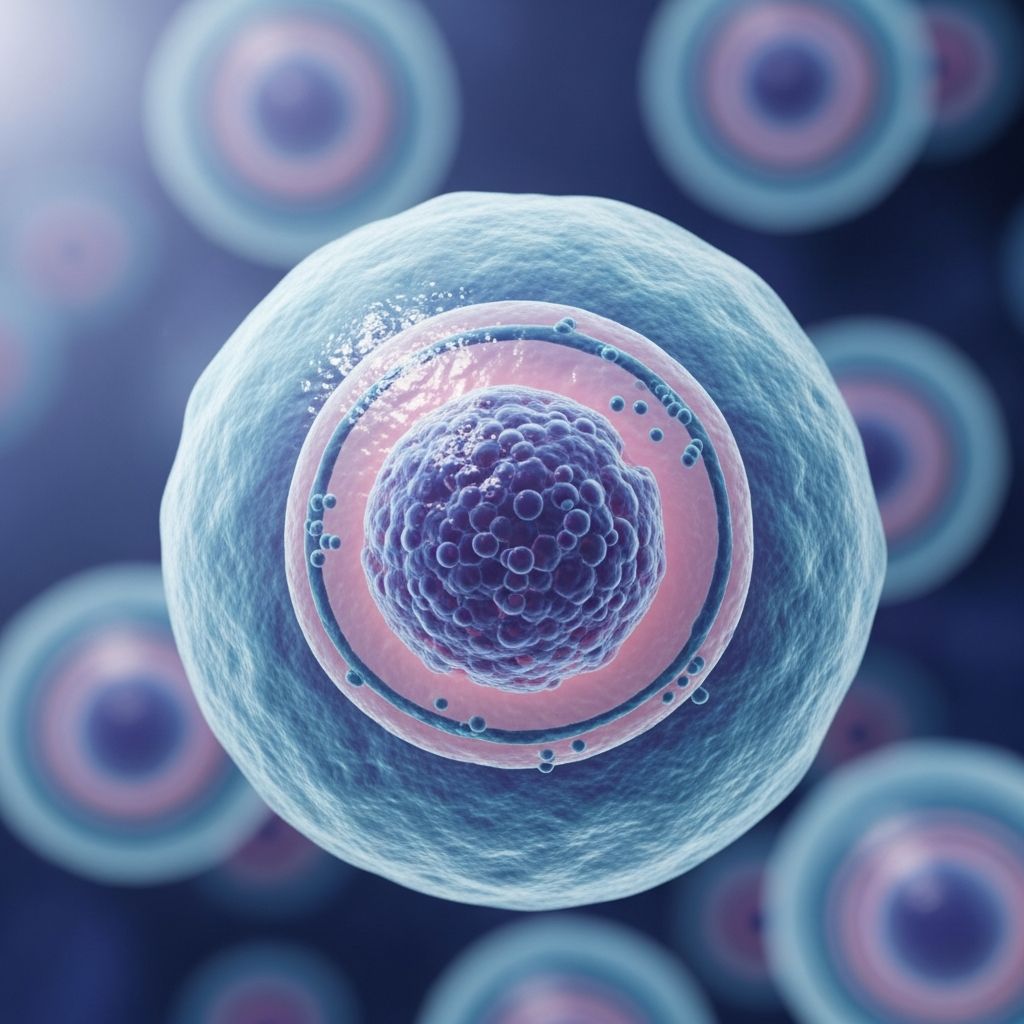
Lymphocytes are specialized white blood cells that form a crucial part of your immune system. These cells work diligently to identify and eliminate harmful pathogens, including bacteria, viruses, and other foreign invaders. Your body produces lymphocytes in various locations, including bone marrow, the thymus gland, and lymphoid tissues throughout your body.
Lymphocytes can be classified into three main types, each with distinct functions in immune defense:
- T cells (T lymphocytes): These cells coordinate immune responses and directly attack infected or abnormal cells. They include helper T cells, killer T cells, and regulatory T cells that work together to maintain immune balance.
- B cells (B lymphocytes): B cells produce antibodies (immunoglobulins) that neutralize pathogens and mark them for destruction by other immune cells. They provide humoral immunity and develop into memory cells for long-term protection.
- Natural Killer (NK) cells: These cells act as natural defenders, identifying and destroying virus-infected cells and cancerous cells without requiring prior sensitization.
A healthy immune system depends on maintaining appropriate lymphocyte levels. Normal lymphocyte counts differ between adults and children, with adults typically maintaining 1,000 to 4,800 lymphocytes per microliter of blood, while children may have higher normal ranges.
Normal Lymphocyte Levels
Understanding what constitutes a normal lymphocyte count is fundamental to recognizing lymphopenia. Normal ranges vary based on age, with adults and children having different reference values. For adults, lymphocyte counts between 1,000 and 4,800 cells per microliter of blood are generally considered normal. Children typically have slightly higher normal ranges due to their developing immune systems.
Lymphopenia is formally defined as having fewer than 1,000 lymphocytes per microliter of blood. However, this threshold can vary slightly depending on the laboratory conducting the test and specific clinical guidelines. Healthcare providers consider both absolute lymphocyte counts and the percentage of lymphocytes relative to total white blood cells when making diagnoses.
Symptoms of Lymphopenia
One important aspect of lymphopenia is that the condition itself does not directly cause symptoms. Instead, the underlying conditions responsible for low lymphocyte counts typically produce noticeable symptoms. This distinction is crucial for understanding how lymphopenia manifests clinically.
Individuals with mild lymphopenia may experience no symptoms whatsoever, as their bodies can often compensate for moderately reduced lymphocyte levels. However, severe lymphopenia presents more concerning symptoms:
- Frequent infections: Individuals with severe lymphopenia experience recurrent bacterial, viral, or fungal infections that occur more often than typical.
- Prolonged infections: Infections that last considerably longer than usual may indicate inadequate immune response due to insufficient lymphocytes.
- Opportunistic infections: Infections from organisms that normally do not cause disease in healthy individuals become possible with severely compromised immunity.
- Severe infections: Common infections may progress to serious conditions requiring hospitalization or intensive medical intervention.
Related Stories



The severity and type of symptoms depend largely on the underlying cause of lymphopenia and the degree of lymphocyte reduction. Some individuals may remain asymptomatic despite low counts, while others experience significant health impacts.
Causes of Lymphopenia
Lymphopenia can result from numerous different conditions and factors. Understanding these causes helps healthcare providers determine appropriate treatment strategies and identify underlying health issues requiring attention.
Infections and Immune Challenges
Viral infections frequently cause temporary lymphopenia as the body mobilizes lymphocytes to fight infection. Conditions such as HIV, tuberculosis, hepatitis, influenza, and COVID-19 can all reduce lymphocyte counts. Bacterial and fungal infections may similarly impact lymphocyte levels during acute illness.
Autoimmune Diseases
Conditions where the immune system attacks the body’s own tissues, including systemic lupus erythematosus (SLE) and rheumatoid arthritis, often result in lymphopenia. These diseases can directly damage lymphocyte populations or interfere with their production.
Bone Marrow Disorders
Since lymphocytes originate in bone marrow, disorders affecting this tissue can impair lymphocyte production. Aplastic anemia, leukemia, and myelodysplastic syndromes are examples of conditions that compromise bone marrow function and result in low lymphocyte counts.
Cancer and Cancer Treatments
Malignant tumors, particularly hematologic cancers, can directly reduce lymphocyte populations. Chemotherapy and radiation therapy used to treat cancer often suppress bone marrow function, leading to temporary lymphopenia.
Medications
Certain medications can lower lymphocyte counts as a side effect. Immunosuppressive drugs, corticosteroids, and specific cancer treatments may reduce lymphocyte levels during therapy.
Nutritional Deficiencies
Inadequate intake of essential nutrients, particularly protein, zinc, and vitamins, can impair lymphocyte production and function. Malnutrition and eating disorders represent risk factors for developing lymphopenia.
Lifestyle Factors
Excessive alcohol consumption can lead to lymphopenia by damaging bone marrow and affecting immune cell production. Severe stress and inadequate sleep may also temporarily reduce lymphocyte counts.
Primary Immunodeficiencies
Some individuals are born with genetic conditions that prevent their bodies from producing adequate lymphocytes. Severe Combined Immunodeficiency (SCID) and other primary immune deficiencies represent serious congenital causes of lymphopenia.
Diagnosis of Lymphopenia
Diagnosing lymphopenia involves a systematic approach combining patient history, physical examination, and laboratory testing. Healthcare providers employ multiple diagnostic methods to confirm lymphopenia and identify underlying causes.
Medical History and Physical Examination
A comprehensive evaluation begins with reviewing your medical history, including past health conditions, family history, and any chronic issues that could affect immune function. During physical examination, healthcare providers check for signs of infection such as fever, swollen lymph nodes, or an enlarged spleen. This thorough approach helps understand factors contributing to lymphopenia.
Complete Blood Count (CBC)
The CBC test measures various blood cell types, including the absolute lymphocyte count. This fundamental test provides initial evidence of lymphopenia and helps classify the severity of the condition. No fasting is required for this standard test.
Flow Cytometry
This advanced laboratory test analyzes the types and quantities of different lymphocytes in the blood while identifying abnormal cells. Flow cytometry provides more detailed information than a basic CBC and can help diagnose specific conditions like leukemia or lymphoma.
Immunoglobulin Level Testing
Blood tests measuring antibody (immunoglobulin) levels can reveal immune deficiencies that contribute to lymphopenia. Low immunoglobulin levels indicate impaired immune function despite absolute lymphocyte counts.
Bone Marrow Analysis
When bone marrow disorders are suspected, bone marrow biopsy or aspiration may be performed to assess whether the marrow produces adequate lymphocytes. This helps diagnose conditions such as aplastic anemia or leukemia.
Specialized Disease Testing
Your healthcare provider may recommend tests for specific diseases and conditions associated with lymphopenia, including HIV testing, tuberculosis screening, influenza testing, and COVID-19 assessment, among others.
Treatment Options for Lymphopenia
Treatment approaches for lymphopenia vary significantly depending on underlying causes and severity. The primary goal involves addressing root causes while supporting immune function and preventing serious complications.
Observation and Monitoring
Mild cases of lymphopenia that do not cause symptoms typically do not require active treatment. Often, lymphocyte levels naturally return to normal once your body recovers from an infection or the triggering condition resolves. Regular monitoring ensures levels improve as expected.
Treating Underlying Conditions
Most lymphopenia cases require addressing the underlying cause rather than directly treating low lymphocyte counts. Treatment approaches include:
- Infection management: Antiviral, antifungal, or antibiotic treatments address infections causing lymphopenia.
- Autoimmune disease treatment: Immunosuppressive therapies manage autoimmune conditions while cautiously balancing immune suppression risks.
- Cancer therapy: Treating malignancies that cause lymphopenia may include chemotherapy, radiation, or targeted therapies.
- Bone marrow disorder treatment: Conditions like aplastic anemia may require chemotherapy, immunosuppressive therapy, or stem cell transplants.
Immunoglobulin Therapy
Individuals with severe lymphopenia may receive immunoglobulin (IG) shots to strengthen their immune system. This treatment provides temporary immune support while lymphocyte production recovers. Healthcare providers may recommend regular IG shots to prevent frequent infections in severe cases.
Hematopoietic Stem Cell Transplantation
For individuals born with conditions preventing adequate lymphocyte production, hematopoietic stem cell transplant offers potential cure. This complex procedure replaces damaged or defective blood-forming stem cells with healthy ones that eventually develop into fully mature blood cells, including lymphocytes. Stem cell transplantation carries significant risks and is not suitable for everyone.
Supportive Care
Managing lymphopenia often requires supportive measures including prophylactic antibiotics to prevent infections, nutritional optimization, stress reduction, and lifestyle modifications that support immune health.
Lymphopenia and Mortality Risk
Research indicates that lymphopenia associates with increased mortality risk, particularly when accompanied by additional inflammatory markers. Studies demonstrate that individuals with low absolute lymphocyte counts face elevated mortality compared to those with normal lymphocyte levels, independent of traditional risk factors. This risk increases substantially when lymphopenia occurs alongside elevated C-reactive protein levels and increased red blood cell distribution width, suggesting that multiple immune dysfunction markers together predict worse outcomes.
Frequently Asked Questions
Q: Can lymphopenia be cured?
A: The possibility of cure depends on the underlying cause. Lymphopenia resulting from infections often resolves naturally as the infection clears. Conditions caused by medications may improve after discontinuing the offending drug. However, congenital immunodeficiencies may require long-term management or stem cell transplantation. Your healthcare provider can discuss your specific situation and prognosis.
Q: Is lymphopenia contagious?
A: Lymphopenia itself is not contagious; it is a condition, not an infectious disease. However, the underlying infections causing lymphopenia may be contagious. If your lymphopenia results from an infectious disease, transmission precautions may be necessary.
Q: How long does lymphopenia typically last?
A: Duration varies significantly based on the cause. Infection-related lymphopenia may resolve within weeks as your immune system recovers. Lymphopenia from chronic conditions may persist long-term. Your healthcare provider can estimate expected duration based on your specific diagnosis.
Q: Can I prevent lymphopenia?
A: You can reduce lymphopenia risk by maintaining overall health through proper nutrition, regular exercise, adequate sleep, stress management, and avoiding excessive alcohol. Getting vaccinated against preventable infections helps protect immune health. However, some causes like genetic conditions cannot be prevented.
Q: What should I do if I have symptoms suggesting lymphopenia?
A: Contact your healthcare provider if you experience frequent infections, unusually severe infections, or infections lasting longer than expected. These symptoms warrant medical evaluation to determine if lymphopenia or other conditions are responsible. Early diagnosis enables appropriate treatment.
References
- Lymphopenia: Symptoms, Causes & Treatment — Cleveland Clinic. 2024. https://my.clevelandclinic.org/health/diseases/24837-lymphopenia
- Lymphocytes: Function, Definition, Levels & Ranges — Cleveland Clinic. 2024. https://my.clevelandclinic.org/health/body/23342-lymphocytes
- Association of Lymphopenia With Risk of Mortality Among US Adults — JAMA Network Open. 2020. https://jamanetwork.com/journals/jamanetworkopen/fullarticle/2756114
- Lymphocytes: What’s a Normal Count? — WebMD. 2024. https://www.webmd.com/a-to-z-guides/what-are-lymphocytes
- What Does Low Lymphocyte Count Mean for Your Health? — Rupa Health. 2024. https://www.rupahealth.com/post/what-does-low-lymphocyte-count-mean-for-your-health
- Association of Lymphopenia With Risk of Mortality Among Adults — National Center for Biotechnology Information (NCBI). 2020. https://pmc.ncbi.nlm.nih.gov/articles/PMC6902755/
Similar Articles








Read full bio of Sneha Tete