Macitentan for Pulmonary Arterial Hypertension (Opsumit)
Comprehensive guide to macitentan (Opsumit) for treating pulmonary arterial hypertension, including uses, dosage, side effects, and precautions.
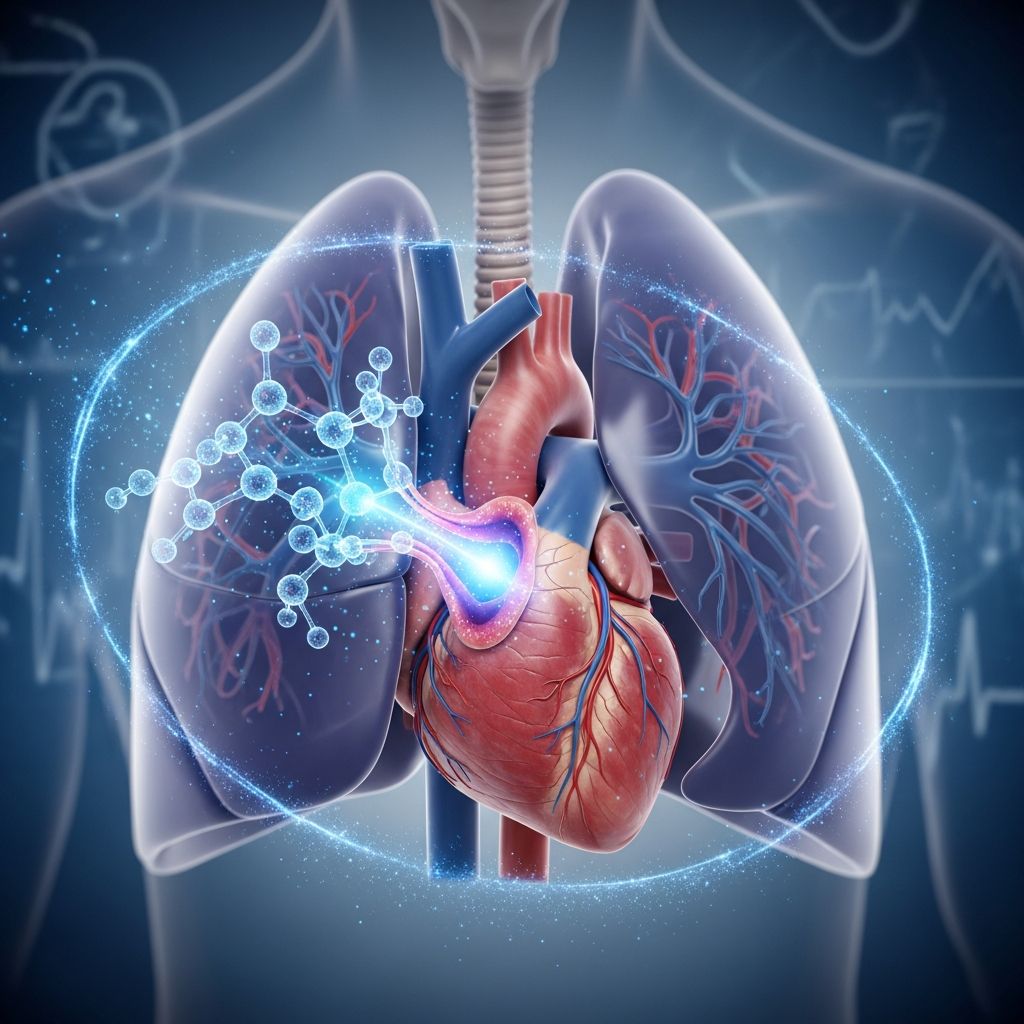
Macitentan, sold under the brand name Opsumit, is a prescription medication specifically approved for treating pulmonary arterial hypertension (PAH), also known as WHO Group 1 pulmonary hypertension. This progressive condition involves high blood pressure in the arteries of the lungs, which strains the right side of the heart. Macitentan works as an endothelin receptor antagonist (ERA), blocking the effects of endothelin—a substance that causes blood vessels in the lungs to constrict and narrow. By relaxing these vessels, macitentan reduces pulmonary pressure, eases heart workload, improves exercise capacity, and delays disease progression.
About macitentan tablets
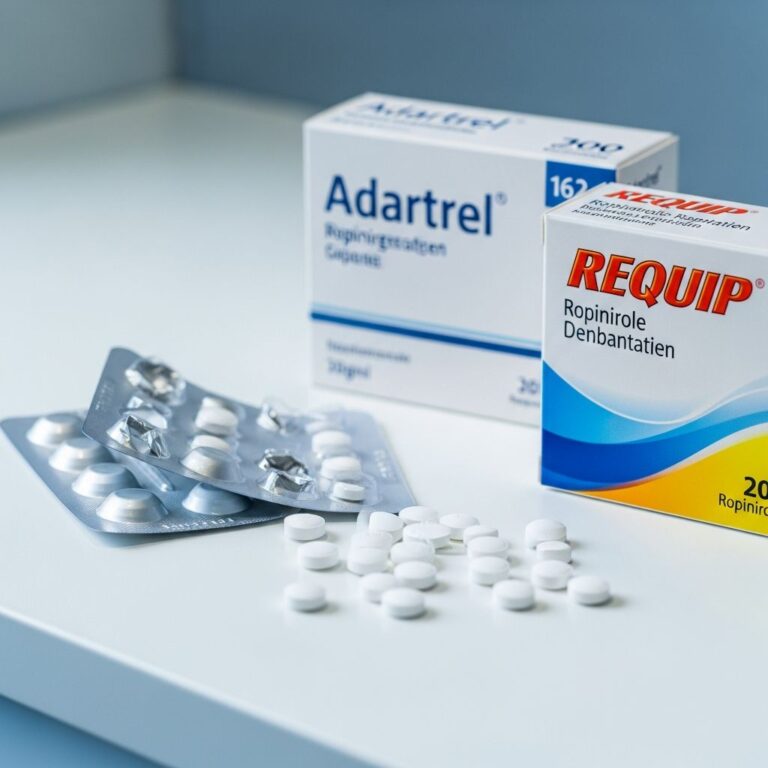
Macitentan is available as a once-daily oral tablet, typically in a 10 mg strength. The tablets are round, white, and marked with “10” on both sides. Patients should swallow them whole without splitting, crushing, or chewing to ensure proper absorption. It can be taken with or without food, offering flexibility in daily routines. This formulation supports long-term adherence, crucial for managing chronic PAH.
Key facts about macitentan
- Approved by the FDA in 2013 for PAH treatment in adults.
- Dual-action ERA targeting both ETA and ETB receptors with higher potency and longer half-life than predecessors like bosentan and ambrisentan.
- Reduces morbidity, mortality, and hospitalization risk, as demonstrated in the pivotal SERAPHIN trial.
- Improves hemodynamics, 6-minute walk distance (6MWD), and quality of life.
- Requires strict contraception and monthly pregnancy tests in women of childbearing potential due to teratogenic risks.
Macitentan stands out for its active metabolite, ACT-132577, which contributes to sustained pharmacodynamic effects, making it effective over 24 hours.
About pulmonary arterial hypertension
Pulmonary arterial hypertension (PAH) is a rare, life-threatening disorder characterized by elevated pressure in the pulmonary arteries (mean pulmonary artery pressure >25 mmHg at rest, with pulmonary vascular resistance ≥320 dyn·sec/cm⁵ and pulmonary capillary wedge pressure ≤15 mmHg). It affects the small arteries in the lungs, leading to vessel narrowing, remodeling, and right heart failure if untreated. PAH falls under WHO Group 1 and can be idiopathic, heritable, or associated with conditions like connective tissue diseases, HIV, congenital heart disease (post-repair), or drug/toxin exposure.
Symptoms include progressive shortness of breath, fatigue, chest pain, dizziness, and syncope. Without intervention, it advances to right ventricular failure. PAH disrupts three key pathways: endothelin (vasoconstrictor), prostacyclin (vasodilator), and nitric oxide (vasodilator). Macitentan specifically targets the endothelin pathway, complementing therapies like PDE-5 inhibitors or prostanoids.
How macitentan works in pulmonary hypertension
Endothelin, produced by vascular endothelial cells, promotes vasoconstriction, smooth muscle proliferation, and fibrosis in pulmonary arteries. Macitentan binds competitively to endothelin receptors (ETA on smooth muscle cells and ETB on endothelial cells), preventing these effects. This leads to vasodilation, reduced vascular resistance, and decreased right ventricular strain. Unlike selective ET-A antagonists like ambrisentan, macitentan’s dual blockade and tissue penetration yield superior efficacy with fewer side effects.
In the SERAPHIN trial (NCT00660179), a landmark phase III study involving 742 PAH patients, macitentan (3 mg or 10 mg daily) significantly prolonged time to first morbidity/mortality event (hazard ratio 0.70 for 10 mg vs. placebo; p=0.0102). It also improved 6MWD by 22 meters and hemodynamics like cardiac index and PVR.
Related Stories



When macitentan is prescribed
Macitentan is indicated for adult patients with symptomatic PAH (WHO functional class II-III) to delay disease progression and reduce clinical worsening. It can be used as monotherapy or in combination with PDE-5 inhibitors (e.g., sildenafil) or inhaled prostanoids. It’s not approved for other PH groups (2-5) or conditions like pulmonary veno-occlusive disease.
Prescribing requires confirmation of PAH via right heart catheterization. It’s suitable for idiopathic PAH, heritable PAH, and PAH linked to collagen vascular disease, repaired congenital shunts, HIV, or drugs/toxins.
How and when to take macitentan
The standard dose is 10 mg once daily. No dose titration is needed, unlike some ERAs. Take at the same time each day for consistency. If a dose is missed, take it as soon as remembered unless close to the next dose—do not double up. Regular monitoring includes liver function, hemoglobin, and pregnancy tests for women.
| Dosage | Frequency | Administration Notes |
|---|---|---|
| 10 mg tablet | Once daily | Swallow whole; with/without food |
Common questions about macitentan
Can you take macitentan whilst pregnant or breastfeeding?
No. Macitentan is contraindicated in pregnancy due to risks of serious birth defects (teratogenic in animals). Women of reproductive potential must use reliable contraception (e.g., IUD, hormonal methods) and undergo monthly pregnancy tests. Enroll in the REMS program. It’s unknown if it passes into breast milk; breastfeeding is not recommended.
Is macitentan safe whilst breastfeeding?
Safety data is lacking; avoid breastfeeding or discontinue macitentan.
Is macitentan safe for children?
No; not approved for pediatric use. Safety and efficacy in children under 18 are unestablished.
Are there any other cautions or side effects with macitentan?
Side effects: Common include nasopharyngitis (stuffy nose), headache, anemia, bronchitis, UTI, and flu-like symptoms. Serious risks: embryo-fetal toxicity, anemia (monitor hemoglobin), pulmonary edema, hepatotoxicity (rare).
Cautions: Fluid retention (monitor weight), avoid in severe liver impairment (Child-Pugh C), adjust dose with strong CYP3A4 inhibitors (e.g., ketoconazole). No dose change for mild-moderate kidney/liver issues.
How to cope with side effects of macitentan
- Headache: Rest, hydrate; use paracetamol if approved by doctor.
- Anemia: Report fatigue; regular blood tests needed; transfusions rare.
- Nasal congestion: Saline sprays, humidifier.
- Fluid retention: Low-salt diet, weigh daily; report swelling.
- Consult your doctor for persistent issues; do not stop without advice.
Important information about all medicines
Never share macitentan. Inform all healthcare providers of its use. Store at room temperature, away from moisture. Dispose of unused tablets properly. Report new symptoms promptly.
Alternatives for pulmonary hypertension
| Drug Class | Examples | Mechanism |
|---|---|---|
| ERAs | Bosentan, Ambrisentan | Endothelin blockade |
| PDE-5 Inhibitors | Sildenafil, Tadalafil | NO pathway enhancement |
| Prostacyclin Analogs | Epoprostenol, Treprostinil | Vasodilation/proliferation inhibition |
Macitentan shows comparable efficacy to bosentan/ambrisentan but with lower edema and hepatotoxicity rates.
Frequently Asked Questions (FAQs)
Q: How quickly does macitentan work?
Improvements in exercise capacity may appear within weeks, but full benefits on morbidity/mortality take months, per SERAPHIN data.
Q: Can macitentan be combined with other PAH drugs?
Yes, safely with PDE-5 inhibitors or prostanoids; no significant interactions with sildenafil or warfarin.
Q: What monitoring is required?
Monthly pregnancy tests (women), hemoglobin, liver enzymes at baseline and periodically.
Q: Does macitentan cure PAH?
No, it manages symptoms and slows progression; not curative.
Q: What if I miss a dose?
Take as soon as possible; skip if near next dose. Do not double.
This article provides detailed, evidence-based information on macitentan for PAH management. Always consult a specialist for personalized advice.
References
- Macitentan (Opsumit) – Pulmonary Hypertension Association — Pulmonary Hypertension Association. 2025-09. https://phassociation.org/pulmonary-hypertension/treatments/targeted-therapies/macitentan/
- A Focus on Macitentan in the Treatment of Pulmonary Arterial Hypertension — PubMed. 2018-05-01. https://pubmed.ncbi.nlm.nih.gov/29719121/
- Study of Macitentan (ACT-064992) on Morbidity and Mortality in PAH (SERAPHIN) — ClinicalTrials.gov. N/A. https://clinicaltrials.gov/study/NCT00660179
- Macitentan in the Treatment of Pulmonary Arterial Hypertension — Taylor & Francis. 2020. https://www.tandfonline.com/doi/full/10.2217/fca-2020-0012
- About PAH: What Is Pulmonary Arterial Hypertension? — Opsumit HCP. N/A. https://www.opsumithcp.com/about-pah/what-is-pah/
Similar Articles








Read full bio of medha deb