Macronutrients Vs Micronutrients: Guide To A Balanced Diet
Understand the key differences between macronutrients and micronutrients, their roles in health, food sources, and how to balance them for optimal wellness.
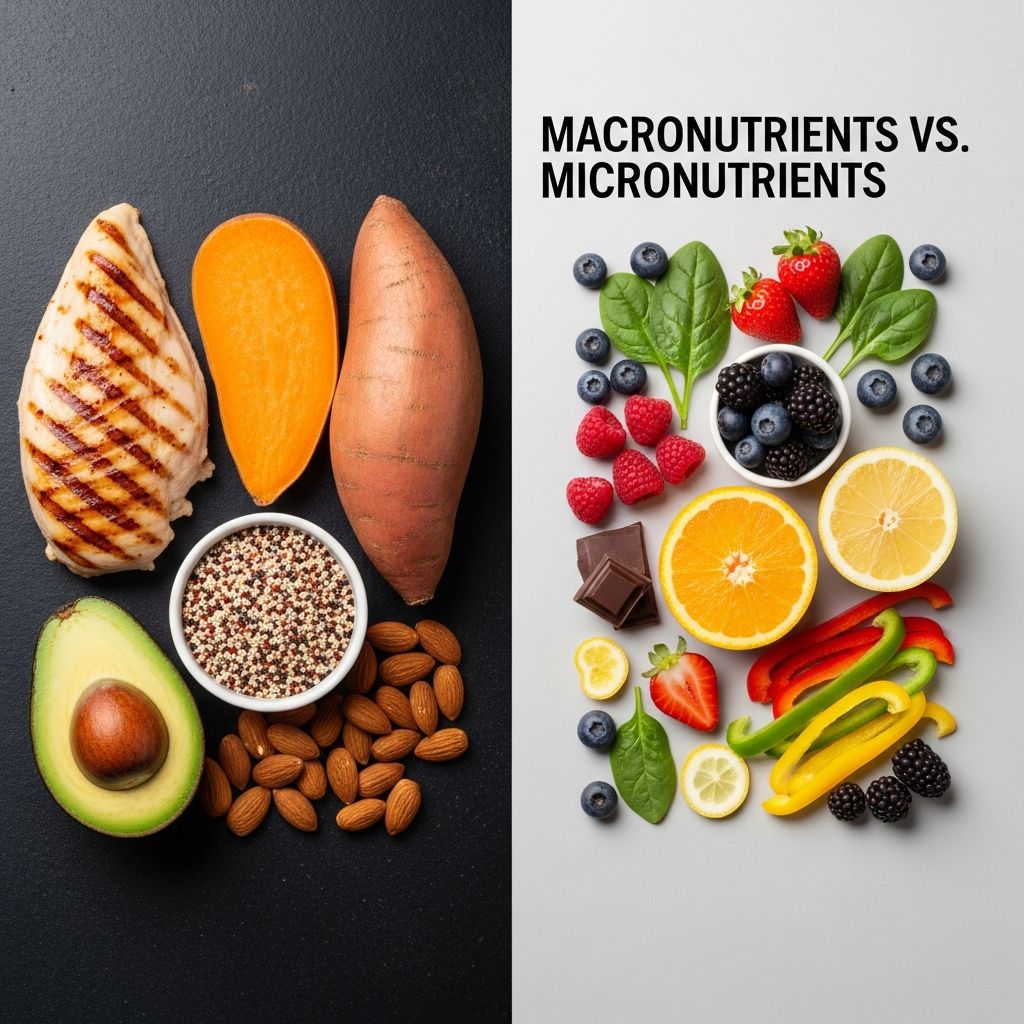
Macronutrients and micronutrients are the foundational elements of a healthy diet, each playing distinct yet complementary roles in supporting bodily functions, energy production, and overall well-being. Macronutrients—carbohydrates, proteins, and fats—are required in large quantities (measured in grams) to provide calories, fuel daily activities, and build body tissues. Micronutrients, including vitamins and minerals, are needed in smaller amounts (milligrams or micrograms) but are essential for metabolic processes, immune function, and preventing deficiencies. Understanding their differences helps in crafting balanced meals that optimize health without excess or shortage.
What Are Macronutrients?
**Macronutrients** are nutrients the body needs in substantial amounts for energy, growth, and maintenance. The term ‘macro’ signifies ‘large,’ reflecting their gram-level intake requirements. They supply calories: carbohydrates and proteins provide 4 calories per gram, while fats deliver 9. A balanced intake prevents issues like fatigue from carb deficiency or weight gain from fat excess.
Carbohydrates
Carbohydrates serve as the body’s primary energy source, breaking down into glucose to fuel cells, brain function, and physical activity. The Dietary Guidelines for Americans recommend 45-65% of daily calories from carbs, prioritizing complex sources like whole grains over simple sugars for sustained energy and fiber benefits.
- Functions: Quick energy, gut health via fiber, blood sugar regulation.
- Food sources: Oats, brown rice, fruits, vegetables, legumes.
- Daily needs: 130 grams minimum for brain function; varies by activity.
Proteins
Proteins are the building blocks for muscles, enzymes, hormones, and immune cells. They repair tissues and support growth, especially in children and athletes. Aim for 10-35% of calories from protein, or 0.8 grams per kg body weight for adults.
- Functions: Muscle repair, hormone production, satiety.
- Food sources: Chicken, fish, eggs, beans, nuts, dairy.
- Daily needs: Higher for active individuals (1.2-2.0g/kg).
Fats
Fats provide concentrated energy, aid vitamin absorption (A, D, E, K), and form cell membranes. Healthy fats should comprise 20-35% of calories; avoid trans fats. Essential fatty acids like omega-3s support heart and brain health.
- Functions: Energy storage, nutrient absorption, inflammation control.
- Food sources: Avocados, olive oil, salmon, nuts, seeds.
- Daily needs: At least 20% to prevent deficiencies.
What Are Micronutrients?
**Micronutrients**—vitamins and minerals—are vital in trace amounts for enzyme reactions, oxygen transport, bone health, and immunity. Unlike macros, they don’t provide calories but enable macro utilization. Deficiencies can cause issues like anemia (iron) or rickets (vitamin D).
Vitamins
Vitamins regulate metabolism and protect cells. Fat-soluble (A, D, E, K) store in fat; water-soluble (B-complex, C) need regular intake.
- Vitamin C: Antioxidant, collagen synthesis; sources: citrus, peppers.
- Vitamin D: Bone health, immunity; sources: sunlight, fortified milk, fatty fish.
- B Vitamins: Energy metabolism; sources: whole grains, meat, leafy greens.
Minerals
Minerals support structural and regulatory roles. Major minerals (calcium, magnesium) needed in hundreds of mg; trace (iron, zinc) in smaller doses.
Related Stories



- Calcium: Bones, muscles; sources: dairy, kale, almonds.
- Iron: Oxygen transport; sources: red meat, spinach (pair with vitamin C for absorption).
- Magnesium: Nerve function, energy; sources: nuts, seeds, dark chocolate.
Macronutrients vs. Micronutrients: Key Differences
The primary distinction lies in quantity, energy provision, and measurement. Macros fuel the body; micros optimize functions.
| Aspect | Macronutrients | Micronutrients |
|---|---|---|
| Quantity Needed | Grams/day | mg/μg/day |
| Energy Provision | Yes (calories) | No |
| Examples | Carbs, proteins, fats | Vitamins, minerals |
| Functions | Energy, structure | Regulation, metabolism |
| Deficiency Risks | Fatigue, muscle loss | Scurvy, osteoporosis |
Both are interdependent: fats aid vitamin absorption, micronutrients help metabolize macros.
How Much of Each Do You Need?
Needs vary by age, sex, activity, and health. Use Dietary Guidelines: 45-65% carbs, 10-35% protein, 20-35% fat. Micronutrients follow RDAs, e.g., 1,000mg calcium, 18mg iron for women. Track via apps but prioritize whole foods.
- Age: Children need more for growth.
- Activity: Athletes require extra carbs/protein.
- Gender: Women need more iron; men more zinc.
Food Sources for Macronutrients and Micronutrients
A varied diet ensures balance. Whole foods provide synergistic nutrients.
Macronutrient-Rich Foods
- Carbs: Quinoa, sweet potatoes.
- Proteins: Lentils, turkey.
- Fats: Chia seeds, fatty fish.
Micronutrient-Rich Foods
- Vitamins: Berries (C), carrots (A).
- Minerals: Yogurt (calcium), pumpkin seeds (magnesium, zinc).
Diversity prevents excesses; e.g., too much iron is toxic.
Health Risks of Imbalance
Macro imbalance leads to obesity (excess) or malnutrition (deficit). Micro deficiencies cause scurvy (C), beriberi (B1), or anemia. Excess vitamins A/D can toxify. Balanced intake via food mitigates risks.
Tracking Intake: Macros vs. Micros
Apps like MyFitnessPal track macros; focus on colorful plates for micros. Consult RDIs from USDA. Supplements only if deficient, as food absorption is superior.
Who Might Need More Attention to Intake?
Athletes, pregnant women, elderly, vegans need tailored plans. E.g., vegans supplement B12, D.
Frequently Asked Questions (FAQs)
What is the main difference between macronutrients and micronutrients?
Macronutrients provide energy in large amounts; micronutrients support functions in small amounts.
Can you get enough micronutrients from food alone?
Yes, a diverse diet with fruits, veggies, and whole foods suffices for most.
Should I count macros or micros?
Track macros for goals like weight loss; ensure micro variety via balanced plates.
What happens if you lack macronutrients?
Energy dips, muscle loss, weakened immunity.
Are supplements better than food for micronutrients?
No, whole foods offer better absorption and co-nutrients.
Practical Tips for Balancing Macros and Micros
- Fill half plate with veggies/fruits for micros.
- Include lean protein and healthy fats daily.
- Hydrate; water aids nutrient transport.
- Monitor portions to avoid macro excess.
Achieving balance promotes sustained energy, prevents disease, and supports growth across life stages. Consult professionals for personalized advice.
References
- Mayo Clinic Minute: The difference between micronutrients and macronutrients — Mayo Clinic News Network. 2023-05-15. https://newsnetwork.mayoclinic.org/discussion/mayo-clinic-minute-the-difference-between-micronutrients-and-macronutrients/
- Micronutrients vs. macronutrients — Ohio State University Wexner Medical Center. 2024-02-10. https://health.osu.edu/wellness/exercise-and-nutrition/micronutrients-vs-macronutrients
- We Explain the Difference Between Macronutrients vs Micronutrients — Raleigh Adult Medicine. 2023-11-20. https://www.raleighadultmedicine.com/blog/macronutrients-vs-micronutrients-guide/
- Macronutrient balance and micronutrient amounts through growth — National Center for Biotechnology Information (PMC). 2021-04-15. https://pmc.ncbi.nlm.nih.gov/articles/PMC8106138/
- What Are Macronutrients and Micronutrients? — Geisinger Health. 2023-06-16. https://www.geisinger.org/health-and-wellness/wellness-articles/2023/06/16/17/22/macronutrients-micronutrients
- What Is Nutrition & The Essential Nutrients Your Body Needs — Cleveland Clinic. 2024-01-05. https://my.clevelandclinic.org/health/articles/nutrition
Similar Articles








Read full bio of medha deb