Macros Diet Meal Plan: 7-Day Balanced Menu For 2000 Calories
Discover a flexible 7-day macros diet meal plan that balances protein, carbs, and fats for sustainable weight loss and better health.
The
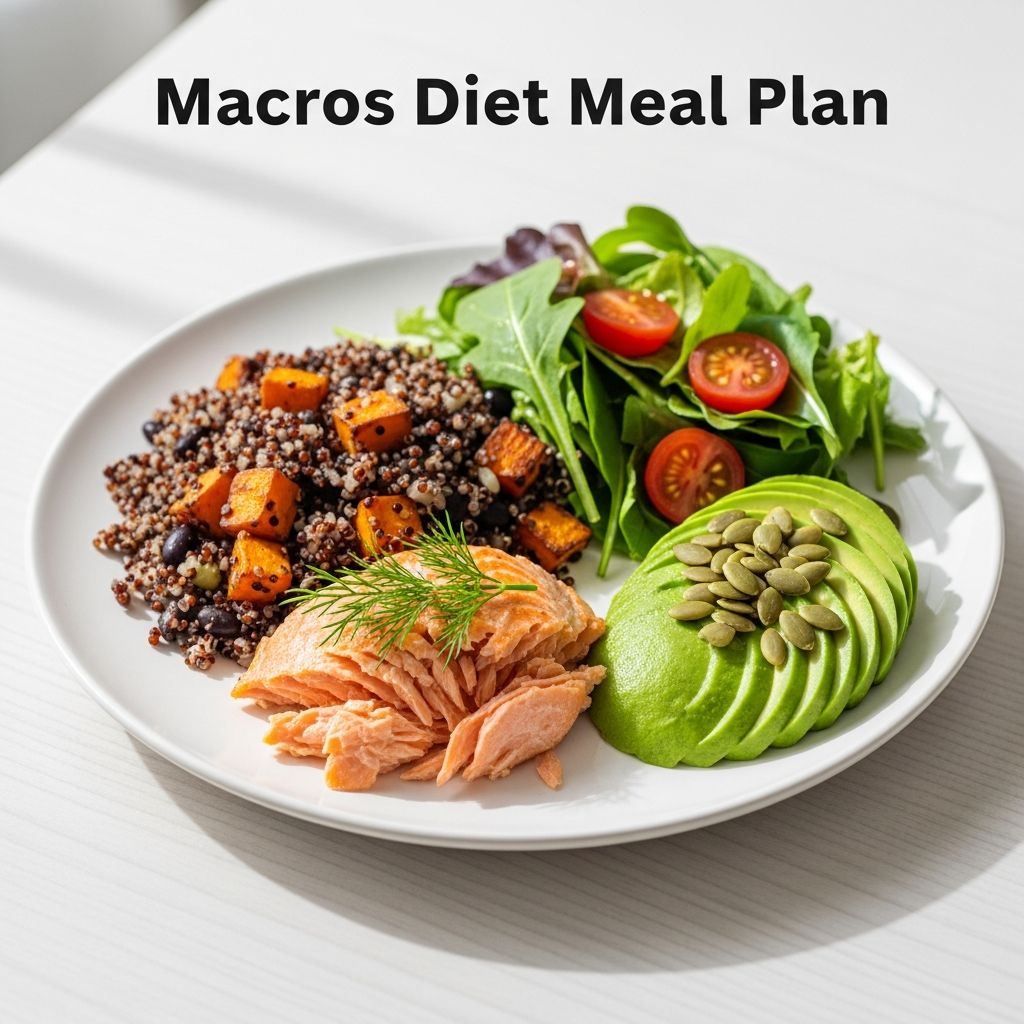
macros diet
, also known as macro tracking or IIFYM (If It Fits Your Macros), focuses on balancing the three primary macronutrients—**proteins**,carbohydrates
, andfats
—to meet individual health and fitness goals. Unlike restrictive diets, it emphasizes flexibility, allowing you to enjoy favorite foods while hitting specific macro targets for sustainable results like weight loss, muscle gain, or improved energy levels.What Are Macros?
Macronutrients, or macros, are the essential nutrients your body needs in large quantities for energy, growth, and repair.
Protein
builds and repairs muscles,carbohydrates
provide quick energy, andfats
support hormone production and nutrient absorption. Each gram of protein and carbs provides 4 calories, while fats deliver 9 calories. The macros diet requires calculating daily intakes based on your total calorie needs, typically split as 40-50% carbs, 25-30% protein, and 20-30% fats, adjustable per goals.Why Follow a Macros Diet?
This approach promotes
nutrient balance
over calorie counting alone, leading to steady energy, better mood stability, and reduced cravings. Research from the National Institutes of Health (NIH) shows balanced macro intake improves metabolic health and weight management by stabilizing blood sugar. It’s ideal for active individuals, as it supports workout recovery without eliminating food groups, making adherence easier long-term.How the Macros Diet Works
Start by calculating your
Total Daily Energy Expenditure (TDEE)
using factors like age, weight, height, and activity level. Tools from the USDA or apps like MyFitnessPal help. Then, allocate percentages: for weight loss, aim for a 20% calorie deficit with higher protein (30%); for muscle gain, increase carbs to 50%. Track via apps to ensure meals fit targets, prioritizing whole foods for micronutrients.- Step 1: Compute basal metabolic rate (BMR) and multiply by activity factor for TDEE.
- Step 2: Set macro ratios (e.g., 40% carbs, 30% protein, 30% fats).
- Step 3: Plan meals to hit grams: e.g., 2000 calories = 200g carbs, 150g protein, 67g fats.
- Step 4: Adjust weekly based on progress.
7-Day Macros Diet Meal Plan
This
7-day plan
targets ~2000 calories daily (adjustable), with roughly 40% carbs (200g), 30% protein (150g), 30% fats (67g). Each day includes breakfast, mid-morning snack, lunch, afternoon snack, and dinner. Meals use simple, whole-food ingredients for balance and flavor. Prep tips: Batch-cook proteins and grains; portion snacks in advance.Day 1
- Breakfast: Greek Yogurt Parfait (1 cup plain Greek yogurt, ½ cup berries, ¼ cup granola, 1 tbsp chia seeds) – 30g protein, 40g carbs, 15g fat.
- Snack: Apple with 1 oz almonds – 6g protein, 25g carbs, 15g fat.
- Lunch: Turkey Wrap (3 oz turkey breast, whole wheat tortilla, spinach, tomato, 1 tbsp hummus) – 35g protein, 45g carbs, 12g fat.
- Snack: Carrot sticks with 2 tbsp cottage cheese – 12g protein, 15g carbs, 5g fat.
- Dinner: Baked Salmon (4 oz) with quinoa (½ cup cooked) and broccoli (1 cup steamed) – 40g protein, 40g carbs, 20g fat.
Total Day 1: ~152g protein, 165g carbs, 67g fat. (~1950 calories)
Day 2
- Breakfast: Oatmeal Bowl (½ cup oats, 1 scoop protein powder, banana slices, 1 tsp peanut butter) – 28g protein, 55g carbs, 10g fat.
- Snack: Handful of mixed berries and string cheese – 8g protein, 20g carbs, 8g fat.
- Lunch: Chickpea Salad (1 cup chickpeas, cucumber, feta 1 oz, olive oil dressing) – 25g protein, 50g carbs, 18g fat.
- Snack: Protein shake (1 scoop whey, almond milk) – 25g protein, 10g carbs, 5g fat.
- Dinner: Grilled Chicken Stir-Fry (4 oz chicken, brown rice ½ cup, mixed veggies) – 45g protein, 45g carbs, 15g fat.
Total Day 2: ~131g protein, 180g carbs, 56g fat. (~2000 calories)
Related Stories



Day 3
- Breakfast: Veggie Omelet (3 eggs, spinach, mushrooms, whole grain toast) – 25g protein, 30g carbs, 20g fat.
- Snack: Pear with 1 tbsp almond butter – 4g protein, 25g carbs, 9g fat.
- Lunch: Quinoa Bowl (½ cup quinoa, black beans ½ cup, corn, avocado ¼, grilled chicken 3 oz) – 35g protein, 55g carbs, 15g fat.
- Snack: Greek yogurt (½ cup) with honey drizzle – 15g protein, 20g carbs, 5g fat.
- Dinner: Lean Beef Tacos (3 oz lean beef, lettuce wraps, tomato, salsa, avocado) – 40g protein, 25g carbs, 20g fat.
Total Day 3: ~119g protein, 155g carbs, 69g fat. (~1980 calories)
Day 4
- Breakfast: Smoothie (spinach, banana, 1 scoop protein, 1 tbsp flaxseeds, almond milk) – 30g protein, 40g carbs, 12g fat.
- Snack: Celery with 2 tbsp peanut butter – 8g protein, 15g carbs, 18g fat.
- Lunch: Tuna Salad (1 can tuna, mixed greens, quinoa ½ cup, olive oil) – 40g protein, 40g carbs, 15g fat.
- Snack: Handful trail mix (nuts, dried fruit) – 6g protein, 25g carbs, 15g fat.
- Dinner: Turkey Meatballs with spaghetti squash and marinara – 45g protein, 30g carbs, 12g fat.
Total Day 4: ~129g protein, 150g carbs, 72g fat. (~2020 calories)
Day 5
- Breakfast: Whole-Grain Waffles (2 waffles, Greek yogurt ½ cup, strawberries) – 20g protein, 50g carbs, 10g fat.
- Snack: Trail Mix (almonds, cashews, raisins) – 8g protein, 25g carbs, 20g fat.
- Lunch: Grilled Veggie Sandwich (zucchini, peppers, hummus on whole grain bread) – 15g protein, 50g carbs, 15g fat.
- Snack: Cottage cheese with pineapple – 20g protein, 20g carbs, 5g fat.
- Dinner: Spaghetti Squash with Turkey Meatballs and Marinara – 45g protein, 35g carbs, 15g fat.
Total Day 5: ~108g protein, 180g carbs, 65g fat. (~1990 calories)
Day 6
- Breakfast: Avocado Toast (whole grain bread, ½ avocado, poached eggs 2) – 20g protein, 35g carbs, 25g fat.
- Snack: Protein bar (choose low-sugar) – 20g protein, 20g carbs, 10g fat.
- Lunch: Lentil Soup with side salad – 25g protein, 50g carbs, 10g fat.
- Snack: Orange and handful walnuts – 5g protein, 25g carbs, 15g fat.
- Dinner: Baked Cod (4 oz) with sweet potato and asparagus – 40g protein, 45g carbs, 10g fat.
Total Day 6: ~110g protein, 175g carbs, 70g fat. (~2010 calories)
Day 7
- Breakfast: Chia Pudding (2 tbsp chia, almond milk, kiwi, nuts) – 10g protein, 40g carbs, 20g fat.
- Snack: Hard-boiled eggs (2) with cucumber – 12g protein, 10g carbs, 10g fat.
- Lunch: Grilled Shrimp Salad (4 oz shrimp, greens, farro ½ cup, vinaigrette) – 35g protein, 45g carbs, 15g fat.
- Snack: Banana with 1 tbsp nut butter – 5g protein, 30g carbs, 10g fat.
- Dinner: Veggie Stir-Fry with Tofu (4 oz) and brown rice – 30g protein, 50g carbs, 15g fat.
Total Day 7: ~92g protein, 175g carbs, 70g fat. (~1970 calories)
Macro Tracking Tips
Use apps like Cronometer or Lose It for precise logging. Weigh food initially for accuracy, then eyeball portions. Focus on
whole foods
: lean meats, eggs, legumes for protein; oats, fruits, veggies for carbs; avocados, nuts, olive oil for fats. Drink 8-10 glasses water daily; adjust for workouts (add 300-500 calories post-exercise).| Goal | Carbs % | Protein % | Fats % |
|---|---|---|---|
| Weight Loss | 40% | 30% | 30% |
| Muscle Gain | 50% | 30% | 20% |
| Maintenance | 45% | 25% | 30% |
Benefits and Customization
Macros dieting enhances satiety, supports exercise performance, and fits lifestyles. Customize for vegetarians (tofu, tempeh) or allergies. Consult a dietitian for personalized ratios, especially with medical conditions.
Frequently Asked Questions (FAQs)
What is the macros diet?
The macros diet tracks intake of proteins, carbs, and fats in specific ratios to fuel your body optimally for health or fitness goals.
Is the macros diet good for weight loss?
Yes, by creating a calorie deficit with high protein for fullness and muscle preservation, per NIH studies on balanced nutrition.
Do I need to weigh food every day?
Initially yes for learning portions; later, use hand measurements or plate method (½ veggies, ¼ protein, ¼ carbs).
Can vegetarians follow a macros meal plan?
Absolutely—swap meats for eggs, dairy, beans, lentils, or plant proteins like seitan to meet targets.
How do I adjust macros for workouts?
Increase carbs pre-workout and protein post; add 10-20% calories on training days.
References
- Dietary Guidelines for Americans, 2020-2025 — U.S. Department of Agriculture (USDA). 2020-12-01. https://www.dietaryguidelines.gov/sites/default/files/2020-12/Dietary_Guidelines_for_Americans_2020-2025.pdf
- Macronutrients: Energy and Protein Requirements — World Health Organization (WHO). 2007-01-01. https://www.who.int/publications/i/item/9241209289
- Effects of Macronutrient Distribution on Weight Loss — National Institutes of Health (NIH), PubMed. 2023-05-15. https://pubmed.ncbi.nlm.nih.gov/37171148/
- Protein and Muscle Health During Aging — National Institute on Aging (NIA). 2024-02-20. https://www.nia.nih.gov/health/protein-and-healthy-aging
- Carbohydrate Recommendations for Athletes — Academy of Nutrition and Dietetics. 2022-08-10. https://www.eatrightpro.org/
Similar Articles








Read full bio of medha deb