Macula: 5 Macular Conditions, Symptoms, And Treatments
Understand the macula's critical role in vision, its anatomy, and how to protect this vital eye structure.
Understanding the Macula: Your Eye’s Central Vision Hub
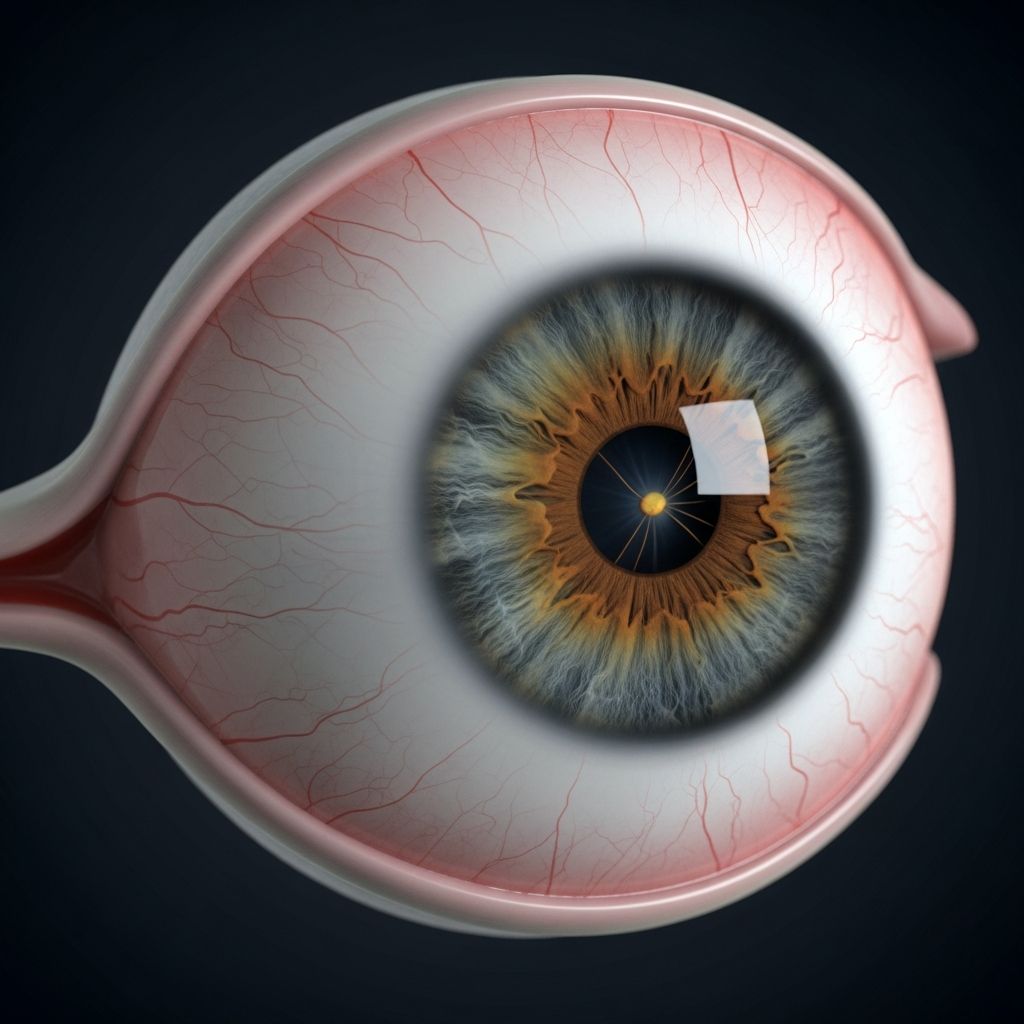
The macula is one of the most important parts of your eye, responsible for processing the images you see directly in front of you. Located in the center of the retina at the back of your eye, the macula enables you to see fine details, read, recognize faces, and perform tasks that require sharp central vision. Understanding what the macula is and how it functions is essential for maintaining healthy vision throughout your life.
The retina is the light-sensing nerve tissue that lines the back of your eye and captures visual information. Within this vital structure, the macula serves as the specialized region dedicated to central vision. When light enters your eye through the cornea and lens, it focuses on the retina, and the macula processes these signals to create the detailed images you see at the center of your visual field.
Anatomy of the Macula
The macula is a small but highly specialized area of the retina, measuring only about 5 millimeters in diameter. Despite its tiny size, it contains millions of light-sensitive cells called photoreceptors that work together to detect light and color. These photoreceptors are densely packed in the macula, making it the part of your eye with the highest concentration of visual cells.
The macula contains two primary types of photoreceptors: cones and rods. Cones are responsible for color vision and fine detail perception, and they are particularly abundant in the macula. Rods are more sensitive to light and help with vision in low-light conditions, though they are less concentrated in the macular region. The central point of the macula is called the fovea, which represents the area of sharpest vision in your entire eye.
Beneath the photoreceptor layer lies the retinal pigment epithelium (RPE), a layer of cells that nourishes the photoreceptors and removes waste products. The choroid, a layer of blood vessels beneath the RPE, supplies oxygen and nutrients to the macula. This intricate vascular system is essential for maintaining the health and function of macular cells.
How the Macula Functions in Vision
The macula is responsible for your ability to see fine details and maintain sharp central vision. When you look directly at an object, you are using your macula to process that visual information. This is why the macula is critical for reading, writing, driving, recognizing faces, and performing any task that requires precision and detail.
The macula processes visual signals through a complex biological process. Light enters the eye and focuses on the retina, including the macula. The photoreceptors in the macula convert light into electrical signals, which are then transmitted through the optic nerve to the brain. The brain interprets these signals as the detailed images you see in your central visual field.
The density of photoreceptors in the macula allows you to distinguish fine details that you would not be able to see in your peripheral vision. This is why you can read small print in the center of your visual field but would struggle to read text in your peripheral vision. The macula’s specialized structure makes clear, detailed central vision possible.
Related Stories



Conditions Affecting the Macula
Several conditions can specifically damage or affect the macula, leading to vision problems ranging from blurred vision to significant central vision loss. Additionally, many conditions affecting the entire retina can also harm the macula. Understanding these conditions is crucial for early detection and treatment.
Macular-Specific Conditions
Conditions that directly target the macula include:
- Age-related macular degeneration (AMD): The most common cause of central vision loss in older adults, AMD occurs in two forms—dry and wet. Dry AMD involves the gradual breakdown of macular cells, while wet AMD is characterized by abnormal blood vessel growth beneath the macula.
- Macular hole: A break in the center of the macula that can cause blurred or distorted central vision.
- Macular pucker: Scar tissue that forms on the macula, potentially causing vision distortion.
- Diabetic macular edema: Swelling in the macula caused by diabetes, leading to blurred vision.
- Central serous chorioretinopathy: Fluid accumulation beneath the macula, typically affecting middle-aged individuals.
Broader Retinal Conditions Affecting the Macula
Conditions affecting the entire retina can also harm the macula:
- Diabetic retinopathy: Damage to blood vessels in the retina due to diabetes, which can extend to the macula.
- Retinal detachment: Separation of the retina from the eye tissue, potentially affecting the macula.
- Retinitis pigmentosa: A genetic disorder causing progressive retinal degeneration.
- Macular degeneration from other causes: Including high myopia, ocular histoplasmosis, and pathologic myopia.
Symptoms of Macular Problems
Recognizing symptoms of macular disease is essential for early intervention and treatment. If you notice any of the following changes in your vision, contact your healthcare provider promptly:
- Blurred or fuzzy central vision
- Distorted vision, such as straight lines appearing wavy or bent
- Difficulty reading or seeing fine details
- Dark or blank spots in the center of your visual field
- Reduced ability to recognize faces
- Difficulty driving, especially at night
- Changes in color perception
- Sudden vision loss or changes
The sooner you have any vision changes diagnosed, the less likely they are to cause serious damage to your eyes. Early detection of macular disease often allows for more effective treatment options.
Diagnosis of Macular Conditions
Your eye care provider will examine your macula as part of your comprehensive eye exam. To properly evaluate the macula, they typically use an ophthalmoscope—a specialized instrument that allows them to look into your eye and examine all its structures, including the macula.
During the examination, your provider may also perform additional tests, including:
- Optical coherence tomography (OCT): A non-invasive imaging test that creates detailed cross-sectional images of the macula.
- Amsler grid test: A simple test to check for distortions in your central vision.
- Fluorescein angiography: An imaging test that uses dye and special photography to visualize blood vessels in the retina.
- Dilated eye exam: Your provider dilates your pupils to get a better view of the macula and retina.
Treatment Options for Macular Disease
Treatment for macular disease depends on the specific condition, its severity, and how quickly it progresses. Early detection and consistent treatment can often preserve vision and, in some cases, even improve visual function.
Medical Management
For conditions like wet age-related macular degeneration, anti-VEGF injections have revolutionized treatment outcomes. These medications are administered directly into the eye and work by blocking abnormal blood vessel growth. Studies have demonstrated that with consistent treatment, particularly when initiated early, many patients can preserve their vision and maintain independence. Two-thirds of patients treated with anti-VEGF therapy gain 20/40 vision or better after two years of treatment, compared to only 15 percent of patients in previous treatment eras.
Pharmaceutical Support
For intermediate to advanced dry AMD, specific vitamin supplements have been shown to decrease the risk of vision loss. These include vitamins C and E, beta carotene, zinc, and copper. Consult your eye doctor before starting any supplement regimen to ensure it is appropriate for your condition.
Laser Therapy
High-energy laser light can be used to destroy actively growing abnormal blood vessels in conditions like wet AMD. This treatment helps slow the progression of vision loss.
Emerging Therapies
Researchers are continuously developing new treatment approaches. Regenerative medicine technologies are investigating methods to kill cells causing vision loss and potentially replace damaged light-capturing cells in the retina, offering hope for future therapeutic advances.
Risk Factors and Prevention
While some risk factors for macular disease are beyond your control, several lifestyle modifications can help protect your vision:
- Manage chronic conditions: Control diabetes and high blood pressure through proper medical management and lifestyle changes.
- Maintain a healthy diet: Consume foods rich in antioxidants and omega-3 fatty acids.
- Protect your eyes from UV light: Wear sunglasses and hats when outdoors.
- Don’t smoke: Smoking significantly increases the risk of macular degeneration.
- Exercise regularly: Physical activity promotes overall health and eye health.
- Maintain healthy weight: Obesity is a risk factor for age-related macular degeneration.
Living with Macular Disease
If you have been diagnosed with macular disease, several strategies can help you adapt and maintain independence:
- Use magnifying devices for reading and detailed tasks
- Ensure adequate lighting in your home and workspace
- Use high-contrast materials for reading
- Consider low-vision aids and technologies
- Attend low-vision rehabilitation programs
- Maintain regular eye care appointments
- Continue prescribed treatments consistently
Outlook for Macular Disease
The prognosis for macular disease has improved dramatically in recent years, particularly with the advent of anti-VEGF therapy for wet AMD. Before these treatments were available, patients faced a high probability of becoming legally blind within two to five years. Today, with early detection and consistent treatment, nearly half of patients maintain 20/40 vision or better after five years of treatment.
However, macular disease can recur even after successful treatment. Continued and consistent treatment, particularly when the disease is caught early, can not only preserve vision but sometimes improve it. Working closely with your eye care provider and adhering to your treatment plan are essential for the best possible outcomes.
When to Seek Medical Attention
Visit your eye care provider as soon as you notice any changes in your vision, including:
- Sudden or gradual blurring of central vision
- Distorted or wavy appearance of straight lines
- Dark spots or blank areas in your central vision
- Difficulty with tasks requiring fine vision
- Changes in color perception
Early diagnosis is critical to preserve vision and prevent additional loss. Regular comprehensive eye exams, even without symptoms, are important for detecting macular disease in its early stages.
Frequently Asked Questions
Q: What is the main function of the macula?
A: The macula is responsible for processing detailed images in your central visual field, enabling you to read, recognize faces, drive, and perform tasks requiring sharp central vision.
Q: Can the macula be damaged?
A: Yes, numerous conditions can damage the macula, including age-related macular degeneration, diabetic macular edema, macular holes, and other retinal diseases. Early detection and treatment are crucial.
Q: Is macular degeneration preventable?
A: While age and genetics influence AMD risk, you can reduce your risk through a healthy diet, not smoking, managing chronic conditions, protecting your eyes from UV light, and maintaining a healthy weight.
Q: How is macular disease diagnosed?
A: Your eye care provider examines the macula using an ophthalmoscope and may perform additional tests like OCT imaging, fluorescein angiography, or an Amsler grid test to diagnose macular disease.
Q: What should I do if I notice vision changes?
A: Contact your eye care provider immediately if you notice any changes in your vision. Early diagnosis and treatment can help preserve your sight and prevent further vision loss.
References
- CATT Study: Macular Degeneration (AMD) – Cleveland Clinic — Cleveland Clinic Cole Eye Institute. 2025. https://my.clevelandclinic.org/departments/eye/research-innovations/catt-study
- Macula: What It Is, Anatomy & Function — Cleveland Clinic. 2025. https://my.clevelandclinic.org/health/body/23185-macula
- Genetic Risks of Age-Related Macular Degeneration Vary by Ancestry — Case Western Reserve University School of Medicine & Cleveland Clinic Cole Eye Institute. Published in Nature Genetics. https://case.edu/medicine/about/newsroom/our-latest-news/researchers-cwru-cleveland-clinic-cole-eye-institute-collaborate
- GLP-1 Agonists May Lower Risk of Age-Related Macular Degeneration — Cleveland Clinic Cole Eye Institute. 2025. https://consultqd.clevelandclinic.org/glp-1-agonists-may-lower-risk-of-age-related-macular-degeneration
- Age-Related Macular Degeneration: Evaluation and Treatment — Cleveland Clinic Journal of Medicine. 2005. https://www.ccjm.org/content/ccjom/70/12/1017.full.pdf
Similar Articles








Read full bio of medha deb