Macular Degeneration Causes: 8 Key Risk Factors Explained
Uncover the key causes, risk factors, and preventive strategies for age-related macular degeneration affecting millions worldwide.
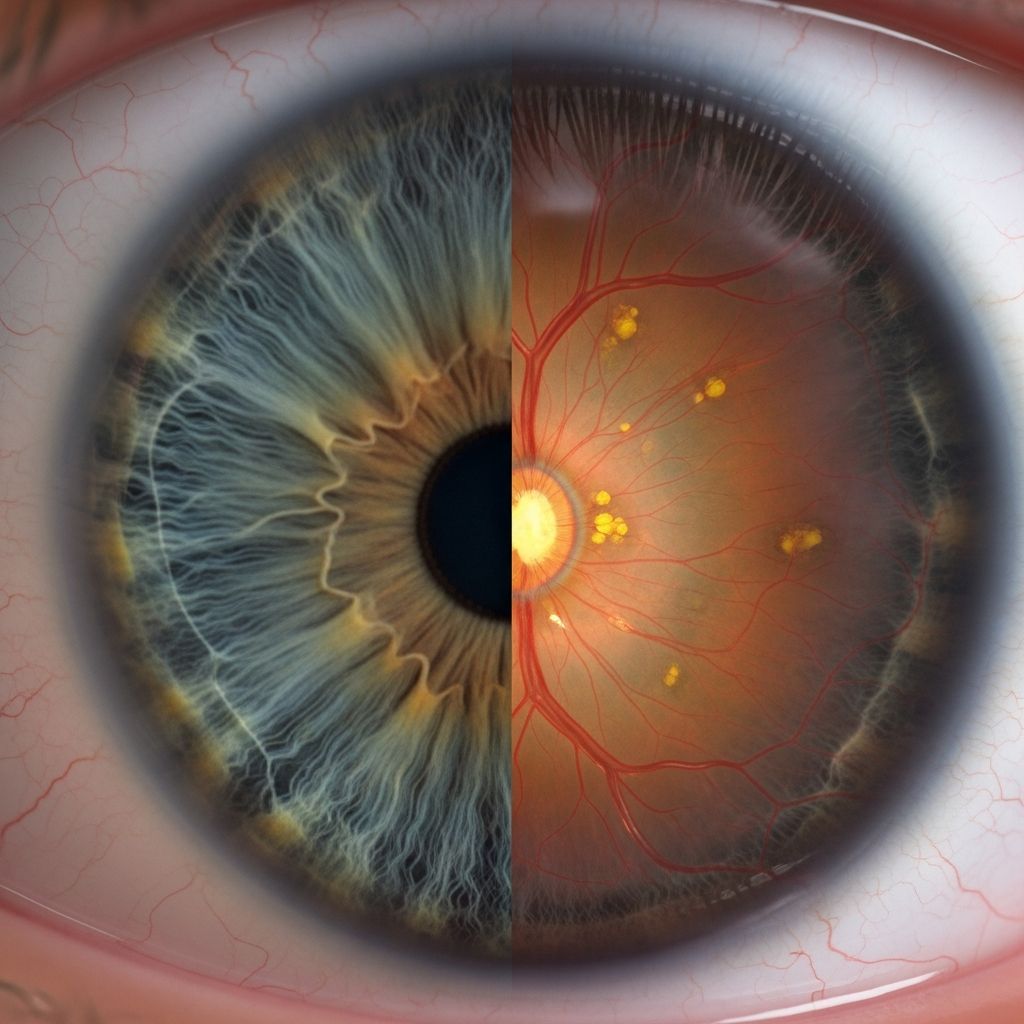
Age-related macular degeneration (AMD) is a leading cause of vision loss in people over 50, primarily affecting the macula, the central part of the retina responsible for sharp, detailed vision. Understanding its causes involves examining genetic, environmental, and lifestyle factors that contribute to the breakdown of macular tissue.
What Is Macular Degeneration?
Macular degeneration, or AMD, deteriorates the macula, leading to blurred or lost central vision while sparing peripheral sight. It progresses in stages: early (medium drusen present, often asymptomatic), intermediate (larger drusen and pigment changes, mild vision loss), and late (significant damage causing noticeable impairment).
There are two main types: dry AMD, the most common form where macular tissue thins gradually, and wet AMD, less common but more aggressive, involving leaking blood vessels under the retina that cause scarring and rapid vision loss. Dry AMD can advance to wet in some cases.
Symptoms of Macular Degeneration
Symptoms develop slowly in dry AMD and more suddenly in wet AMD. Common signs include:
- Blurry or distorted central vision, where straight lines appear wavy.
- A blind spot or dark area in the center of your visual field.
- Difficulty reading, recognizing faces, or seeing fine details.
- Need for brighter lights for close-up tasks.
- Hazy vision or reduced color intensity.
- Trouble adapting to low light.
Early detection is crucial, as peripheral vision remains intact, but central loss impacts daily activities like driving or cooking.
Stages of Age-Related Macular Degeneration
| Stage | Characteristics | Vision Impact |
|---|---|---|
| Early | Medium-sized drusen (yellow deposits under retina) | Usually no symptoms |
| Intermediate | Large drusen, pigment changes | Mild vision loss possible |
| Late (Dry) | Thinning macula, cell loss | Significant central blur |
| Late (Wet) | Abnormal blood vessels, leakage | Rapid, severe loss |
This table summarizes progression based on retinal changes observed during eye exams.
Causes of Macular Degeneration
The exact cause remains unclear, but research points to a mix of aging, genetics, and environmental triggers. As eyes age, the macula’s light-sensitive cells (photoreceptors) break down, forming drusen deposits that disrupt function. In wet AMD, fragile new blood vessels grow abnormally, leaking fluid and blood.
Genetic factors play a key role; certain gene variants increase susceptibility, often running in families. Oxidative stress from aging and poor diet accelerates damage to retinal cells.
Risk Factors for Developing Macular Degeneration
Several modifiable and non-modifiable factors elevate risk:
- Age: Primary risk; most cases occur after 50, risk rises sharply after 65.
- Genetics and Family History: Hereditary links identified in multiple genes.
- Race/Ethnicity: More prevalent in Caucasians.
- Smoking: Doubles or triples risk due to oxidative damage from tobacco.
- Obesity: Speeds progression from early to advanced stages.
- Cardiovascular Disease: High blood pressure and heart issues impair retinal blood flow.
- Diet High in Saturated Fats: Lacks antioxidants needed for eye health.
- Gender: Slightly higher in females.
Related Stories



How Macular Degeneration Affects Vision
AMD creates a central scotoma (blind spot), distorting fine details. Straight lines warp (metamorphopsia), colors fade, and tasks requiring precision become challenging. Simulations show normal vision turning fuzzy with a growing dark center.
Diagnosis of Macular Degeneration
Eye doctors diagnose AMD through comprehensive exams:
- Dilated Eye Exam: Checks for drusen and pigment changes.
- Amsler Grid Test: Detects distortions in central vision; wavy or missing lines indicate issues.
- Fluorescein Angiography: Dye injection highlights leaking vessels in wet AMD.
- Optical Coherence Tomography (OCT): High-res imaging of retinal layers for subtle changes.
Regular screenings for those over 50 or with risk factors enable early intervention.
Treatment Options for Macular Degeneration
No cure exists, but treatments slow progression:
- For Dry AMD: AREDS2 nutritional supplements (vitamins C/E, lutein, zeaxanthin, zinc) reduce advanced risk by 25% in intermediate cases.
- For Wet AMD: Anti-VEGF injections (e.g., ranibizumab) block vessel growth; photodynamic therapy or laser for select cases.
- Lifestyle: Quit smoking, maintain healthy weight, eat leafy greens and fish rich in omega-3s.
Prevention and Lifestyle Changes
Proactive steps can lower risk or delay onset:
- Quit smoking immediately.
- Exercise regularly and control weight.
- Adopt a diet high in antioxidants: spinach, kale, fish, nuts.
- Protect eyes from UV with sunglasses.
- Manage blood pressure and cholesterol.
- Get annual eye exams after age 50.
These measures support retinal health and may prevent dry-to-wet progression.
Complications of Macular Degeneration
Advanced AMD risks include depression, isolation, Charles Bonnet syndrome (visual hallucinations from vision loss), and full central blindness if wet form untreated. Retaining peripheral vision aids mobility, but adaptation via low-vision aids helps.
Frequently Asked Questions (FAQs)
What causes macular degeneration?
A combination of aging, genetics, smoking, obesity, and poor diet leads to drusen buildup and macular cell loss.
Is macular degeneration hereditary?
Yes, family history and specific genes significantly increase risk.
Can you prevent macular degeneration?
Not entirely, but quitting smoking, healthy diet, exercise, and UV protection reduce risk and slow progression.
How is macular degeneration diagnosed?
Via eye exams, Amsler grid, OCT, and angiography to assess retinal changes.
Does macular degeneration cause total blindness?
No, it affects central vision; peripheral sight remains, preventing total blindness.
What’s the difference between dry and wet macular degeneration?
Dry is gradual thinning (common); wet involves leaking vessels (severe, faster loss).
References
- Dry macular degeneration – Symptoms and causes — Mayo Clinic Staff. 2024-12-06. https://www.mayoclinic.org/diseases-conditions/dry-macular-degeneration/symptoms-causes/syc-20350375
- Understanding Age-Related Macular Degeneration Symptoms, Causes, and Treatments — Versant Health. N/A. https://versanthealth.com/blog/understanding-age-related-macular-degeneration-symptoms-causes-and-treatments/
Similar Articles








Read full bio of Sneha Tete