Macular Degeneration Causes: 8 Major Risk Factors Explained
Uncover the primary causes, risk factors, and contributors to macular degeneration, the leading cause of vision loss in older adults.
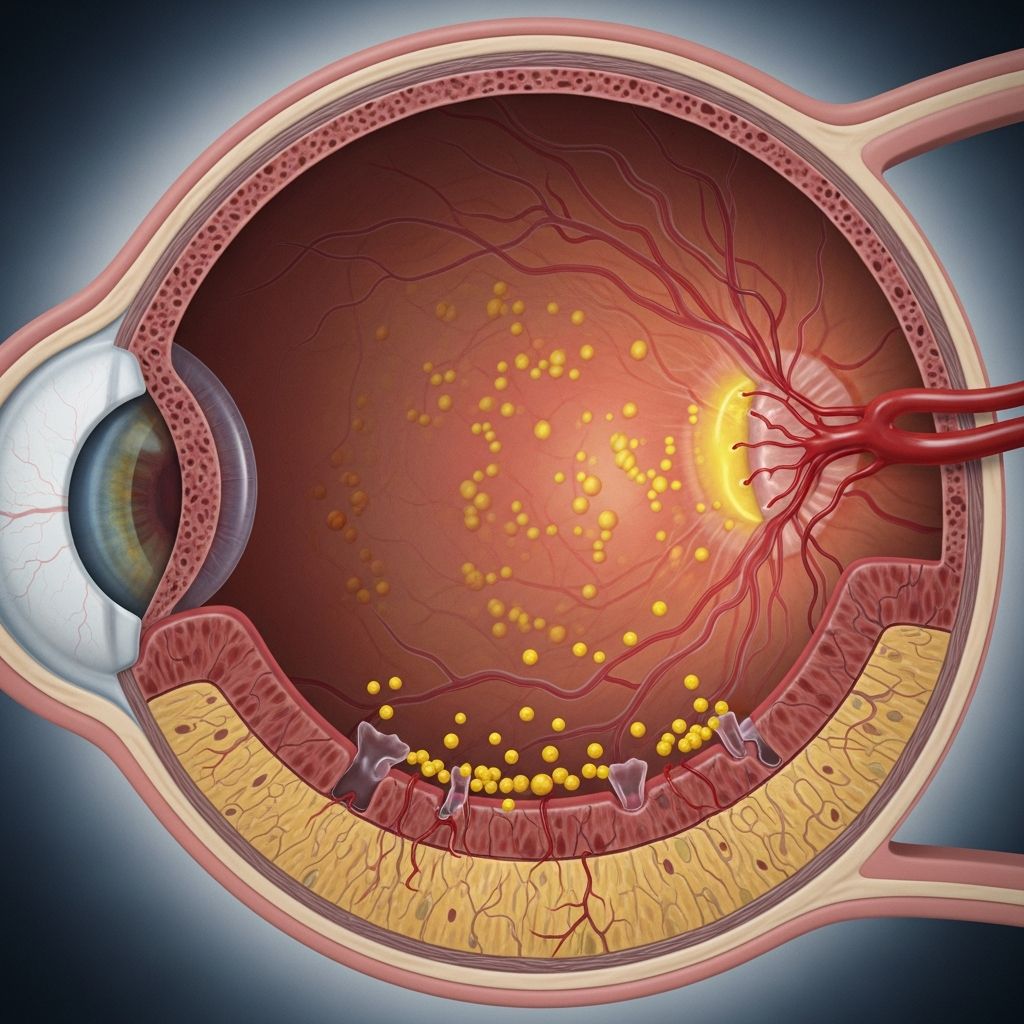
Age-related macular degeneration (AMD) is the leading cause of severe vision loss in people over 50, primarily affecting the macula, the central part of the retina responsible for sharp, detailed vision. Understanding its causes involves examining genetic predispositions, aging processes, and modifiable lifestyle factors like smoking and obesity, which accelerate the breakdown of macular tissue.
What Is Macular Degeneration?
Macular degeneration, or AMD, deteriorates the macula, leading to blurred or lost central vision while peripheral vision remains intact. It progresses through stages: early (medium drusen present, no symptoms), intermediate (large drusen, mild vision loss), and late (significant central vision impairment). The two main types are dry AMD, which involves gradual thinning of macular tissue and accounts for most cases, and wet AMD, where abnormal blood vessels leak fluid and cause rapid damage.
Dry AMD develops as light-sensitive cells (photoreceptors) in the macula break down over time, often starting in one eye and spreading to the other. Wet AMD, less common but more aggressive, emerges when dry AMD advances, prompting fragile new vessels to grow under the retina, leading to scarring and swift vision loss. Early detection via routine eye exams is crucial, as self-care can slow progression.
Symptoms of Macular Degeneration
Symptoms typically emerge gradually in dry AMD and more suddenly in wet AMD, including:
- Blurry or distorted central vision, where straight lines appear wavy.
- A dark or empty blind spot in the center of your visual field.
- Increased need for bright light for reading or close work.
- Difficulty adapting to low light or recognizing faces.
- Faded color perception and hazy overall vision.
In advanced stages, central vision loss can impair daily tasks like driving, reading, or cooking, though side vision persists. Visual hallucinations (Charles Bonnet syndrome) may occur with profound loss. Use an Amsler grid at home: stare at the center dot; wavy or missing lines signal potential issues.
Causes of Macular Degeneration
The exact cause of AMD remains unclear, but it stems from a mix of aging, genetics, and environmental triggers that damage the macula’s delicate cells. As eyes age, drusen—yellow deposits of waste material—accumulate under the retina. Small drusen are normal, but medium-to-large ones indicate early AMD, triggering photoreceptor death.
In dry AMD, the macula thins, losing cells vital for clear central vision; this slow process spans years. Wet AMD arises when hypoxia prompts angiogenesis—new, leaky vessels forming beneath the retina, causing fluid buildup, scarring, and rapid distortion. Oxidative stress from free radicals, poor diet, and inflammation exacerbate this cellular breakdown.
Risk Factors for Macular Degeneration
Several factors elevate AMD risk, many modifiable through lifestyle changes:
- Age: Primary risk; most cases occur after 50, risk rising sharply post-75.
- Genetics and Family History: Hereditary genes increase susceptibility; familial patterns are common.
- Race: More prevalent in Caucasians.
- Smoking: Doubles risk by promoting oxidative damage and vessel constriction.
- Obesity: Accelerates progression from early to late AMD via inflammation.
- Cardiovascular Disease: High blood pressure and heart issues impair retinal blood flow.
- Diet High in Saturated Fats: Lacks antioxidants, worsening drusen buildup.
- Gender: Slightly higher in females.
Related Stories



| Risk Factor | Impact Level | Modifiable? |
|---|---|---|
| Age | High | No |
| Smoking | High | Yes |
| Obesity | Medium-High | Yes |
| Genetics | High | No |
| Caucasian Race | Medium | No |
This table summarizes key risks, highlighting actionable ones like quitting smoking to halve odds.
How Is Macular Degeneration Diagnosed?
Diagnosis starts with a comprehensive dilated eye exam, where drops reveal retinal details. Providers check for drusen size, pigment changes, and macular thinning.
- Amsler Grid Test: Detects central distortions.
- Optical Coherence Tomography (OCT): High-res imaging of retinal layers for fluid or thinning.
- Fluorescein Angiography: Dye injection highlights leaky vessels in wet AMD.
Early stages may show no symptoms, underscoring annual screenings for those over 50 or at risk.
Treatments for Macular Degeneration
No cure exists, but interventions slow progression. For dry AMD:
- AREDS2 supplements (vitamins C/E, lutein, zeaxanthin, zinc) reduce advanced risk by 25% in intermediate cases.
- Lifestyle: Quit smoking, maintain healthy weight, eat leafy greens and fish for omega-3s.
Wet AMD treatments target abnormal vessels:
- Anti-VEGF Injections: Monthly shots (e.g., ranibizumab) block vessel growth, stabilizing vision in 90%.
- Laser Therapy/Photodynamic Therapy: Seals leaks, though less common now.
Manage comorbidities like hypertension to protect retinal health. Low-vision aids help adapt to impairment.
Prevention and Lifestyle Tips
Proactive steps can delay onset:
- Quit smoking immediately.
- Exercise regularly and control weight.
- Adopt a Mediterranean diet rich in antioxidants, fruits, vegetables, and fish.
- Wear UV-protective sunglasses.
- Monitor vision with Amsler grids monthly.
Control blood pressure and cholesterol to safeguard retinal circulation.
Complications of Macular Degeneration
Untreated progression risks depression, isolation, and Charles Bonnet hallucinations. Dry can convert to wet (10-15% cases), demanding urgent care to avert blindness. Central scotomas hinder independence, but rehab restores function.
Frequently Asked Questions (FAQs)
What causes macular degeneration?
A combination of aging, drusen buildup, genetics, smoking, obesity, and oxidative stress damages the macula.
Is macular degeneration hereditary?
Yes, family history and specific genes significantly raise risk.
Can you prevent macular degeneration?
Not fully, but quitting smoking, healthy diet, exercise, and UV protection slow progression.
How does dry differ from wet macular degeneration?
Dry is gradual thinning (common); wet involves leaky vessels and rapid loss (severe).
At what age does macular degeneration start?
Risk surges after 50, peaking over 75.
Can macular degeneration cause total blindness?
No, peripheral vision persists; central loss impairs detail tasks.
References
- Dry macular degeneration – Symptoms and causes — Mayo Clinic Staff. 2024-12-06. https://www.mayoclinic.org/diseases-conditions/dry-macular-degeneration/symptoms-causes/syc-20350375
- Understanding Age-Related Macular Degeneration: Symptoms, Causes & Treatments — Versant Health. N/A. https://versanthealth.com/blog/understanding-age-related-macular-degeneration-symptoms-causes-and-treatments/
Similar Articles








Read full bio of medha deb