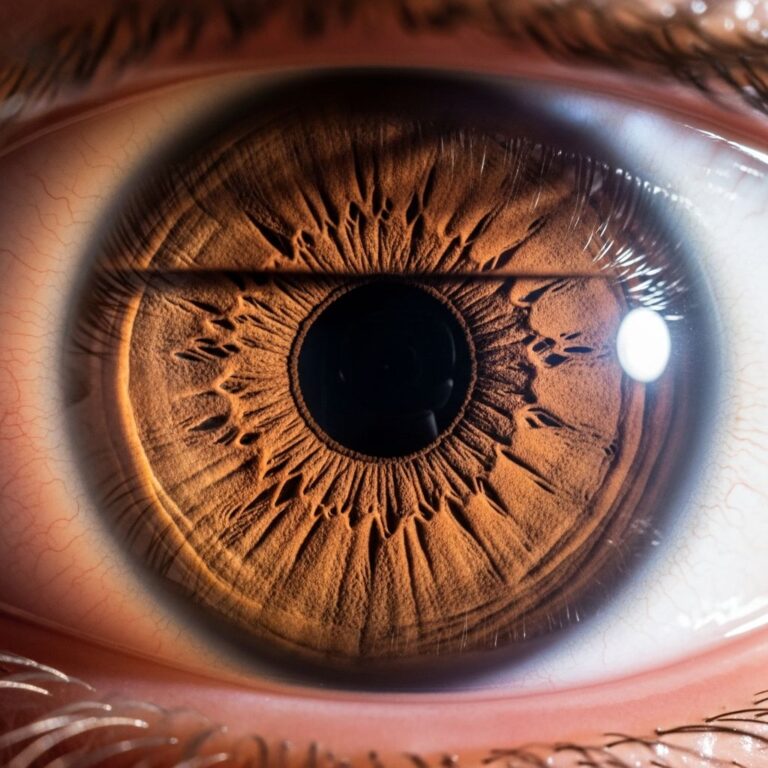
Macular Degeneration Guide To Symptoms, Causes & Treatment
Understand age-related macular degeneration (AMD): symptoms, causes, stages, treatments, and prevention strategies for this leading cause of vision loss in older adults.
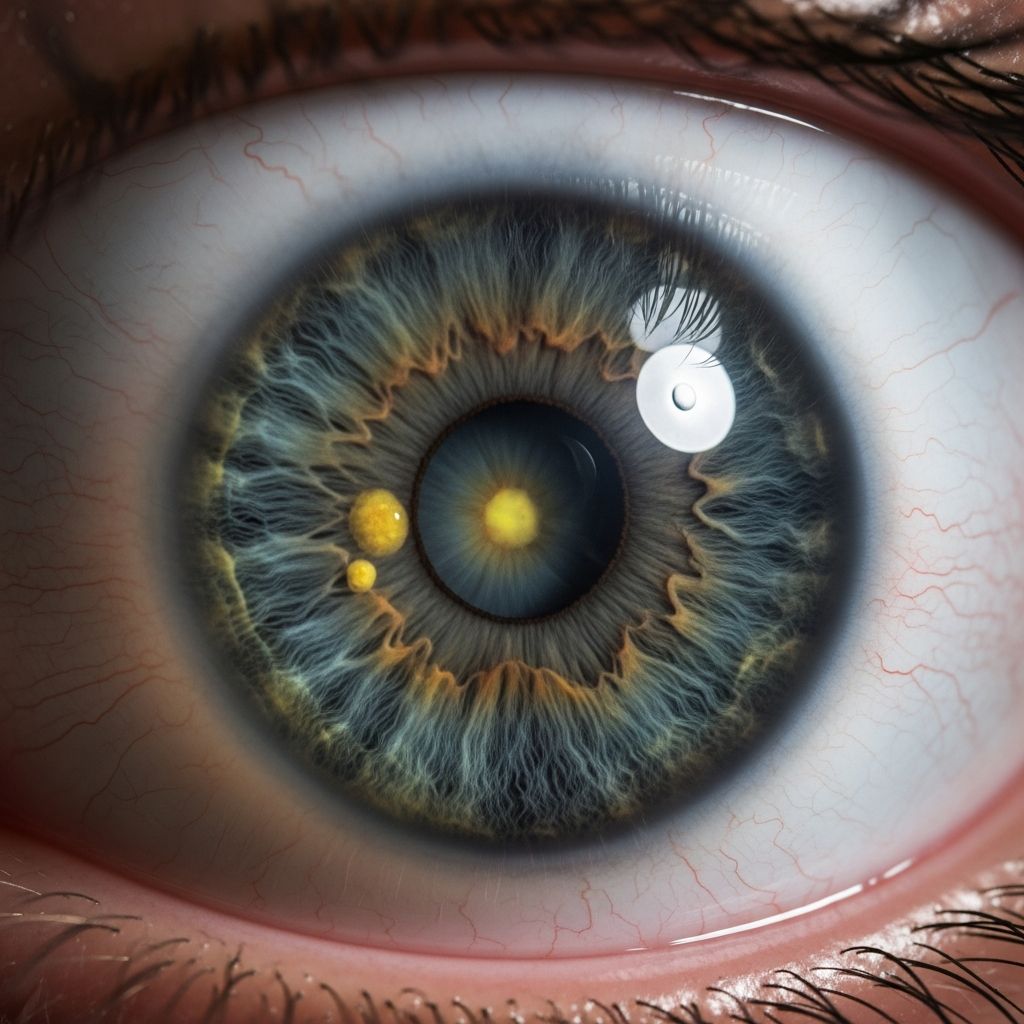
Age-related macular degeneration (AMD) is a leading cause of vision loss in older adults, primarily affecting central vision while sparing peripheral sight. This chronic eye condition impacts the macula, the central part of the retina responsible for sharp, detailed vision needed for reading, driving, and recognizing faces.
What Is Macular Degeneration?
Macular degeneration, often called age-related macular degeneration (AMD), is an eye disease that damages the macula—the small central area of the retina at the back of the eye. The retina converts light into electrical signals sent to the brain via the optic nerve, enabling vision. The macula provides the high-resolution central vision essential for everyday tasks.
AMD typically develops gradually and affects both eyes, though one may be more advanced. It does not cause complete blindness, as peripheral vision remains intact, but severe central vision loss can qualify as legal blindness and significantly impair quality of life.
Types of Macular Degeneration
There are two main types of AMD: dry (non-exudative) and wet (exudative). Dry AMD accounts for about 90% of cases and progresses slowly, while wet AMD, though less common (10%), causes faster vision deterioration.
- Dry AMD: Caused by the buildup of small yellow deposits called drusen under the macula. These deposits deprive retinal cells of oxygen and nutrients, leading to thinning and atrophy of the macula. Vision loss occurs gradually, and most people retain some central vision.
- Wet AMD: Develops when abnormal, fragile blood vessels grow under the retina (choroidal neovascularization). These vessels leak fluid and blood, causing rapid damage, scarring, and a bulge in the macula. It often arises from advanced dry AMD.
Symptoms of Macular Degeneration
Early AMD often has no symptoms, but as it advances, central vision deteriorates. Common signs include:
- Blurry or distorted central vision (straight lines appear wavy, known as metamorphopsia).
- Dark, blurry, or blank spots in the center of vision.
- Difficulty reading, recognizing faces, or seeing fine details.
- Colors appearing less vibrant (faded or washed out).
- Objects in the center of vision seeming smaller than they are (micropsia).
Peripheral vision remains unaffected, allowing navigation but complicating daily activities. In severe cases, legal blindness may occur, potentially leading to emotional challenges like depression or Charles Bonnet syndrome (visual hallucinations).
Self-testing with an Amsler grid—a square of parallel lines—can detect distortions: cover one eye and stare at the center; wavy or missing lines indicate possible AMD. Consult an eye doctor promptly if noticed.
Related Stories



Causes and Risk Factors
AMD results from a metabolic disorder in the retina, where waste products accumulate as drusen, impairing nutrient delivery. In dry AMD, this causes cell death; in wet AMD, it triggers leaky new blood vessel growth.
Key risk factors include:
| Risk Factor | Description |
|---|---|
| Age | Primary risk; rare under 50, affects 1 in 100 aged 65-75, up to 20 in 100 over 85. |
| Family History | Genetic predisposition increases risk if relatives have AMD. |
| Smoking | Doubles risk and causes earlier onset. |
| Race | Higher in Caucasians. |
| Other | High blood pressure, obesity, cardiovascular disease, light-colored eyes. |
Non-age-related forms may link to infections, high myopia, or trauma, but AMD is predominantly age-driven.
Diagnosis
Eye care providers diagnose AMD through a comprehensive dilated eye exam. Key tests include:
- Visual Acuity Test: Measures reading clarity with an eye chart.
- Dilated Fundus Exam: Drops widen pupils to view the retina for drusen, pigment changes, or neovascularization.
- Amsler Grid: Detects central vision distortions.
- Optical Coherence Tomography (OCT): Non-invasive imaging of retinal layers to measure thickness and fluid.
- Fluorescein Angiography: Dye injection highlights leaking vessels in wet AMD.
Early detection is crucial, as dry AMD stages may show no symptoms despite retinal changes.
Stages of Macular Degeneration
Dry AMD progresses through three stages:
- Early: Small drusen, no vision loss or pigment changes.
- Intermediate: Large drusen and/or pigment changes; mild vision issues possible.
- Late (Advanced): Significant atrophy (dry) or neovascularization (wet), causing notable vision loss.
Wet AMD is considered late-stage. Progression varies: small drusen has low risk (1-3% vision loss in 5 years), large drusen high (50%). Dry can convert to wet.
Treatment Options
No cure exists, but treatments manage progression:
- Dry AMD: AREDS2 nutritional supplements (vitamins C/E, lutein, zeaxanthin, zinc, copper) slow intermediate/advanced dry AMD by 25%. Lifestyle changes aid prevention.
- Wet AMD: Anti-VEGF injections (e.g., aflibercept, ranibizumab) into the eye every 4-12 weeks block vessel growth, stabilizing or improving vision in most cases. Laser therapy or photodynamic therapy for select cases.
Low-vision aids like magnifiers, high-contrast lighting, and anti-glare filters help manage symptoms. Support services address emotional impacts.
Prevention and Lifestyle Tips
While not fully preventable, risk reduction strategies include:
- Quit smoking.
- Eat leafy greens, fish (omega-3s), and colorful produce.
- Maintain healthy weight, blood pressure, and cholesterol.
- Protect eyes with UV-blocking sunglasses.
- Exercise regularly and manage diabetes/hypertension.
Regular eye exams for those over 50 or at risk enable early intervention.
Prognosis and Living with AMD
Prognosis varies: dry AMD progresses slowly, wet rapidly without treatment. Most retain navigation ability, but central loss affects independence. Early treatment preserves function; advanced cases may need rehab.
Prevalence: Nearly 20 million U.S. adults; projected 288 million globally by 2040. Leading vision loss cause in those 60+.
Frequently Asked Questions (FAQs)
Does macular degeneration cause total blindness?
No, peripheral vision remains, but severe central loss can meet legal blindness criteria.
Can dry AMD turn into wet AMD?
Yes, about 10-15% of dry cases progress to wet.
At what age does AMD typically start?
Usually after 50, increasing sharply after 65.
Are there home remedies for AMD?
No substitutes for medical treatment, but AREDS2 supplements and healthy diet may help slow dry AMD.
How often should I get eye exams if at risk?
Annually after age 65, or sooner with risk factors.
References
- Age-related macular degeneration (AMD) — InformedHealth.org, NCBI Bookshelf, National Institutes of Health (NIH). 2023 (last update). https://www.ncbi.nlm.nih.gov/books/NBK315804/
- Macular Degeneration: Symptoms, Diagnosis & Treatment — Cleveland Clinic. 2023-02-14. https://my.clevelandclinic.org/health/diseases/15246-macular-degeneration
Similar Articles








Read full bio of medha deb