Macular Degeneration Symptoms: 5 Early Warning Signs To Watch
Recognize the early warning signs of macular degeneration and learn how to protect your vision before it's too late.
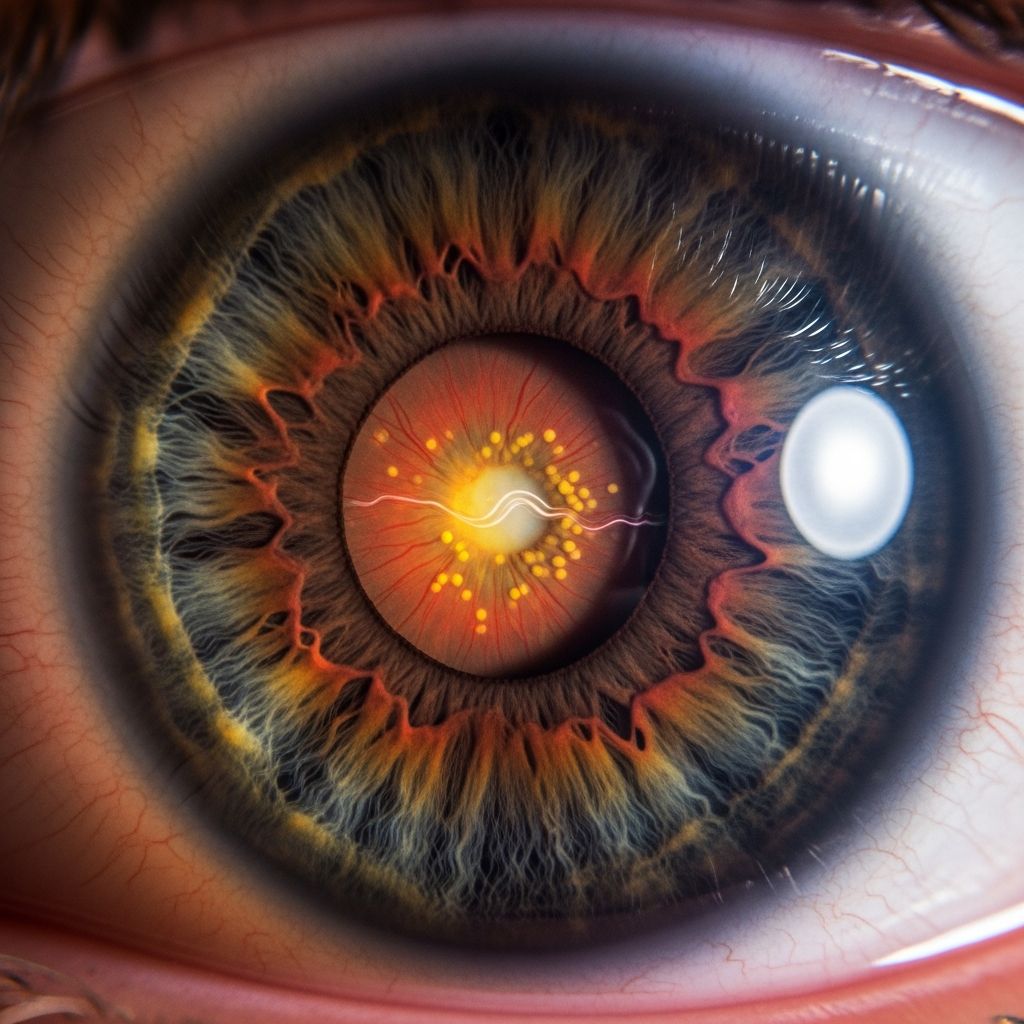
The macula, the central part of the retina responsible for sharp, detailed vision, is progressively damaged in
macular degeneration
, also known as age-related macular degeneration (AMD). This condition is the leading cause of vision loss among adults over 60 in the U.S., affecting approximately 1 in 10 Americans over age 50. Early detection through regular eye exams is crucial, as symptoms often develop gradually and can significantly impact daily activities like reading, driving, and recognizing faces.What Is Macular Degeneration?
**Macular degeneration** occurs when the macula deteriorates, leading to blurred or lost central vision while peripheral vision remains intact. It primarily affects people over 50, with risk increasing with age. The disease damages the retina’s central area, which is essential for tasks requiring fine visual acuity.
In the early stages, small yellow deposits called
drusen
accumulate under the retina. These lipid and protein buildups cause retinal swelling and bending, impairing central vision. As AMD advances, particularly in the wet form, abnormal blood vessels can grow into the eye, leaking fluid and blood, which accelerates vision loss.AMD does not cause complete blindness but can make everyday tasks challenging. Understanding its progression helps in managing expectations and pursuing timely interventions.
Types of Macular Degeneration
There are two main types:
dry AMD
(also called non-exudative or atrophic) andwet AMD
(neovascular or exudative). Distinguishing between them is vital for treatment planning.- Dry AMD: The most common form, accounting for about 85-90% of cases. It involves drusen buildup and gradual thinning of the macula. Early dry AMD may have no symptoms, but intermediate and late stages cause noticeable vision changes. Around 10-15% of dry cases progress to wet AMD.
- Wet AMD: Less common but more severe, responsible for 90% of severe vision loss from AMD. It features abnormal blood vessel growth beneath the retina, leading to rapid leakage, scarring, and central vision deterioration.
Eye specialists grade dry AMD using retinal scans: early (few small drusen), intermediate (more drusen and pigment changes), and late (geographic atrophy or wet conversion).
Macular Degeneration Symptoms: Early Warning Signs
Symptoms typically emerge after age 60 and worsen over time. Central vision is affected first, sparing side vision. Common signs include:
- Blurred or fuzzy central vision, making it hard to read fine print or see details.
- Difficulty recognizing faces or colors in the center of your field of vision.
- Straight lines appearing wavy or distorted (metamorphopsia), especially in wet AMD.
- A dark or empty gray area in the center of vision, like a blind spot.
- Need for brighter light to read or slower dark adaptation (drusen-related).
In dry AMD, changes are subtle and slow; patients might notice missing words while reading or obscured road signs while driving. Wet AMD brings sudden symptoms: rapid vision decline, bent lines on grid tests (Amsler grid), or central scotomas.
Self-test with an Amsler grid: Cover one eye, stare at the center dot, and check if lines are straight and uniform. Waviness or missing areas warrant immediate professional evaluation.
Risk Factors for Macular Degeneration
Several factors increase susceptibility:
| Risk Factor | Description |
|---|---|
| Age | Primary risk; prevalence rises sharply after 60. |
| Family History | Genetic predisposition; first-degree relatives have higher risk. |
| Smoking | Doubles risk by damaging retinal blood vessels. |
| Obesity/High BMI | Promotes inflammation and vascular issues. |
| Hypertension | Strains retinal circulation. |
| Caucasian Race | Higher incidence in white populations. |
| UV Exposure | Chronic sunlight without protection accelerates damage. |
Related Stories



Lifestyle modifications can mitigate many modifiable risks.
Stages of Macular Degeneration
AMD progresses through distinct stages:
- Early Stage: Small drusen (<63 microns); no symptoms, detected only via exam.
- Intermediate Stage: Medium/large drusen (>125 microns), pigment changes; mild blurriness.
- Late Stage (Dry): Geographic atrophy; extensive central vision loss.
- Late Stage (Wet): Neovascularization; sudden, severe decline.
Regular monitoring tracks progression and guides interventions.
How Is Macular Degeneration Diagnosed?
Diagnosis begins with a comprehensive dilated eye exam:
- Visual Acuity Test: Measures sharpness with an eye chart.
- Dilated Fundus Exam: Reveals drusen, atrophy, or neovascularization.
- Amsler Grid: Detects distortion.
- Optical Coherence Tomography (OCT): High-res cross-sections of retina layers.
- Fluorescein Angiography: Dye highlights leaking vessels in wet AMD.
Annual exams for those over 50, or sooner with risk factors/symptoms, are recommended.
Prevention and Slowing Progression
No cure exists for dry AMD, but lifestyle slows advancement:
- Eat nutrient-rich foods: dark leafy greens (lutein/zeaxanthin), fatty fish (omega-3s), nuts (antioxidants).
- Avoid smoking; quit with professional support.
- Maintain healthy weight and blood pressure via exercise and diet.
- Wear UV-protective sunglasses.
- Get regular eye exams.
Supplements like AREDS2 (vitamins C/E, zinc, copper, lutein, zeaxanthin) benefit intermediate dry AMD, reducing progression risk by 25% per studies.
Treatments for Macular Degeneration
Treatments target types and stages:
- Dry AMD: AREDS2 formula vitamins for moderate cases; no proven therapy for early or advanced dry.
- Wet AMD: Anti-VEGF injections (e.g., aflibercept, ranibizumab) into the eye every 4-12 weeks regress abnormal vessels, stabilizing or improving vision in 90% of cases.
Emerging therapies include gene therapy and sustained-release implants. Photodynamic therapy is less common now. Always consult a retina specialist.
Living with Macular Degeneration
Adaptations enhance quality of life:
- Use magnifiers, high-contrast lighting, large-print materials.
- Low-vision rehab teaches coping strategies.
- Assistive tech: screen readers, voice commands.
- Join support groups like those from the American Macular Degeneration Foundation.
Emotional support addresses anxiety/depression from vision changes.
Frequently Asked Questions (FAQs)
Can macular degeneration be cured?
No, but early intervention slows progression and treatments like injections manage wet AMD effectively.
At what age should I start eye exams for AMD?
Adults over 50 should have annual comprehensive exams, especially with risk factors.
Does diet really help prevent macular degeneration?
Yes, diets high in leafy greens, fish, and nuts provide protective nutrients like lutein and omega-3s.
What is an Amsler grid, and how do I use it?
A grid for self-testing distortion: Stare at center with one eye covered; wavy/missing lines signal issues.
Is wet macular degeneration reversible?
Not fully, but anti-VEGF therapy can stabilize or partially restore vision if caught early.
References
- Macular degeneration stages, symptoms, and when to get an eye exam — UC Davis Health. 2024-06. https://health.ucdavis.edu/blog/cultivating-health/macular-degeneration-stages-symptoms-and-when-to-get-an-eye-exam/2024/06
- Age-Related Macular Degeneration (AMD) — National Eye Institute (NEI), NIH. 2023-10-05. https://www.nei.nih.gov/learn-about-eye-health/eye-conditions-and-diseases/age-related-macular-degeneration
- Age-related macular degeneration — Centers for Disease Control and Prevention (CDC). 2024-02-15. https://www.cdc.gov/visionhealth/basics/ced/fastfacts.html
- AREDS/AREDS2 Frequently Asked Questions — National Eye Institute (NEI), NIH. 2022-11-22. https://www.nei.nih.gov/research/clinical-trials/age-related-eye-disease-studies-aredsareds2/aredsareds2-frequently-asked-questions
- Macular Degeneration — American Academy of Ophthalmology. 2025-01-10. https://www.aao.org/eye-health/diseases/amd-macular-degeneration
Similar Articles








Read full bio of Sneha Tete