Macular Edema: A Comprehensive Guide To Symptoms And Treatment
Discover the causes, symptoms, diagnosis, and latest treatments for macular edema to safeguard your central vision effectively.
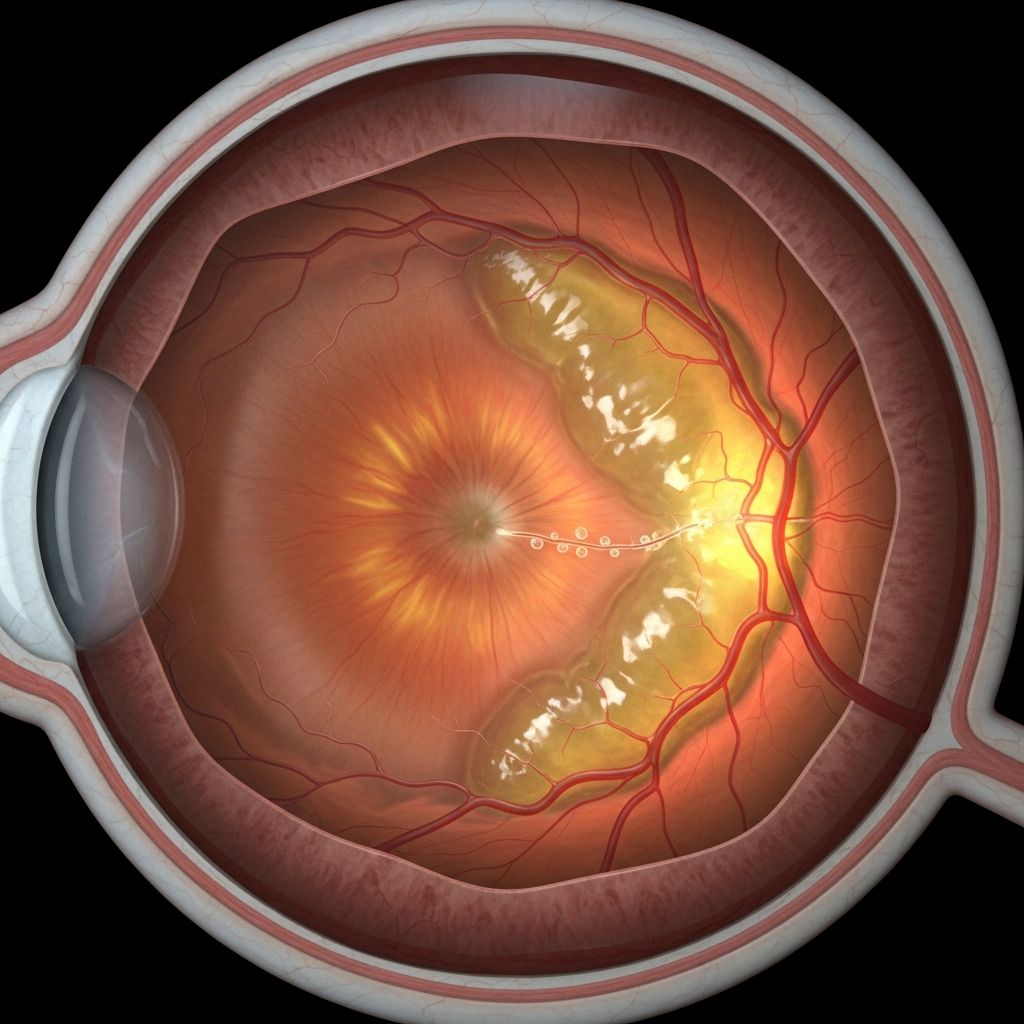
Macular edema involves fluid accumulation in the macula, the retina’s central region responsible for sharp, detailed vision. This swelling disrupts normal sight, often causing blurriness or distortion that can progress to permanent damage if not addressed promptly.
The Retina and Macula’s Vital Role
The retina lines the eye’s back wall, converting light into neural signals for the brain to interpret as images. At its center lies the macula, a small area packed with photoreceptors that enable reading, driving, and facial recognition. When fluid leaks from faulty blood vessels into this delicate zone, tissues thicken and separate, impairing light focus and clarity.
This condition frequently stems from vascular issues where capillaries become permeable, akin to a lawn overwhelmed by heavy rain forming puddles. Unlike peripheral retina problems, macular involvement directly threatens everyday visual tasks.
Primary Triggers of Macular Swelling
Multiple factors can provoke this fluid buildup, often linked to systemic or ocular diseases. Key contributors include:
- Diabetes: High blood sugar damages retinal vessels over time, leading to diabetic macular edema (DME), a leading blindness cause in working-age adults.
- Retinal Vein Occlusion: Blocked veins cause backup pressure, forcing fluid into the macula.
- Inflammation (Uveitis): Immune responses inflame eye tissues, breaking down fluid barriers.
- Post-Surgical Effects: Cataract or other procedures can temporarily trigger swelling.
- Age-Related Macular Degeneration (Wet AMD): Abnormal vessel growth leaks fluid beneath the retina.
- Genetic Conditions: Diseases like retinitis pigmentosa may contribute.
- Hypertension or Trauma: Elevated pressure or injury exacerbates vessel fragility.
Addressing the root cause is crucial, as idiopathic cases also occur but are less common.
Recognizing Early Warning Signs
Symptoms often develop gradually, making routine exams essential, especially for at-risk groups. Common indicators are:
- Central vision blur, like viewing through fogged glass.
- Distorted straight lines appearing wavy (metamorphopsia).
- Colors seeming faded or washed out.
- Dark or blank spots in the visual field center.
- Trouble with fine details, such as reading small print.
These signs worsen without intervention, potentially leading to irreversible loss. Mild changes warrant immediate specialist consultation.
Comprehensive Diagnostic Approaches
Retina specialists employ advanced tools for precise evaluation. Initial steps include:
- Visual Acuity Testing: Measures clarity at various distances.
- Dilated Fundus Exam: Reveals swelling and vessel irregularities under magnification.
- Optical Coherence Tomography (OCT): Provides cross-sectional retina scans, quantifying fluid pockets noninvasively.
- Fluorescein Angiography: Dye injection highlights leaks in blood vessels.
These confirm edema extent and underlying pathology, guiding tailored therapy.
Modern Treatment Strategies
Therapies target leakage reduction, inflammation control, and cause management. Options vary by etiology:
| Condition | Primary Treatments | Mechanism |
|---|---|---|
| Diabetic Macular Edema | Intravitreal anti-VEGF injections (e.g., ranibizumab, aflibercept) | Block vessel growth factors, stabilizing leaks. |
| Vein Occlusion | Anti-VEGF or steroids like Ozurdex | Reduce fluid buildup and pressure. |
| Inflammatory/Uveitis | Steroid implants, NSAID drops | Suppress immune-driven swelling. |
| Post-Surgical | NSAID drops, short-term steroids | Prevent or resolve temporary inflammation. |
| Genetic/Other | Dorzolamide drops, acetazolamide | Pump excess fluid from retina. |
Related Stories



Injections, delivered in-office, form the cornerstone for many cases, often yielding vision improvements within weeks. Laser photocoagulation seals leaky vessels selectively, while vitrectomy surgery removes vitreous traction in complex scenarios.
Combination approaches optimize outcomes; regular monitoring adjusts regimens.
Preventive Measures and Lifestyle Adjustments
Proactive steps mitigate risk, particularly for diabetics:
- Maintain blood sugar, pressure, and cholesterol via diet, exercise, meds.
- Quit smoking to preserve vessel integrity.
- Attend annual dilated eye exams.
- Shield eyes from UV and injury with protective gear.
Early diabetes management halves DME risk, underscoring holistic care.
Prognosis and Long-Term Outlook
With timely intervention, many regain substantial vision. Untreated chronic edema scars the macula, causing enduring deficits. Factors influencing recovery include edema duration, cause, and promptness of care. Ongoing therapy sustains gains, with anti-VEGF often required monthly initially.
Patient adherence and specialist follow-up predict success. Emerging therapies promise further advances.
Frequently Asked Questions (FAQs)
Is macular edema painful?
No, it typically causes no discomfort, only visual changes.
Can it affect one or both eyes?
Commonly bilateral in diabetes, unilateral in vein occlusion.
How often are injections needed?
Initially monthly, tapering based on response.
Does laser treatment hurt?
Minimal discomfort; brief flashes during procedure.
Can diet reverse macular edema?
Not directly, but healthy eating aids diabetes control.
Consult a retina expert for personalized guidance. Early detection preserves sight effectively.
References
- Macular Edema Symptoms and Treatment — Louisiana Retina. 2023. https://louisianaretina.com/macular-edema-symptoms-and-treatment/
- Macular Edema – Patients — American Society of Retina Specialists. 2024. https://www.asrs.org/patients/retinal-diseases/20/macular-edema
- Spotlight on Macular Edema: Causes, Symptoms, and Treatment Options — Retina Consultants Texas. 2023. https://www.retinaconsultantstexas.com/blog/spotlight-on-macular-edema-causes-symptoms-and-treatment-options
- Macular Edema Minneapolis — Minnesota Retina Associates. 2024. https://www.minnretina.com/macular-edema/
- Macular oedema — Macular Society. 2023. https://www.macularsociety.org/macular-disease/macular-conditions/macular-oedema/
- Macular Edema Treatment for Swelling and Fluid in the Macula — New Mexico Retina. 2024. https://nmretina.com/macular-edema-treatment-in-albuquerque/
Similar Articles








Read full bio of Sneha Tete