Maculopapular Cutaneous Mastocytosis: 4 Clinical Variants
Understanding MCM: Clinical features, diagnosis, and evidence-based treatment approaches.
Maculopapular Cutaneous Mastocytosis
Maculopapular cutaneous mastocytosis (MCM), also known as urticaria pigmentosa, is a form of cutaneous mastocytosis characterized by the abnormal accumulation of mast cells in the skin. This condition presents with multiple hyperpigmented lesions and affects individuals across all age groups, though onset most commonly occurs during infancy or childhood. MCM represents the most common form of cutaneous mastocytosis, accounting for approximately 70% of childhood cases, and generally carries an excellent prognosis with lesions typically confined to the skin.
Definition and Classification
Maculopapular cutaneous mastocytosis is classified as a form of cutaneous mastocytosis, a disorder in which mast cells abnormally accumulate in skin tissue. Unlike systemic mastocytosis, which affects multiple organs, cutaneous mastocytosis remains localized to the skin in most cases, particularly in pediatric patients. The condition results from clonal proliferation of mast cells, driven primarily by genetic mutations such as those in the KIT gene, though these mutations play a more subordinate role in pediatric cases compared to adults.
Historically, several clinical variants of MCM were recognized and described separately, including the plaque form, typical form, telangiectatic form, and nodular form. However, modern classification systems now group all these variants under the single entity of maculopapular cutaneous mastocytosis, recognizing their shared pathophysiology and similar clinical course.
Clinical Presentation and Variants
The clinical appearance of MCM varies significantly among affected individuals, resulting in several recognized presentations:
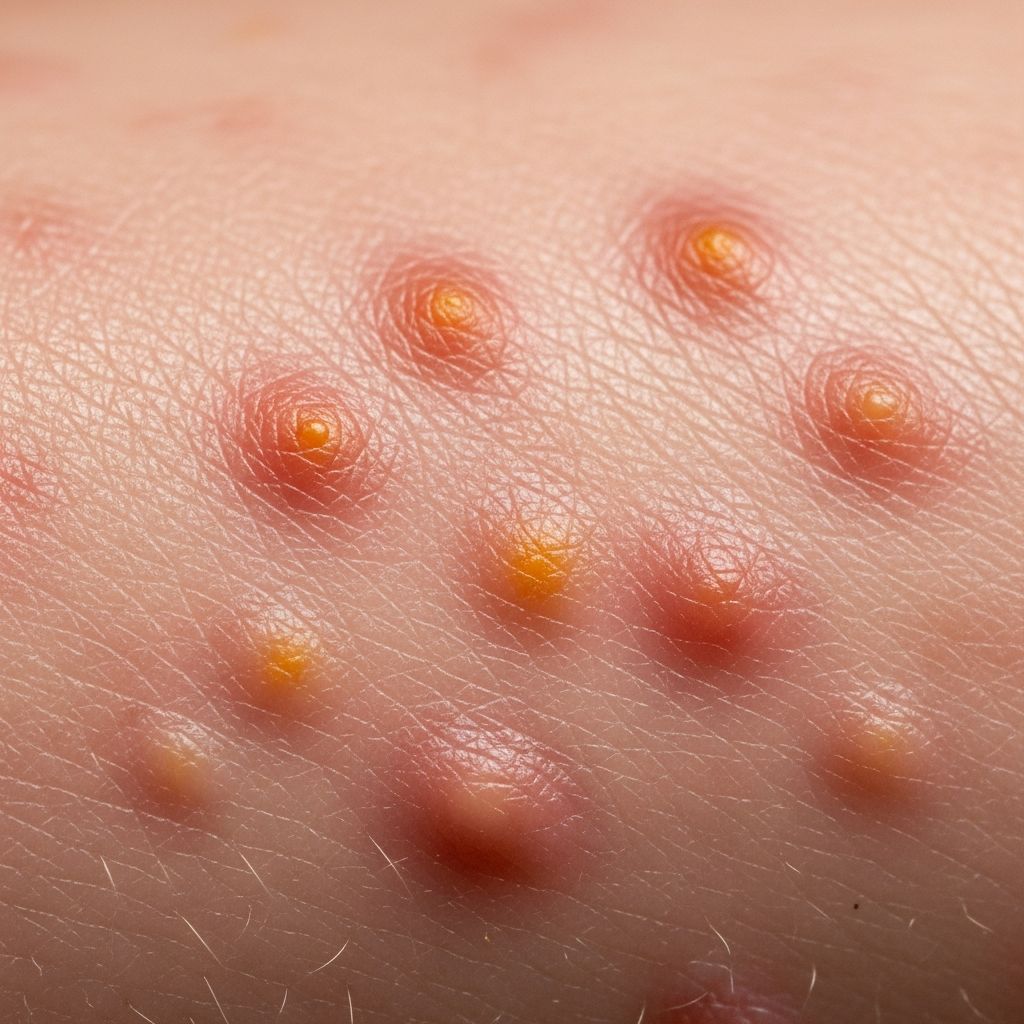
- Plaque or Papular Form: This variant typically presents with orange or yellow papules and plaques that often appear during the first few months of life. The lesions are discrete and well-demarcated.
- Typical or Classic Form: The most common presentation features widespread, symmetrical distribution of round or oval red-brown macules across the body surface.
- Telangiectatic Form: Also known as telangiectasia macularis eruptiva perstans (TMEP), this is a disputed and rare variant occurring primarily in adults. It is characterized by red-brown telangiectatic macules, representing a unique clinical presentation of mast cell disease.
- Nodular Form: The rarest variant, nodular MCM presents with larger nodular lesions rather than macules or papules.
Lesion Characteristics and Distribution
The size and number of lesions in MCM vary considerably between patients. Lesions typically range from 1 mm to over 1 centimeter in diameter, with the total number varying from approximately 10 to 1,000 or more lesions. While MCM may appear on virtually all regions of the body, the trunk and extremities represent the most frequently involved sites. Notably, the palms, soles, and facial areas are usually spared, though mucous membranes may occasionally be affected. The initial lesions typically emerge on the trunk and spread symmetrically and centripetally across the body.
Individual lesions may present as tan to red-brown macules that remain small and freckle-like, or they may evolve into papules, nodules, or plaques over time. This variable presentation contributes to the diverse clinical appearances observed in MCM patients.
Associated Features
Beyond the characteristic skin lesions, MCM exhibits several important clinical features that aid in diagnosis and clinical recognition:
- Darier’s Sign: Mechanical manipulation of lesions, such as stroking or scratching with a wooden spatula, produces swelling and erythema within minutes. This pathognomonic sign results from localized mast cell degranulation.
- Dermographism: Linear whealing occurs in response to firm stroking of uninvolved skin, reflecting heightened skin reactivity to mechanical stimuli.
- Pruritus: Itching is a common symptom, particularly when lesions are irritated or manipulated.
Triggers and Systemic Symptoms
While cutaneous manifestations dominate MCM, systemic symptoms can occur with mast cell activation triggered by specific factors. Extensive mechanical manipulation of lesions represents the most direct trigger, but numerous other factors can provoke mast cell degranulation and systemic symptoms:
Related Stories



- Non-steroidal anti-inflammatory drugs (NSAIDs)
- Physical stimuli including heat, cold, exercise, and pressure
- Emotional stress and psychological triggers
- Insect venom and stings
- Certain foods, particularly those high in histamine
- Spicy foods and alcohol
- Certain medications including aspirin, narcotics, and muscle relaxants
When these triggers activate mast cells, they release inflammatory mediators including histamine, leukotrienes, and prostaglandins. This release can precipitate systemic symptoms such as flushing, headache, dyspnea, wheezing, rhinorrhea, nausea, vomiting, diarrhea, and syncope. In rare cases, extensive mast cell activation can trigger life-threatening anaphylactic reactions, though this risk is generally lower in uncomplicated polymorphic MCM of moderate severity compared to diffuse cutaneous mastocytosis.
Pathophysiology
Mast cells originate from bone marrow progenitor cells and normally distribute throughout connective tissues, concentrating in areas around peripheral nerves and adjacent to blood and lymphatic vessels. In MCM, excessive mast cell proliferation results from clonal expansion, primarily driven by genetic aberrations. The KIT gene mutation represents the most significant identified genetic factor, though the relative importance of KIT mutations differs between pediatric and adult patients.
When mast cells are activated by IgE or other stimuli, they release preformed inflammatory mediators stored in their granules. These mediators initiate leukocyte-cytokine cascades that contribute to acute and delayed hypersensitivity reactions, producing the characteristic clinical manifestations of MCM. Histamine release causes itching, tissue edema, and vasodilation, while eicosanoids and other mediators contribute to additional symptoms including gastrointestinal dysfunction and cardiovascular effects.
Diagnosis
The diagnosis of MCM is usually straightforward based on clinical presentation alone. The characteristic appearance of hyperpigmented macules, papules, or plaques combined with the pathognomonic Darier’s sign typically provides sufficient diagnostic information. However, skin biopsy may be performed to confirm the diagnosis histologically, demonstrating abnormal mast cell accumulation in the dermis on hematoxylin-eosin staining, with special stains such as toluidine blue or CD117 immunohistochemistry highlighting mast cells.
Despite the typical clinical presentation, misdiagnosis remains possible. MCM has been incorrectly diagnosed as chronic urticaria or idiopathic anaphylaxis in some cases. Clinicians should maintain high suspicion for MCM when encountering patients with persistent skin lesions consistent with the condition and should elicit a detailed history of triggers for systemic symptoms.
Management Approach
Management of MCM focuses on trigger avoidance and symptomatic management of both cutaneous and systemic manifestations. A comprehensive treatment strategy typically incorporates multiple therapeutic modalities:
Trigger Avoidance
The foundation of MCM management involves identifying and avoiding known triggers specific to each patient. Patients should receive detailed counseling regarding triggers including mechanical irritation of lesions, NSAIDs, emotional stress, extreme temperatures, and foods known to worsen their condition.
Pharmacological Treatment
Symptomatic management relies primarily on pharmacological interventions targeting mast cell-derived mediators and their effects:
- Antihistamines: Both first-generation (sedating) and second-generation (non-sedating) H1 antihistamines effectively reduce pruritus and cutaneous symptoms. H2 antihistamines may be added to suppress gastric acid hypersecretion if gastrointestinal symptoms occur.
- Topical Corticosteroids: These agents reduce inflammation and pruritus in affected skin areas and can be particularly useful for localized disease.
- Mast Cell Membrane Stabilizers: Agents such as cromolyn sodium help stabilize mast cell membranes and reduce degranulation, particularly useful for preventing systemic symptoms.
Phototherapy
For adolescents and adults who do not respond adequately to other treatment modalities, phototherapy represents an effective alternative. PUVA (psoralen plus ultraviolet A) therapy and UVA1 phototherapy have demonstrated efficacy in reducing the extent of skin involvement and associated symptoms.
Prognosis and Clinical Course
The prognosis of MCM varies based on age of onset and disease extent. In pediatric patients with MCM confined to the skin, the prognosis is generally excellent. Many children experience significant improvement or complete resolution of lesions during adolescence and adulthood, though some lesions may persist. The risk of progression to systemic mastocytosis remains low in uncomplicated pediatric cutaneous mastocytosis, particularly in those without risk factors such as increased serum tryptase levels or diffuse skin involvement.
In adults presenting with skin lesions typical for mastocytosis, systemic disease may ultimately be identified through appropriate diagnostic evaluation, necessitating additional monitoring and management strategies.
Differential Diagnosis
Several conditions may mimic MCM clinically and should be considered in the differential diagnosis:
- Chronic urticaria: Although urticarial lesions appear similar, they lack the persistent hyperpigmented nature of MCM lesions and do not demonstrate Darier’s sign.
- Idiopathic anaphylaxis: The recurrent episodes of systemic symptoms in MCM may be initially attributed to idiopathic anaphylaxis before cutaneous manifestations are recognized.
- Diffuse cutaneous mastocytosis: This rare variant presents with diffusely thickened, rough-textured skin without discrete individual lesions.
- Lichen nitidus and other papular dermatoses: These conditions may be considered based on lesion morphology alone, but lack the characteristic Darier’s sign.
Patient Education and Lifestyle Management
Comprehensive patient education forms an essential component of MCM management. Patients should receive detailed information regarding:
- Identification of personal triggers and strategies for avoidance
- Safe medication alternatives avoiding NSAIDs and other triggering agents
- Techniques to minimize mechanical irritation of skin lesions
- Recognition of symptoms indicating mast cell activation requiring medical attention
- Development of an emergency action plan for potential anaphylaxis
- Importance of maintaining medical documentation of the diagnosis for healthcare providers
Frequently Asked Questions
Q: Is maculopapular cutaneous mastocytosis hereditary?
A: No. MCM results from somatic genetic mutations that occur in skin cells only. These mutations are not present in reproductive cells and therefore are not inherited from parents or passed to children.
Q: Can MCM progress to systemic mastocytosis?
A: In pediatric patients with MCM confined to the skin, progression to systemic disease is uncommon, particularly in uncomplicated cases without risk factors. However, in some adults presenting with cutaneous mastocytosis, systemic involvement may ultimately be identified.
Q: How is Darier’s sign performed safely?
A: While Darier’s sign is diagnostically valuable, it should be performed cautiously, particularly in young infants and those with extensive skin involvement or suspected diffuse disease, as vigorous manipulation can trigger significant mast cell activation and systemic symptoms including hypotension.
Q: What medications should be avoided in MCM?
A: Patients should avoid NSAIDs, aspirin, certain narcotics, muscle relaxants, and radiocontrast materials. Alternative analgesics such as acetaminophen are typically safe. Patients should maintain an updated list of triggering medications for all healthcare providers.
Q: Will MCM lesions resolve spontaneously?
A: Many pediatric patients experience significant improvement or resolution of lesions during adolescence and early adulthood. However, some lesions may persist. Adult-onset MCM tends to be more persistent, though individual variations exist.
References
- Maculopapular cutaneous mastocytosis — Orphanet (European Organization for Rare Diseases). 2024. https://www.orpha.net/en/disease/detail/79457
- Mastocytosis – Symptoms, Causes, Treatment — National Organization for Rare Disorders (NORD). 2024. https://rarediseases.org/rare-diseases/mastocytosis/
- Cutaneous and Systemic Manifestations of Mastocytosis — American Academy of Family Physicians. 1999. https://www.aafp.org/pubs/afp/issues/1999/0601/p3047.html
- Mastocytosis — National Health Service (NHS). 2024. https://www.nhs.uk/conditions/mastocytosis/
- Cutaneous mastocytosis in childhood — PubMed Central, National Institutes of Health. 2023. https://pmc.ncbi.nlm.nih.gov/articles/PMC8750954/
- Mastocytosis — Cancer Support Community. 2024. https://www.cancersupportcommunity.org/mastocytosis
Similar Articles








Read full bio of medha deb