Madarosis: Causes, Diagnosis, And Treatment Guide
Understanding eyebrow and eyelash loss: causes, diagnosis, and treatment options.
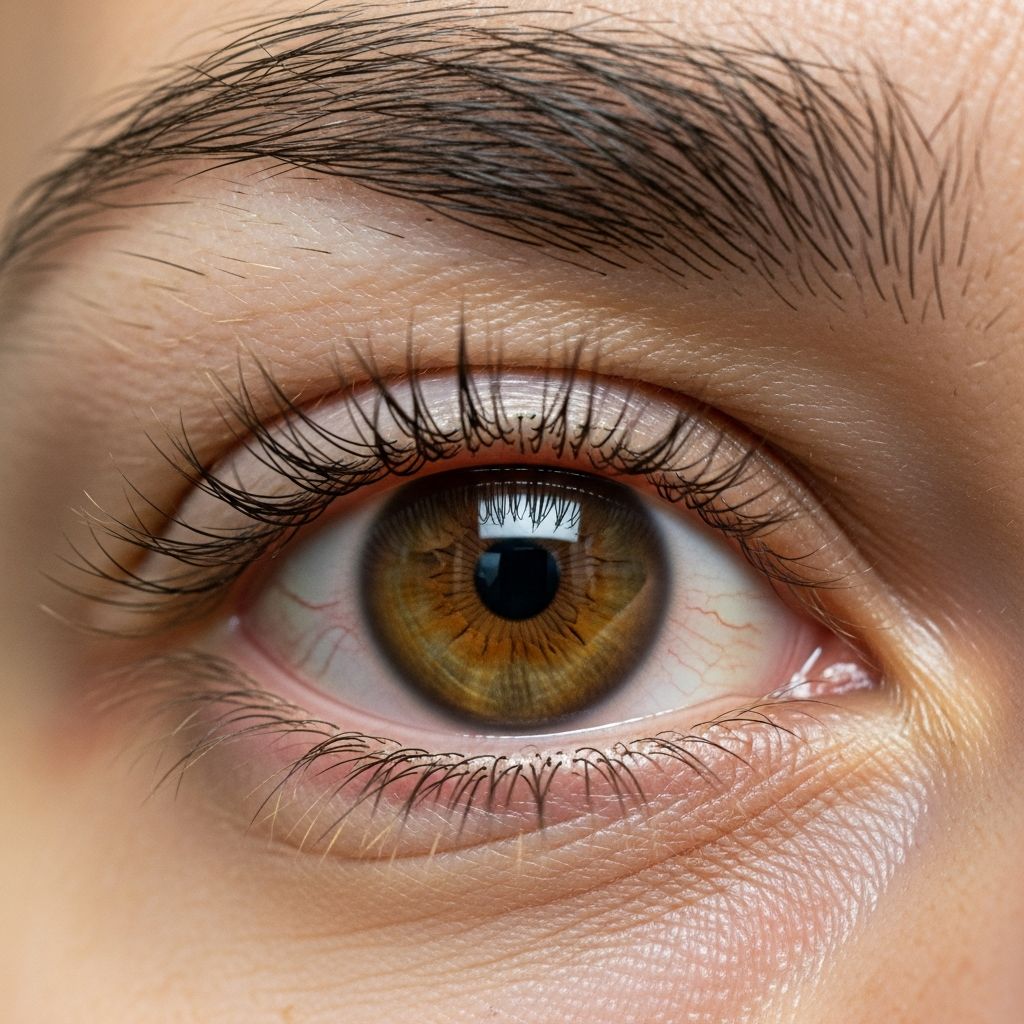
What Is Madarosis?
Madarosis is a medical condition characterized by the loss of eyebrows, eyelashes, or both. The term is derived from the Greek word meaning “baldness” and specifically refers to hair loss affecting the eyelids and brow areas. Unlike casual hair shedding, which is a normal part of the hair growth cycle, madarosis represents abnormal or excessive hair loss that may indicate an underlying health issue. When specifically referring to eyelash loss alone, the condition is called ciliary madarosis or milphosis.
While losing a few lashes or eyebrow hairs here and there is completely normal, if you notice your lashes are thinning significantly or coming out in clumps, this warrants medical attention. Ciliary madarosis itself isn’t a disease, but rather a consequence of something affecting your eyelash growth. The underlying cause could range from something simple like irritation from eye makeup to a sign of a deeper health issue requiring treatment.
Common Causes of Madarosis
Ophthalmic Conditions
Blepharitis is a chronic primary eyelid inflammation and represents the most common ophthalmic condition associated with madarosis. This condition occurs frequently and, being characterized by remissions and relapses, can significantly decrease quality of life if not adequately managed. Chronic blepharitis may be frequently associated with rosacea, in which case additional signs such as meibomian gland dysfunction and telangiectatic vessels appear at the eyelid margin. When chronic blepharitis does not respond to conventional treatment approaches, other mimicking diseases like discoid lupus erythematosus should be considered.
Discoid Lupus Erythematosus (DLE) is an autoimmune condition representing the most common form of chronic cutaneous lupus erythematosus. Clinically, lesions begin as discoid erythematous patches that develop into plaques with follicular plugging and scaling. Eyelid involvement manifests as blepharitis, lid scarring, entropion, and ectropion. Scaly plaques on the eyelids with loss of hair follicles directly result in madarosis. A high index of suspicion is necessary because DLE frequently mimics chronic blepharitis, and diagnosis is often delayed by months or even years. Biopsy with histopathological examination should be performed to confirm the diagnosis. Treatment with hydroxychloroquine has been shown to result in regrowth of eyelashes.
Cutaneous T-cell Lymphoma presents with frequent ocular findings including blepharoconjunctivitis, cicatricial ectropion, meibomianitis, chalazia, and madarosis. The condition involves development of alopecia predominantly affecting the face with indurated spinous papules and profound loss of eyebrows with sometimes accompanying eyelash loss. Histopathologic examination can reveal the diagnosis, and a simple pull-test has been described wherein spicules can be plucked and examined under microscope for inner root sheath keratinization.
Autoimmune and Systemic Conditions
Alopecia Areata causes eyebrow and eyelash loss through immune system attack on hair follicles. Research has shown a connection between the likelihood of eyebrow and eyelash loss and increased severity of hair loss on the scalp. The immune system’s attack on hair follicles can occur anywhere on the body, making this a systemic condition affecting multiple hair-bearing areas simultaneously.
Related Stories



Systemic Mastocytosis can present with eyebrow loss accompanied by leonine facies, though this manifestation is less common than other presentations of the disease.
Nutritional and Metabolic Disorders
Chronic marasmus and malnutrition of any type lead to telogen shedding, where hair enters the resting phase and is subsequently shed. Nutritional deficiencies, particularly zinc and biotin deficiency, can contribute to madarosis development. These metabolic disruptions interfere with the normal hair growth cycle, leading to premature hair loss.
Medication Side Effects
Various medications are commonly attributed to causing madarosis, including miotics, anticoagulants, anti-cholesterol drugs, antithyroid drugs, propranolol, valproic acid, boric acid, and bromocriptine. Anticoagulants in high doses have been found to produce loss of scalp, pubic, axillary, and facial hair with loss of eyebrows after a latent period of a few weeks of treatment with dextran and heparin. Other medications implicated include heparin, androgens, retinoids, and angiotensin-converting enzyme inhibitors.
Infections and Other Factors
Various infections can contribute to madarosis, including herpes zoster, tuberculosis, syphilis, trachoma, and Hansen disease. Additionally, radiation exposure, toxin exposure such as cocaine and thallium, and injury to the hair follicles can result in hair loss affecting the eyelids and brows. A case of acute madarosis associated with fever occurred two days following Measles, Mumps and Rubella (MMR) vaccination, suggesting that vaccination may trigger madarosis in some individuals.
Scarring vs. Non-Scarring Madarosis
Madarosis can be classified into two primary categories based on whether the hair follicles are permanently damaged. Understanding this distinction is crucial for determining treatment options and prognosis.
| Type | Characteristics | Prognosis | Treatment Focus |
|---|---|---|---|
| Non-Scarring Madarosis | Hair follicles remain intact but are temporarily disrupted; follicles retain regenerative capacity | Generally favorable; hair regrowth possible after treating primary disorder | Treat underlying condition; follicles will recover naturally |
| Scarring Madarosis | Hair follicles are permanently damaged or destroyed; follicular infrastructure is compromised | More challenging; permanent hair loss if follicles completely destroyed | Follicular unit transplantation or cosmetic restoration |
In non-scarring madarosis, generally regrowth of hair occurs after appropriate treatment of the primary disorder. However, in scarring madarosis, permanent hair loss may result if the follicular damage is extensive.
Diagnosis and Evaluation
Appropriate diagnosis is essential for effective management of madarosis. The diagnostic process typically begins with a thorough clinical history and physical examination. Healthcare providers will assess the pattern and extent of hair loss, associated symptoms, and potential triggering factors.
If chronic blepharitis does not respond to conventional therapeutic modes, biopsy with histopathological examination should be considered to rule out conditions like discoid lupus erythematosus. Slit-lamp examination may be performed to evaluate the eyelid margin and follicular structures in detail. For certain conditions, specific tests may be indicated, including laboratory work to assess nutritional status, immune function, or medication levels.
The evaluation should also consider trichotillomania in the differential diagnosis of patients with madarosis whose clinical history and laboratory findings are unclear. This psychological condition, involving compulsive hair pulling, can mimic other causes of hair loss and must be differentiated through careful history and observation.
Management and Treatment Options
Primary Disorder Treatment
Management of madarosis primarily depends upon treatment of the predisposing disorder. Establishing an accurate diagnosis is an important prerequisite for appropriate management. Once the underlying cause is identified, treating that condition often leads to resolution of madarosis.
Inherited Disorders
Inherited disorders can be identified by associated clinical features and family history. Management focuses on supportive care and, when available, specific treatments addressing the genetic condition.
Surgical and Cosmetic Options
Follicular unit transplantation has been found to be a useful method of treating scarring madarosis. This procedure involves harvesting hair follicles from donor sites and transplanting them to affected areas. The procedure is relevant to eyebrow and eyelash reconstruction in cases where permanent follicular damage has occurred.
Medication Management
For drug-induced madarosis, cessation of the offending medication may be considered when clinically appropriate. Some successful treatments include discontinuation of cyclosporine therapy and oral valganciclovir or topical cidofovir for certain conditions.
Specific Condition Treatments
Treatment with hydroxychloroquine has demonstrated efficacy in managing DLE-associated madarosis and promoting eyelash regrowth. For infectious causes, appropriate antimicrobial therapy is indicated. Nutritional supplementation addresses deficiencies contributing to hair loss. Medical management of conditions like dupilumab-associated ocular surface disease generally responds well to treatment without requiring discontinuation of the primary medication.
When to See a Healthcare Provider
You should consult a healthcare provider if you experience:
- Rapid or excessive loss of eyebrows or eyelashes
- Patchy hair loss affecting the eyelids
- Eyelash loss accompanied by eye irritation, redness, or discharge
- Eyebrow loss associated with facial rashes or other skin changes
- Hair loss that develops after starting a new medication
- Persistent madarosis not responding to home care measures
Frequently Asked Questions
Q: Is madarosis the same as normal eyelash shedding?
A: No. Normal eyelash shedding involves losing a few lashes over time as part of the natural hair growth cycle. Madarosis represents excessive or rapid hair loss that is abnormal and may indicate an underlying condition requiring evaluation.
Q: Can madarosis be reversed?
A: In non-scarring madarosis, hair can regrow after the underlying condition is treated. In scarring madarosis where follicles are permanently damaged, regrowth is unlikely, though cosmetic options like follicular unit transplantation are available.
Q: What is the difference between madarosis and milphosis?
A: Milphosis refers specifically to loss of eyelashes only, while madarosis refers to loss of eyebrows or eyelashes or both. Madarosis is the broader term encompassing eyelash and eyebrow hair loss.
Q: Can medications cause madarosis?
A: Yes, various medications can cause madarosis as a side effect, including anticoagulants, antithyroid drugs, and others. If you suspect medication-related hair loss, discuss alternatives with your healthcare provider.
Q: How is madarosis diagnosed?
A: Diagnosis typically involves clinical evaluation, medical history, and physical examination. In some cases, biopsy with histopathological examination may be necessary to confirm the underlying diagnosis.
Q: Is madarosis a sign of serious illness?
A: Madarosis can be associated with various conditions ranging from local dermatological issues to systemic diseases. While not all causes are serious, persistent madarosis warrants medical evaluation to identify and address the underlying cause.
Q: Can eyelash extensions or makeup cause madarosis?
A: Irritation from eye makeup or eyelash extensions can cause temporary eyelash loss, but true madarosis typically involves more significant hair loss and underlying systemic or dermatological causes.
References
- Madarosis: A Marker of Many Maladies — PubMed Central/National Center for Biotechnology Information. 2012. https://pmc.ncbi.nlm.nih.gov/articles/PMC3358936/
- Alopecia Areata Eyebrow & Eyelash Loss — Cleveland Clinic Health. https://health.clevelandclinic.org/alopecia-areata-eyebrow-and-eyelash-loss
- Hypothyroidism and Eyelash Loss — Cleveland Clinic Journal of Medicine. 2020. https://www.ccjm.org/content/87/12/717
- Why Are My Eyelashes Falling Out: 5 Reasons for Eyelash Loss — Cleveland Clinic Health. https://health.clevelandclinic.org/why-are-my-eyelashes-falling-out
- Eyelids: Types, Anatomy, Function & Common Conditions — Cleveland Clinic. https://my.clevelandclinic.org/health/body/eyelids
Similar Articles








Read full bio of Sneha Tete