Madarosis: Causes, Diagnosis, And Treatment Guide
Comprehensive guide to madarosis: causes, symptoms, diagnosis, and management of eyebrow and eyelash loss.
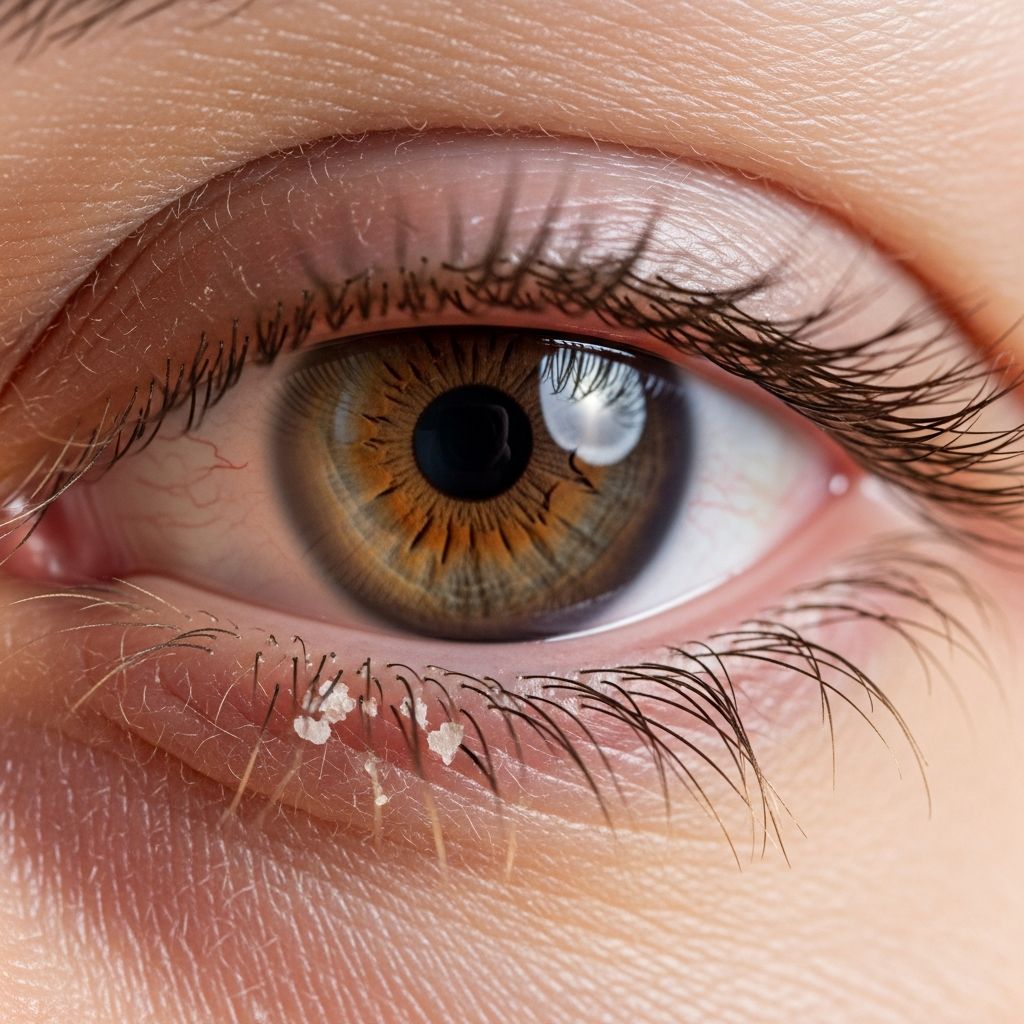
Madarosis is the term used to describe loss of hairs from the eyelashes (cilia) and/or eyebrows (supercilia). It can affect either the entire row of eyelashes or just a few lashes, and it may present with madarosis of the eyebrow hairs or loss of the lateral aspect of the eyebrows.
What is madarosis?
Madarosis refers to the loss of eyelashes, eyebrows, or both. The term originates from the Greek word madaros, meaning ‘bald’. It is a clinical sign rather than a diagnosis itself, indicating an underlying pathology that damages the hair follicle, bulb, or shaft. Madarosis can be classified as scarring (cicatricial), where permanent damage to the follicle occurs, or non-scarring (non-cicatricial), where hair regrowth is possible once the cause is addressed.
Loss of eyelashes is termed eyelash madarosis, while eyebrow involvement is superciliary madarosis. Partial or complete loss can occur unilaterally or bilaterally. The condition impacts facial aesthetics, self-esteem, and sometimes vision if severe.
Who gets madarosis?
Madarosis affects individuals across all ages and demographics but is more common in those with predisposing conditions such as chronic eyelid inflammation, autoimmune diseases, or systemic illnesses. It is frequently observed in patients with blepharitis, a prevalent eyelid disorder affecting up to 50% of ophthalmic outpatients. Children may experience it due to nutritional deficiencies or infections, while adults often link it to dermatological or autoimmune issues.
What causes madarosis?
Madarosis results from any process damaging the hair bulb or shaft, leading to temporary or permanent loss. Causes are categorized into local (ophthalmic/dermatologic), systemic, traumatic, iatrogenic, and congenital.
Ophthalmic causes
- Blepharitis: The most common cause, involving chronic eyelid inflammation. Anterior blepharitis (staphylococcal or seborrhoeic) leads to folliculitis and madarosis, often non-scarring but potentially scarring if chronic.
- Other: Ocular rosacea, meibomian gland dysfunction, herpes zoster ophthalmicus.
Dermatological causes
- Atopic dermatitis: Causes Hertoghe’s sign (lateral eyebrow loss) from rubbing.
- Seborrhoeic dermatitis: Erythema and scaling lead to scratching-induced loss.
- Alopecia areata: Patchy autoimmune hair loss affecting brows/lashes.
- Discoid lupus erythematosus and lichen planopilaris: Scarring alopecias.
- Infections: Bacterial (staph), fungal (Paracoccidioidomycosis), viral (herpes simplex).
Systemic causes
- Autoimmune: Thyroid disorders (e.g., hypothyroidism), lupus.
- Nutritional deficiencies: Iron, protein, zinc.
- Infections: Leprosy (multibacillary), syphilis, HIV.
- Malignancies: Cutaneous T-cell lymphoma, basal/squamous cell carcinoma.
- Other: Sarcoidosis, mastocytosis.
Trauma and iatrogenic
- Physical trauma, chemical burns, trichotillomania (compulsive pulling).
- Drugs: Chemotherapy, anticoagulants, retinoids; cosmetics (poor quality products).
What are the clinical features of madarosis?
Symptoms depend on the underlying cause but commonly include:
- Itching, burning, redness, swelling of eyelids.
- Scaly/flaky skin, dryness around brows/lashes.
- Thinning, patchy or complete loss of brows/lashes.
- Reduced density, altered appearance impacting confidence.
In blepharitis, signs include scurf, collarettes on lashes, lid margin inflammation. Scarring madarosis shows fibrosis and absent follicles; non-scarring shows intact skin with miniaturized hairs.
Related Stories



Diagnosis
Diagnosis involves history (onset, associated symptoms, medications, trauma) and examination (slit-lamp for eyelids, dermoscopy for follicles). Biopsy may confirm scarring alopecias or malignancies. Blood tests screen for systemic causes (thyroid function, iron studies, autoimmune markers).
Management
Treatment targets the underlying cause:
- Blepharitis: Lid hygiene, topical antibiotics/steroids.
- Alopecia areata: Intralesional steroids, topical immunotherapy.
- Nutritional: Supplementation.
- Scarring/permanent loss: Camouflage (tattooing, prosthetics), hair transplantation.
Avoid irritants; use hypoallergenic cosmetics. Multidisciplinary approach (dermatologist, ophthalmologist, endocrinologist) is often needed.
Prevention
Maintain eyelid hygiene, treat infections promptly, manage chronic conditions, avoid trauma/pulling, ensure balanced nutrition.
FAQ
Is madarosis permanent?
It depends on the cause; non-scarring types allow regrowth, while scarring (e.g., lichen planopilaris) is irreversible.
Can stress cause madarosis?
Stress alone rarely causes it but exacerbates autoimmune conditions or telogen effluvium.
Is madarosis contagious?
No, it is not contagious as it stems from non-infectious or underlying conditions.
What causes madarosis in children?
Nutritional deficiencies, infections, eczema, or rubbing.
How is madarosis diagnosed?
Via clinical exam, dermoscopy, biopsy, and labs for systemic causes.
References
- Madarosis: A Marker of Many Maladies — Razeghinejad MR, et al. Indian J Dermatol. 2012-04-01. https://pmc.ncbi.nlm.nih.gov/articles/PMC3358936/
- Madarosis (Eyebrow & Eyelash Hair Loss) — Cleveland Clinic. 2023-05-15. https://my.clevelandclinic.org/health/symptoms/24820-madarosis
- Madarosis — EyeWiki (AAO). 2024-01-10. https://eyewiki.org/Madarosis
Similar Articles








Read full bio of medha deb