Magnesium Before Or After Workout: Expert Timing Tips
Discover the optimal timing for magnesium intake to boost workout performance, reduce soreness, and enhance recovery effectively.
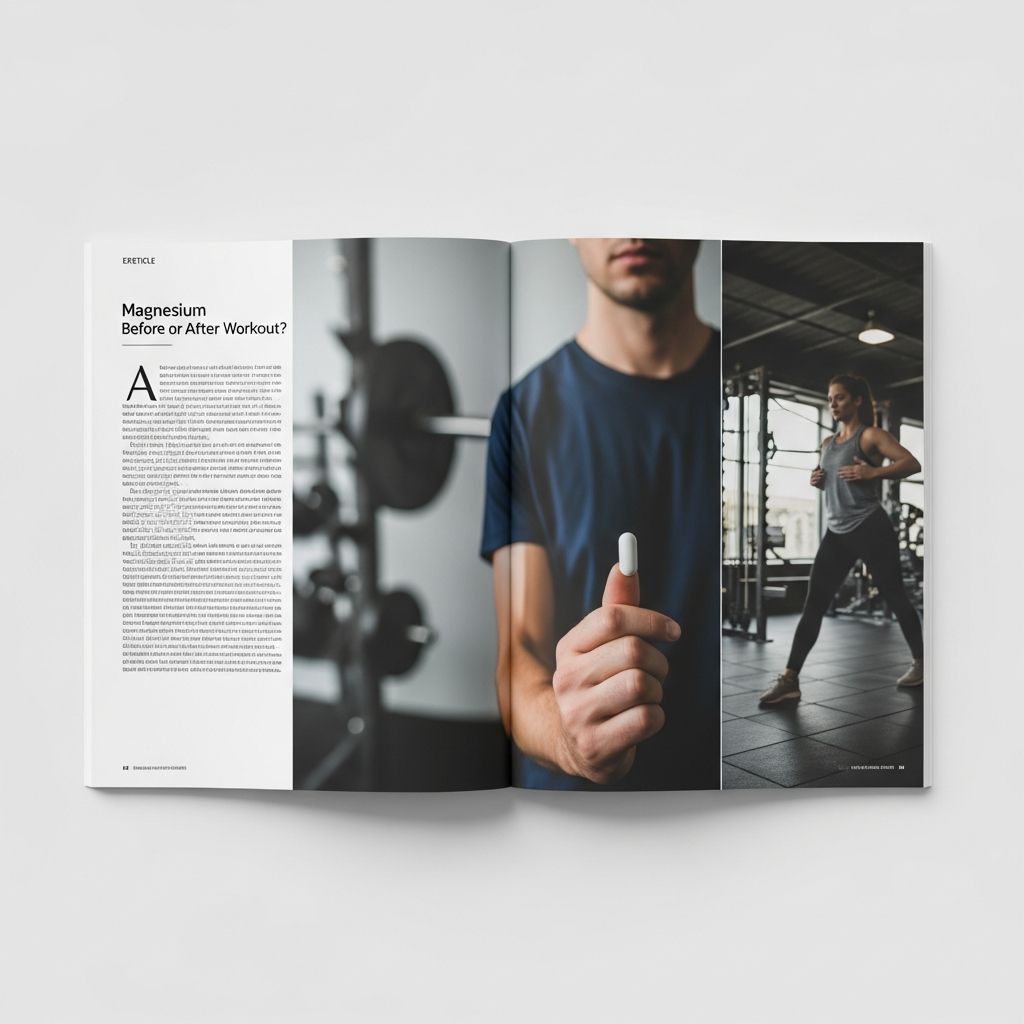
Magnesium supplementation is most effective when taken
2 hours before workouts
to support muscle function, reduce soreness, and enhance performance during intense exercise. Post-workout intake can aid recovery, but pre-exercise timing aligns better with the body’s needs during activity, as intense exercise depletes intracellular magnesium levels.What Is Magnesium and Why Do You Need It for Exercise?
Magnesium is an essential intracellular cation involved in over 300 biochemical reactions, including energy production, muscle contraction, neuronal activity, and glucose metabolism. It plays a critical role in ATP synthesis—the energy currency for muscle contractions—and regulates calcium transport in muscle cells, which is vital for proper contraction and relaxation.
During exercise, magnesium shifts from extracellular fluids to tissues, supporting recovery and preventing fatigue. Intense or prolonged workouts can lead to hypomagnesemia (low magnesium levels), impairing performance and increasing muscle soreness. Athletes and active individuals often have higher needs—10-20% above sedentary recommendations—due to sweat loss and metabolic demands.
- Key roles in exercise: Enhances glucose homeostasis, delays lactate buildup, protects against muscle damage.
- Deficiency risks: Muscle cramps, fatigue, poor recovery, amplified soreness (delayed onset muscle soreness or DOMS).
Even with normal serum levels, intracellular deficiency can occur post-exercise, underscoring the need for strategic supplementation.
Magnesium Before a Workout: Pros and Cons
Taking magnesium
2 hours before training
optimizes its availability during exercise. Studies show this timing reduces soreness, improves performance, and provides a protective effect on muscles by maintaining Mg-ATP complexes essential for glycolysis and contraction.Pros:
- Boosts energy production and endurance by stabilizing ATP.
- Reduces lactate accumulation, delaying fatigue.
- Supports calcium regulation to prevent cramps and soreness.
- Enhances glucose uptake for sustained performance.
Cons:
- Potential mild GI upset if taken on an empty stomach.
- Not ideal for those sensitive to supplements pre-exercise.
Research indicates pre-workout magnesium (e.g., citrate form in capsules) at 10-20% above RDA counters exercise-induced depletion, especially for high-intensity sessions.
Magnesium After a Workout: Pros and Cons
Post-workout magnesium aids recovery by replenishing depleted stores and reducing inflammation. However, evidence favors pre-timing for acute benefits, with post-intake better for long-term maintenance.
Pros:
- Promotes muscle repair and reduces DOMS over 24-48 hours.
- Supports off-season maintenance of magnesium levels.
- Helps restore electrolyte balance after sweat loss.
Cons:
- Delayed absorption may miss peak exercise demands.
- Less impact on immediate performance or soreness prevention.
For recovery-focused routines, combine with protein, but pre-workout remains superior for performance.
Best Forms of Magnesium for Workouts
Not all magnesium supplements are equal. Choose highly bioavailable forms for exercise benefits:
| Form | Absorption Rate | Best For | Notes |
|---|---|---|---|
| Magnesium Citrate | High | Pre-workout energy, soreness reduction | Recommended in studies; 10-20% RDA dose |
| Magnesium Glycinate | High | Recovery, sleep | Gentle on stomach |
| Magnesium Oxide | Low | General supplementation | Poor bioavailability; avoid for workouts |
| Magnesium Malate | Moderate | Energy, fatigue reduction | Supports ATP production |
Capsule form is preferred over powders for precise pre-workout dosing.
Related Stories



How Much Magnesium Should You Take Around Workouts?
Adults need 310-420 mg daily (women: 310-320 mg; men: 400-420 mg RDA). Active individuals should increase by
10-20%
, or 360-500 mg total, split if needed.Workout-specific dosing:
- Pre-workout: 100-200 mg (10-20% RDA boost), 2 hours prior.
- Daily total: Maintain RDA off-season; elevate during training.
Avoid exceeding 350 mg supplemental magnesium daily without medical advice to prevent hypermagnesemia.
Food Sources of Magnesium
Prioritize diet first: Whole foods provide magnesium alongside other nutrients.
- Leafy greens (spinach: 79 mg/cup)
- Nuts/seeds (almonds: 80 mg/oz)
- Whole grains (quinoa: 64 mg/cup)
- Legumes (black beans: 120 mg/cup)
- Dark chocolate (64 mg/oz)
Aim for 300+ mg from food; supplement gaps for athletes.
Who Benefits Most from Workout Magnesium?
- Endurance athletes: Counters prolonged depletion.
- Strength trainers: Reduces DOMS, aids heavy lifts.
- Those with deficiencies: Common in high-sweat sports.
- Older adults: Supports recovery amid age-related declines.
Test serum levels if symptoms like cramps persist.
Potential Side Effects and Precautions
Magnesium is safe at recommended doses but watch for:
- Diarrhea (high citrate doses).
- Interactions with antibiotics, diuretics.
- Contraindications: Kidney issues—consult a doctor.
Start low, monitor effects.
Studies on Magnesium and Exercise Performance
A systematic review of studies confirms magnesium supplementation reduces soreness, improves recovery, and protects muscles. Key findings: Pre-exercise dosing (2h) at elevated levels yields best results for intense training.
- High-intensity: Prevents hypermagnesemia shifts.
- Prolonged: Averts hypomagnesemia.
Expert Tips for Timing and Stacking
- Pair pre-workout Mg with carbs for glucose synergy.
- Post: Combine with zinc, B6 for absorption.
- Consistency: Daily intake > sporadic.
Frequently Asked Questions (FAQs)
Should I take magnesium before or after a workout?
A: Before, 2 hours prior, for optimal performance and soreness prevention. After aids recovery but is secondary.
What’s the best magnesium for muscle recovery?
A: Citrate or glycinate; 10-20% above RDA in capsules.
Can magnesium reduce muscle cramps during workouts?
A: Yes, by regulating calcium and ATP, especially pre-exercise.
How much magnesium for athletes?
A: 360-500 mg daily, increased 10-20% during training season.
Does magnesium help with post-workout soreness?
A: Yes, reduces DOMS and speeds recovery via anti-inflammatory effects.
References
- Effects of magnesium supplementation on muscle soreness in athletes — Cordova Martinez A, et al. National Library of Medicine (PMC). 2024. https://pmc.ncbi.nlm.nih.gov/articles/PMC11227245/
- Magnesium in sport and exercise medicine — Nielsen FH, Lukaski HC. National Institutes of Health (PubMed). 2006 (foundational review, still cited in recent studies for mechanisms). https://pubmed.ncbi.nlm.nih.gov/16548135/
- Office of Dietary Supplements: Magnesium Fact Sheet — National Institutes of Health (NIH). 2022-07-15 (updated). https://ods.od.nih.gov/factsheets/Magnesium-HealthProfessional/
Similar Articles








Read full bio of Sneha Tete