Magnesium Benefits For Women: 8 Essential Health Advantages
Discover how magnesium supports women's health, from easing PMS and improving sleep to boosting bone density and heart health.

Magnesium is an essential mineral involved in over 300 biochemical reactions in the body, playing a critical role in women’s health across all life stages, from adolescence to menopause and beyond. Women often face unique demands like hormonal fluctuations, pregnancy, and bone health concerns that make adequate magnesium intake vital for muscle function, energy production, mood regulation, and cardiovascular support.
Why Women Need Magnesium
Magnesium acts as a cofactor for enzymes essential for protein synthesis, DNA production, bone strength, and energy metabolism. The recommended dietary allowance (RDA) is 310-320 mg daily for adult women, increasing to 350-360 mg during pregnancy, yet up to 48% of Americans, including 15-20% of young women, consume less than required. Subclinical deficiency, common due to diets low in plant foods, aging, or absorption issues, can lead to fatigue, muscle cramps, anxiety, and increased risks for chronic conditions like type 2 diabetes and osteoporosis.
Factors contributing to low magnesium include processed food-heavy diets, soil depletion reducing mineral content in crops, medications like diuretics, and life stages such as perimenopause where absorption declines. Optimizing levels through diet and supplements can address oxidative stress, inflammation, and hormonal imbalances specific to women.
8 Key Magnesium Benefits for Women
Research highlights magnesium’s targeted advantages for women’s physiology, supported by clinical studies and expert reviews.
1. Improves Sleep Quality
Magnesium promotes relaxation by regulating GABA, a neurotransmitter that calms the nervous system, and lowering cortisol levels. Studies show women with higher magnesium intake report better sleep duration and quality, particularly during perimenopause when insomnia rises. Supplementation (300-400 mg before bed) has been linked to faster sleep onset and fewer awakenings in deficient individuals.
2. Supports Heart Health
As a natural calcium channel blocker, magnesium maintains regular heart rhythms, reduces blood pressure, and improves cholesterol profiles. A 2017 review found supplements lowered LDL cholesterol and systolic pressure in deficient people, with women at higher cardiovascular risk post-menopause benefiting most. The Nurses’ Health Study linked higher intake to reduced heart disease risk.
3. Eases PMS and Menstrual Symptoms
Magnesium relaxes smooth muscles, alleviating cramps, bloating, and migraines associated with PMS. A randomized trial using 360 mg magnesium pyrrolidone carboxylic acid reduced pain and mood swings over two cycles. It’s especially helpful for menstrual migraines, matching the efficacy of some medications.
4. Boosts Bone Density
Magnesium aids vitamin D activation and bone mineralization, crucial for women prone to osteoporosis. Postmenopausal supplementation suppressed bone turnover and increased density in trials, with one two-year study showing fewer fractures. Higher intake correlates with better bone mineral density (BMD) in elderly women.
5. Enhances Mood and Reduces Anxiety/Depression Risk
Low magnesium is tied to elevated stress, cortisol, and reduced serotonin/GABA function. A study of 3,200 people found higher levels lowered anxiety and depression odds. Supplementation may benefit women on hormone therapies, reducing hot flushes and distress.
6. Aids Blood Sugar Control and Diabetes Prevention
Magnesium improves insulin sensitivity, with the highest intakes linked to 36% lower type 2 diabetes risk in large cohort studies like Nurses’ Health. It’s vital for women with PCOS or gestational diabetes.
Related Stories



7. Supports Pregnancy and Reduces Preeclampsia Risk
In pregnancy, magnesium lowers maternal blood pressure, boosts infant birth weight, and cuts neonatal ICU stays. Intravenous magnesium sulfate is standard for preeclampsia, halving eclampsia rates.
8. Improves Muscle Function and Physical Performance
Women with higher magnesium have greater muscle mass and power. Elderly supplementation (300 mg/day) enhanced grip strength, leg power, and overall performance, per RCTs.
Food Sources of Magnesium
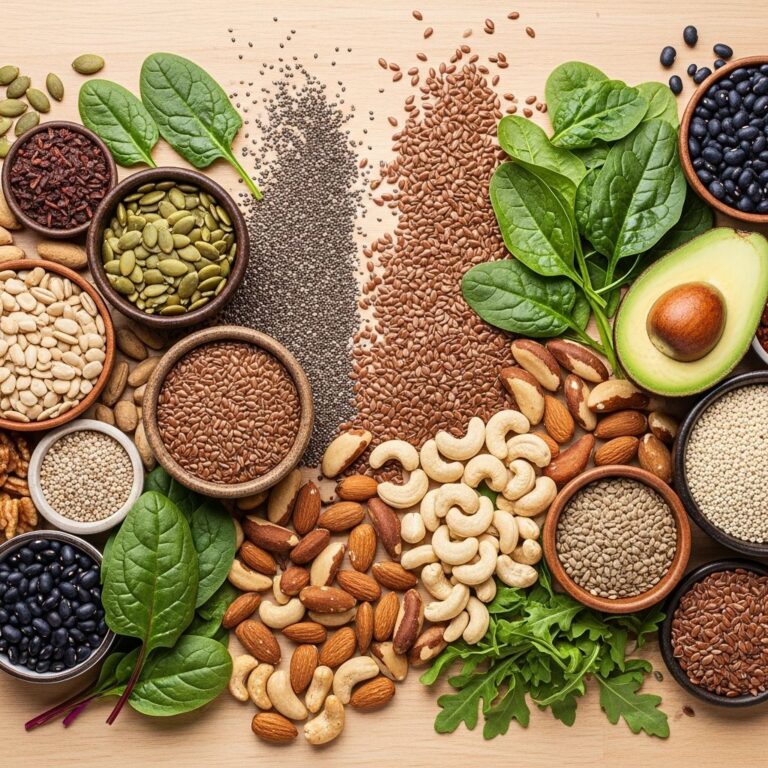
Prioritize whole, plant-based foods for bioavailable magnesium:
- Leafy greens (spinach: 79 mg/cup cooked)
- Nuts/seeds (almonds: 80 mg/oz; pumpkin seeds: 168 mg/oz)
- Whole grains (quinoa: 64 mg/cup cooked)
- Legumes (black beans: 120 mg/cup)
- Dark chocolate (65% cocoa: 64 mg/oz)
- Avocados (44 mg/medium)
Aim for a varied diet; absorption is best from food over supplements.
Magnesium Supplements: Types and Dosages
Choose forms based on needs:
| Form | Bioavailability | Best For |
|---|---|---|
| Magnesium glycinate | High | Sleep, anxiety |
| Magnesium citrate | High | Constipation, general |
| Magnesium oxide | Low | Migraines (high dose) |
| Magnesium threonate | High (brain) | Cognition, mood |
Start with 200-400 mg elemental magnesium daily, split doses to avoid GI upset. Consult a doctor for pregnancy or medications.
Signs of Magnesium Deficiency in Women
- Muscle cramps/twitches
- Fatigue, insomnia
- Irregular heartbeat
- PMS worsening
- Headaches/migraines
- Anxiety, irritability
Test serum levels, though RBC magnesium is more accurate for tissue status.
Potential Risks and Side Effects
Excess (>350 mg supplemental) may cause diarrhea; those with kidney issues risk toxicity. Always pair with balanced diet.
Frequently Asked Questions (FAQs)
Do all women need magnesium supplements?
Not if diet suffices, but 48% are deficient; supplementation benefits those with symptoms or high needs like pregnancy.
Can magnesium help with perimenopause symptoms?
Yes, it eases hot flashes, sleep issues, and mood swings, as shown in studies on breast cancer patients on hormone therapy.
How long to see magnesium benefits?
1-4 weeks for sleep/mood; longer for bone/muscle changes.
Is magnesium safe during pregnancy?
Yes, at RDA levels; IV form is proven for preeclampsia.
What’s the best time to take magnesium?
Evening for sleep benefits; with meals to enhance absorption.
References
- Magnesium Benefits, Side Effects, Risks, According To Dietitians — Women’s Health Magazine. 2023-05-15. https://www.womenshealthmag.com/health/a41615473/magnesium-health-benefits/
- Magnesium for Women’s Health — TārāMD (Suzanne Fenske, MD). 2024-01-10. https://www.taramd.com/post/magnesium-for-womens-health
- The Importance of Magnesium in Clinical Healthcare — PMC (NCBI). 2017-09-29. https://pmc.ncbi.nlm.nih.gov/articles/PMC5637834/
Similar Articles








Read full bio of medha deb