Magnesium Chloride Benefits: 9 Key Health Advantages
Discover the science-backed health benefits of magnesium chloride, from muscle recovery to heart health and beyond.

Magnesium chloride is a highly bioavailable form of magnesium that offers numerous health advantages, supported by clinical research. This essential mineral plays a key role in over 300 enzymatic reactions in the body, aiding muscle function, nerve signaling, energy production, and bone health.
What Is Magnesium Chloride?
**Magnesium chloride** (MgCl2) is a compound consisting of magnesium bound to chloride, prized for its superior absorption compared to other forms like magnesium oxide. It occurs naturally in seawater and brine, and is commonly used in supplements, topical sprays, and baths for transdermal delivery, bypassing digestive limitations.
The body requires magnesium for ATP production, DNA synthesis, and regulating inflammation. Deficiency affects nearly two-thirds of people in Western populations, contributing to conditions like metabolic syndrome and migraines. Magnesium chloride’s solubility enhances uptake, making it effective for correcting low levels quickly.
Magnesium Chloride vs. Other Magnesium Forms
Not all magnesium supplements are equal. Here’s a comparison:
| Form | Bioavailability | Common Uses | Potential Side Effects |
|---|---|---|---|
| Magnesium Chloride | High (90%+ absorption) | Topical, oral, muscle recovery | Low; mild digestive upset |
| Magnesium Oxide | Low (4-10%) | Laxative | Diarrhea, poor absorption |
| Magnesium Glycinate | High | Sleep, anxiety | Gentle on stomach |
| Magnesium Citrate | Moderate | Constipation relief | Laxative effect |
| Magnesium Sulfate (Epsom Salt) | Moderate (topical) | Baths, soaks | Skin irritation if concentrated |
Magnesium chloride stands out for its versatility and minimal gastrointestinal issues, ideal for long-term use.
9 Health Benefits of Magnesium Chloride
1. May Ease Muscle Soreness and Cramps
Magnesium chloride excels in relieving muscle cramps and soreness, especially post-exercise. It relaxes muscles by blocking calcium uptake in muscle cells and supports electrolyte balance. Topical application via sprays or oils delivers it directly to affected areas, promoting faster recovery.
Clinical evidence shows magnesium supplementation reduces muscle cramps in athletes and pregnant individuals. Its role as a natural calcium channel blocker enhances vasodilation, improving blood flow to muscles.
2. Potentially Treats Migraine
Level I evidence supports magnesium for migraine prevention and treatment. Deficiency is linked to headaches due to its role in nerve stabilization and vascular tone. Magnesium chloride, at 500-1000 mg daily, may reduce attack frequency by 40-50% in susceptible individuals.
Intravenous magnesium chloride is used acutely in ERs for severe migraines, with oral forms providing prophylactic benefits. It counters cortical spreading depression, a migraine trigger.
3. Could Help Lower Blood Pressure
Magnesium chloride aids hypertension management by acting as a vasodilator and improving endothelial function. Studies show 500-1000 mg/day reduces systolic/diastolic blood pressure by 5.6/2.8 mm Hg. It counters resistance to antihypertensive drugs often seen in deficient patients.
Highest magnesium intake correlates with 77% lower sudden cardiac death risk, underscoring cardiovascular protection.
4. Might Improve Blood Sugar Management
Magnesium is vital for insulin sensitivity. Low levels contribute to insulin resistance and type 2 diabetes. High magnesium intake (top quartile) reduces elevated HOMA-IR risk by 71% and shows inverse links to inflammation markers like hs-CRP and IL-6 over 20 years.
Related Stories



Magnesium chloride supplementation improves glycemic control in diabetics, enhancing glucose uptake and reducing complications.
5. May Benefit Heart Health
Beyond blood pressure, magnesium chloride supports arrhythmia prevention and reduces cardiac events. It stabilizes heart rhythm, acts as a natural calcium antagonist, and boosts nitric oxide for better circulation.
Patients with optimal magnesium have significantly lower sudden death risk, making it a key adjunct for heart disease prevention.
6. Could Promote Better Sleep
Magnesium chloride regulates GABA receptors, promoting relaxation and deeper sleep. Evening supplementation calms the nervous system, reducing insomnia linked to deficiency. Topical use avoids daytime drowsiness.
7. Might Support Bone Health
Magnesium is essential for bone mineral density (BMD). Supplementation suppresses bone turnover, increasing density in postmenopausal women and reducing fractures. Optimal levels prevent both osteoporosis and excessive bone loss from high magnesium.
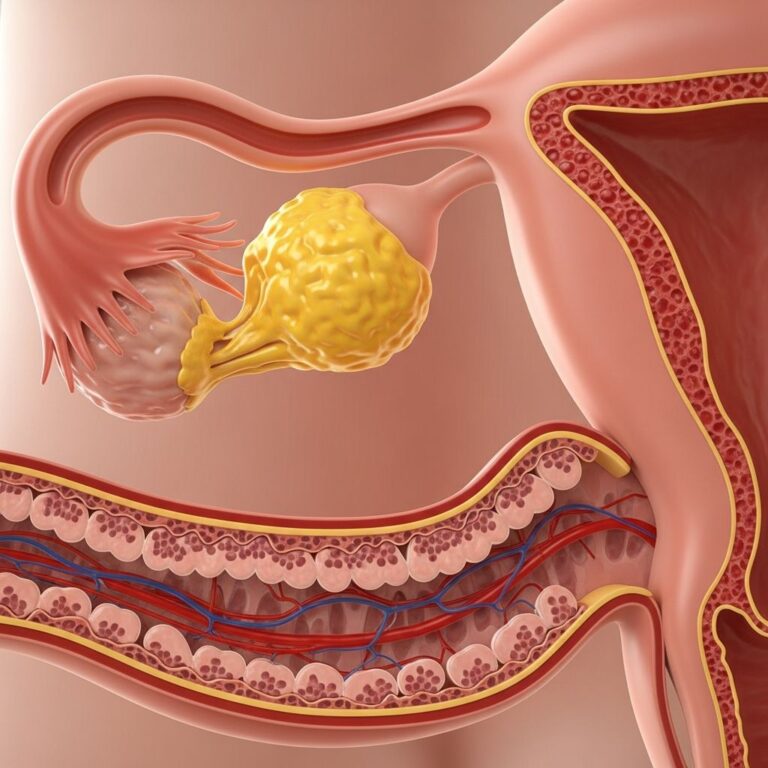
8. May Reduce PMS Symptoms
For premenstrual syndrome (PMS), 360 mg magnesium daily significantly cuts pain, mood swings, and distress scores. It balances hormones and eases cramps via muscle relaxation.
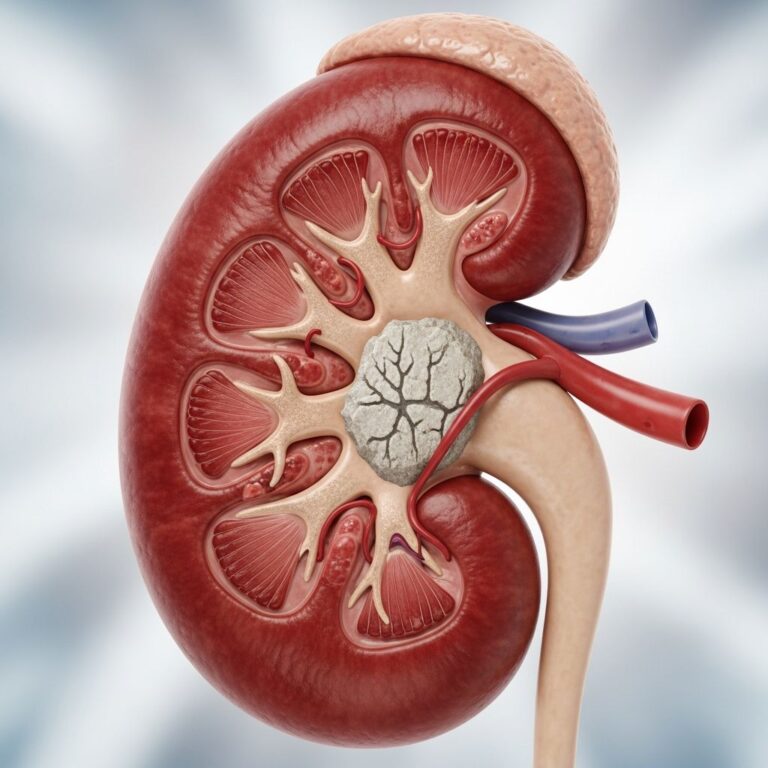
9. Potentially Prevents Kidney Stones
Magnesium citrate (related form) with potassium citrate slashed calcium oxalate stones by 85% over 3 years. Magnesium chloride binds oxalates, reducing stone formation risk.
How to Take Magnesium Chloride
Oral: 200-400 mg elemental magnesium daily, split doses. Start low to assess tolerance.
Topical: Sprays (10 sprays = ~200 mg), baths (1-2 cups in tub). Apply to clean skin, rinse after 20-30 min.
Combine with meals for absorption; avoid with high-calcium foods. Hydrate well.
Magnesium Chloride Dosage
- Adults: 310-420 mg elemental Mg/day (RDA).
- Athletes: 400-600 mg for recovery.
- Pregnant: 350-400 mg, consult doctor.
- Children: Age-adjusted, pediatrician-guided.
Elemental magnesium is ~12% of total weight in chloride form. Exceeding 350 mg supplemental may cause loose stools.
Side Effects of Magnesium Chloride
Generally safe; common issues include diarrhea at high doses (>500 mg). Rare: nausea, low BP. Topical: skin tingling (dilute if needed).
Contraindications: Kidney disease, myasthenia gravis. Interact with antibiotics, bisphosphonates—space 2 hours apart.
Frequently Asked Questions (FAQs)
What does magnesium chloride do for the body?
It supports muscle/nerve function, energy production, blood sugar/pressure regulation, and bone health.
Is magnesium chloride better absorbed?
Yes, its high solubility yields 90%+ bioavailability vs. oxide’s 4-10%.
Can magnesium chloride cause diarrhea?
High doses may; start with 200 mg and increase gradually.
Is topical magnesium chloride effective?
Yes, transdermal delivery raises blood levels effectively for localized relief.
How long for magnesium chloride benefits?
1-4 weeks for deficiency correction; acute effects like cramp relief in hours.
Who Should Take Magnesium Chloride?
- Athletes for recovery.
- Those with migraines/PMS.
- Diabetics/hypertensives.
- Older adults for bones.
- Stress/sleep strugglers.
Test serum levels first; aim for diet-rich sources like nuts, greens alongside supplements.
References
- The Importance of Magnesium in Clinical Healthcare — PMC/NIH. 2017-09-28. https://pmc.ncbi.nlm.nih.gov/articles/PMC5637834/
Similar Articles








Read full bio of medha deb